

Picture a plant that sets off a confetti cannon on your windowsill: glossy fruits standing like tiny candles and changing outfits from green to lemon, tangerine, cherry-red—and sometimes a surprising purple. That’s Capsicum annuum, the ornamental pepper. Beyond the pop of color, there’s great science behind why these fruits point skyward and parade through so many hues. Let’s have some fun with the botany.
Meet the plant behind the spectacle
- Scientific name: Capsicum annuum (family Solanaceae)
- Common names: Ornamental Pepper, Christmas Pepper, Five-Color Pepper
- Origin: Tropical Americas (centered from Mexico to northern South America); now grown worldwide
- Habit: Compact, bushy, warm-season plant, often 20–45 cm tall, perfect for sunny windows and balcony pots
- Why people love it: Many fruits at once, often held upright, each shifting color as it matures
A quick word on edibility: The fruits are technically edible (same species as many culinary peppers), but ornamental types are often extremely hot. Handle carefully, keep them away from children and pets, and wash hands after touching the fruits.
Why do the fruits point straight up?
Think of ornamental peppers as little engineers, building fruit “flagpoles” that hold their colors high.
The architecture: short, stiff pedicels
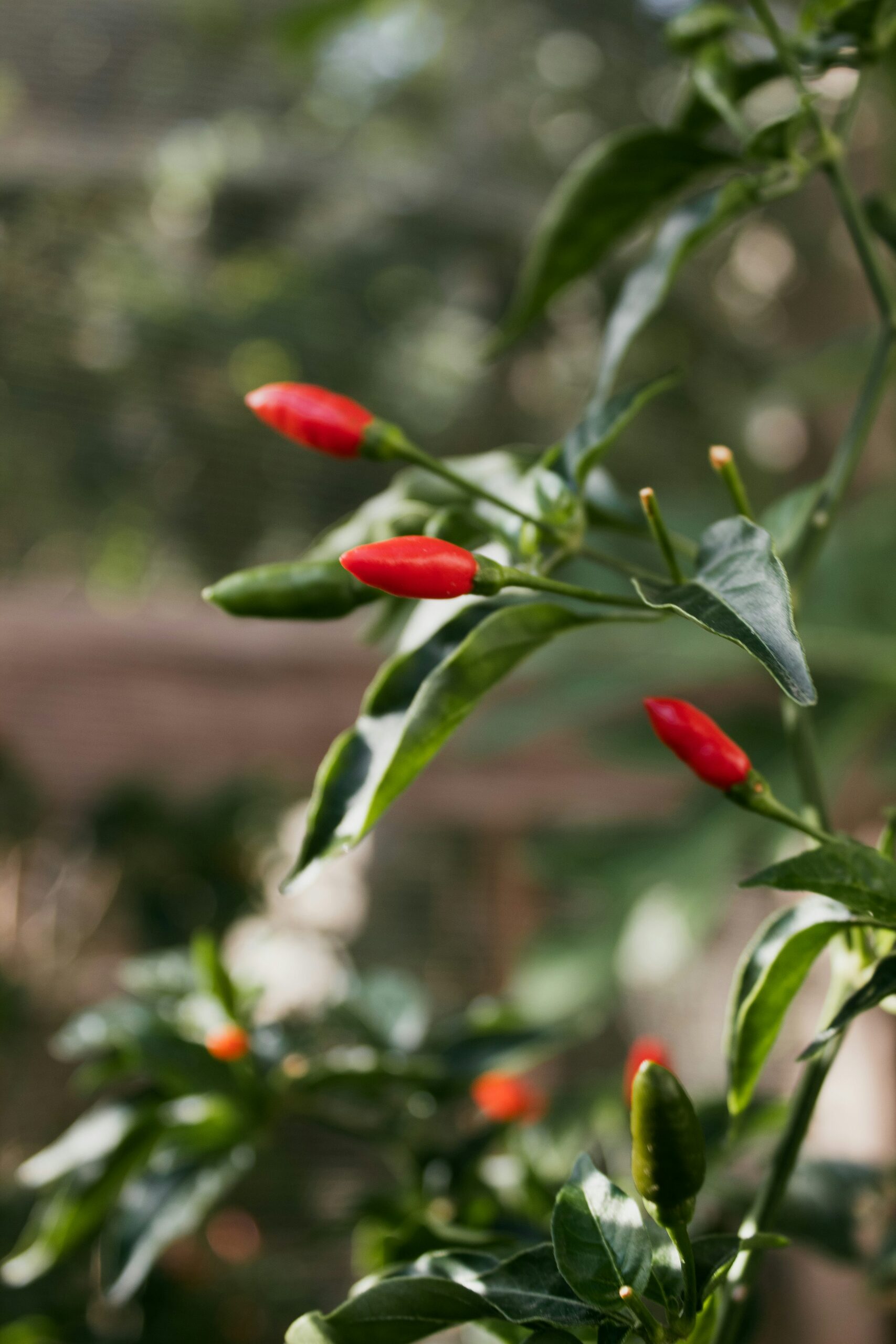
- The fruit attaches to the stem via a short stalk (the pedicel). In many ornamental cultivars, this stalk is stout and angled up, so small, lightweight fruits don’t bend down.
- Genetic selection favors upright orientation in these showy types. Big kitchen peppers (think bells) weigh more and often hang because gravity + longer, softer pedicels win that tug-of-war.
The display advantage
- Upright fruits sit above the leaves like beacons—great for visibility. In wild peppers with erect fruit (and in many ornamentals), that top-side billboard likely helped attract bird dispersers. Birds aren’t bothered by capsaicin and carry seeds far; mammals are deterred, so the plant gets an ideal delivery service.
- Elevated fruits also dry faster after rain or mist, which can help reduce fungal trouble.
Upright isn’t universal (and that’s the point)
- Culinary breeding often selected for larger, pendant fruits (easier picking and less sunscald on big walls of peppers).
- Ornamental breeding did the opposite: compact plants with “candle-like” fruits held proud and visible.
The color-change magic show: green → yellow/orange → red (and sometimes purple/black)
Ornamental peppers are mood rings with chloroplasts and chromoplasts. The story is all about pigments, light, and timing.
Stage 1: Green chlorophyll factories
- Young fruits are essentially mini solar panels. Chloroplasts pump out energy and are full of chlorophyll, giving that crisp green.
Stage 2: Yellow and orange carotenoids emerge
- As the fruit matures, the chloroplasts transform into chromoplasts. Chlorophyll breaks down, and carotenoids accumulate.
- Key players:
- Lutein, β-carotene, and violaxanthin contribute yellow to orange.
- Mixtures of these carotenoids create those rich amber and tangerine tones.
Stage 3: The red finale
- In Capsicum, a special pathway converts carotenoids into capsanthin and capsorubin—signature red pigments that dominate the fully ripe stage.
- That’s why the finale is so reliably red on many varieties.
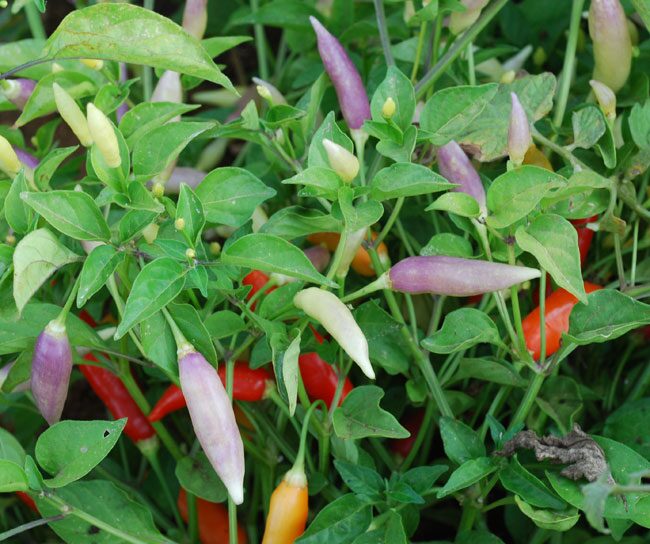
The purple (or near-black) surprise
- Some cultivars produce anthocyanins (purple pigments) in the peel, especially under strong sun and with warm days/cooler nights.
- When purple overlays green, our eyes can read it as inky violet to near-black. As chlorophyll fades and red carotenoids take over, purple often subsides—though some varieties keep a hint of dark undertone.
What choreographs the changes?
- Genetics sets the baseline (some cultivars flip on purple early; others skip it).
- Light and temperature tweak pigment balance: high light boosts anthocyanins and can intensify carotenoids.
- Plant hormones guide ripening sequence and color development. While peppers don’t rely on the big ethylene burst that drives “climacteric” fruits like tomatoes, ambient ethylene can still affect the plant—particularly flower/fruit drop (keep your ornamental pepper away from bowls of ripening fruit).
Why so many colors at once? Staggered ripening, by design
Walk around a single plant and you’ll often see five shades on the same day. That’s not an accident.
Flowers and fruits arrive in waves
- Ornamental peppers set blossoms over time, so fruits are different ages simultaneously. Last week’s fruit is turning orange while today’s is still green; the older ones are already flashing red.
Microclimates on a miniature scale
- A pepper basking on the sunniest, breeziest side of the plant colors faster than one shaded behind foliage.
- Small variations in temperature, light exposure, and even fruit load per branch subtly desynchronize ripening.
Breeding for fireworks
- Cultivars are selected for strong, glossy color at each stage (including showy purple in some).
- The result: “Five-Color” effects, where green, yellow, orange, red, and purple share the plant like a string of multicolored lights.
How to coax the brightest show at home
Light, warmth, and even moisture are the backstage crew for a flawless performance.
Light and placement
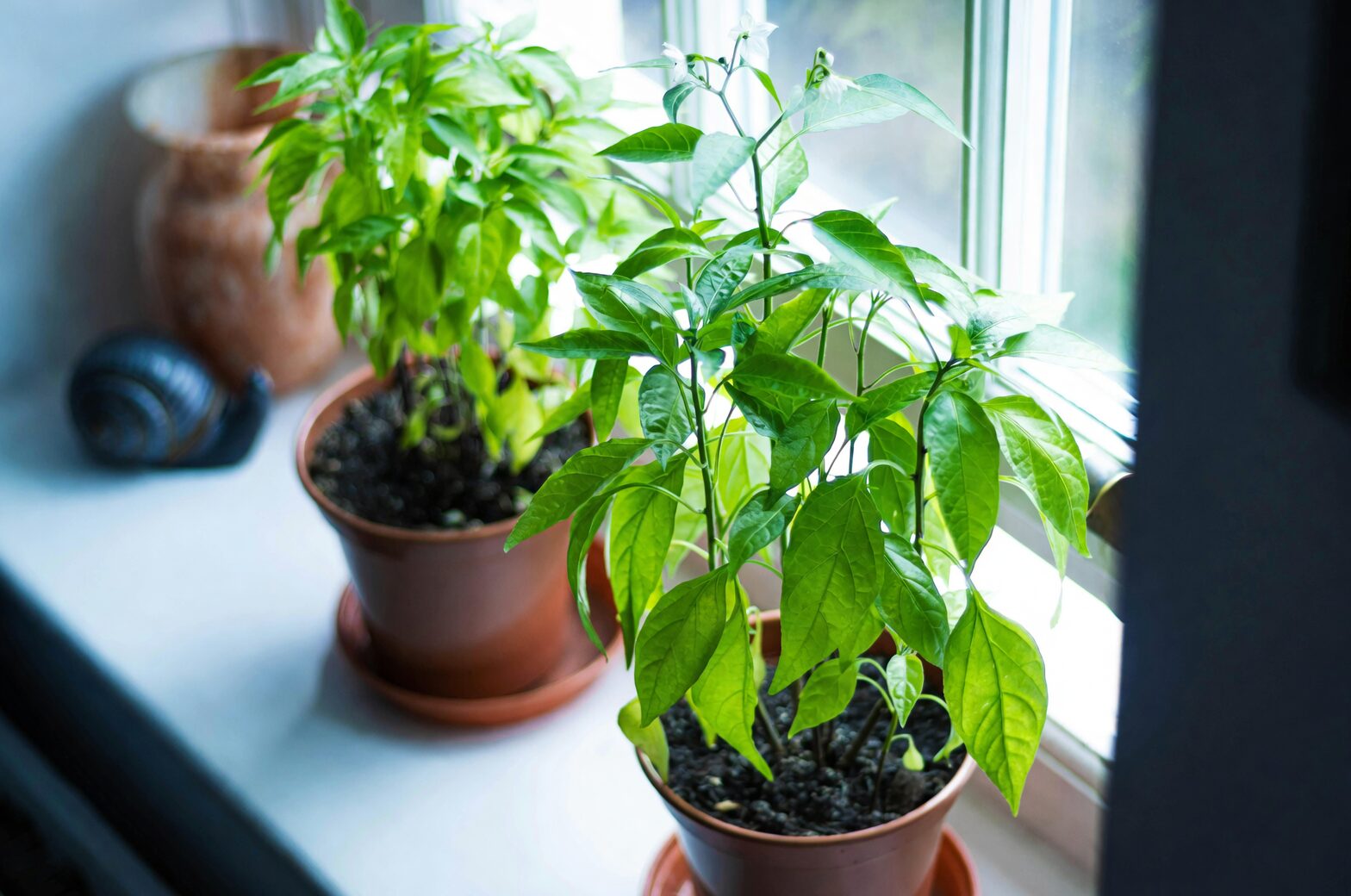
- Give full sun to very bright light—aim for 6–8 hours of direct sun daily. East, south, or west windowsills, sunrooms, or sunny balconies are prime.
- More light = more fruits and often stronger purple tones.
Temperature and humidity
- Sweet spot: 21–25°C (70–77°F). Growth slows above ~30°C (86°F), and below 10°C (50°F) the plant stalls. Protect from chills and any frost.
- Moderate humidity is helpful. Hot, dry air plus dry soil can trigger blossom and young-fruit drop.
Watering and feeding
- Water when the top 2–3 cm (about 1 inch) of potting mix is dry; keep it evenly moist, never sodden.
- In warm, bright conditions, this may be every ~3 days; adjust to your pot size and home climate.
- Feed weekly from April to August with a balanced fertilizer (e.g., 20-20-20) at label rates. After fruit set, give 1–2 feedings higher in phosphorus and potassium (e.g., 15-30-15) to support flowering and fruit development.
- As fruits fully color, you can water slightly less—but don’t let the plant dry out.
Soil and pots
- Use a fertile, well-drained potting mix. A great blend: quality potting soil with compost or leaf mold plus 10–30% coarse sand or perlite. Avoid waterlogging.
- Most ornamental peppers look superb in 12–15 cm (4.7–5.9 in) pots. Don’t overpot.
Shaping and thinning
- Pinch growing tips 2–3 times early on to encourage branching and a fuller, fruit-loaded silhouette.
- If the canopy is very dense, selectively remove a few leaves for airflow and even light. Thin excessive flowers/fruits if overloaded to reduce drop and boost fruit size.
Smart placement tip
- Keep away from bowls of ripening fruit—ethylene gas can encourage flower and fruit drop.
Quick troubleshooting
- Sparse or small fruits: Increase sun, keep warm (21–25°C), and water evenly. Avoid hot, dry drafts.
- Dropping flowers/young fruits: Usually too little light, drought stress, or hot, dry air. Improve light and maintain steadier moisture.
- Pests: Watch for aphids and spider mites, especially indoors in warm, dry air. Rinse the plant, improve humidity/airflow, and use insecticidal soap or horticultural oil if needed.
- Disease spots/rot: Remove affected parts, avoid leaving foliage wet overnight, and boost ventilation.
Safety note: edible, but handle like hot labware
- Many ornamental cultivars are extremely hot. Capsaicin can burn skin and eyes.
- Keep away from kids and pets. Wash hands after handling; avoid touching your face.
Symbolism and “flower language”
Ornamental peppers are widely seen as festive—one plant often carries multiple colors at once, telegraphing cheer, warmth, and celebration. While there isn’t a deep, ancient “flower language” tradition tied specifically to Capsicum annuum, modern décor culture treats these peppers as symbols of vitality and spirited energy, especially in autumn and winter.
Grow-your-own from seed (fast!)
- Sow indoors in late winter to early spring.
- Soak seeds 1–2 hours, then sow about 1 cm deep in warm media.
- Keep 25–30°C (77–86°F); sprouts often appear in 3–5 days.
- Transplant at 8–10 true leaves. Expect a showy fruit display about 60–90 days from sowing under good light and warmth.
Why this plant shines in cool-season décor
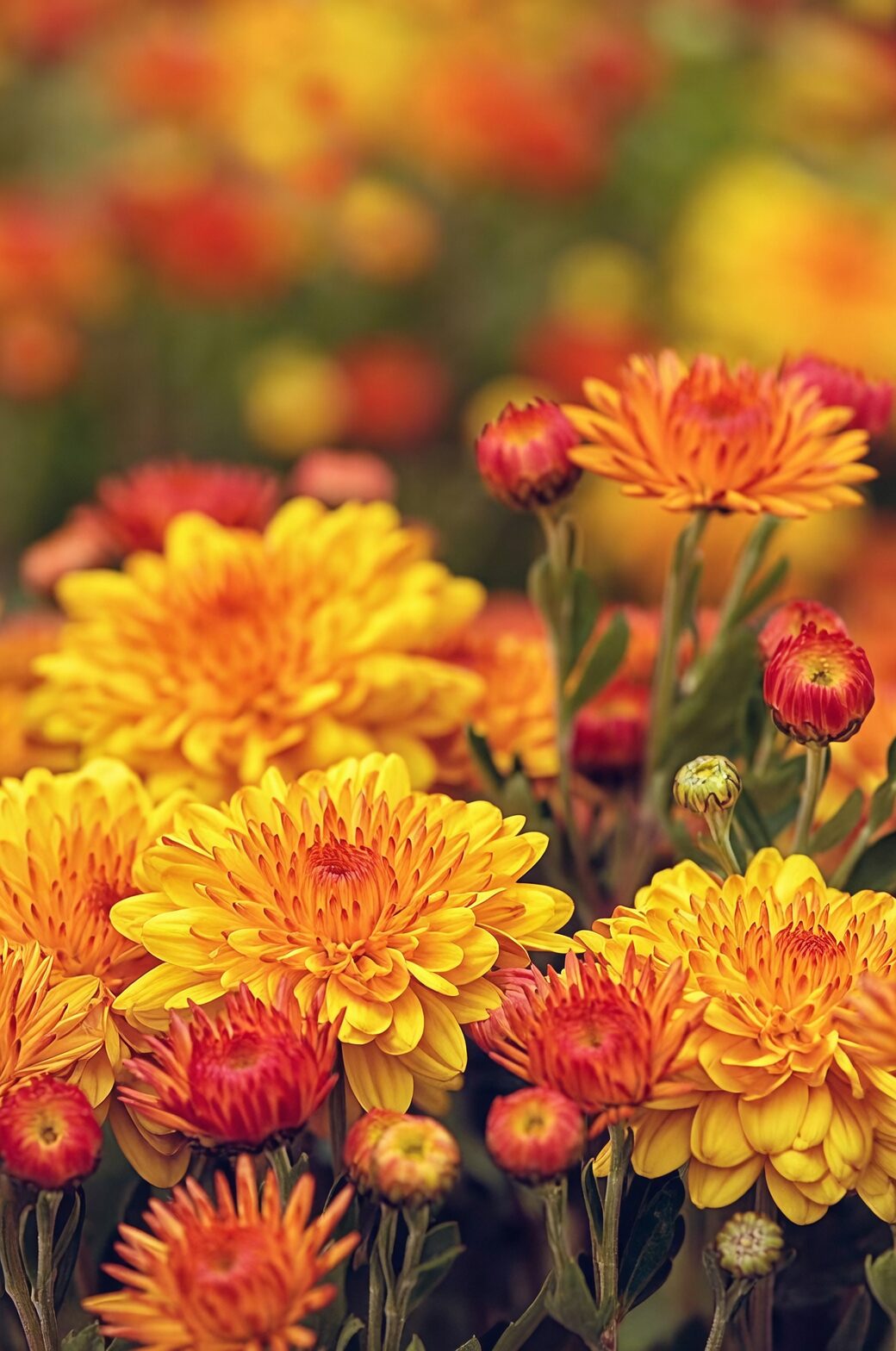
After summer flowering, the color show typically peaks from autumn into winter (indoors it can run late summer through winter, depending on sow date and light). That makes ornamental peppers ideal companions for chrysanthemums, fall pansies, ornamental cabbages, and grasses—turning windowsills and patios into fireworks finales right when most gardens fade.
Fun facts to share
- Many ornamental peppers hold their fruits upright, dotting the plant like a tray of tiny candles.
- You can often see several fruit colors at once because peppers ripen in waves.
- Capsicum annuum is a huge species: it includes sweet bells, paprika, countless chilies—and these compact showpieces bred mostly for looks.
- With warm germination, seeds can pop in as little as 3–5 days.
- From sowing to color-packed display can be just 60–90 days in good conditions.
In short: those upright “candles” are clever plant engineering, and the rainbow is pigment biology in motion—chlorophyll yielding to carotenoids, with anthocyanins adding a purple drumroll. Give your Capsicum annuum strong sun, steady warmth, and even moisture, and it will repay you with a science-backed light show all season long.