
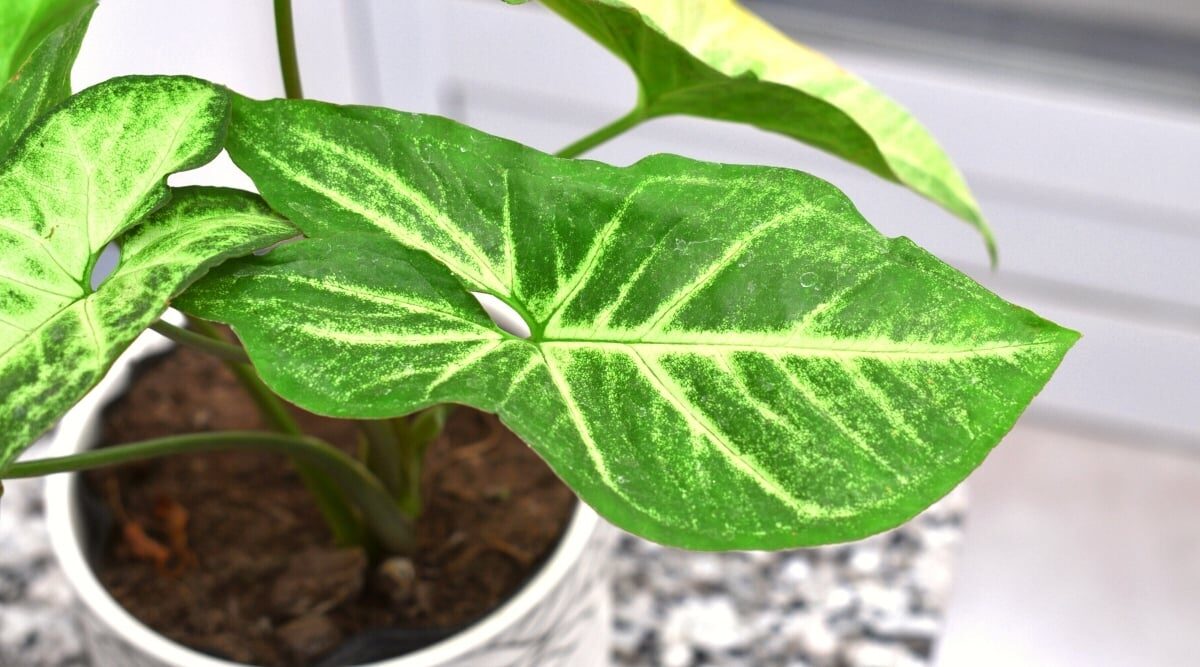
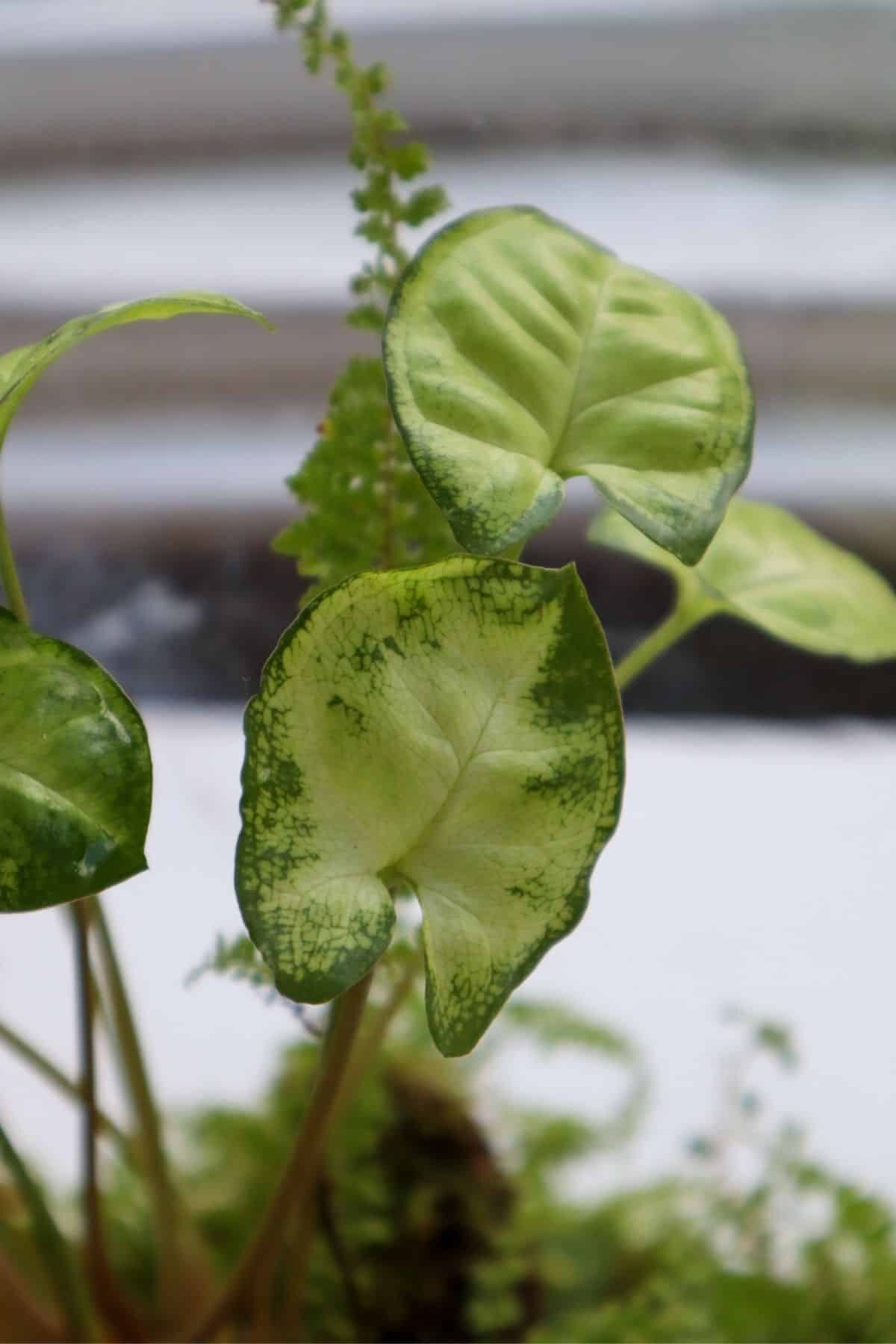
Meet the Arrowhead Vine (Syngonium podophyllum): a quick-growing, shape-shifting aroid that practically begs to be shared. From May through October—when warmth and longer days kick growth into high gear—you can turn one vine into a lush, bushy pot in just a few weeks. Here’s a step-by-step, no-guesswork guide to propagating 2–3-node cuttings three ways (water vs. perlite vs. sphagnum), plus how to use aerial roots for instant success, keep everything hygienic, and pot up for a fuller plant.
Best timing, conditions, and what you’ll need
- Prime window: May–October, when temperatures are consistently above 15°C/59°F. It roots fastest around 15–23°C (59–73°F).
- Light: Bright, indirect light (east window, bright north, or filtered south/west). Variegated forms prefer a brighter indirect spot to hold their pattern.
- Humidity: Moderate to high is ideal—think kitchens, bathrooms, a pebble tray, or a nearby humidifier.
Tools and materials
- Clean, sharp pruners or snips
- Gloves (the sap can irritate skin/eyes)
- Isopropyl alcohol or a 10% bleach solution for sterilizing tools and jars
- Your rooting medium of choice:
- Water and a clear jar, or
- Perlite and a cup with drainage plus a small water reservoir, or
- Long-fiber sphagnum moss and a ventilated box/bag
- Optional stakes/clips for gentle support
- Labels (your future self will thank you)
Hygiene quick-start
- Sterilize blades before every session and between plants.
- Wash jars/containers; rinse perlite to reduce dust; pre-soak and thoroughly wring out sphagnum so it’s moist but not soggy.
- Work on a clean surface and avoid reusing stagnant water or sour-smelling media.
Find the nodes and take perfect cuttings
What to look for
- Nodes are the slightly thickened points on the vine where leaves and roots emerge.
- Aerial roots look like tiny nubs or brownish spikes near nodes—these are gold for fast rooting.
Step-by-step
- Choose healthy, flexible stems; avoid yellowing or mushy sections.
- Make tip cuttings (or segment longer vines) with 2–3 nodes each.
- Cut just below a node. Remove the lowest leaf so at least one bare node can sit in water/moss/perlite.
- Keep cuttings oriented upright; don’t crush the nodes.
- Let heavy sap ooze for a few minutes before placing in your medium.
Pro tip: Pieces with visible aerial roots can skip “nursery time” and go straight into a potting mix (details below).
Three rooting routes: water vs. perlite vs. sphagnum
Water rooting: see-through speed and simplicity
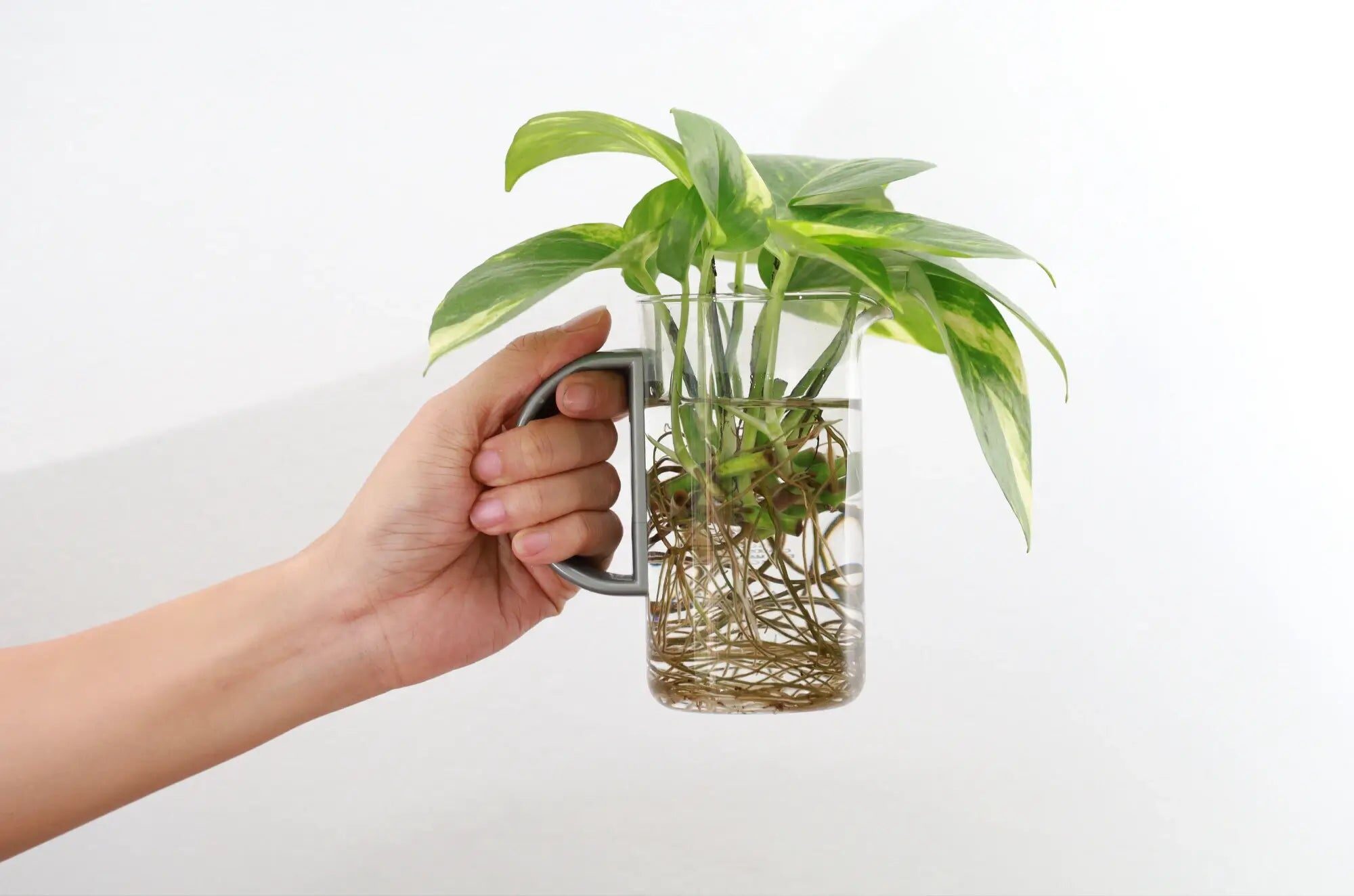
- Setup: Submerge only the bare nodes; keep leaves out of the water.
- Care: Bright, indirect light; change water every 3–5 days.
- Timeline: In warm conditions, expect roots in about 10–15 days. Pot up when you see multiple roots 3–5 cm (1–2 in) long and tiny new rootlets.
Why choose it: Easy to monitor progress and troubleshoot.
Watch-outs: Oxygen is limited in water; long-term “water roots” can be delicate when transitioning to soil—pot up promptly once roots are sturdy.
Perlite wicking: airy, clean, and low-rot
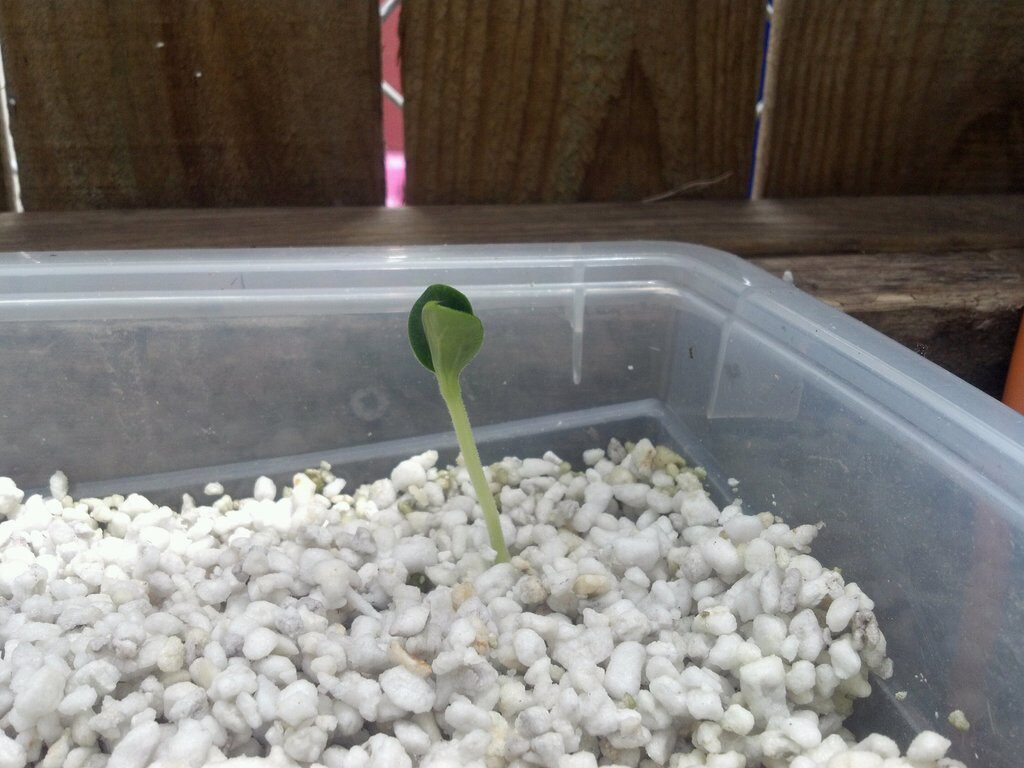
- Setup: Fill a slotted/holed cup with rinsed perlite; set it over a small reservoir so the perlite wicks moisture. Nestle nodes 1–2 cm deep.
- Care: Keep perlite evenly moist (never sodden). Bright, indirect light and gentle airflow.
- Timeline: Often similar to water—roots in roughly 10–15 days in warmth, then a steady build-out.
Why choose it: Excellent oxygenation and tidy roots; transition to soil is typically smoother.
Sphagnum “burrito”: humidity hug for fussier cuttings
- Setup: Rinse, soak, then wring sphagnum until just damp. Wrap around nodes and place in a ventilated plastic box or bag (poke air holes).
- Care: Keep the moss barely moist; avoid sealing it airtight. Bright, indirect light.
- Timeline: Comparable to perlite in warm conditions; roots often appear in 2–3 weeks.
Why choose it: High humidity plus airflow—a sweet spot for rot-prone cuttings.
Watch-outs: Over-wet moss starves nodes of oxygen; wring it to the “just-damp” stage.
The aerial-root shortcut: instant pot-up

If your cutting has a chunky aerial root at a node, you can plant it straight into an airy aroid mix instead of pre-rooting.
- Mix: A peat- or coco-based potting mix lightened with perlite and/or bark; slightly acidic, springy, and free-draining.
- Planting: Bury the aerial root and its node 1–2 cm deep; firm gently so the cutting doesn’t wobble.
- Aftercare: Keep the mix evenly moist (never waterlogged), warm, and in bright, indirect light. Stake loosely if needed.
- Result: With warm conditions, these often establish in 10–15 days and take off quickly.
When to pot up—and how to build a bushier plant
Pot up when
- Roots are 3–5 cm long with several small side rootlets, or a sphagnum/perlite cutting resists a gentle tug.
- Choose a small pot with drainage—10–12 cm (4–5 in) is perfect for a starter cluster.
Planting for fullness
- Plant 3–5 rooted cuttings together in one pot.
- Angle a few outward around the rim for instant volume.
- Bury at least one node from each cutting to anchor and encourage additional sub-surface roots.
Shape and train
- Pinch the growing tips when the plant reaches about 15–20 cm (6–8 in) tall to encourage branching.
- For a compact, bushy look, keep pinching and occasionally cut back leggy stems.
- Prefer an upright totem vibe? Train stems onto a moss pole; you’ll often get larger, handsomer leaves over time.
Aftercare for fresh transplants
- Light: Bright, indirect. Variegated types need a brighter indirect spot than solid-green plants. Avoid harsh direct sun.
- Water: Keep the mix lightly, evenly moist during active growth; never let pots sit in water. Reduce in winter, letting the top of the mix dry slightly.
- Temperature: Aim for 15–23°C (59–73°F); keep above ~12°C (54°F) to avoid chilling damage.
- Humidity: Moderate to high is best; morning mist or a humidifier helps.
- Feeding: Once you see new growth, feed every 2 weeks in late spring and summer with a balanced liquid fertilizer diluted to half strength. Pause/reduce in winter.
Troubleshooting (and staying squeaky clean)
- Cutting rot or mushy nodes
- Causes: Over-wet media, stale water, low oxygen.
- Fix: Refresh water/media; switch to perlite or just-damp sphagnum; improve airflow; re-cut above healthy tissue with sterilized blades.
- Yellowing or leaf drop on the mother plant or new starts
- Likely: Low light, overwatering, temperature stress, or disease.
- Fix: Move to brighter indirect light, let the top layer of soil dry slightly between waterings, keep warm and away from drafts, check roots.
- Pests (spider mites, mealybugs, scale, whiteflies, aphids)
- Prevention: Wipe leaves, raise humidity, maintain gentle airflow.
- Action: Treat early with insecticidal soap or horticultural oil; repeat as needed.
Hygiene refreshers
- Sterilize tools between batches and if you touch questionable tissue.
- Change water regularly; never reuse sour media.
- Avoid saturating moss or compacting potting mix.
A quick May–October game plan
- Week 0: Take 2–3-node cuttings; root in water, perlite, or barely damp sphagnum.
- Week 1–2: Expect first roots in warm conditions; keep light bright but filtered.
- Week 3–4: Pot up at 3–5 cm roots; group several cuttings per pot for fullness.
- Week 4–8: Pinch tips at 15–20 cm to branch; begin half-strength feeding every 2 weeks in summer.
- Through October: You can continue propagating while nights stay warm; growth slows as temperatures and light drop.
Safety note
All parts are toxic if chewed or ingested due to insoluble calcium oxalate crystals. Sap can irritate skin and eyes. Keep away from pets and children, and consider gloves if you’re sensitive.
A note on symbolism
Arrowhead Vine is often linked with growth, adaptability, and fresh beginnings—fitting for a plant that morphs from tidy arrow-shaped juvenile leaves to more lobed mature leaves, and easily multiplies from cuttings. This symbolism stems from modern houseplant culture rather than any historical floral code, but it resonates: few plants demonstrate “new starts” as tangibly as a cutting that roots in two weeks.
Fun to know
- It can trail from a shelf, spill from a hanging basket, or climb a moss pole—your styling sets the look.
- Leaves change form with age; larger, more lobed leaves often appear when it climbs.
- It can live in water for a while, but for long-term vigor, an airy aroid potting mix wins.
With sharp snips, clean tools, and the right medium, Syngonium podophyllum rewards you fast—roots in 10–15 days, a pot full of foliage a few weeks later. Choose water, perlite, or sphagnum; add an aerial root for the express lane; then pinch and plant in clusters for an instant, bushy Arrowhead Vine you’ll love.