
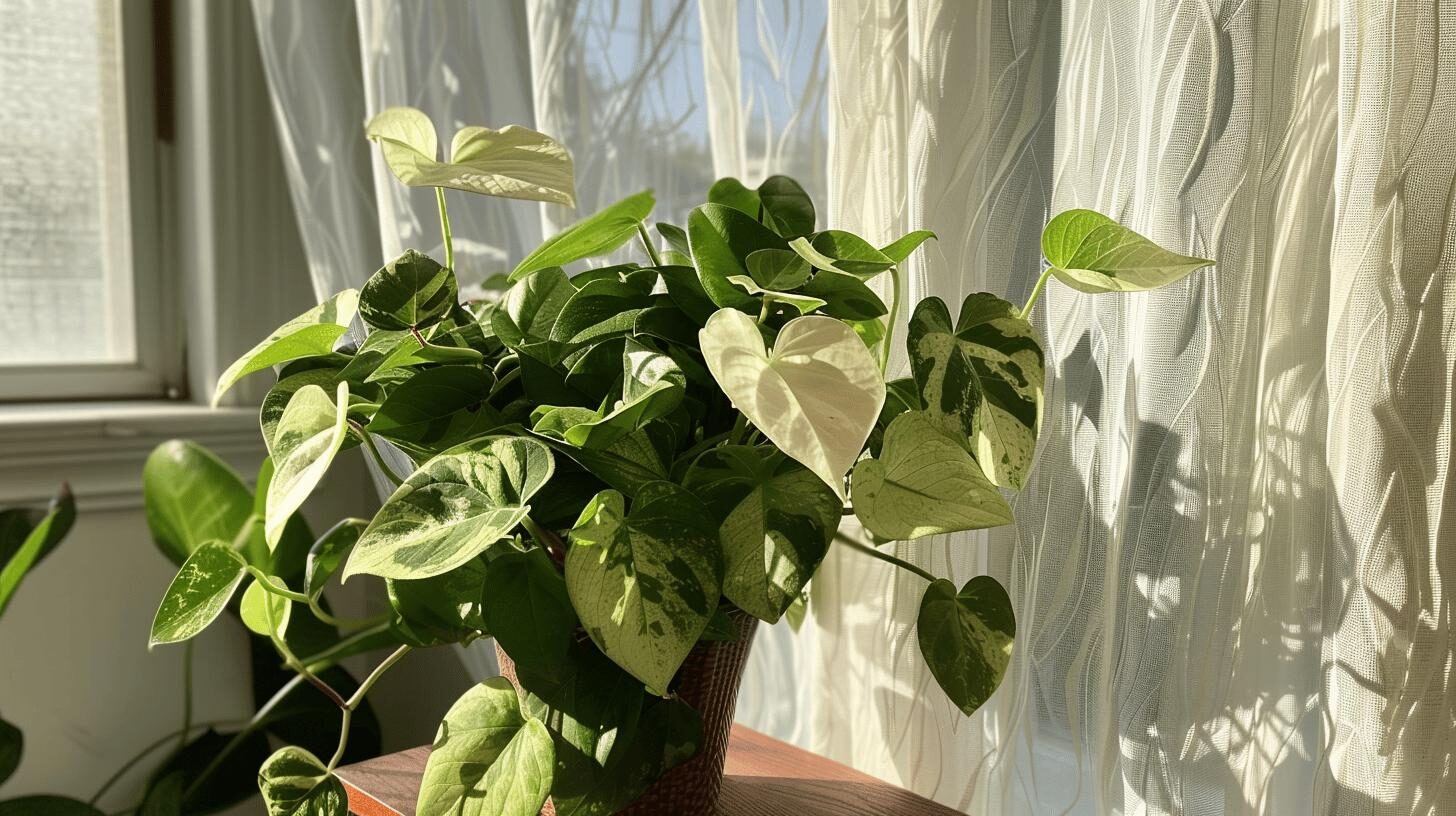
Arrowhead vine (Syngonium podophyllum) is the chameleon of the houseplant world—juvenile leaves are crisp arrowheads, then, as it matures and climbs, they often broaden and lobed shapes appear. It stays polite and compact if you pinch it, or turns into a graceful trailer or climber if you let it roam. Fast-growing, easy to propagate, and tolerant of a bit of neglect—until a few common pitfalls show up.
Below is a speedy, practical diagnosis flow to get yours back to glossy, vigorous health, plus clear, step‑by‑step fixes.
Quick care setup (so prevention is on your side)
- Light: Bright, indirect light is ideal; tolerates partial shade. Variegated forms want a brighter indirect spot. Avoid harsh direct sun.
- Temperature: Happy around 15–23°C (59–73°F). Keep it above about 12°C (54°F) to prevent chilling damage; leaf yellowing/drop becomes likely below ~5°C (41°F).
- Humidity: Prefers moderate to high. Kitchens/bathrooms are great; otherwise try a pebble tray, humidifier, or occasional morning mist.
- Water: Spring–autumn, water when the top layer dries—keep evenly moist, never soggy. In winter, water less (often every ~2 weeks).
- Soil: Loose, airy aroid mix—peat/coco base with perlite and/or bark; a touch of leaf mold/compost for richness.
- Style: Pinch tips at 15–20 cm to keep bushy; or train up a moss pole for tidier, taller growth. Roots easily from cuttings.
- Safety: Sap contains insoluble calcium oxalate—keep away from pets and children; sap may irritate skin and eyes.
The 60‑second Arrowhead Vine diagnosis
Start at the top and follow the first “yes” that fits what you see.
1) Is the potting mix staying wet for many days, or do you see yellowing/leaves dropping, a heavy sour-smelling pot, or mushy stems?
→ Low light and/or overwatering causing root stress.
2) Did temps dip below ~12°C (54°F) or is the plant near a chilly window/door draft? Sudden yellowing and leaf drop after a cold night?
→ Cold draft/chill injury.
3) Fine webbing, dusty stipples on leaves, dulled color—especially in dry air?
→ Spider mites.
4) Cottony white tufts in nooks or small brown “limpet” bumps; sticky honeydew?
→ Mealybugs or scale.
5) Circular tan/brown spots (often with yellow halos) or gray fuzzy mold on spent leaves or wounds?
→ Leaf spot or gray mold (Botrytis).
If none of the above: check light. Long internodes and stretched, pale growth point to inadequate light.
—
Root stress from low light or overwatering
What you’ll see
- Yellowing and leaf drop (often starting on older leaves)
- Pot stays wet too long; soil smells sour; algae on soil; possible fungus gnats
- Base of stems can soften; growth stalls
Why it happens
- In low light, the plant drinks slowly—constant wetness starves roots of oxygen and invites rot.
Step‑by‑step fix
1) Move to better light now: bright, indirect. For variegates, choose the brightest indirect spot you have.
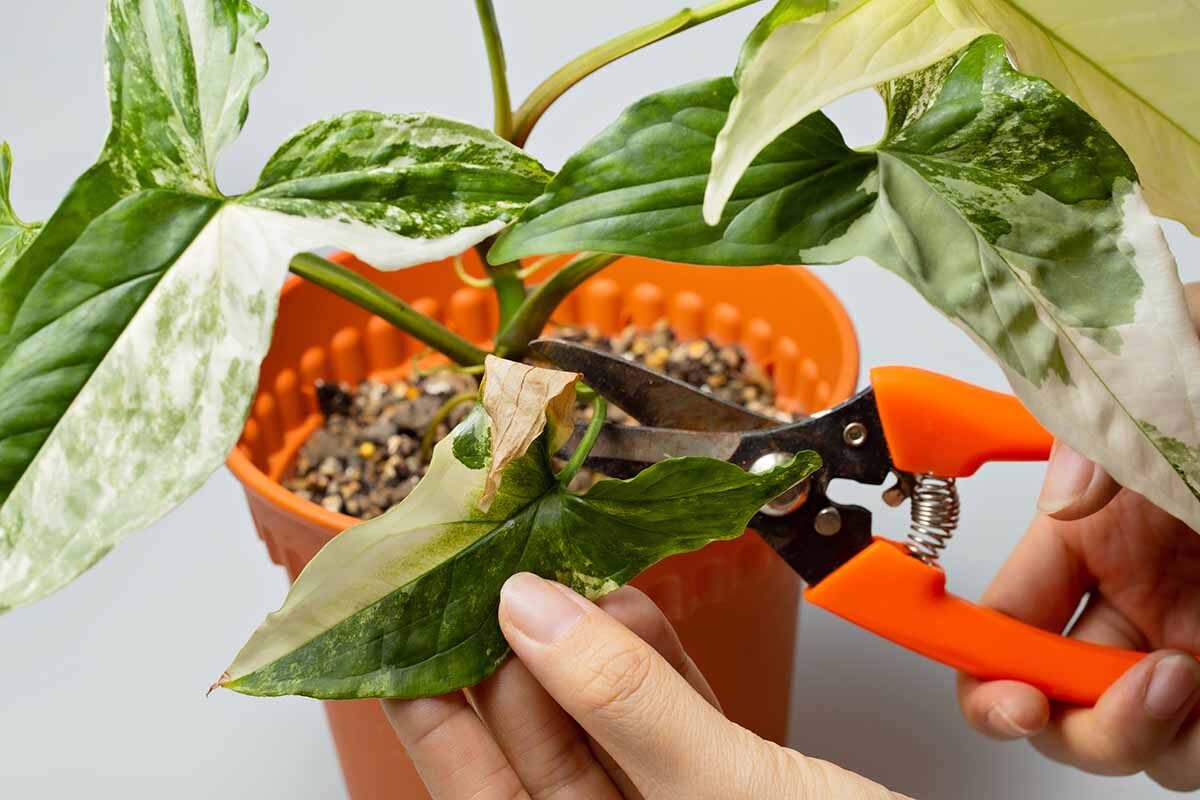
2) Unpot to inspect roots: trim mushy, brown roots back to firm, pale tissue with sterilized scissors.
3) Repot in fresh, airy aroid mix (coco/peat + perlite/bark). Choose a pot with drainage; only size up if truly rootbound—otherwise reuse the same size.
4) Water thoroughly once, then let the top layer dry before watering again. Never let the pot sit in a saucer of water. In cool rooms, water less frequently.
5) Boost gentle airflow and keep leaves dry late in the day.
6) Monitor: new leaves should be firm, green, and sized normally within a few weeks.
Pro tip: If your plant’s the size you like, skip upsizing and just refresh the top 2–3 cm (1 in) of mix each spring.
Cold drafts below 12°C (54°F)
What you’ll see
- Sudden yellowing and drop after a chilly spell
- Translucent patches or limp leaves near a cold window/door

Step‑by‑step fix
1) Relocate to a warm zone (ideal 15–23°C / 59–73°F) away from wintery glass and door drafts.
2) Insulate window sills, or pull the pot back from cold panes.
3) Hold watering slightly while cool; cold + wet roots compound damage.
4) Remove worst‑damaged leaves; healthy new growth resumes as temps stabilize.
Spider mites (common in dry air)
What you’ll see
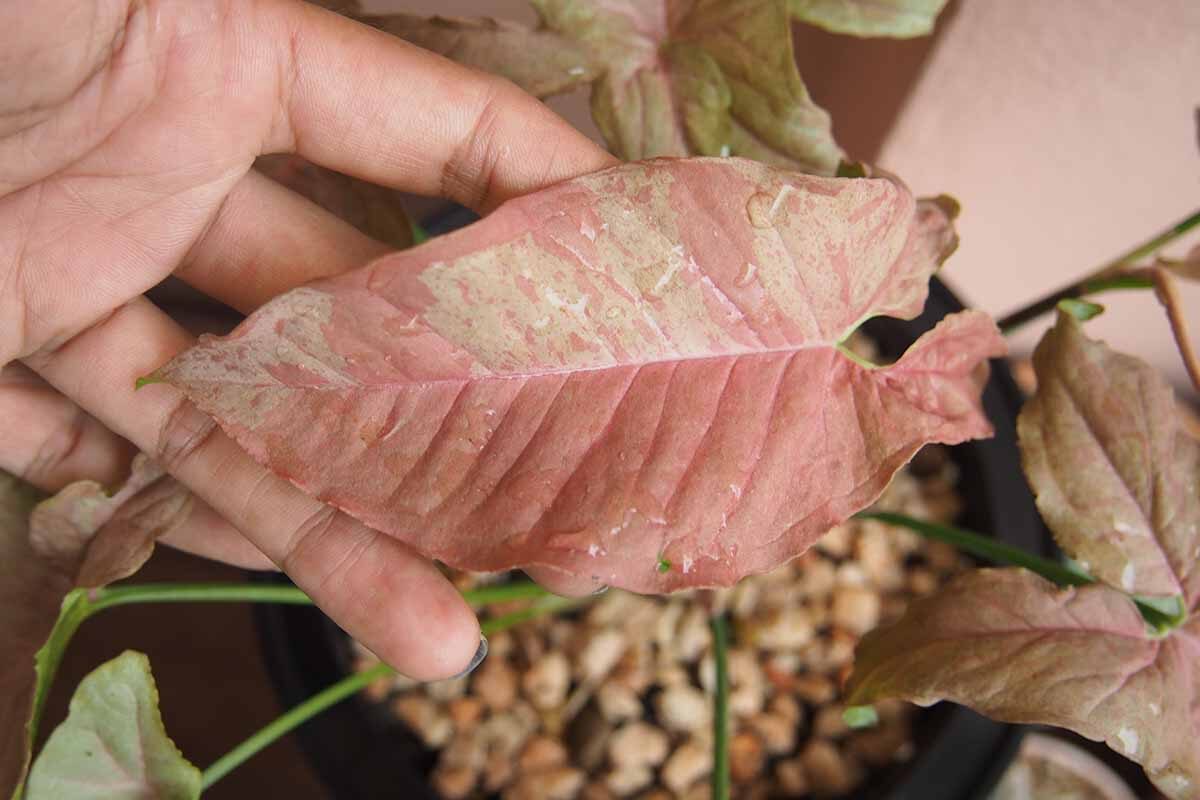
- Fine webbing in leaf axils, speckled/bronzed leaves, overall dullness
- “Tap test”: tap a leaf over white paper; tiny moving dots = mites
Step‑by‑step fix
1) Isolate the plant.
2) Rinse: take it to the sink/shower and wash leaves (especially undersides).
3) Treat: spray thoroughly with insecticidal soap or a horticultural oil (e.g., neem/rapeseed oil) per label. Coat leaf undersides and stems until lightly dripping.
4) Repeat treatments every 7 days for 3–4 cycles to catch new hatchlings.
5) Raise humidity (without keeping foliage wet at night) and add gentle airflow; wipe leaves weekly to deter reinfestation.
Mealybugs and scale
What you’ll see
- Mealybugs: white, cottony tufts in nodes and roots; sticky honeydew, stunted growth
- Scale: small tan/brown domes stuck to stems/leaf midribs; sticky residue
Step‑by‑step fix
1) Isolate and prune the most infested bits. Bag all debris.
2) Wipe: use a soft cloth to remove visible pests.
3) Treat: saturate all surfaces, crevices, and undersides with insecticidal soap or horticultural oil.
4) Repeat weekly for 3–4 weeks; inspect with good light.
5) Persistent problems? Check roots for root mealies during repotting; wash roots, then repot in fresh mix and a clean pot.
Leaf spot and gray mold (Botrytis)
What you’ll see
- Leaf spot: round to irregular tan/brown lesions, often with yellow halos; spots can be bounded by veins
- Botrytis (gray mold): fuzzy gray growth on damaged or old leaves/flowers, especially in stagnant, humid conditions
Step‑by‑step fix
1) Remove affected tissue back to healthy green. Bag and bin—don’t compost.
2) Increase airflow and space plants; a small fan on low works wonders.
3) Water the soil, not the leaves. Avoid wet foliage late in the day.
4) Keep the surface tidy—no fallen leaves sitting on the potting mix.
5) Sanitize shears between cuts.
6) If issues persist, a houseplant‑safe fungicide can supplement cultural fixes; always follow the label.
—
Repotting, airflow, and watering—your “root health” playbook
- Timing: Spring is best. Repot annually or when roots crowd the pot.
- Pot size: 10–15 cm (4–6 in) for small plants; 15–20 cm (6–8 in) for fuller specimens; 15–18 cm (6–7 in) for hanging baskets.
- Mix recipe: peat/coco + perlite/bark for drainage; a pinch of compost for nutrients. Aim for “light and springy,” not dense.
- Root tune‑up: It’s fine to trim older, circling roots on mature plants when repotting.
- Airflow: Think “gentle but consistent.” A low fan across the room prevents stagnant pockets without desiccating leaves.
- Watering rhythm: In active growth, water when the top layer dries (often weekly in warm rooms). In winter, slow down (often every ~2 weeks). Never leave the pot sitting in water.
Light and styling notes
- Bright, indirect light keeps leaves glossy and variegation crisp. North/east windows are great; use a sheer on hot south/west exposures.
- Want bigger, more mature leaves? Train the plant up a moss pole. Prefer a cascade? Let it trail from a shelf or hanging basket.
- Expect a size range: with frequent pinching it stays a compact 15–20 cm (6–8 in). Given support and time, it can stretch to about 90 × 60 cm (35 × 24 in).
Propagation and water culture
- Stem cuttings root fast in warmth—often in 10–15 days. Take pieces with 2–3 nodes and at least one node under the surface.
- You can root in water or directly in mix; pieces with aerial roots often pot up instantly.
- It can grow in water for extended periods, though long‑term vigor is best in a well‑aerated potting mix.
Safety and health
- Pests to watch: spider mites (dry air), mealybugs, scale; also occasional aphids and whiteflies.
- Diseases: leaf spot and Botrytis thrive in still, humid rooms with wet foliage. Keep air moving and leaves dry in the evening.
- Toxicity: All parts are toxic if chewed/ingested; sap may irritate skin/eyes. Keep out of reach of pets and children.
Symbolism: why Arrowhead Vine feels like a “fresh start”
In modern houseplant lore, this plant symbolizes growth, adaptability, and new beginnings—apt for a vine that rapidly shifts form from tidy arrowheads to more complex, lobed adult leaves as it climbs. Unlike old cultural flower languages, this meaning is contemporary and rooted in how the plant behaves at home: it’s quick to bounce back, easy to share via cuttings, and happy to take on new shapes with a little guidance—perfect for marking transitions and fresh chapters.
—
Your quick rescue checklist
- Brighter indirect light, steady warmth above 12°C (54°F)
- Water only when the top layer dries; never let soil stay soggy
- Airy aroid potting mix + pot with drainage
- Gentle airflow; keep leaves dry late in the day
- For pests: isolate, rinse, then treat with insecticidal soap or horticultural oil—repeat weekly 3–4 times
- For leaf spot/Botrytis: prune, ventilate, water the soil not leaves, tidy debris
- Repot in spring; refresh topsoil yearly if you’re keeping the same pot size
Dial in those basics, and Syngonium podophyllum will reward you with fresh, glossy growth—climbing, trailing, or staying delightfully compact, exactly the way you like it.