
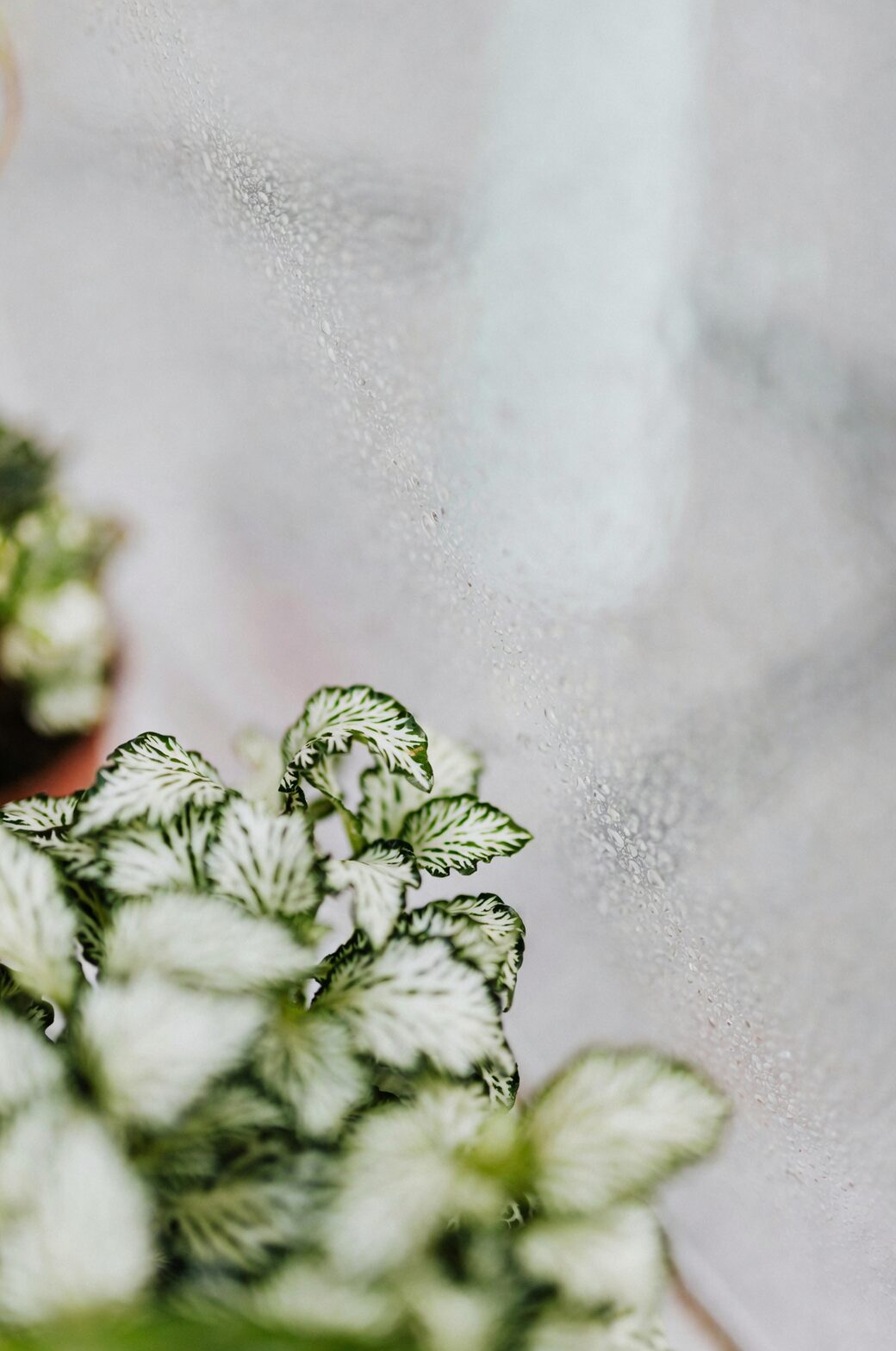
If your Nerve Plant (Fittonia verschaffeltii) is curling, yellowing, sticky, or suddenly looking cobwebby, don’t panic—your rainforest beauty is simply sending messages. This is a plant of tender, net-veined leaves from the warm, humid forests of Peru. It thrives on steady moisture, bright filtered light, and a cozy, draft-free spot. Below is a fast, symptom-first guide to decode what’s wrong and fix it step by step—especially in dry apartments where spider mites and watering mishaps love to strike.
Symptom-to-solution quick guide
- Curling, crisping leaves
- Most likely: Dry soil or low humidity
- Also possible: Early spider mites
- Do now: Rehydrate evenly, raise humidity, inspect undersides for tiny moving dots or fine stippling
- Yellowing leaves, soft stems, sour smell from soil
- Most likely: Overwatering leading to root/stem rot
- Do now: Unpot, trim mushy roots, repot in airy mix, reset watering
- Fine webbing, stippled leaves, sand-grain “dots” that move
- Diagnosis: Spider mites (worse in dry air)
- Do now: Rinse, treat with insecticidal soap or horticultural oil, raise humidity, repeat weekly
- Sticky leaves, shiny residue, black sooty mold, or tiny green/black bugs
- Diagnosis: Aphids (mobile) or scale (shell-like bumps)
- Do now: Rinse, wipe, spot-treat with alcohol, follow with insecticidal soap/oil, repeat
—
Curling and crisping: thirsty roots or dry air (and how to bounce back)
Fittonia is dramatic. Let it dry too much and leaves curl and flop to broadcast distress.
- Diagnose
- Check soil 2–3 cm deep: dry? You’ve found your culprit.
- Room RH under ~40%? That’s arid for a rainforest native.
- No webbing or moving dots? Then it’s likely not mites (yet).
- Fix, step by step
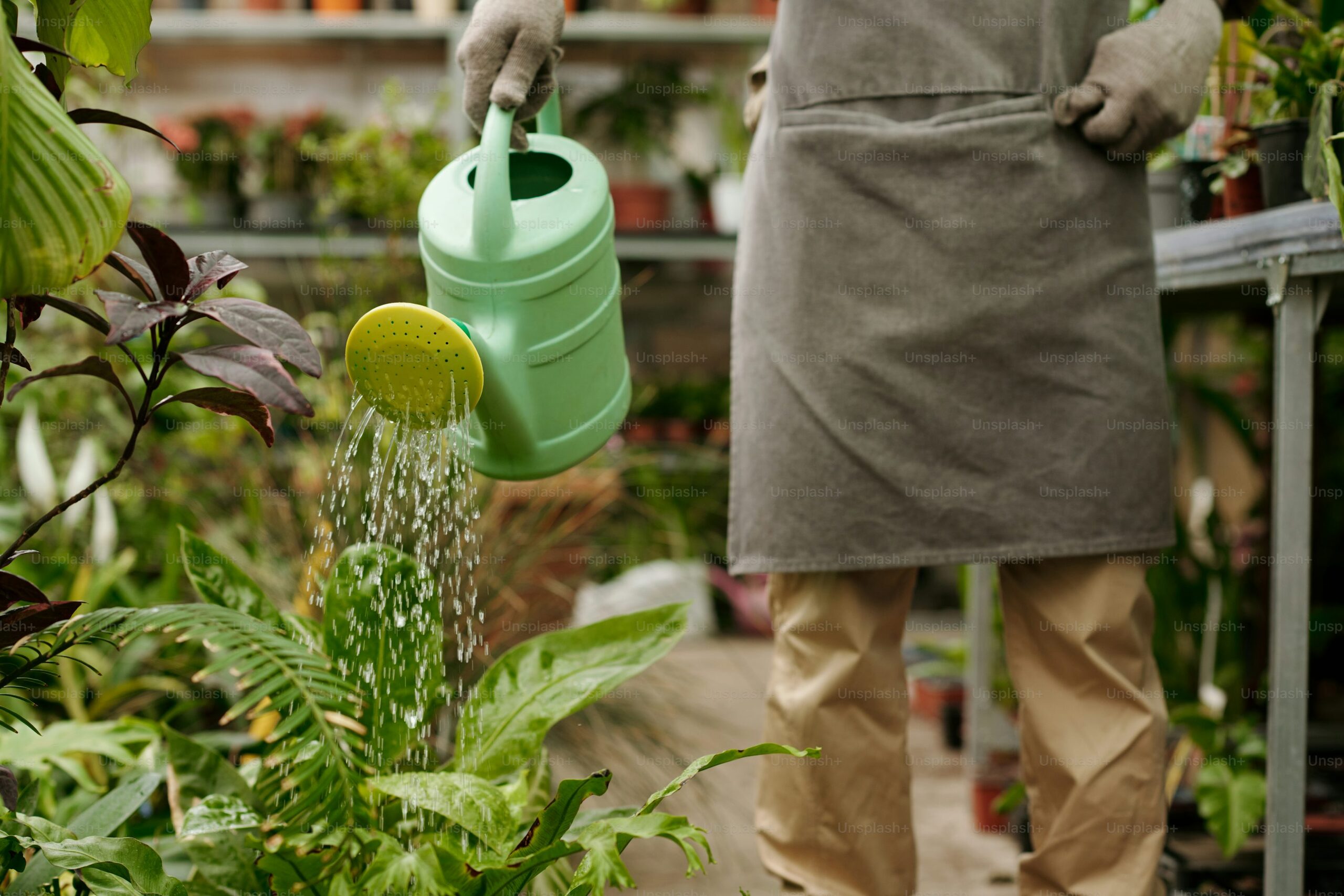
- Rehydrate gently: Bottom-water or slowly water from the top until the mix is evenly moist (not soggy). Let excess drain.
- Raise humidity to 50–70%+: Use a humidifier, pebble tray, or place your plant in a terrarium-style setup. Mist the air around the plant when very dry, but don’t leave leaves wet overnight.
- Bright, indirect light only: A sheer-curtained window is perfect; avoid direct sun that scalds thin leaves.
- Stabilize temperature: 18–25°C (64–77°F). Keep above 16°C (61°F) in winter, away from AC/heat vents.
- Prevention in dry apartments
- Keep the potting mix evenly moist; never let it fully bake dry.
- Use a smaller pot with a well-drained, humus-rich mix so the center doesn’t stay dry while edges stay wet.
Tip: If curling continues despite proper moisture and humidity, examine closely for tiny mites (see “Spider mites,” below).
—
Yellowing leaves and mushy stems: overwatering and rot rescue
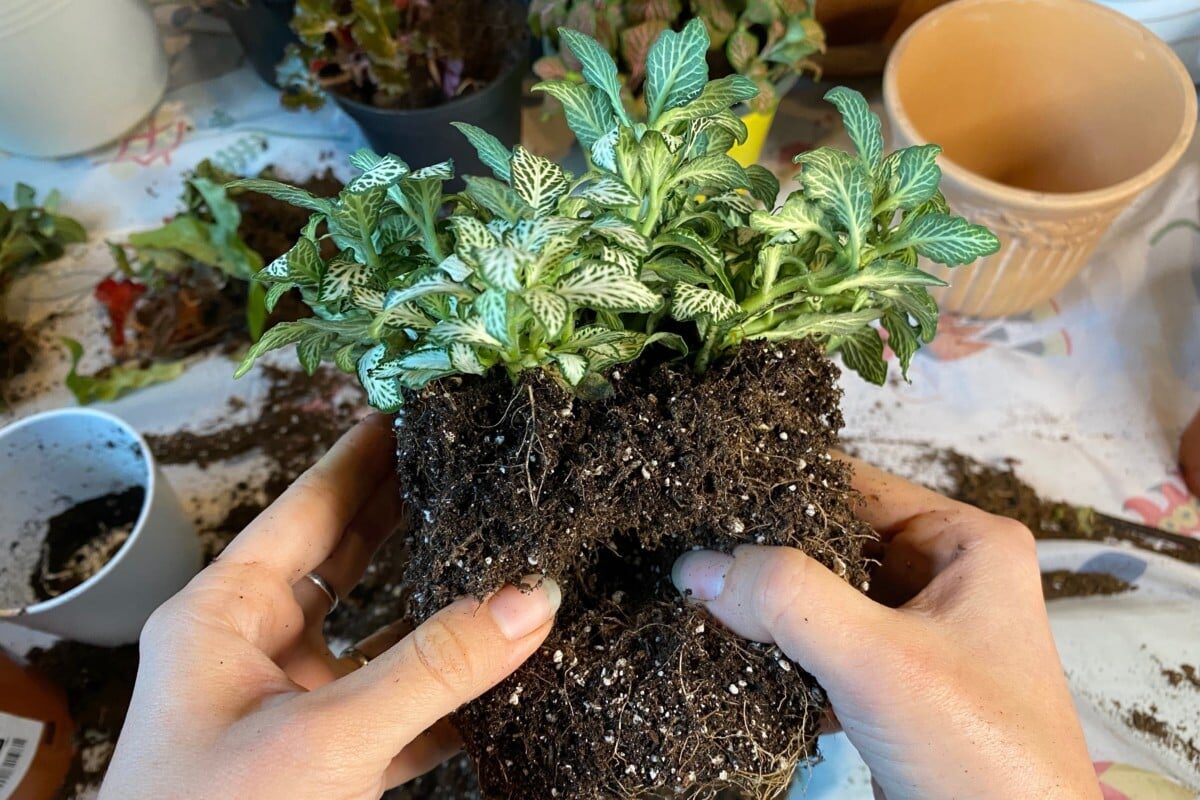
Yellowing, limp leaves paired with a heavy pot and sour smell point to soggy soil and root/stem rot.
- Diagnose
- Gently unpot: Healthy roots are tan to white and firm. Brown, mushy, or foul-smelling roots indicate rot.
- Fix, step by step
- Trim and clean: Sterilize scissors. Remove all mushy roots and any rotten stem sections.
- Repot fresh: Use a rich, well-drained mix (peat- or leaf-mold–based) amended with perlite/coarse sand. Choose a snug pot with a drainage hole.
- Reset watering: Water to evenly moisten, then let the top 1–2 cm dry slightly before watering again. Never leave the pot sitting in runoff.
- Improve airflow and warmth: Keep above 16°C (61°F). Gentle air movement helps the surface dry evenly.
- Light rehab: Bright, filtered light speeds recovery; avoid low light, which slows drying and encourages rot.
- If rot is advanced
- Take tip cuttings (10 cm/4 in with 3–4 nodes) from healthy stems, remove lower leaves, and root in a moist peat-based mix. Fittonia roots in 2–3 weeks around 20°C (68°F).
—
Fine webbing and stippling: spider mite smackdown
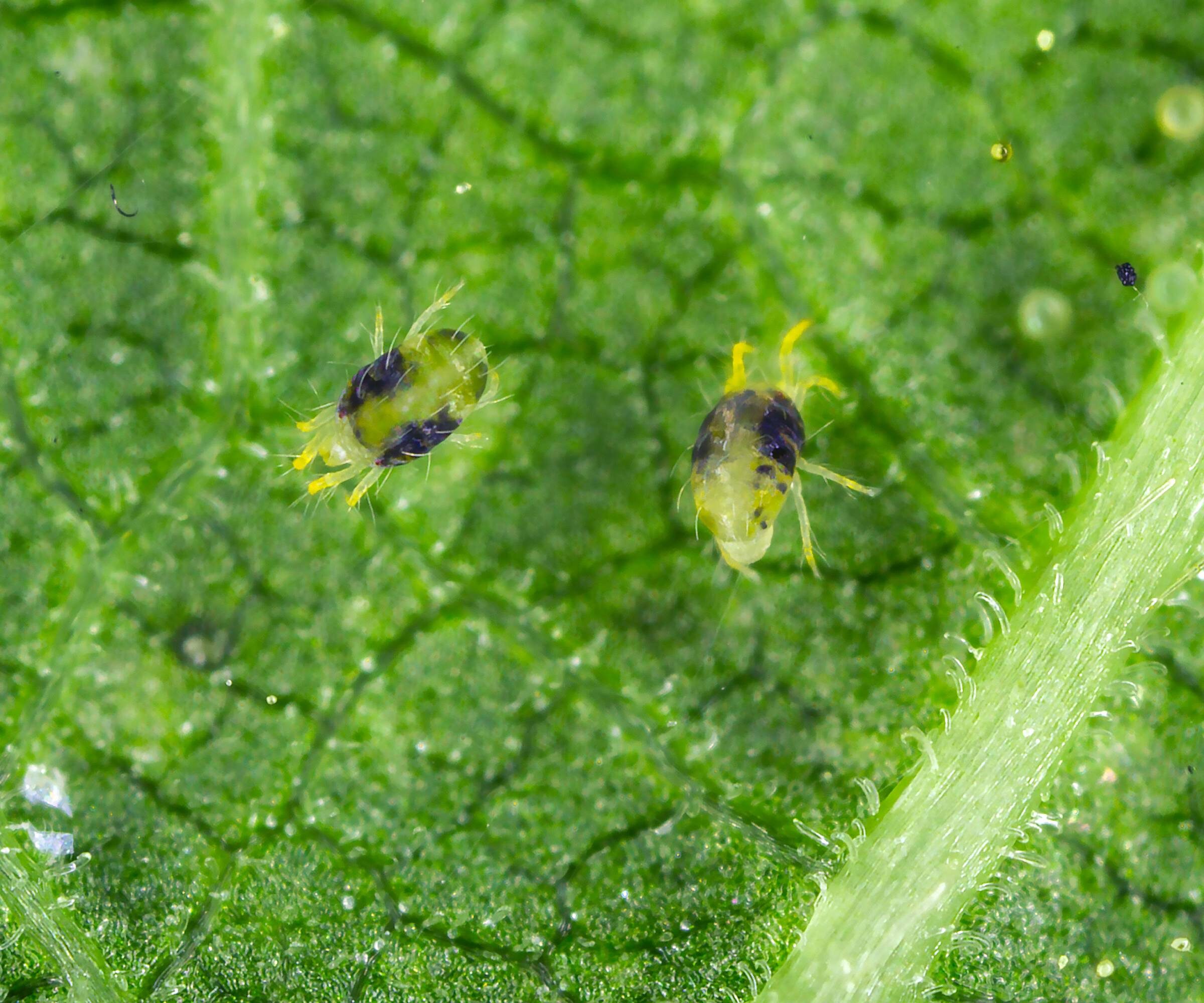
Spider mites love dry, warm rooms and dusty leaves. On Fittonia, they cause tiny pale speckles, leaf dullness, and faint webbing at nodes or between leaves.
- Confirm
- Tap a suspect leaf over white paper; you’ll see pepper-like specks that move.
- Fix, step by step
- Isolate the plant from others.
- Rinse thoroughly: A lukewarm shower or sink sprayer under and over leaves to knock mites off.
- Treat on contact:
- Insecticidal soap (potassium salts of fatty acids) or horticultural oil (including neem-based) works when sprayed directly on pests. Coat leaf undersides and stems.
- Always use a commercial product labeled for houseplants. Avoid homemade dish-soap mixes; they can burn foliage.
- Patch-test: Spray a few leaves first and wait 48–72 hours for any leaf spotting or burn.
- Repeat: Re-spray every 5–7 days for 3–4 cycles to catch newly hatched mites (these products have no residual after drying).
- Raise humidity to 50–70%+ and keep dust off leaves; this slows mite buildup.
- Pro tips for soaps and oils
- They work only on direct contact; thorough coverage matters.
- Avoid spraying in hot, direct sun or on drought-stressed leaves.
- Some plants are sensitive at high concentrations; many products note 1.5–3% as typical ranges—follow your label exactly.
—
Sticky leaves and sooty mold: aphids or scale
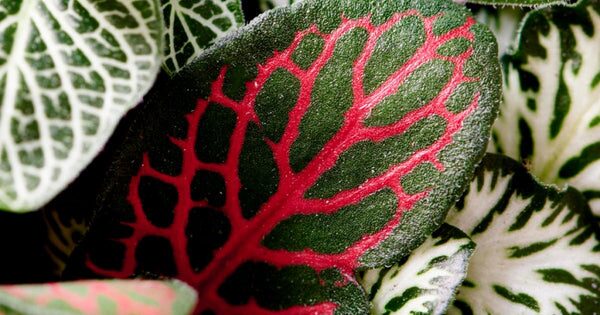
Sticky “honeydew” is sap that pests excrete. It can grow black sooty mold and attract dust.
- Aphids
- Clues: Clusters of soft, pear-shaped insects (green, yellow, black) on new growth; curling tips; sticky leaves.
- Steps:
- Isolate and rinse: Wash off colonies with a firm spray.
- Wipe honeydew: A damp cloth removes residue and sooty mold.
- Spot-treat: Dab stubborn clusters with cotton swabs in 70% isopropyl alcohol.
- Follow with insecticidal soap or horticultural oil; cover undersides and nodes.
- Repeat weekly 2–3 times.
- Scale
- Clues: Hard or waxy bumps stuck to stems/leaf midribs; may not move when prodded; sticky residue present.
- Steps:
- Gently scrape or lift individual scales with a fingernail or swab dipped in alcohol.
- Treat crawlers (the mobile young stage) with insecticidal soap or oil—coverage is key.
- Repeat every 7–10 days for several cycles.
Note: On all pests, remove heavily infested leaves, and improve airflow and humidity to favor Fittonia over the bugs.
—
The ideal daily rhythm: keep it “evenly moist,” never soggy
Fittonia’s thin, netted leaves don’t tolerate extremes.
- Watering
- Keep the mix evenly moist during active growth; don’t let it fully dry out. In winter, water a bit less—but never let the pot go bone-dry. Water at midday in cool seasons, and keep the room above 16°C (61°F).
- Light
- Bright, indirect light to partial shade. A sheer curtain is your best friend; direct sun can scorch.
- Temperature
- 18–25°C (64–77°F). Keep away from drafts, heaters, and AC.
- Humidity
- Aim for 50–70%+. Pebble trays, humidifiers, or terrariums are perfect solutions.
- Soil and pot
- Use a rich, humus-heavy, well-drained mix with perlite/coarse sand. Repot yearly in spring; trim leggy growth.
—
Prevention playbook for dry apartments
- Humid microclimate
- Group plants, run a humidifier, or place Fittonia in a terrarium or cabinet with vented airflow.
- Weekly leaf check
- Inspect undersides with a hand lens; tap-test for mites. Early catches are easy wins.
- Dust control
- Rinse foliage monthly; clean leaves discourage mites and improve photosynthesis.
- Watering discipline
- Learn the pot’s “feel” when evenly moist versus dry. Bottom-water occasionally to ensure even hydration, but always drain.
- Quarantine newcomers
- Keep new plants separate for 2–3 weeks; treat proactively if you spot pests.
- Gentle handling
- Leaves bruise and scuff easily. Rotate by the pot, not by the foliage.
- Feed lightly
- In spring–summer, use a diluted balanced fertilizer every ~2 weeks once you see new growth. Avoid fertilizer on leaves.
—
When to prune, propagate, or restart
- Pinch tips to keep it compact and bushy.
- Remove yellowing leaves promptly.
- Easy from cuttings: Take 10 cm (4 in) stem tips in spring, with 3–4 nodes; root in a moist peat-based mix around 20°C (68°F). Many growers refresh older pots after ~2 years for a fuller look.
—
Safety note and pet-friendliness
Fittonia is generally considered non-toxic to cats and dogs. Curious nibbling may still cause mild stomach upset in sensitive pets, so placement matters.
—
A tiny nod to symbolism
Nerve Plant is sometimes linked with Virgo and said to symbolize rationality and wisdom—fitting for a leaf whose bright veins map out like a living circuit. While houseplant “flower language” lore is largely modern and interpretive, the association here speaks to what Fittonia demands from us: consistency, balance, and attention to fine details.
—
Fittonia at a glance
- Common names: Nerve Plant, Mosaic Plant (Fittonia verschaffeltii)
- Origin: Tropical rainforest regions of Peru
- Size: 10–20 cm tall, spreading 20–30 cm; creeping/trailing habit
- Light: Bright, indirect; avoid harsh sun
- Water: Evenly moist, never waterlogged
- Humidity: 50–70%+
- Temperature: Best at 18–25°C; keep above 16°C in winter
- Pests/diseases to watch: Spider mites, aphids, scale; root/stem rot in soggy soil
With steady warmth, soft light, and moist-but-aerated roots, your Nerve Plant will quickly forgive any tantrums. Let the veins glow, not the warning signs—and enjoy that rainforest calm right on your desk.