
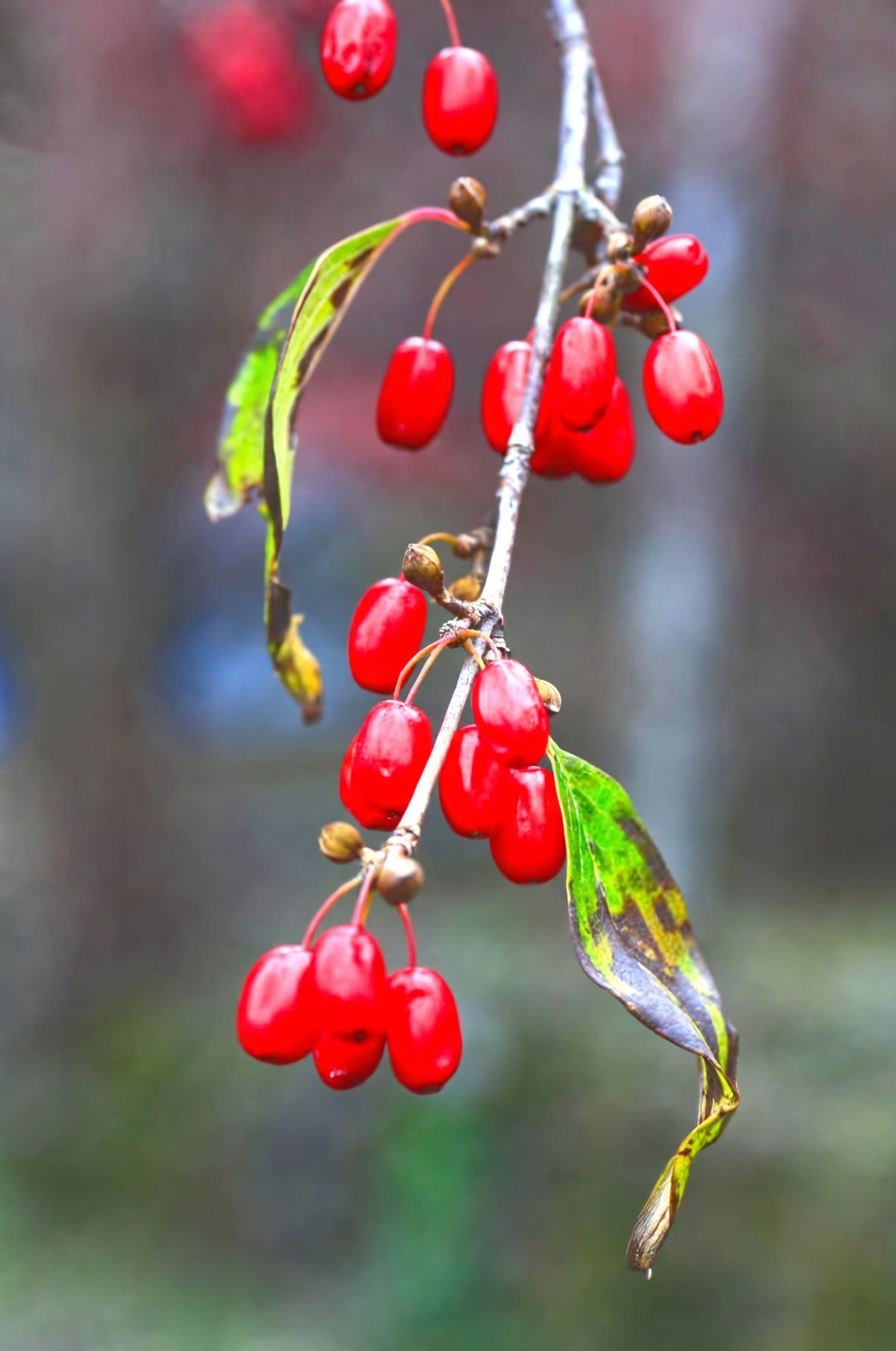
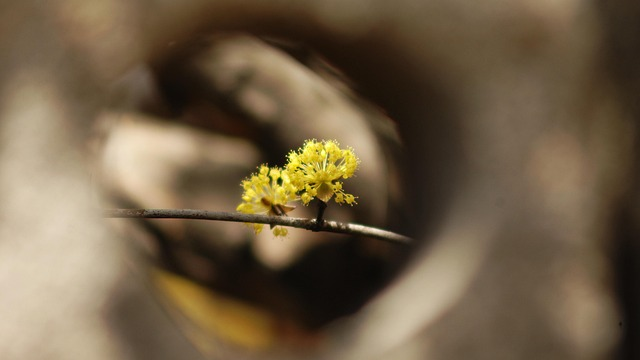
Imagine a late-winter cloud of sun-yellow blossoms, months before the rest of the garden yawns awake. By fall, those same branches drip with glossy, olive-shaped, lipstick-red drupes—tart little powerhouses begging to be transformed. That’s Cornus officinalis Siebold & Zucc., known as Japanese Cornel (山茱萸), an early-blooming dogwood adored across East Asia and increasingly coveted by flavor-hunters for its bright, cranberry-meets-sour-cherry zing. Here’s how to harvest, prep, and coax its tang into head-turning preserves, drinks, and desserts—safely, deliciously, and with plenty of textural finesse.
Meet the fruit (and the plant)
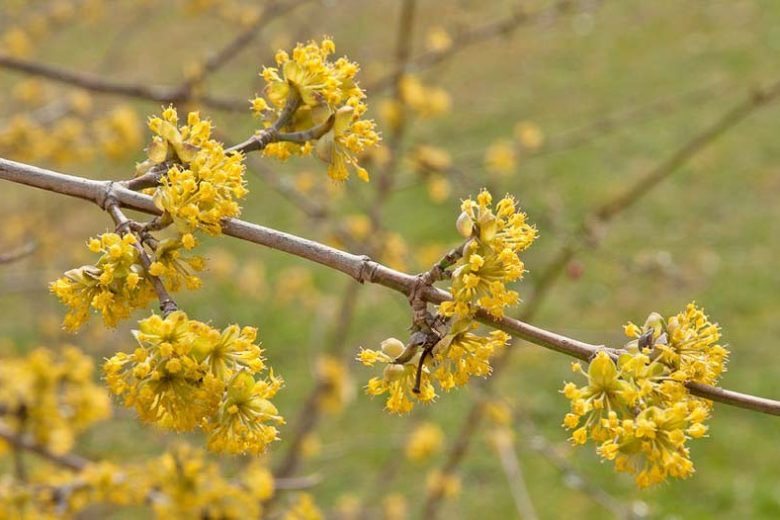
- Botanical snapshot: Cornus officinalis, family Cornaceae; a deciduous large shrub/small tree with four-season appeal—late-winter yellow blooms, tidy summer canopy, fiery fall color, and handsome exfoliating bark in winter.
- Origin and range: Native to north-central and southeastern China; long cultivated and introduced in Japan and Korea.
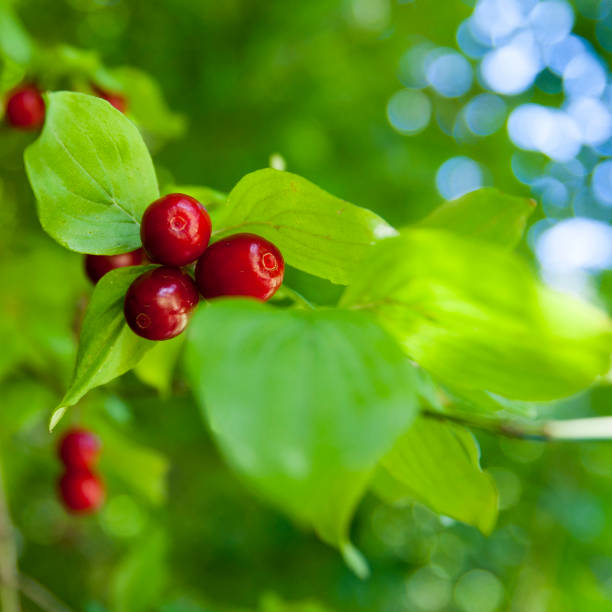
- Fruit: Glossy, red, olive-shaped drupes in fall. Edible but notably tart fresh—best cooked, preserved, or infused.
- Names you’ll see: Japanese Cornel, Chinese Cornelian Dogwood, Japanese Cornelian Cherry (and their variants); in Chinese, 山茱萸 (Shānzhūyú); in Korean, sansuyu.
When and how to harvest
- Timing: Harvest in fall once fruits are fully red and just beginning to soften. Japanese cornel often blooms very early and its fruits tend to ripen on the later side compared with some related species.
- Ripeness cues: Uniform deep red skin, glossy sheen, and a gentle “give” when pressed. A tart aroma is a good sign.
- Technique:
- Tarp-and-shake: Spread a sheet under the shrub and gently shake branches; ripe fruits drop cleanly.
- Hand-pick: Twist off without tearing stems. Collect in shallow trays to avoid bruising.
- Sort: Discard underripe orange fruits (too astringent) and any bird-pecked or moldy ones.
- Quick field care: Refrigerate promptly. Or freeze in a single layer—freezing helps soften flesh for processing and can slightly temper astringency.
Prep basics: from pitty drupes to silky purée
These fruits have thin skin, soft flesh, and a hard central stone. The goal is to separate pit and skin while capturing that vivid juice.
- Simmer-and-mill method (best for jam, jelly, sorbet):
- Rinse and drain. Add to a pot with just enough water to prevent scorching.
- Simmer 10–15 minutes until skins split and flesh slumps.
- Pass through a food mill or fine sieve to remove pits and most skins. You’ll get a thick, crimson purée.
- Juice-first method (best for jelly, shrub, and drinks):
- Warm with water, mash, and strain through a jelly bag overnight.
- Gently press to extract more juice, avoiding too much pulp if you want jewel-clear results.
- Freeze-thaw shortcut: Freeze whole fruit, then thaw before simmering; cells rupture and release juice more readily.
- Drying option: De-stem and dry at low heat (or with a dehydrator). Rehydrate for teas and syrups, or grind to incorporate into doughs and confections.
Tip: Don’t crush pits; they’re very hard and bitter. Always strain well.
Balancing the tartness: your texture-and-flavor playbook
- Sweeteners:
- White sugar for clarity and sparkle.
- Honey for floral bass notes.
- Dark sugars (demerara, jaggery) for molasses depth in chutneys or glazes.
- Acid management:
- A small squeeze of lemon brightens jelly; apple juice adds softness.
- A touch of vinegar transforms the fruit into an elegant shrub for cocktails and spritzers.
- Fat and dairy:
- Swirl cornel purée into yogurt, cheesecake, or mascarpone for a velvet cushion against the tang.
- Herbs and spices:
- Warm: cinnamon, star anise, ginger, vanilla.
- Savory: rosemary, Sichuan pepper’s citrusy hum, black sesame for nutty counterpoint.
- Texture tricks:
- For glossy jelly, use strained juice and pectin; for jam, keep a little pulp for body.
- Combine with apple or quince to boost natural pectin and structure when setting preserves.
- For sorbet, aim for a syrup that tastes slightly too sweet at room temp—it will read just right when frozen.
Kitchen projects worth making on a crisp weekend
Small-batch refrigerator jelly (clear and brilliant)
- Make juice: Simmer 1 kg fruit with 500 ml water, strain overnight.
- Measure juice, then add sugar at about 75–85% of juice weight (adjust to taste). Add lemon to balance (about 1–2 tsp per 500 ml).
- Add pectin if needed (especially for very ripe fruit). Boil to gel point. Jar hot; cool and refrigerate. Keeps 3–4 weeks chilled.
Korean-style sansuyu syrup (cheong)
- Layer de-stemmed, rinsed fruit with equal weight sugar in a sterilized jar (e.g., 500 g fruit + 500 g sugar).
- Weigh down fruit so it stays submerged as sugar dissolves.
- Hold cool or refrigerated; stir daily for 1–2 weeks until a ruby syrup forms. Strain or leave fruit in.
- Use: Stir into hot water for tea, drizzle over pancakes or shaved ice, or splash into soda.
Crimson shrub concentrate (for sodas and cocktails)
- Combine equal parts strained cornel juice and sugar; heat to dissolve.
- Cool, then add 20–40% good vinegar (rice, apple, or white wine) to taste.
- Rest 48 hours for flavors to meld. Serve 1:5 with sparkling water, or mix with gin, vodka, or zero-proof spirits.
Cornel sorbet or granita
- Blend 2 cups cornel purée with 1 cup simple syrup (1:1 sugar:water), a pinch of salt, and 1–2 tsp lemon juice.
- Churn as sorbet, or freeze in a shallow tray and scrape for granita. Finish with candied ginger or a vanilla cream dollop.
Jammy swirl cheesecake or parfaits
- Reduce sweetened purée until spoonable and glossy. Marble into baked cheesecake, or layer with thick yogurt, toasted oats, and black sesame.
Fruit leather or pâte de fruit (for snacking and gifting)
- Cook purée with sugar (about 70–80% of purée weight). Add apple pectin if aiming for pâte de fruit cubes.
- For leather, spread thinly on lined trays; dry low and slow until pliable. Roll with a dusting of fine sugar.
Cordial or liqueur infusion
- Lightly crush thawed fruit to split skins (don’t crack pits). Cover with neutral spirit or rice wine.
- Add optional vanilla or citrus peel. Infuse 3–6 weeks cool and dark; strain and sweeten to taste.
- Sip neat, splash into spritzers, or use as a dessert drizzle.
Regional inspirations to spark your menu
- China (山茱萸): The fruit has a long history in traditional preparations. Think honeyed syrups, ruby jellies, and fruit wines; brush a glossy cornel glaze on roast duck or pork, balancing with soy, ginger, and a whisper of star anise.
- Korea (sansuyu): Villages celebrate spring bloom and fall fruit; make sansuyu-cheong for teas and coolers, or a warm sansuyu-cha by stirring syrup into hot water with a slice of ginger.
- Japan: Play with wagashi-style ideas—set a clear kanten (agar) jelly marbled with cornel syrup, or layer a delicate milk pudding with a tart cornel coulis.
Note: These are inspirations that honor regional uses and aesthetics; local households vary in how they prepare the fruit.
Safety notes and smart handling
- Edibility: Not known to be toxic to people or pets. Fruits are edible but quite tart when fresh.
- Identification matters: Harvest only from correctly identified Cornus officinalis. When in doubt, consult a local expert.
- Start modestly: As with any unfamiliar food, try small amounts first and avoid large quantities until you know your tolerance.
- Pits: Do not crush; discard after cooking/straining. They’re hard and unpleasantly bitter.
- Kids and pets: Whole fruits and pits can be a choking hazard—keep processing and storage mindful.
- Cleanliness: Rinse well; avoid fruits with mold or extensive bird damage. Refrigerate preserves and syrups if not fully processed for shelf stability.
Growing your own pantry supply (quick guide)
- Site: Full sun to light shade; full sun boosts bloom and fruit set. In hotter regions, light afternoon shade reduces stress.
- Climate: USDA Zones 5–8; happiest around 60–75°F (15–24°C) and appreciates winter chill.
- Soil and water: Fertile, well-drained loam; keep evenly moist (not soggy), especially while establishing.
- Care: Light feeding in the growing season; prune just after flowering (late winter to early spring bloom means you’ll cut off next year’s buds if you wait too long).
- Payoff: A four-season ornamental that rewards you with fall fruit for preserves, drinks, and desserts—and a garden show from February’s “gold mist” to winter’s peeling bark.
A note on symbolism
In East Asian cultural contexts, Japanese cornel is often linked with longevity, vitality, and prosperity—fitting for a plant that flowers when the world still feels wintry and then bears generous, vivid fruit. While “flower language” or hanakotoba-style meanings are not standardized like a dictionary, this association springs from the plant’s early bloom (resilience) and long-standing value of its fruit in traditional preparations (sustenance and wellbeing).
Flavor pairing cheat sheet
- Fruits: apple, pear, quince, citrus zest
- Spices: cinnamon, star anise, ginger, vanilla
- Herbs: rosemary, mint (use lightly)
- Sweeteners: white sugar, honey, demerara
- Savory allies: soy, miso, black vinegar for glazes
- Creamy foils: yogurt, mascarpone, panna cotta
Bring home a basket of Japanese cornel this fall, and you’ll find it behaves like the best kind of kitchen friend: bracing and bright on its own, generous and versatile in good company, and unforgettable once you learn its textures and temper. With a few smart techniques and an eye for balance, those tart red drupes become the most exciting red in your pantry.