
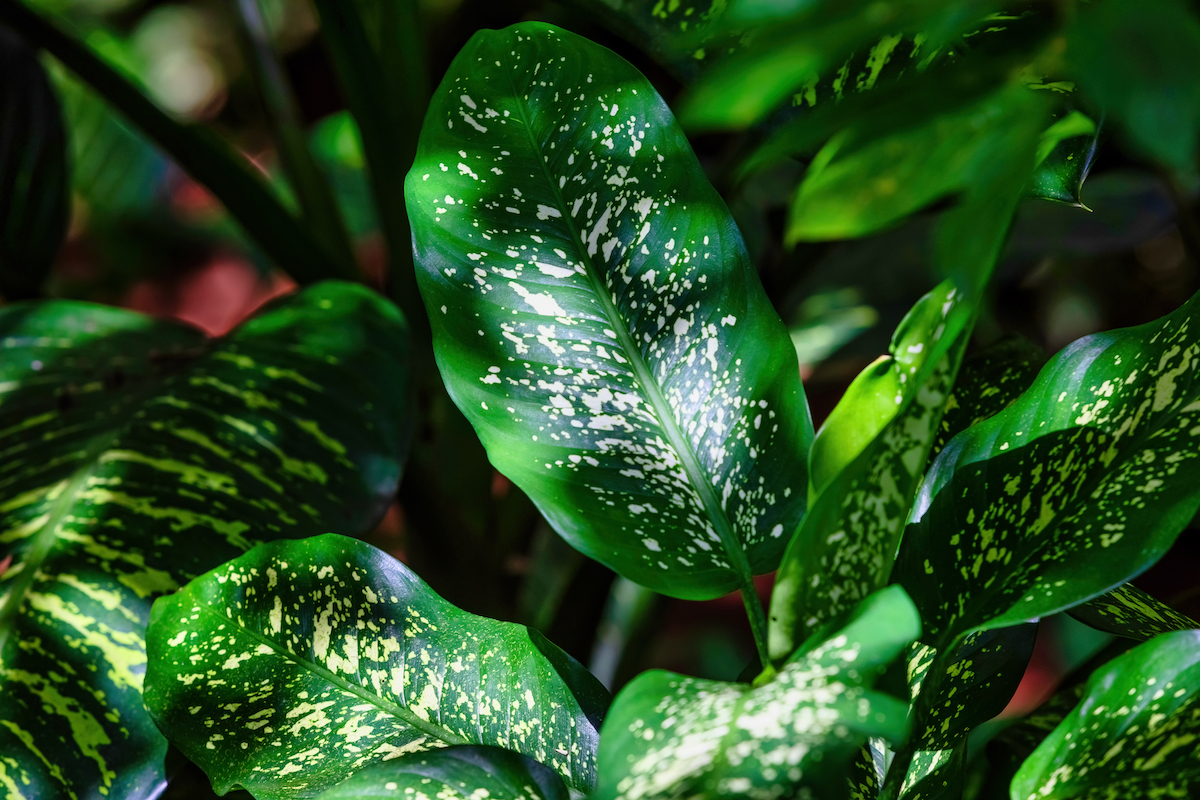
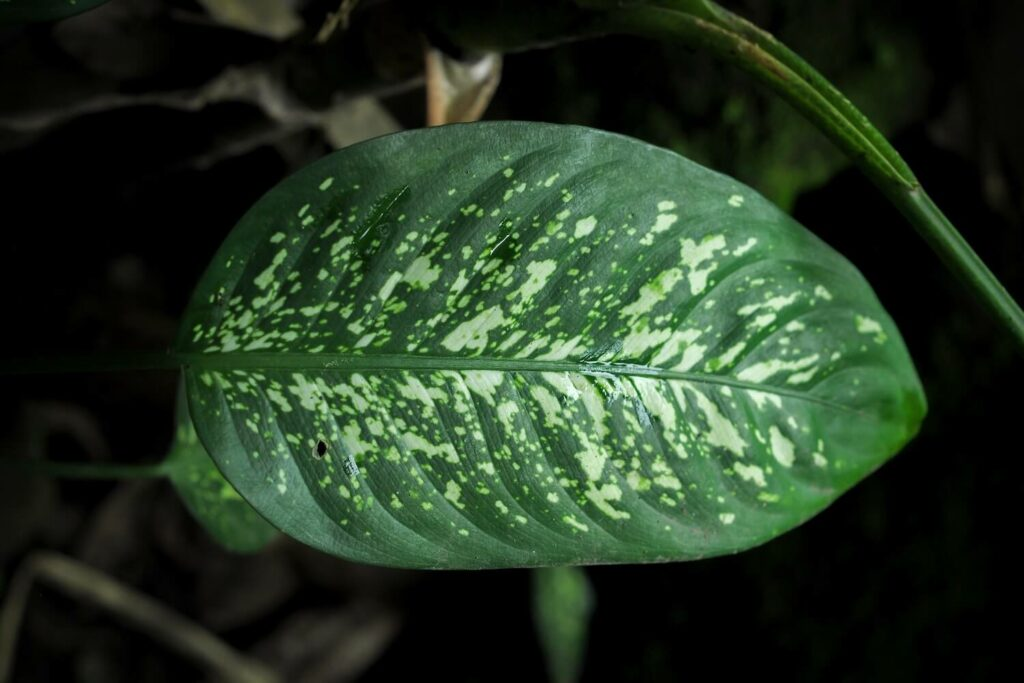
Beneath the broadleaf canopies of the Caribbean and the humid forests of Central and northern South America, a plant learned to make the most of dappled light. Its leaves—splashed with creamy speckles and streaks—seemed to hold little shards of sunlight. That understory native, Dieffenbachia seguine, would go on to conquer sitting rooms and office lobbies worldwide, one glossy leaf at a time.
In the shade where it began
Dieffenbachia seguine is a cane-forming aroid from the tropical Americas—especially the Caribbean, Central America, and the northern reaches of South America. In habitat, it stands upright like a green totem: stout canes lifting large, ovate leaves patterned in painterly blots of white, cream-yellow, or pale green.
- Growth habit: upright, cane-like stems that become more “tree-ish” as lower leaves naturally shed with age.
- Size indoors: typically 0.9–1.5 m (3–5 ft) tall and about 1.0 m (3.3 ft) wide; with time and excellent care, older plants may push toward 3 m (10 ft).
- Flowers: the classic aroid inflorescence—a pale spathe around a spadix—appears occasionally in warm, bright, humid conditions, but blooms are uncommon and not the main show.
From Schönbrunn with love: how it got its name
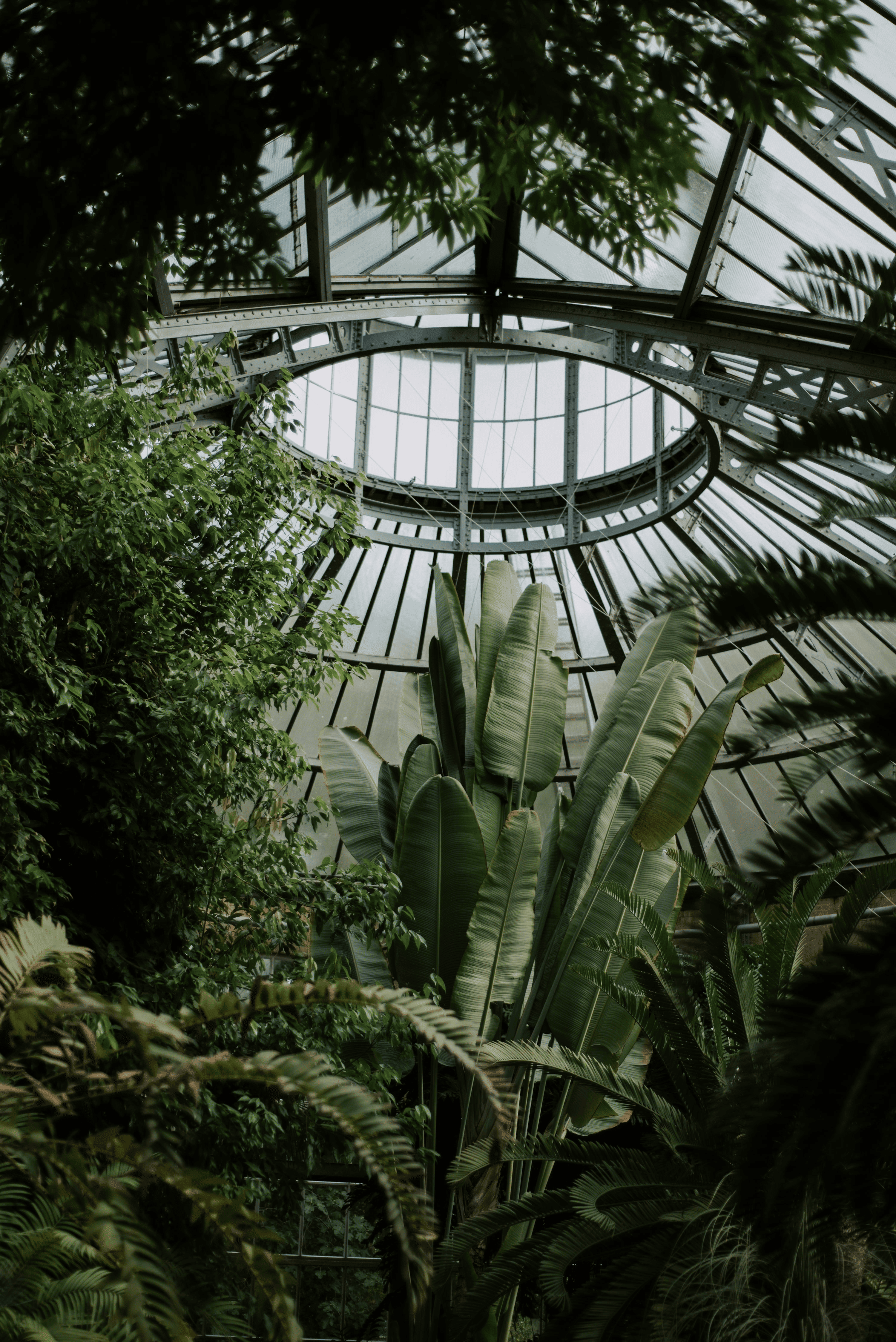
In the 19th century, Vienna’s botanical scene was abuzz with tropical novelties. The Austrian botanist Heinrich Wilhelm Schott, a leading authority on aroids, named the genus Dieffenbachia in honor of Joseph Dieffenbach (1790–1863), the esteemed head gardener and later administrator at the Royal Palace Gardens of Schönbrunn. It’s said that Dieffenbach himself brought D. seguine to Austria from Brazil around the 1830s—a fitting origin story for a plant that would become a darling of European glasshouses and, later, living rooms across the globe.
The nickname that stuck: why “dumb cane”?
Common names follow rumors, sensations, and the lessons we learn the hard way. “Dumb cane” refers to an immediate, painful reaction caused by chewing the plant’s tissues. Its sap is loaded with microscopic, needle-like calcium oxalate crystals (raphides) that can:
- cause intense burning in the mouth and throat
- trigger swelling and drooling
- temporarily impair speech
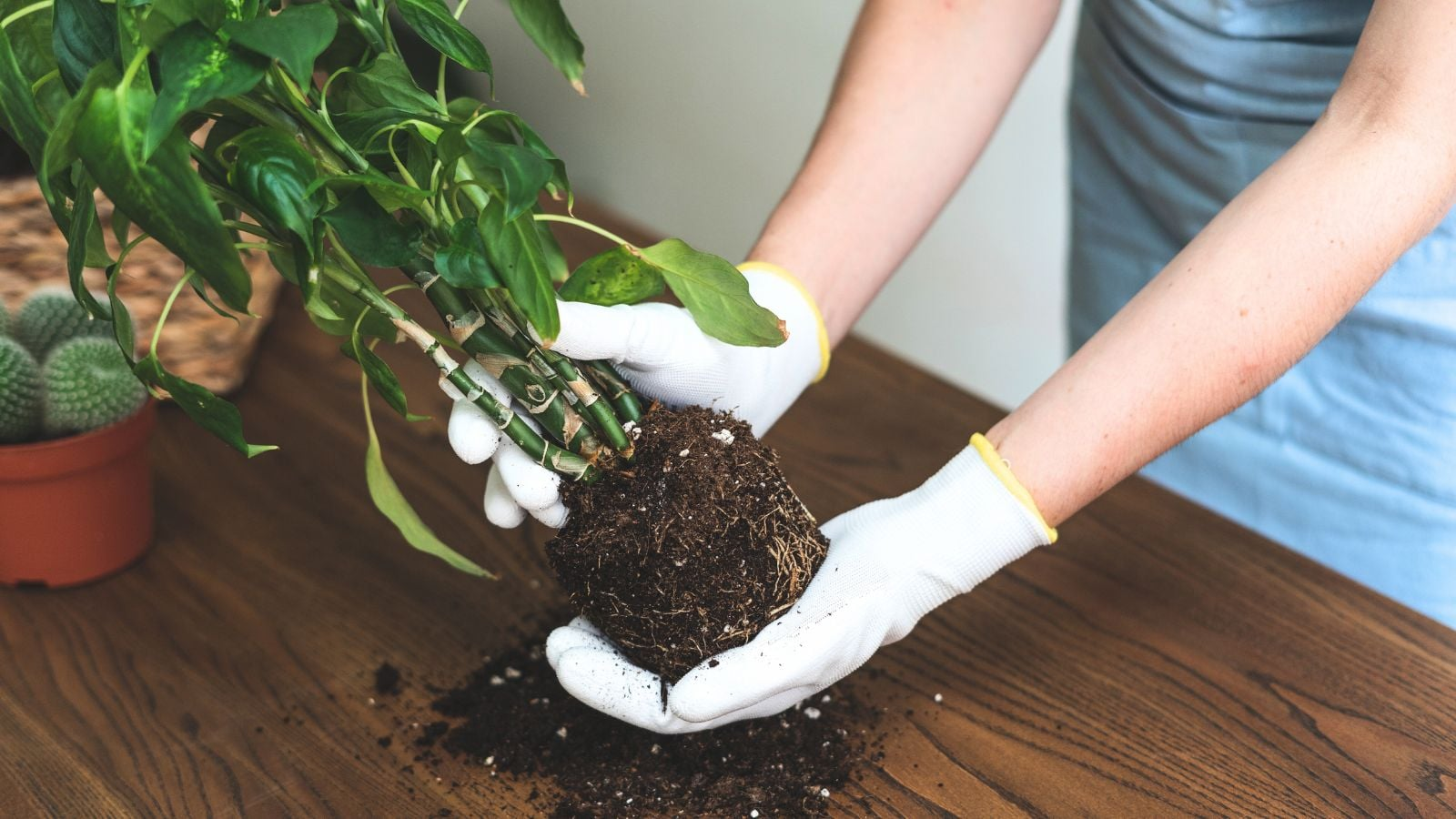
This is why even a curious nibble is a very bad idea—for people and pets alike. Wear gloves when pruning, keep it out of reach of children and animals, and avoid getting sap in your eyes.
A difficult chapter: historical misuse, in context
Historical accounts describe darker episodes in which the plant’s caustic sap was misused—most notoriously to silence and punish enslaved people by forcing them to chew it, provoking agonizing swelling. Some reports also note the sap’s role in traditional arrow poisons. It’s important to frame these stories as the product of human cruelty and context, not an indictment of the plant itself. Today, Dieffenbachia is grown worldwide for its dramatic foliage and architectural poise; acknowledging the past helps explain the “dumb cane” moniker without sensationalizing it.
Why the world fell for it indoors
- Shade savvy: adapted to understory light, it tolerates partial shade and even lower light, keeping its poise where many plants falter.
- Big-leaf drama: the mottled variegation reads from across the room, making it a natural statement plant.
- Forgiving nature: when kept warm and evenly moist—not soggy—it’s gratifyingly easygoing.
Common names you’ll hear: Dumb Cane and Leopard Lily.
Care essentials for Dieffenbachia seguine
Think “bright jungle shade, warm air, steady moisture.”
Light
- Best: bright, indirect light to keep variegation crisp.
- Tolerant: lower light; growth slows and patterns soften.
- Avoid: harsh, direct sun that can scorch leaves.
Temperature and humidity
- Sweet spot: 18–24°C (65–75°F); good growth up to ~27°C (81°F).
- Protect from cold drafts; avoid prolonged exposure below ~12–15°C (54–59°F).
- Humidity: enjoys 50%+ but adapts to average homes. Use pebble trays, plant groupings, or gentle misting during dry spells.
Water and soil
- Water when the top 2.5–5 cm (1–2 in) of mix is dry; aim for evenly moist, never waterlogged.
- In winter, reduce frequency; keep the mix just lightly moist.
- Soil: loose, well-aerated, well-draining potting mix (peat/coco-based), slightly acidic to neutral.
Feeding
- Feed spring through early autumn every 4–6 weeks with a balanced liquid fertilizer (adjust to label; half-strength if sensitive).
- Pause feeding in winter or below ~15°C (60°F).
Pruning and shaping
- Remove yellowing lower leaves as they age.
- If canes become tall and bare, cut them back to encourage bushier regrowth. Always use clean tools and wear gloves.
Propagation
- Stem/cane cuttings: 10–13 cm (4–5 in) sections with nodes root readily in warm, humid conditions.
- Division or air layering are also effective.
Repotting
- Repot in spring when roots circle or emerge from drainage holes—often every 1–3 years depending on growth.
- Move up only 2.5–5 cm (1–2 in) in pot diameter and refresh the mix.
Pests and problems
- Watch for spider mites (especially in dry air), mealybugs, scale, thrips, and aphids. Treat early with insecticidal soap or horticultural oil; improve humidity to deter mites.
- Overwatering invites root/stem rot; poor airflow and wet foliage can trigger leaf spots or gray mold.
A simple seasonal rhythm
- Spring: repot if needed, resume feeding, propagate; increase watering as growth returns.
- Summer: steady moisture, bright filtered light, and humidity.
- Fall: taper feeding; slightly reduce watering.
- Winter: keep warm and drier, with bright indirect light; no fertilizer.
Style notes: where it looks best
- Set it near east or north windows, or a few feet back from bright south/west exposures with sheer curtains.
- Naturally humid rooms—like a luminous bathroom—can be magic.
- In larger spaces (lobbies, entryways, open-plan living rooms), let one bold specimen act as a living sculpture.
If your plant grows leggy, don’t fret—top it, root the cutting, and let the original cane resprout. It’s a rejuvenation ritual that suits Dieffenbachia perfectly.
Symbolism and “flower language”
Dieffenbachia isn’t a classic of Victorian “floriography,” and its rarely seen blooms mean it never gathered a canonical “flower language” the way roses or lilies did. Instead, its cultural resonance is modern and spatial:
- Lush vitality: big, vigorous leaves symbolize abundance and prosperity.
- Protective presence: in some Brazilian folk traditions it’s said to help ward off negative energy.
- A mindful reminder: its toxicity adds a note of respect—beauty with boundaries.
Treat any rigid “flower language” claims for this plant with skepticism; its meaning has always grown more from interiors and lived experience than from old dictionaries of symbolism.
Quick answers to common questions
- Why are my leaves turning yellow?
- Usually watering trouble (too wet or too dry), low light, cold drafts, or nutrient shortage. Let the top 2.5–5 cm dry between waterings, keep it warm, and offer bright, indirect light.
- Can it grow in low light?
- Yes, but it will grow more slowly and the patterns fade. For bolder variegation, give bright, filtered light.
- How should I water through the year?
- Spring–summer: keep evenly moist, watering when the top inch or two dries. Winter: reduce; keep the mix just lightly moist.
- Is it safe for pets?
- No. It’s toxic if chewed or swallowed and can cause painful mouth irritation and swelling. Keep it out of reach and contact a vet promptly if a pet bites it.
- When should I repot?
- In spring, when roots crowd the pot or poke from drainage holes—typically every 1–3 years. Step up only one pot size.
Parting thought: the understory, reimagined at home
Dieffenbachia seguine brings the hush of the forest floor indoors—the mottled light, the vertical rhythm of canes, the sense of generous, evergreen calm. Handle it with care, give it warm shade and steady moisture, and it will return the favor with a year-round canopy of pattern and poise—a living echo of the tropics, right where you need a touch of green gravity.