
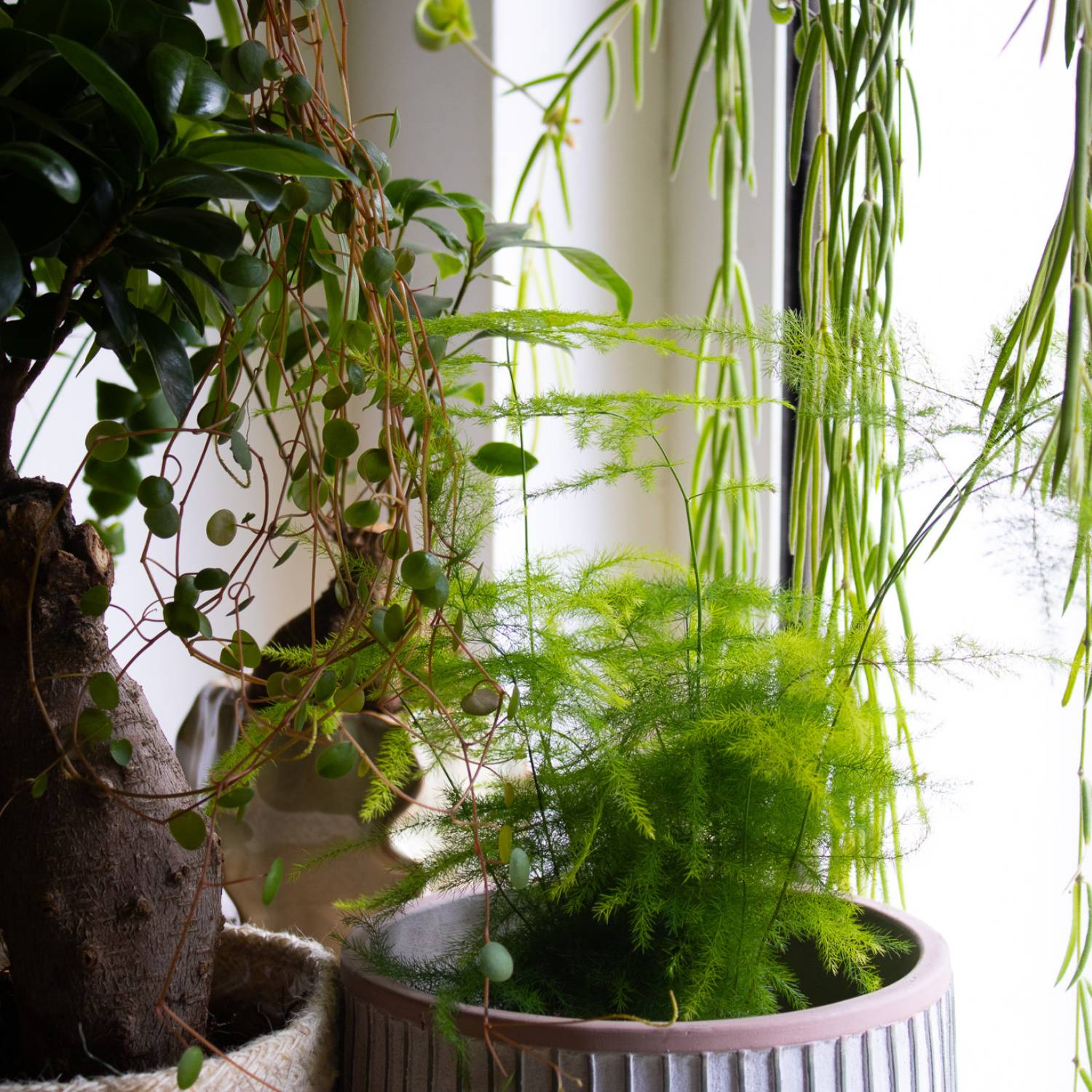
Feathery, elegant, and deceptively tough, Asparagus setaceus—aka Asparagus Fern, Lace/Plumosa/Plume Fern—is not a true fern at all. Those airy “fronds” are actually tiny leaf-like stems (cladodes). This plant thrives when you steer a middle path: bright filtered light, steady-but-never-soggy moisture, and a touch of humidity. When things go wrong, it tells you fast. Here’s your symptom-to-solution playbook to diagnose issues in minutes and fix them for good.
H2: Rapid Triage: Read the Plant in 60 Seconds
- Yellowing and floppy collapse? Most often waterlogged roots or too much harsh sun.
- Crispy brown tips, shedding “needles”? Usually low humidity plus underwatering or long dry spells.
- Bleached/yellow patches on the outermost foliage? Sun scorch from midday or unfiltered west/south sun.
- Fine webbing and stippled leaves? Spider mites—common in hot, dry rooms.
- Sticky residue or cottony bits? Scale or mealybugs.
- Mushy roots, sour soil smell? Root rot from poor drainage or overwatering.
H2: The Big Four Problems (and Fixes That Actually Work)
H3: 1) Overwatering and Root Rot
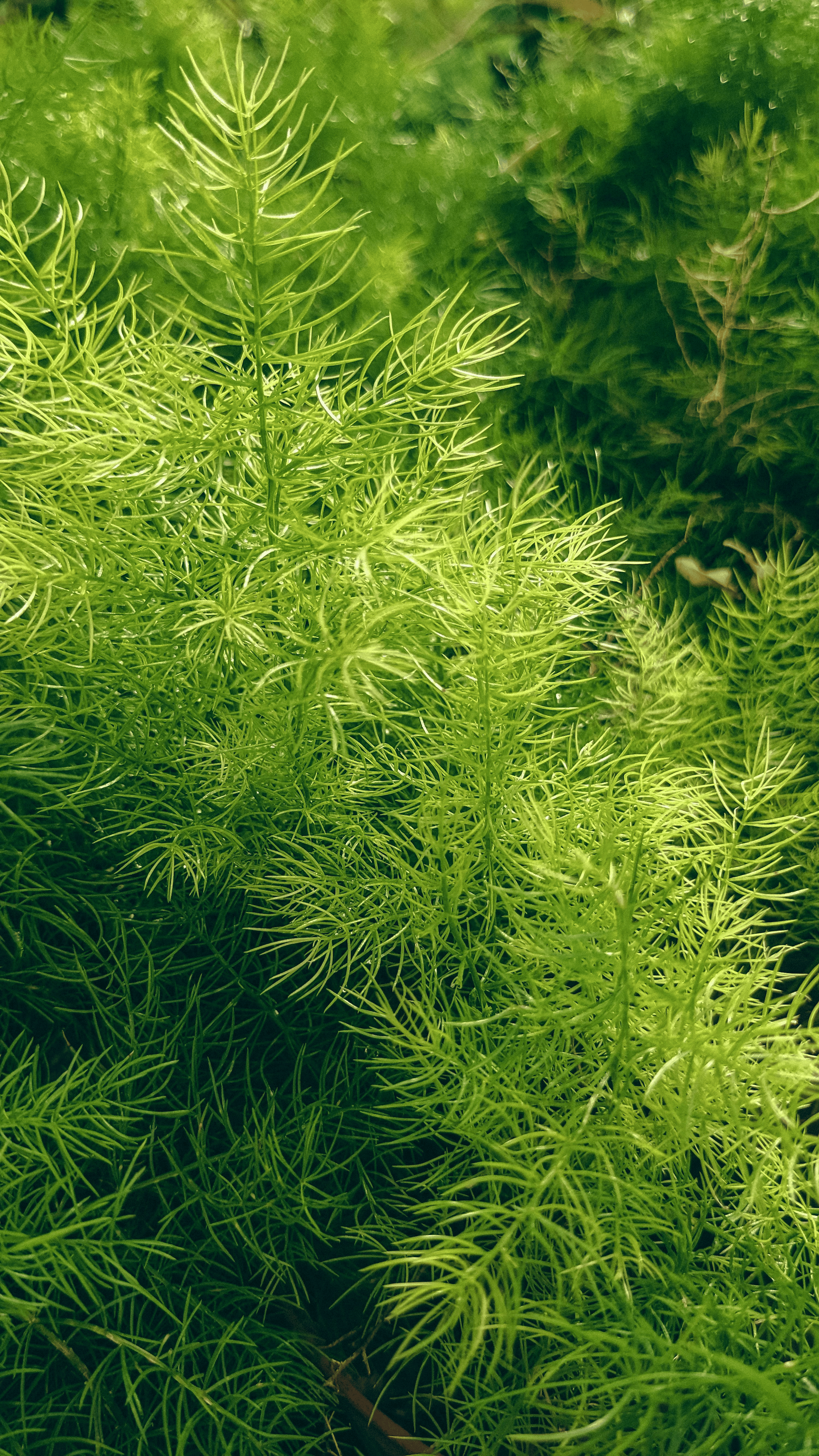
What you’ll see
- General yellowing (often starting low), stems collapsing, pot feels heavy for days, soil smells sour.
- In severe cases: mushy, brown roots.
Why it happens
- Roots need air. Constantly soggy mix suffocates them, blocking water/nutrient uptake.
Fix it now
1) Check the roots: Slide the plant from its pot. Trim away brown, mushy roots with clean scissors.
2) Repot smart: Use a loose, well-draining mix (quality potting soil + compost/leaf mold or coco coir/peat + perlite or coarse sand). Choose a pot with drainage.
3) Water reset: After repotting, water lightly to settle the mix; then let the top 2–3 cm (0.8–1.2 in) dry slightly before watering fully again. Never leave water sitting in the saucer.
4) Light + air: Give bright, indirect light and decent airflow while it rebounds.
Prevent it
- Feel the top 2–3 cm of mix before watering; don’t water on a schedule.
- Reduce frequency in cool rooms and in autumn/winter.
- Refresh old, compacted mix at spring repotting.
H3: 2) Underwatering and Brown Tips
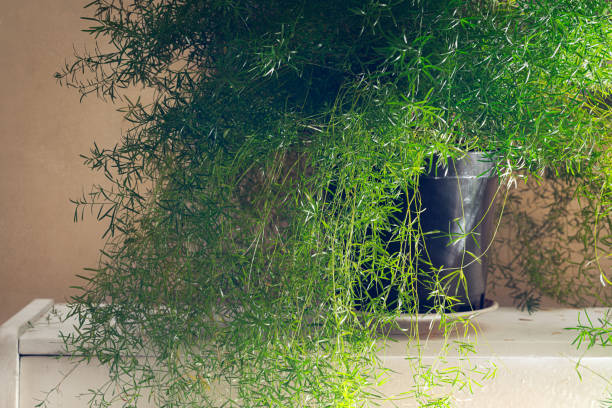
What you’ll see
- Brown, crispy tips; dull, tired foliage; sudden shedding after the pot ran dry.
Why it happens
- The plant is sensitive to long dry spells, especially in low humidity.
Fix it now
1) Rehydrate thoroughly: Water until excess drains. If soil is very dry and repels water, bottom-water once (set pot in a basin for 15–30 minutes), then drain well.
2) Stabilize moisture: Aim for evenly moist—not soggy—soil. Let only the top 2–3 cm dry slightly.
3) Raise humidity: Target around 50%+. Use a pebble tray, group plants, or a humidifier.
4) Groom: Snip off severely crisped stems at the base to prompt fresh growth.
Prevent it
- In summer/active growth, water more often; in winter, less—but don’t let it go bone-dry.
- Keep away from heater vents and windy, drying spots.
H3: 3) Sun Scorch
What you’ll see
- Bleached, yellowed, or crisp patches on the sunniest side; sudden yellow frond tips after a bright move.
Why it happens
- Harsh direct midday sun (especially at south/west windows without sheers) burns delicate cladodes.
Fix it now
1) Move it: Bright, indirect light is ideal—think east window, or back from a bright window behind sheers.
2) Trim and refresh: Remove badly scorched stems at the base; new shoots will fill in.
3) Acclimate: After moves, step up light gradually over 1–2 weeks.
Prevent it
- Filter intense sun with sheer curtains. Outdoors (USDA 9–11), give bright shade.
H3: 4) Low Light Thinning
What you’ll see
- Sparse, stretched growth; slower new shoots.
Fix it now
- Increase brightness to bright, indirect light. East light or filtered south/west is the sweet spot. Consider a grow light if needed.
H2: Pest Playbook: Spot, Treat, Win
H3: Spider Mites (the dry-air menace)
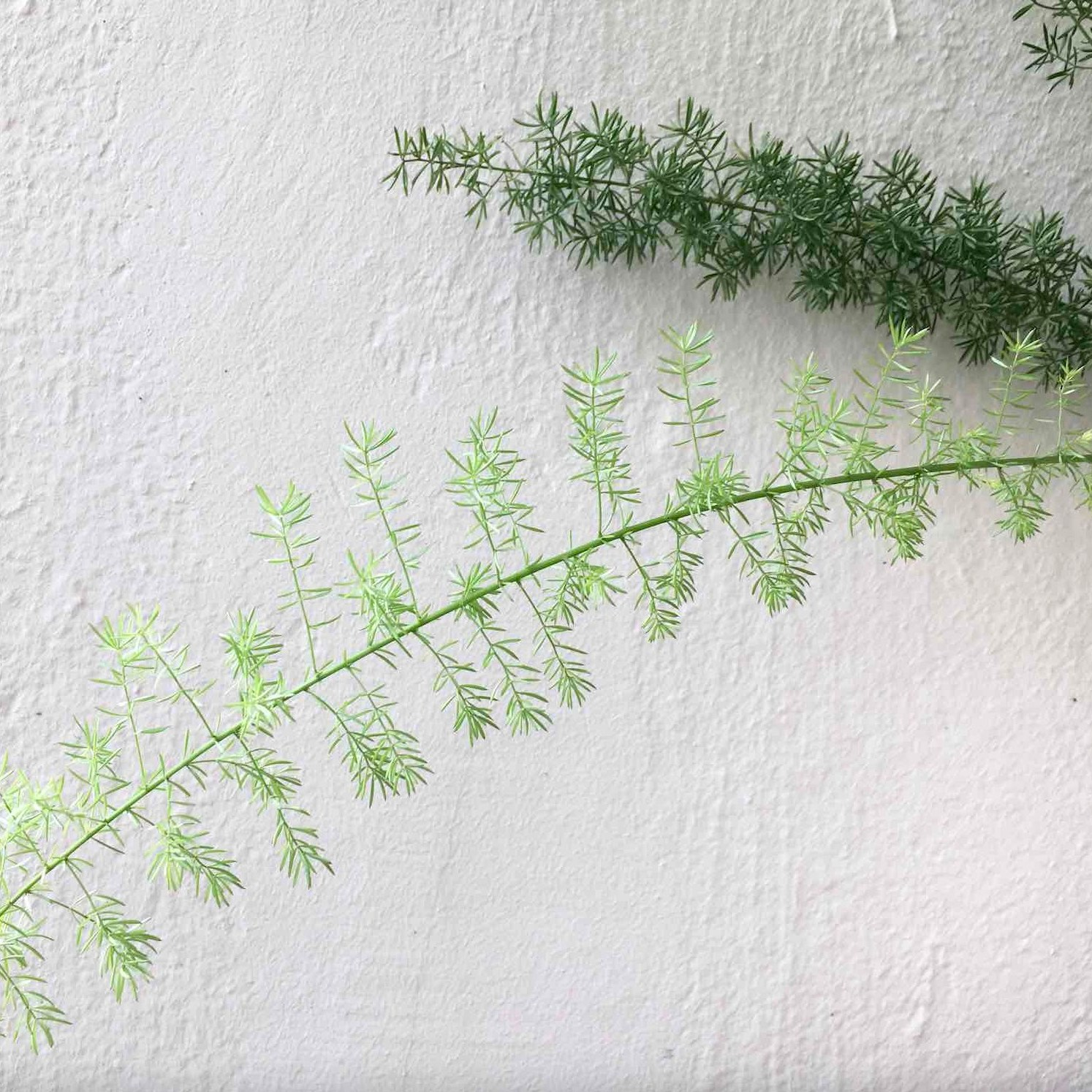
Symptoms
- Fine webbing, stippling, yellowing, and a dusty look to foliage; often flares in hot, dry rooms.
Quick fix
1) Rinse: Take the plant to the shower and gently wash all sides of foliage.
2) Spray: Use insecticidal soap or horticultural oil to coat leaf surfaces (top and underside) and stems.
3) Repeat: Re-apply every 7–10 days for 3–4 cycles to catch hatchlings.
4) Humidity boost: Raise to ~50%+; mites hate moist air. Improve airflow without blasting heat.
H3: Scale
Symptoms
- Brown/tan shell-like bumps along stems; sticky honeydew.
Quick fix
- Dab and remove with a cotton swab dipped in alcohol for spot treatment, then spray with horticultural oil or insecticidal soap. Repeat every 7–10 days until no new crawlers appear. Prune heavily infested stems.
H3: Mealybugs
Symptoms
- Cottony white clusters in crevices and on tender growth; sticky honeydew.
Quick fix
- Swab clusters with alcohol; follow with insecticidal soap or oil. Repeat weekly until gone. Quarantine from other plants.
H3: Aphids
Symptoms
- Clusters on new shoots; distorted tender growth; sticky residue.
Quick fix
- Rinse off; then treat with insecticidal soap. Improve airflow; check weekly and repeat as needed.
Prevention for all pests
- Keep the plant in bright, indirect light; avoid hot, dry air; inspect new plants; clean and thin crowded growth to improve airflow.
H2: Disease Watch
H3: Root Rot
- Cause: Waterlogging and compacted mixes.
- Action: Trim rot, repot into airy mix, reset watering, improve drainage.
H3: Botrytis/Leaf Blight or Leaf Spots
- Symptoms: Brown spots, fuzzy gray mold in stagnant, damp conditions.
- Action: Remove affected stems, improve airflow and light, avoid late-day wet foliage, water the soil not the foliage.
H2: Watering Mastery (No More Guesswork)
- Finger test: Water thoroughly, then wait until the top 2–3 cm (0.8–1.2 in) are dry.
- Weight test: Learn the pot’s “light vs heavy” feel.
- Season shift: More frequent in spring–summer; reduce in autumn–winter, especially in cool rooms.
- Never: Let the pot sit in a water-filled saucer.
H2: Light and Placement
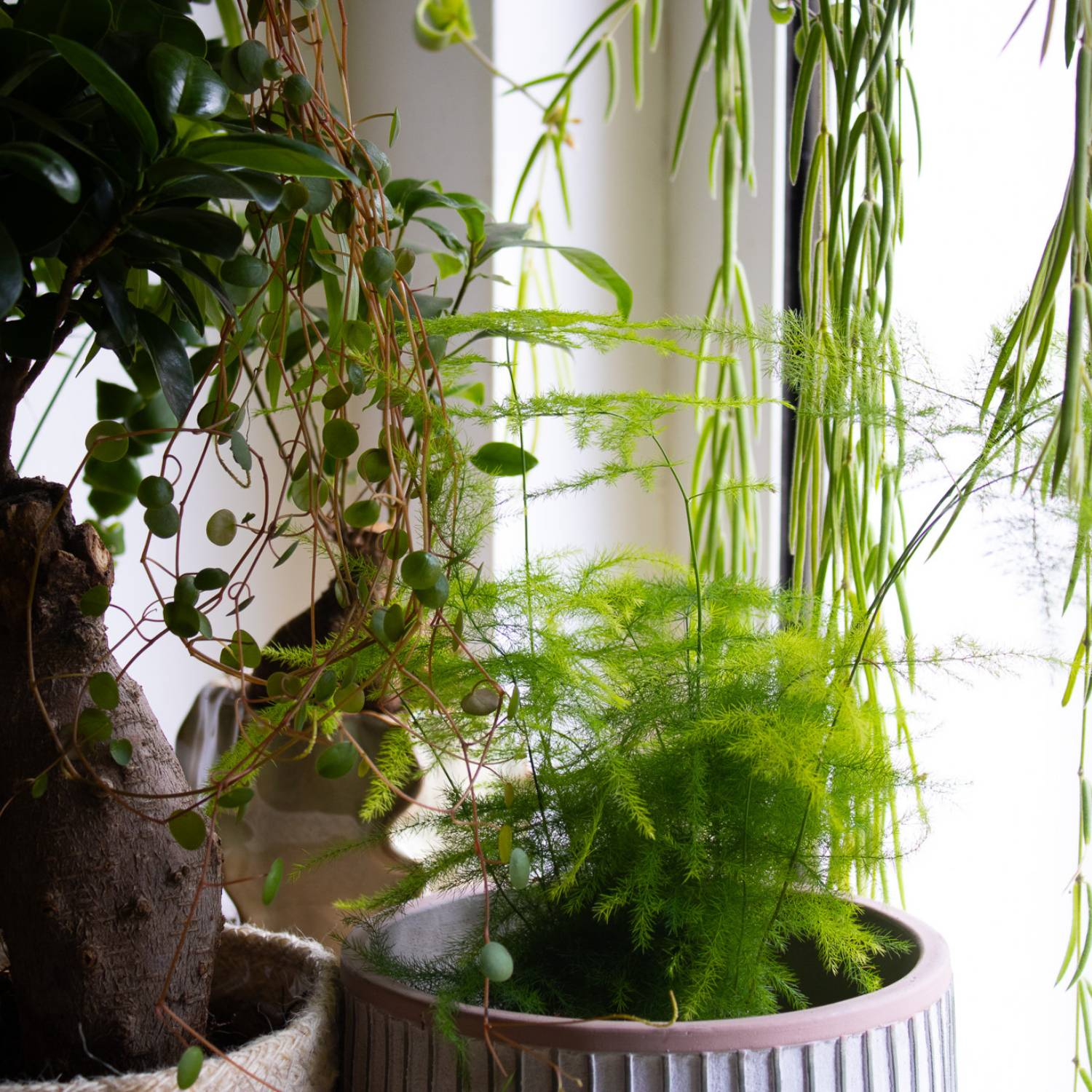
- Best: Bright, indirect light or light shade.
- Great spots: East window; a few feet back from a bright south/west exposure with sheer curtains.
- Tolerates: Lower light, but growth becomes thinner and slower.
- Avoid: Harsh midday sun.
H2: Temperature and Humidity
- Temperature: 15–25°C (59–77°F) is comfortable; keep above 4–5°C (39–41°F).
- Humidity: Prefers ~50%+. Use a humidifier, pebble trays, or plant grouping. Avoid blasting heat or dry vents.
H2: Soil, Repotting, and Feeding
- Soil: Loose, well-draining yet slightly moisture-retentive. Use potting mix + organic matter (leaf mold/compost, peat/coco coir) + perlite/coarse sand.
- Repot: Spring, every 1–2 years (hanging baskets about every 2). Move up one size; refresh mix and loosen circling roots.
- Feed: Spring–summer about every 4–6 weeks with a balanced liquid fertilizer at half strength. Ease off in autumn–winter. For blooms/berries on a mature plant, one light phosphorus-leaning feed before flowering can help—don’t overdo it.
H2: Pruning and Training
- Prune in spring: Remove yellow, dead, or overly long stems at the base to make room for fresh shoots.
- Tip pinch: Lightly pinch very young shoots (2–3 cm long) to encourage branching.
- Train: A small trellis or hoop gives support, improves airflow, and keeps the center from overcrowding.
H2: How to Tell It’s Happy
- Fresh, fluffy new sprays with rich green color.
- Even moisture and gentle humidity—no crispy tips or limp stems.
- In good conditions, mature plants may produce tiny starry white to greenish-white flowers and later dark purple-black berries.
H2: Quick Reference: Symptom-to-Solution Cheatsheet
- Yellowing + collapse → Check drainage; trim rot; repot to airy mix; water only when top 2–3 cm dry slightly.
- Brown tips + shedding → Rehydrate thoroughly; keep evenly moist; raise humidity to ~50%+.
- Bleached/crisp patches → Filter sun; move to bright indirect; prune damaged stems.
- Webbing/stippling → Spider mites: rinse, insecticidal soap/oil, repeat every 7–10 days, increase humidity.
- Sticky/cottony pests → Scale/mealybugs: alcohol swab + oil/soap; repeat weekly; prune worst bits.
- Brown spots/gray fuzz → Remove affected growth; boost airflow; avoid late-day wet foliage.
H2: Safety, Pets, and People
- Mildly toxic if ingested; berries are the main concern and can cause gastrointestinal upset in pets and people. The fine foliage/sap may irritate sensitive skin. Keep out of reach—especially when berries are present. Handle older stems carefully; tiny spines can be present.
H2: A Note on Growth, Origins, and Use
- Origin: Southern to eastern/southern Africa (especially South Africa).
- Habit: Fast-growing, evergreen, clump-forming, with arching or climbing stems; great in hanging baskets or trained on a small support.
- Floristry favorite: Those airy sprays are classic bouquet “filler” greenery.
- In frost-free climates (USDA 9–11) it can grow outdoors in bright shade; avoid windy, drying spots. In some warm regions it’s considered invasive—dispose of berries responsibly.
H2: One-Week Revival Plan (When Things Look Rough)
Day 1
- Diagnose: Check light, soil moisture, pot drainage, and the roots.
- Treat: Trim rot, repot if needed, rinse pests and apply soap/oil, move to bright filtered light.
Days 2–3
- Stabilize: Keep humidity around 50%+, ensure airflow, and avoid direct midday sun. Water only when the top 2–3 cm are dry.
Days 4–7
- Repeat pest controls if needed; spot-water as required; remove any newly yellowed stems at the base. Stay consistent—new, fluffy growth often appears within 2–4 weeks in warm conditions.
H2: Symbolism and Meaning (Flower Language, thoughtfully)
Asparagus Fern is often gifted as a symbol of enduring love and gentle protection—likely inspired by its soft, lace-like form that endures year-round. In Feng Shui, it’s associated with steady growth and supportive, calming energy for study or work spaces. These associations are cultural rather than botanical, but they capture the plant’s character: resilient, quietly elegant, and uplifting.
H2: Fast FAQs
- Why is my Asparagus Fern turning yellow and dropping?
Most often soggy soil, harsh direct sun, very dry heat/low humidity, or compacted old mix. Move to bright filtered light, refresh mix for drainage, water evenly (not soggy), and raise humidity.
- Can it grow in low light?
It copes, but will be thinner and slower. For that cloud-like fullness, give bright, indirect light.
- How do I increase humidity without inviting mold?
Use a humidifier or pebble tray, and give the plant breathing room for airflow. If you mist, do it lightly and earlier in the day so foliage isn’t wet overnight.
- How do I propagate it?
Division is simplest in spring: split the root mass into sections and pot up. You can also grow from seed; keep warm (about 20–22°C/68–72°F) and evenly moist.
- Will it flower indoors?
Mature, well-lit plants may produce tiny white to greenish-white flowers in summer into autumn, followed by dark berries if pollinated.
Give Asparagus setaceus the middle path—bright filtered light, evenly moist but well-drained soil, and a nudge of humidity—and it will reward you with a soft, evergreen haze of green that looks refined but bounces back like a champ.