Open a window in midwinter, and the air is crisp, cold, almost metallic. Set a bowl of paperwhite narcissus on the sill, and the room wakes up: starry white blooms, a clean green note, a whisper of spice, and suddenly your home smells like hope. Here’s how to design with Narcissus tazetta (Paperwhite Narcissus) so the fragrance feels intentional and elegant—never overpowering—and your bowls look as composed as they smell.
Meet the star: Paperwhite Narcissus (Narcissus tazetta)
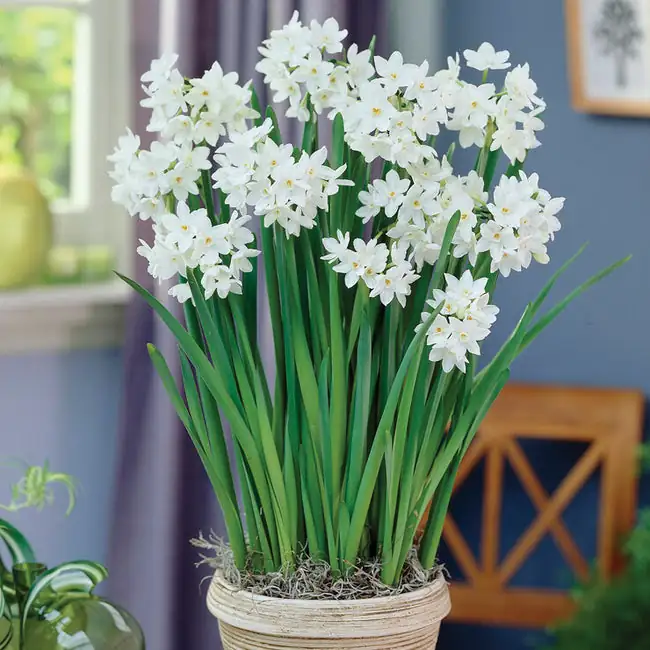
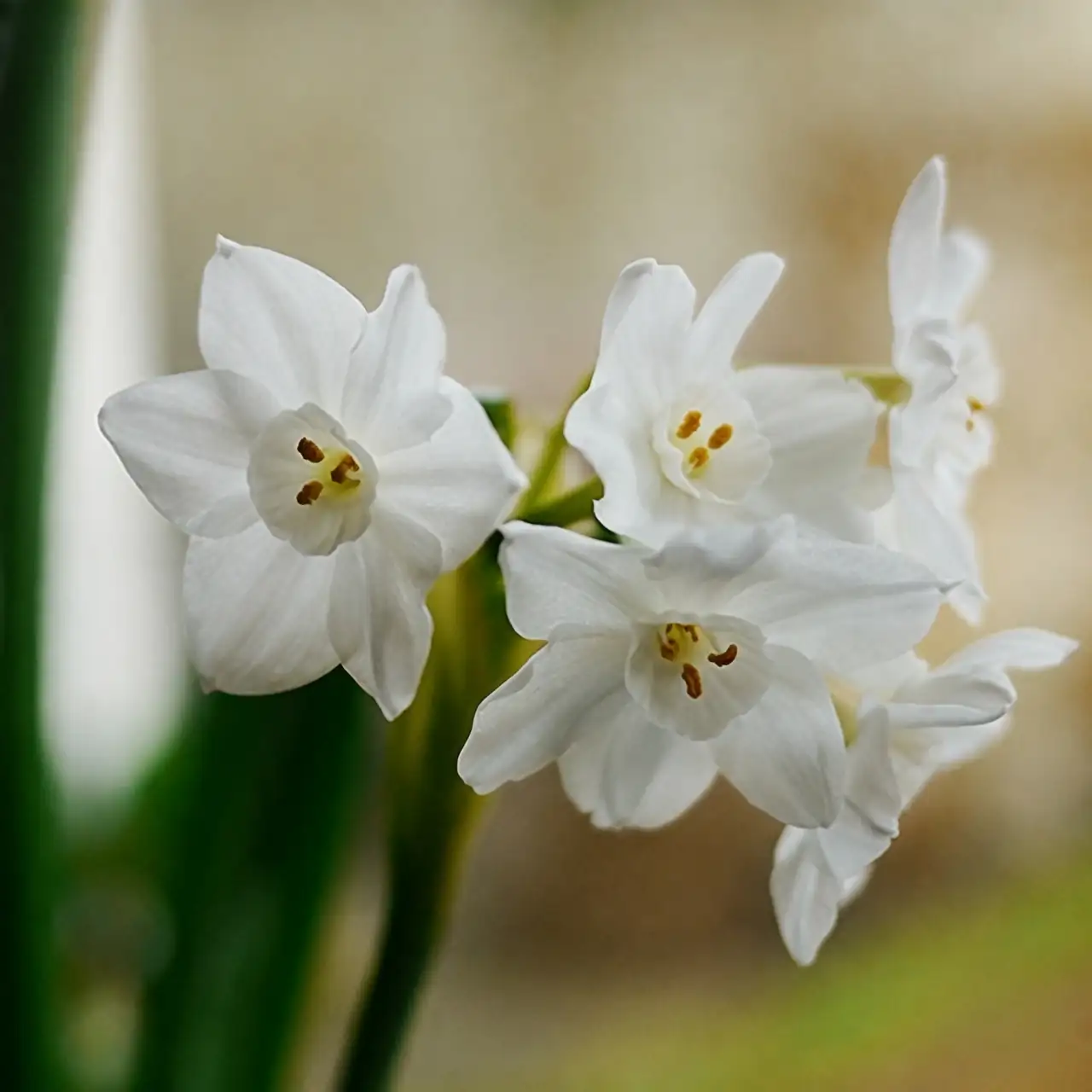
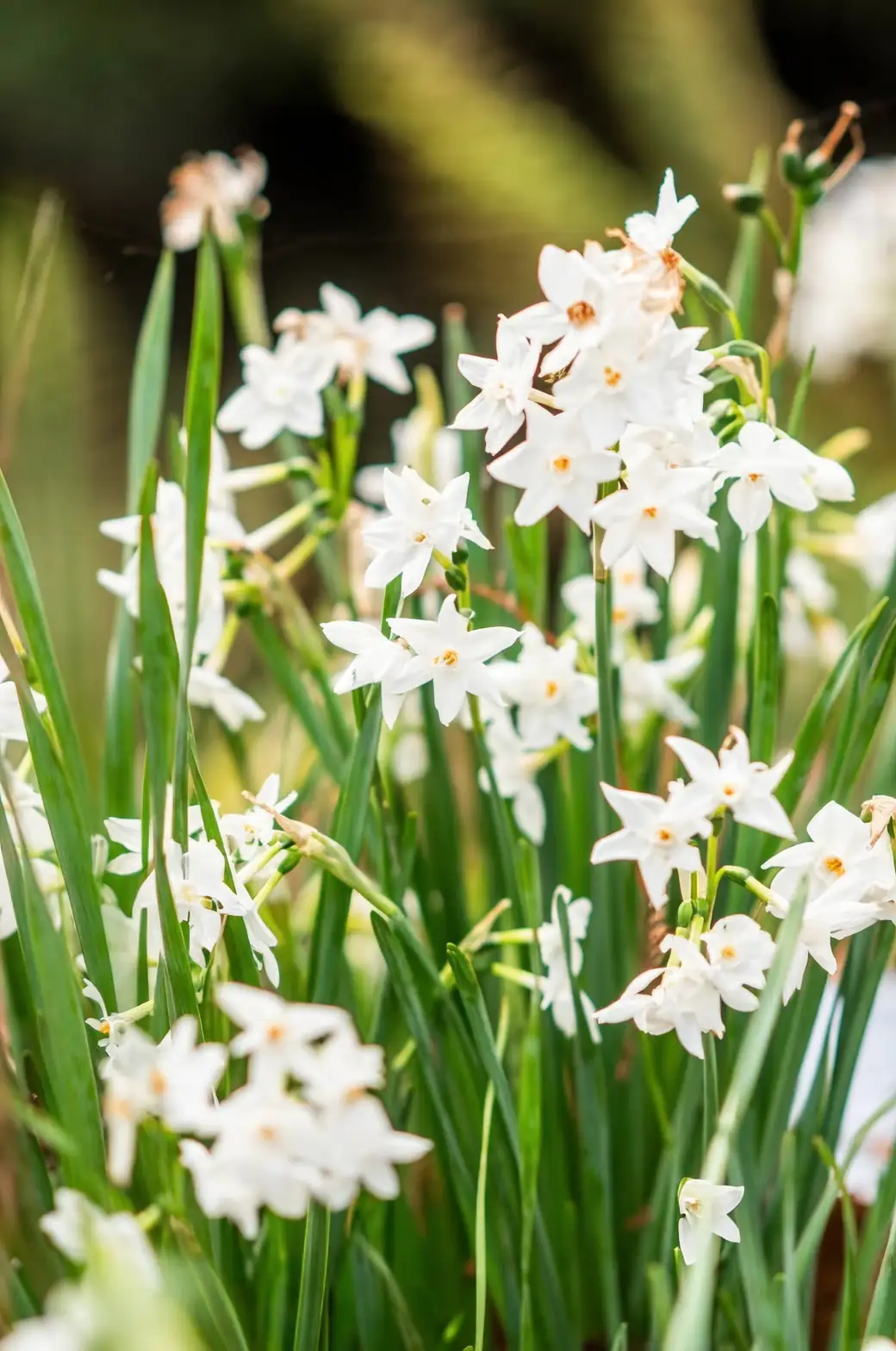
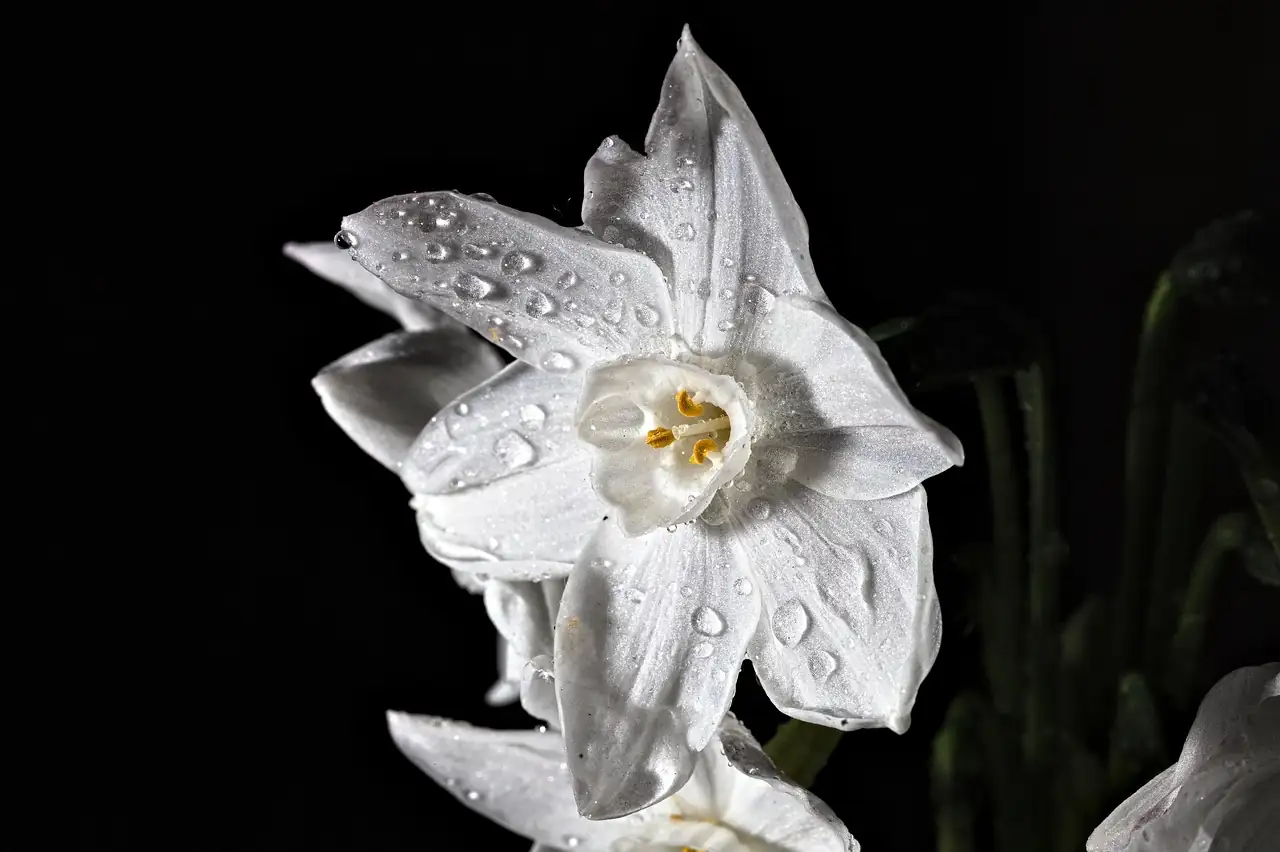
- What it is: The wonderfully fragrant “winter daffodil,” with upright stems carrying clusters of small, waxy, star-shaped blooms (usually pure white with a tiny cup).
- Why it’s perfect indoors: It flowers fast—often in about 4–6 weeks—without cold-chilling. You can grow it in a shallow bowl with pebbles and water or in a pot with soil.
- Size and look: Typically 20–45 cm (8–18 in) tall in bowls and pots; narrow, deep-green leaves; multiple blooms per stem that perfume a whole room.
- Origin and culture: Native to the Mediterranean, beloved worldwide, and especially popular in East Asia (notably China) for winter and Lunar New Year displays.
Where to place bowls for the best scent (and longest bloom)
Think “bright and cool” for sturdy stems and long-lasting flowers. Heat shortens bloom life and encourages floppiness; bright light keeps growth compact.
- Windowsills
- Best: East- or south-facing windows with at least ~6 hours of strong light.
- Microclimate: Cool glass and a light draft are your friends; just protect water-grown bowls from freezing (keep above 0°C/32°F).
- Dining areas
- Place as a low tablescape or on a sideboard. If the perfume feels intense during meals, slide the arrangement to a nearby console.
- Living rooms
- Position near bright windows, away from radiators or heat vents. A cross-breeze diffuses the fragrance beautifully.
- Entryways and halls
- A single bowl welcomes guests without saturating seating areas.
- Bathrooms/powder rooms
- Fragrance concentrates in small spaces—choose fewer bulbs and ensure ventilation. Avoid placing directly by steamy showers (warmth shortens bloom time).
- Workspaces/bedrooms
- Keep bulbs to a minimum or opt for an adjacent, ventilated spot. Paperwhites are intoxicating; some people find the scent stimulating.
Safety note: All parts are toxic (bulbs especially). Keep arrangements out of reach of children and pets, and wash hands after handling.
How many bulbs per space? A designer’s fragrance math
Fragrance scales with bulb count and room size. Use this guide to tune intensity.
- Gentle whisper (small rooms, desks, nightstands)
- 1–3 bulbs
- Balanced presence (most dining tables, coffee tables, mantels)
- 5–7 bulbs total, or two bowls of 3–4 each
- Festive focal point (open-plan rooms, wide entryways)
- 10–12 bulbs spread across two or three vessels
- Showstopper (holiday parties, large living rooms)
- 15–24 bulbs across three or more bowls, spaced so perfume drifts rather than overwhelms
Container sizing
- Soil: A pot about 20 cm (8 in) across commonly holds ~3 bulbs (varies by bulb size).
- Water/pebble bowls: Shallow, wide vessels can be packed more densely for a lush look—nestle bulbs shoulder-to-shoulder but not forced; leave the tops exposed.
Tip: If you or guests are fragrance-sensitive, split bulbs into multiple small bowls. You’ll get the same flower count with better control—simply move a bowl if needed.
Pairing that heady perfume with calm notes
Paperwhite scent is bright, sweet, and spicy-green. Keep the pairing palette serene so the room feels composed.
- The perfect partner: Amaryllis (Hippeastrum)
- Why it works: Big, sculptural trumpets with little to no fragrance—an elegant counterbalance to paperwhite perfume.
- Styling: One tall amaryllis in a sleek cylinder next to a low, wide bowl of paperwhites = harmonious height story.
- Quiet greenery
- Evergreen clippings (fir, cedar), rosemary, or viburnum foliage; or a collar of soft moss. They read “winter garden” without adding competing scent.
- Materials that soothe
- Celadon or white porcelain (a nod to Chinese sacred lily traditions), matte ceramics, pale woods, travertine, or antique silver.
- Candle choices
- Use unscented beeswax or white tapers. Scented candles fight the flowers and muddy the air.
- Color palette
- White-on-white with green accents, or classic blue-and-white porcelain with inky linens. If you crave contrast, add a single deep-red amaryllis or burgundy runner.
Cut-flower caution: Daffodil sap can shorten the life of other flowers in mixed vases. If styling a tablescape with cut amaryllis or greenery, keep paperwhites in their own vessel.
Styling ideas: tablescapes, windowsills, and beyond
- Tablescapes
- Compose a trio: one low pebble bowl of paperwhites, one taller amaryllis, one bowl of moss or citrus (whole) for texture. Keep sightlines clear by using low vessels in the center and taller forms off-center.
- Layer heights with trays and books. A brass tray gathers scattered elements into one polished “moment.”
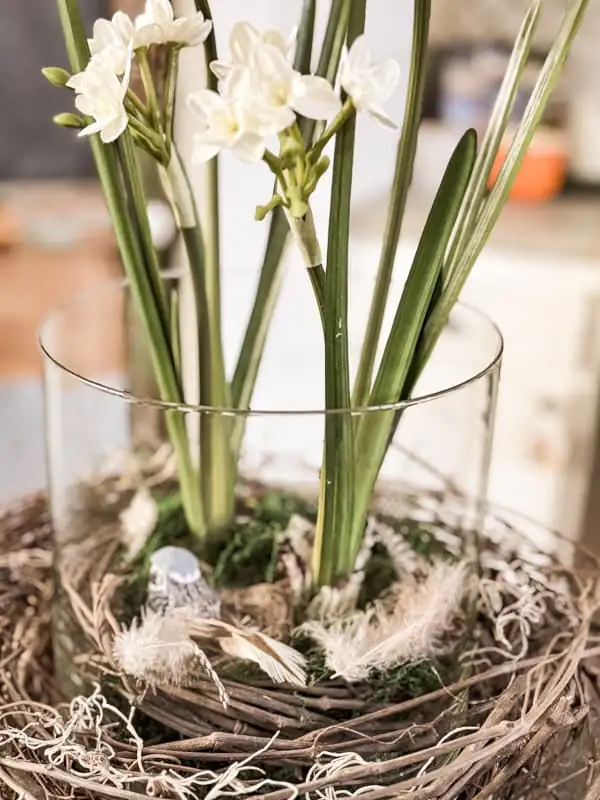
- Tame wobble: Slip slender twigs or willow whips into the bowl as a natural corral. Or use a clear hurricane/cylinder to subtly support stems.
- Windowsills
- Line up three small bowls instead of one large—a pleasing rhythm that’s easy to space. Rotate bowls weekly for even growth.
- Winter minimalism: a single long trough with bulbs set shoulder-to-shoulder on white gravel—calm, architectural, and bright.
- Mantels and entryways
- Go sculptural: paperwhites in a shallow celadon bowl flanked by stone or ceramic objects. For Lunar New Year, pair with red envelopes and citrus for a refined cultural nod.
- Mirror magic: Place arrangements near a mirror to double the bloom count visually and bounce light into the room.
The grower’s cheat sheet (so your styling lasts)
- Light
- Bright light to full sun; indoors, a bright east- or south-facing window is ideal. Aim for ~6 hours of strong light to keep stems compact.
- Temperature
- Best during growth/bloom: about 10–20°C (50–68°F); cooler (5–15°C / 41–59°F) = sturdier plants and longer-lasting flowers. Avoid sustained heat above 25°C (77°F).
- Water culture basics
- Set bulbs on clean pebbles. Add water to just touch or sit slightly below the basal plate—keep roots in water, bulb mostly dry. Refresh water frequently (often daily early on, then about weekly once buds form). Keep containers clean to prevent rot.
- Pots and soil
- Use a free-draining bulb mix (about 2 parts potting mix to 1 part grit). Water lightly until growth begins; then keep evenly moist, never waterlogged.
- Prevent floppiness
- Bright light + cool air. Rotate the container and cluster bulbs for mutual support. Avoid heaters and stuffy corners.
- After flowering
- Deadhead. Keep leaves until fully yellow to recharge bulbs. If you plan to keep them long-term, feed lightly while foliage is green. In mild climates (roughly USDA Zone 8–10/11), you can move bulbs outdoors; otherwise, treat as a seasonal display and store dry and cool during dormancy.
Timing your blooms like a pro
- Flowering typically occurs ~4–6 weeks after you start them in good light and cool conditions.
- Stagger for the season: plant a fresh bowl every 10–14 days from late autumn through midwinter for continuous fragrance.
- Hosting tip: For a specific date, start 5 weeks ahead and keep the growing bowl cool and bright; once buds show color, shift to a slightly cooler spot to hold peak bloom.
Advanced styling note: trained forms
In traditional East Asian displays, bulbs are sometimes carved or gently trained so leaves and stems form elegant fans and curves. If you try decorative shaping, let any cut surfaces dry (callus) in a ventilated, lightly shaded spot before returning to brighter light, and keep water impeccably clean.
Flower language, history, and deeper meaning
- Myth and meaning: The name Narcissus recalls the Greek tale of self-reflection—hence the association with self-love. Yet the plant’s winter-to-spring bloom makes it a powerful emblem of renewal and new beginnings.
- East Asian tradition: As 水仙 (shuǐxiān), it’s a beloved Lunar New Year flower symbolizing good fortune and a thriving home. Shallow bowls, polished pebbles, and sculptural training celebrate clarity, prosperity, and grace.
- Read it like a room note: Pairing paperwhites (renewal, brilliance) with amaryllis (strength, poise) creates a quietly confident interior: fragrant but not fussy, classic yet modern.
Quick reference: placement and counts
- Entry console: 3–5 bulbs in a shallow bowl
- Dining table: 5–7 bulbs across 2 low bowls; move to sideboard during meals if needed
- Living room (medium): 7–12 bulbs in 2–3 vessels near bright windows
- Open-plan spaces: 15–24 bulbs across 3+ bowls, spaced along sightlines
- Windowsill: one 20 cm (8 in) pot with ~3 bulbs (soil), or two small pebble bowls with 2–3 bulbs each
- Powder room: 2–3 bulbs, ventilated
- Desk/bedside: 1–2 bulbs, bright light
Bring them in like music: start with a solo (one bowl), add a soft harmony (a second on a windowsill), then let a final chorus arrive right before your gathering. With thoughtful placement, the heady perfume of Narcissus tazetta becomes atmosphere—subtle, elegant, and entirely yours.