
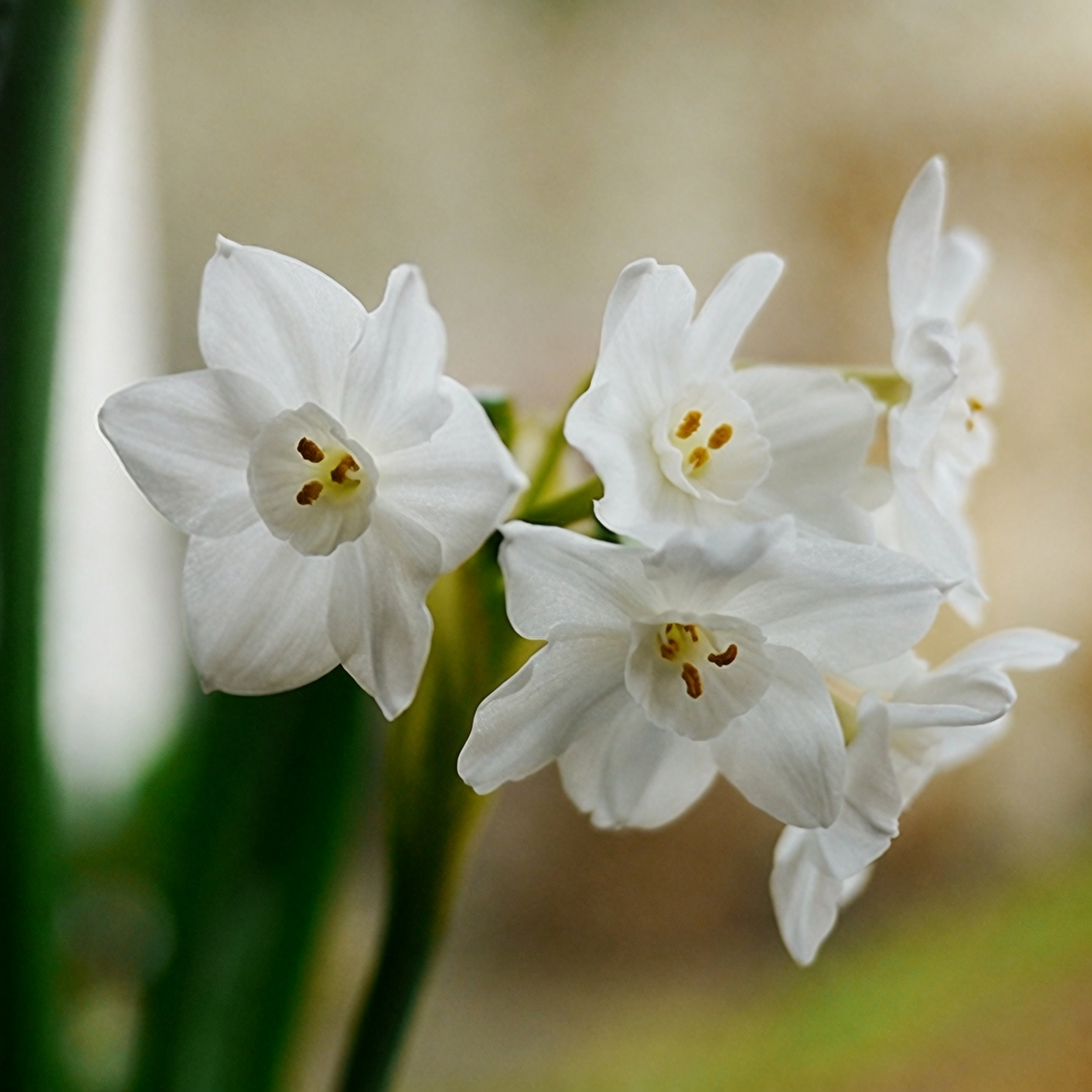
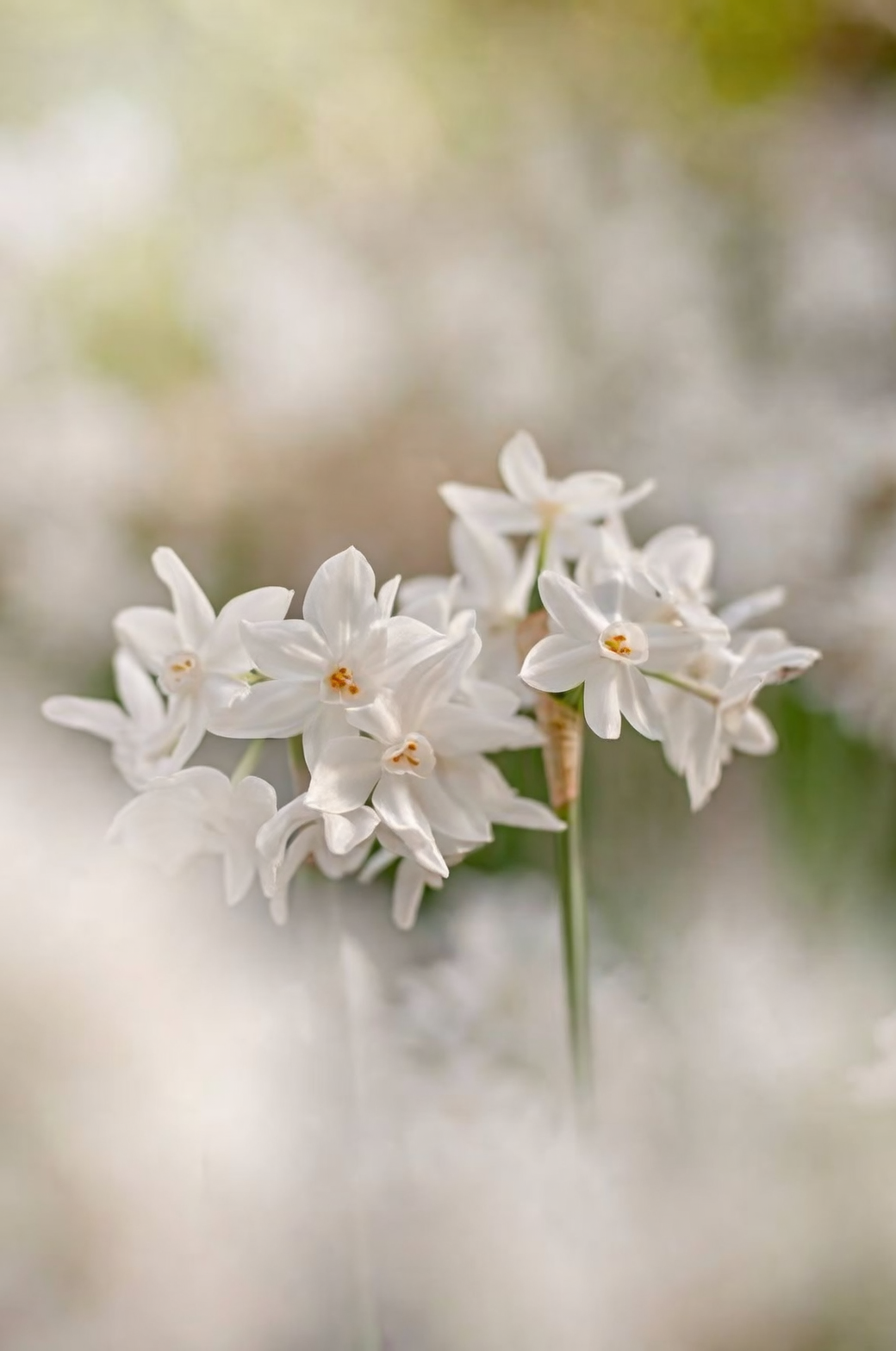
Fragrant, starry, and eager to bloom when winter still has its grip—Narcissus tazetta (the beloved paperwhite) is a cut-flower classic. But there’s a catch: that milky sap. Handle these “winter daffodils” with a little insider know‑how and you’ll enjoy their perfume and pristine petals without shortening the lives of their vase-mates. Here’s how to harvest at just the right moment, condition the stems smartly, and arrange with scent sensitivity.
Meet Narcissus tazetta (Paperwhite Narcissus)
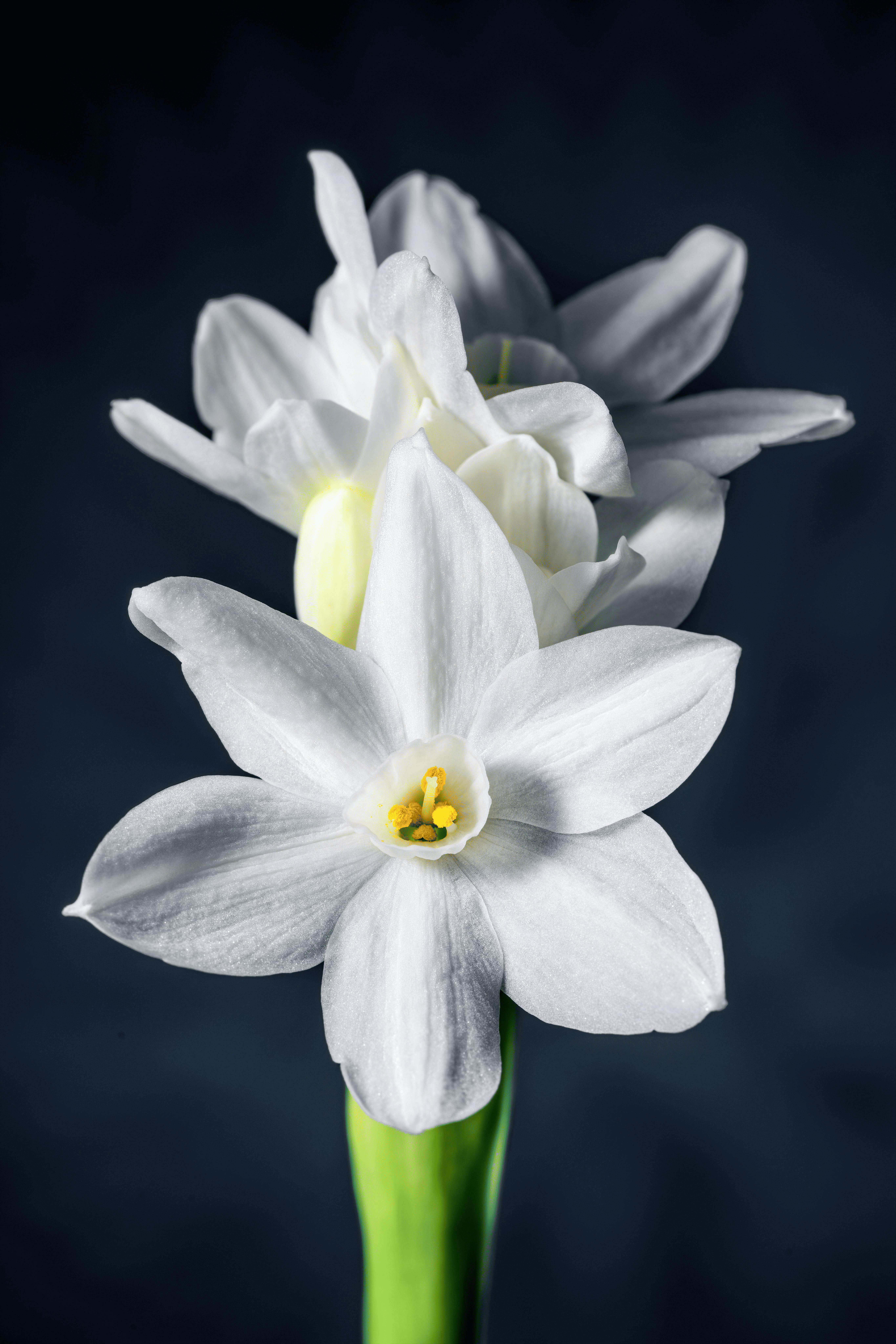
- Identity: A tazetta-type Narcissus bearing clusters of small, waxy, star-shaped flowers with a tiny cup (corona)—most often white and wonderfully fragrant.
- Origins and fame: Native to the Mediterranean and now loved worldwide; especially cherished in East Asia (中国的水仙) for winter and Lunar New Year displays.
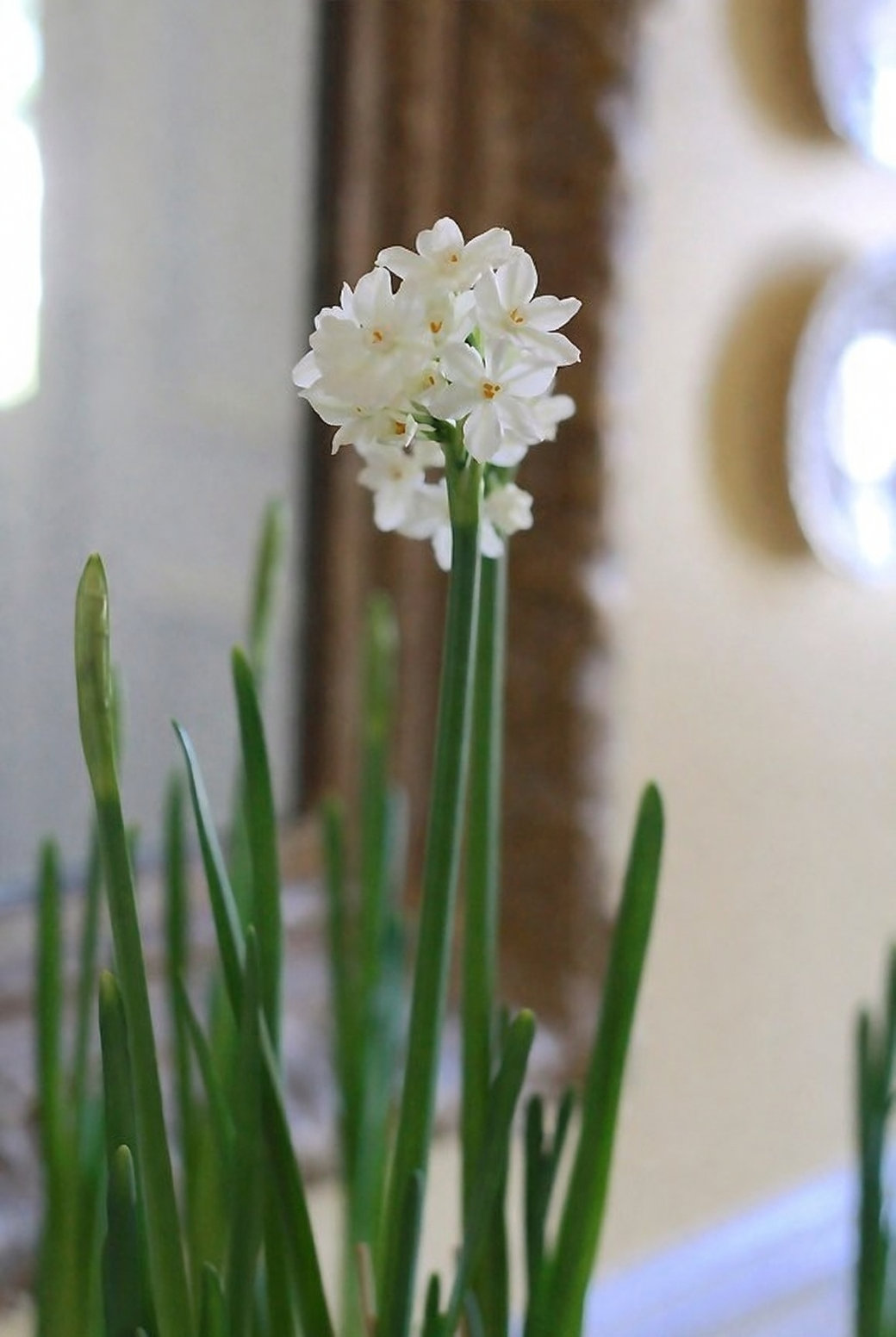
- Indoors or out: In mild climates, it behaves like a perennial bulb; everywhere else it’s a champion for easy indoor forcing—bulbs in pebbles and water, bright light, cool air, flowers in 4–6 weeks.
Harvest Timing: Catch the Color, Not the Bloom
Paperwhites last longest in the vase when you harvest early—just as the show is about to begin.
The perfect stage
- Look for buds that are showing color but not fully open (often with the bud bent slightly—“gooseneck”—and the outer papery sheath starting to loosen).
- Skip the “pencil stage” (tight, straight, green buds). Stems cut too tight may never open properly.
How to cut
- Use clean snips to cut low on the stem, leaving foliage on the plant (those leaves recharge the bulb).
- Harvest in the cool of morning. Immediately place stems into clean, cool water.
The Sap Question: Why Narcissus Need Solo Conditioning
Narcissus sap contains alkaloids and mucilage that can clog or irritate the stems of other flowers, shortening their vase life. The fix is simple: let the stems “bleed” in their own bucket first.
Step-by-step conditioning routine
- Strip foliage that would sit below the waterline.
- Place stems alone in a clean bucket of cool water for 4–12 hours (overnight is ideal).
- Rinse stems and your vase. If you plan to mix with other flowers, do not recut narcissus stems once conditioned—recutting re-releases sap.
- Arrange, then change vase water daily. Keep arrangements cool and out of heat blasts to extend bloom.
Pro tip: Some florists briefly sear cut ends to slow sap flow, but thorough solo conditioning is usually all you need.
Troubleshooting sap and droop
- Cloudy water or slime: Refresh water, wash the vase, and trim 1–2 mm off non-narcissus stems only. Replace narcissus if they were re-cut inside the mix.
- Buds stalling: Move to brighter, cooler light (10–20°C / 50–68°F). Warm, dim rooms slow opening and weaken stems.
Scent‑Smart Arranging
Paperwhites can perfume an entire room—glorious to some, overpowering to others. Arrange with nose-savvy finesse.
Best placement
- Perfect: Bright, airy entryways, stair landings, or a cool windowsill where scent can drift, not dominate.
- Proceed with caution: Small dining rooms (competes with food aromas) and bedrooms (too heady for light sleepers).
Friendly companions (after proper conditioning)
- Elegant, lightly scented partners: tulips, anemones, ranunculus, viburnum, camellia foliage, pittosporum, olive, rosemary (herbal but gentle).
- Textural branches: quince, pussy willow, spirea—add lift without battling the fragrance.
- Keep heavily perfumed flowers (like hyacinths or stock) separate unless you’re aiming for a bold scent statement.
Design tips for luminous paperwhite arrangements
- Vessel: Low compotes, stoneware bowls, or a clear cylinder to showcase the clustered stems. Use a pin frog or chicken wire instead of foam for clean water movement.
- Pace the show: Combine stems at different stages—some tight, some just opening—to extend the display.
- Color stories:
- Classic winter white—paperwhites + silvery foliage.
- Early‑spring citrus—paperwhites with buttery yellows and fresh greens.
Keep Them Gorgeous: Vase-Life Essentials
- Temperature: Cool is king—10–20°C (50–68°F). Avoid heat above 25°C (77°F).
- Light: Bright, indirect light prevents flopping and keeps blooms pristine.
- Water care: Fresh, clean water daily. Avoid splashing petals to reduce spotting.
- Grooming: Snip off spent florets in a cluster to keep the rest looking crisp.
Grow-Your-Own Stems for Cutting
Want a steady supply of paperwhites to clip?
- Forcing indoors (pebbles + water):
- Sit bulbs on clean pebbles with water just touching the basal plate—roots in water, bulb mostly dry.
- Keep bright and cool; flowers typically appear in 4–6 weeks.
- To prevent floppy stems, prioritize strong light and cool air over warmth.

- In pots:
- Use a free‑draining bulb mix, water sparingly at first, then regularly once growth is active.
- Outdoors (mild climates, roughly USDA Zones 8–10/11):
- Plant in bright light with excellent drainage. Clumps slowly expand by offsets.
Safety First
All parts (especially bulbs) are toxic to people and pets. The sap can irritate skin in sensitive folks.
- Wear gloves if you react easily.
- Keep bulbs and cut stems away from children, cats, and dogs.
- Wash hands and tools after handling.
Meaning, Myth, and New-Year Magic
- Renewal and good fortune: In East Asia, 水仙 is a Lunar New Year favorite—grown in shallow bowls and trained into graceful forms—welcoming prosperity and a fresh start.
- Reflection and self‑love: In Western lore, “narcissus” nods to the Greek myth of Narcissus, linking the flower to introspection and the perils of vanity. As with all flower language, these meanings are cultural and symbolic rather than botanical truth—but they add a lovely narrative to the stems you share.
Quick Cut-Flower Checklist
- Harvest when buds show color (gooseneck), not fully open.
- Condition narcissus in their own water 4–12 hours.
- Rinse, then arrange—do not recut narcissus once mixed.
- Place arrangements in cool, bright spots; refresh water daily.
- Keep the scent in mind: let the perfume float, not shout.
Handled this way, Narcissus tazetta becomes the most gracious guest in your vase—soft-spoken to its companions, beautifully fragrant, and long-lasting through the heart of winter.