Think of paperwhites as winter’s quiet fireworks: clean white stars, a rich perfume, and a burst of green that lifts a room when the world outside is gray. Narcissus tazetta (the paperwhite group) is famously easy to coax into bloom indoors—often in just 4–6 weeks—so you can style them exactly when gatherings and cozy dinners need a little magic.
Paperwhites at a glance (so you style, not struggle)
- Light: Bright light to full sun indoors; aim for at least 6 hours. East or south windows are perfect.
- Temperature: Keep them cool for the best shape and longest show—about 10–20°C (50–68°F). For compact, sturdy plants, 5–15°C (41–59°F) is excellent.
- Height: Typically 20–45 cm (8–18 in) in indoor bowls/pots; light + cool air keep stems stout.
- Bloom time: Winter into early spring; indoors often December–March.
- Fragrance: Strong, sweet, and heady. Some varieties are lighter-scented (see “fragrance tuning” below).
- Safety: Narcissus are toxic if ingested (especially bulbs). Keep away from children and pets.
Pebble bowls vs. pots: which look, which lifestyle
Both are beautiful—choose by how you like to live and entertain.
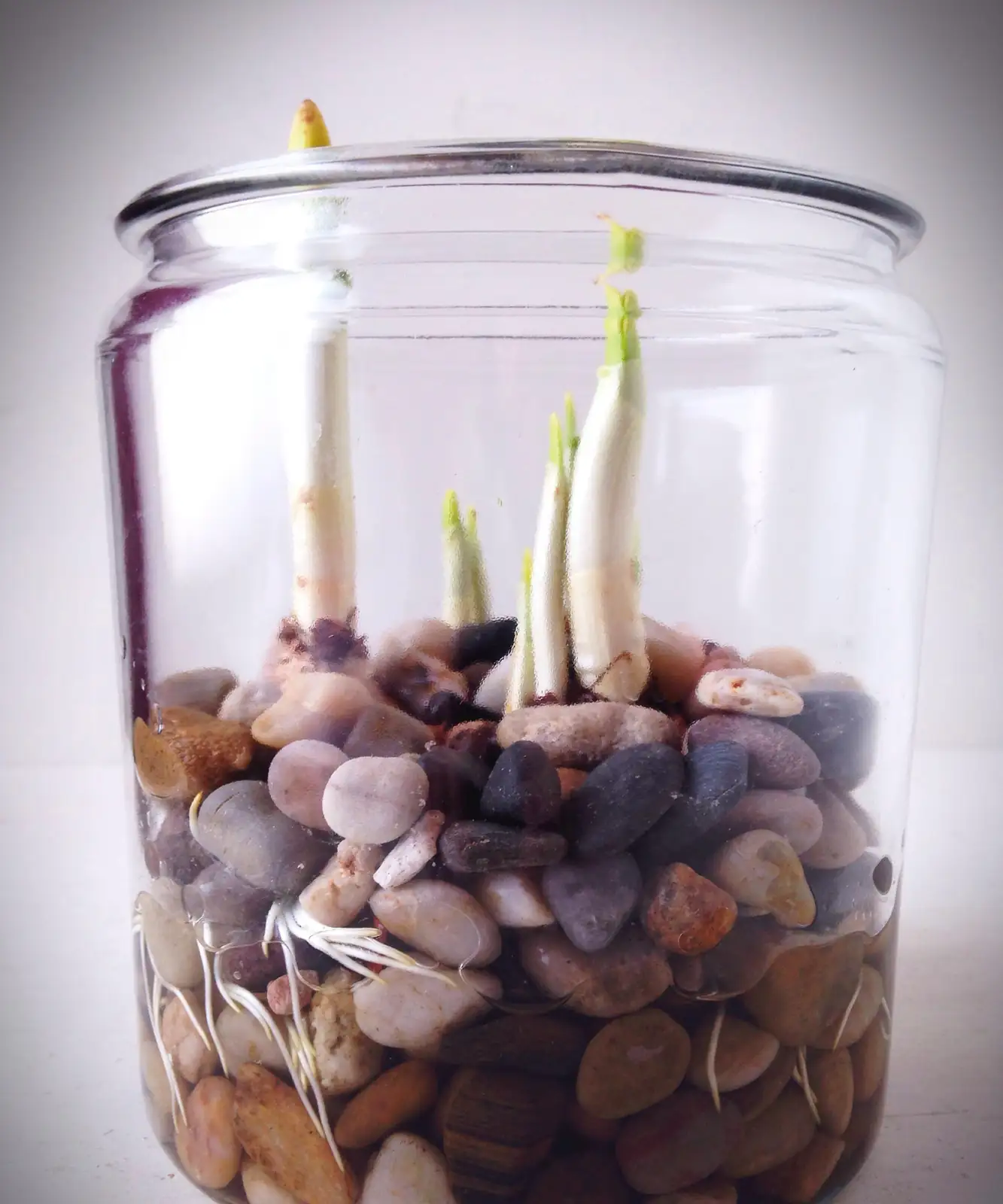
Pebble bowls (water culture)
- Look: Low, sculptural, and table-friendly; roots gleam through glass, pebbles feel spa-serene.
- Best for: Centerpieces where sightlines matter; quick seasonal styling.
- Care rhythm:
- Set bulbs on clean pebbles; add water so roots drink but bulbs stay mostly dry (just at/below the basal plate).
- Refresh water frequently (often daily early on, then weekly once buds form) and keep containers spotless.
- Use a heavy, stable bowl so plants don’t tip as stems elongate.
- Keep in mind: Hygiene is everything; stale water = rot. Water culture is fabulous for display, but it’s not the best route if you’re hoping to keep bulbs long term.
Pots (soil/gritty mix)
- Look: Classic and versatile; top-dress with moss, gravel, or shells for polish.
- Best for: Windowsills, cool entries, and anyone who prefers lower-maintenance watering.
- Care rhythm:
- Use a free-draining bulb mix (e.g., 2 parts potting mix to 1 part grit).
- Water lightly—keep evenly moist, never sodden. Don’t let the pot sit in water.
- Keep in mind: If you want to keep bulbs beyond a single season, pots give you the best chance—let foliage ripen after bloom, then rest the bulbs dry and cool.
Fragrance, height, and light: tuning the trio
Fragrance placement (and people who love cilantro will get this)
Paperwhite scent is rich, with notes related to jasmine and orange blossom. Some adore it; others find it intense.
- Where to place:
- Dining table: go for fewer stems or lighter-scented varieties, or move the arrangement in just for the meal.
- Entry hall, stair landing, powder room: perfect for a perfume “hello” that doesn’t overwhelm a seated dinner.
- Variety matters:
- Classic, strongly scented: ‘Ziva’
- Lighter, often shorter: ‘Inbal’, ‘Ariel’, ‘Nir’
- Space it out: Instead of one massive bowl, try two or three petite arrangements dispersed through the room.
Height control (no flopping allowed)
- Light, light, light: Give them the brightest window you have; rotate every few days for even growth.
- Go cool: Night in a 5–15°C (41–59°F) room keeps stems compact and extends bloom life.
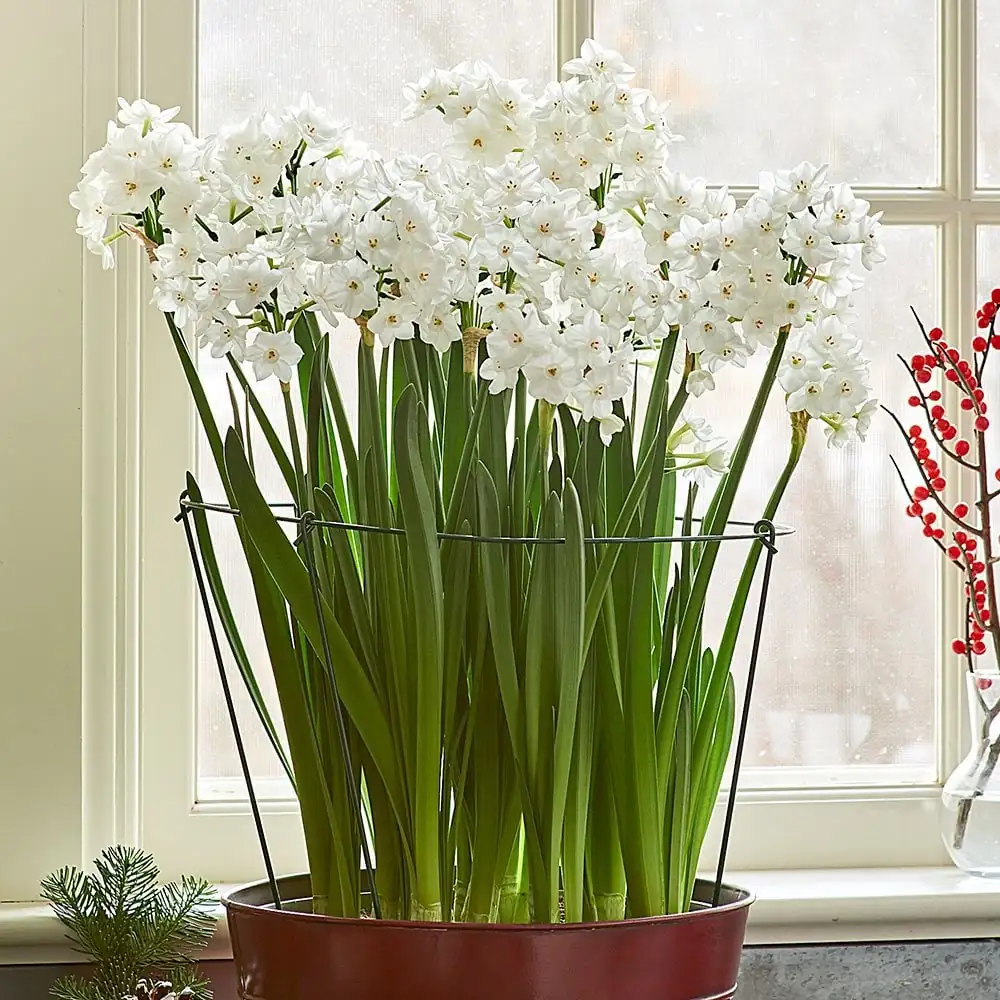
- Shape with style: Slip in a few decorative twigs (birch, willow) as an airy support “trellis.” Or corral bulbs closely; tight groups naturally support each other.
- Choose the right container: Heavy, low bowls for centerpieces; taller, narrow pots at windows can gently guide stems upward without splaying.
- Pro move, optional: The “short-stem” trick—after roots form and leaves emerge, some growers switch water-grown bulbs to a 4–6% alcohol solution to check height. If you try it:
- Mix clear spirits (about 40% alcohol) at roughly 1 part spirits to 7 parts water.
- Never use beer or wine (sugars cause problems).
- Too strong can stunt or damage plants, so measure carefully and test on just one bowl.
Cool-room display tips that make you look like a stylist
- Day and night routine: Let bowls bask in bright light by day; move them to a cooler room overnight to slow stretch and prolong bloom.
- Avoid heat sources: Radiators, fireplaces, and hot air vents will rocket stems and shorten the show.
- Air flow, not drafts: Fresh, moving air keeps stems sturdy and discourages mold; cold blasts from doors are less ideal.
- Ethylene alert: Keep developing buds away from ripening fruit (which releases ethylene and can shorten bloom life).
Color pairing and material palettes
Paperwhites are the little black dress of winter florals—effortlessly elegant, endlessly remixable.
- Monochrome calm:
- White flowers + white ceramic bowl + pale pebbles; add a linen runner in mushroom or pebble gray.
- Pair with pewter or matte black candlesticks for a minimalist, gallery feel.
- Evergreen chic:
- Surround bowls with clipped bay, rosemary, or short sprigs of conifer; add a few silver brunia or dusty miller accents.
- Citrus glow:
- Scatter kumquats or place a bowl of clementines nearby. The orange pop warms the white-on-white palette and visually “warms” the cool-season vignette.
- East Asian elegance:
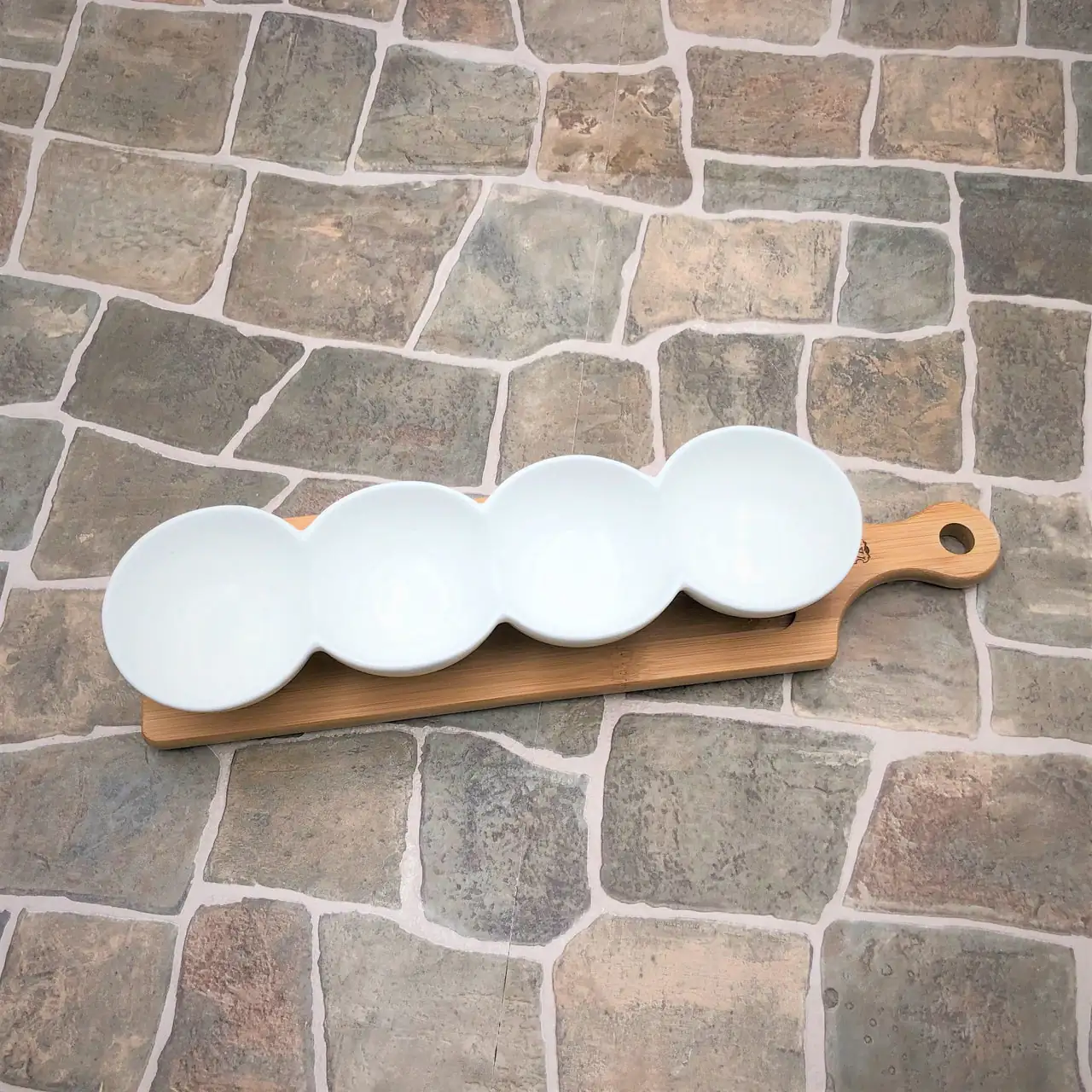
- A shallow porcelain dish with smooth river stones; arrange leaves in fan-like arcs and let flower stalks curve sculpturally. Set on a bamboo tray for Lunar New Year notes of purity and good fortune.
- Metallics that flatter:
- Brass, antique gold, or mercury glass amplify the creamy whites; cool chrome and clear glass read modern and crisp.
Tablescape tricks for winter gatherings
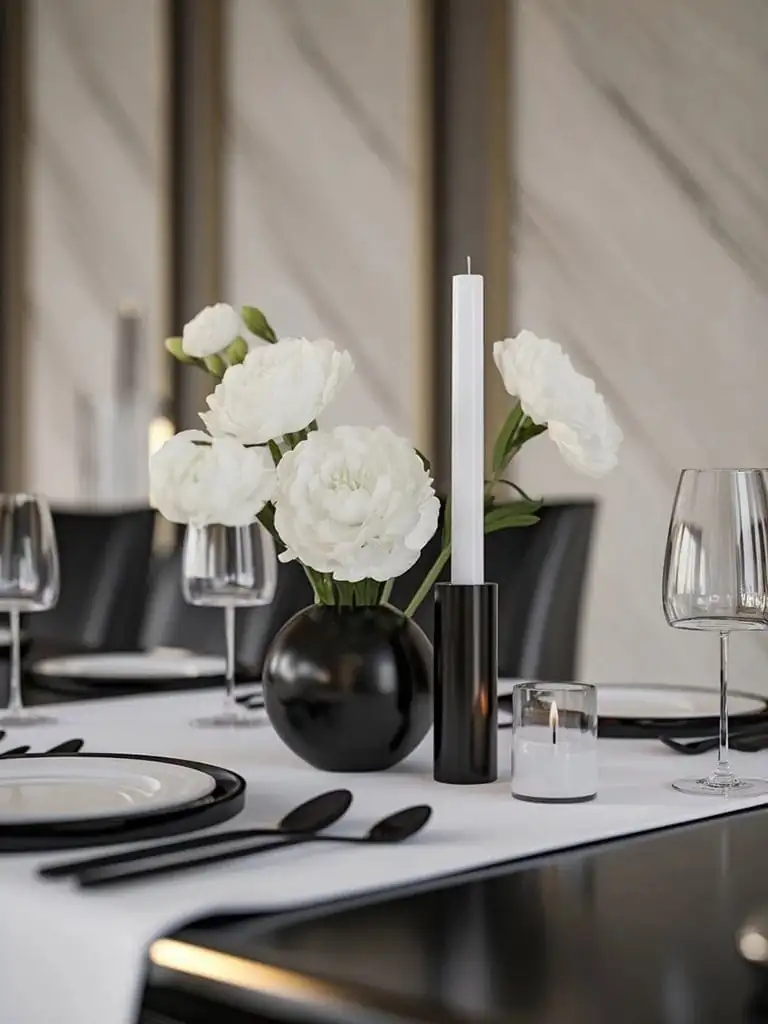
- Keep sightlines: Low pebble bowls belong in the dining center; taller potted displays shine on the sideboard or mantel.
- Clustered minis: Line several small vessels or bud vases down a runner. The result feels abundant, but each cluster is airy and conversation-friendly.
- Candle choreography:
- Use unscented candles so fragrances don’t clash.
- Place flames a safe distance from blooms (heat shortens flower life).
- The grand entrance:
- Let a dramatic, taller arrangement greet guests in the entry, then echo the theme with a petite, low bowl on the table.
- Linens and layers:
- Soft gray or oatmeal linens make the white flowers glow; add a glossy ceramic charger or mirror runner to double the sparkle.
- Party-proofing:
- Secure bowls with museum gel on slippery runners.
- Remove pollen-bearing anthers from blooms that hover over pale linens to prevent stains.
- House with pets or toddlers? Consider a cloche, tall mantle, or sideboard placement—remember bulbs are toxic.
A weekday-to-weekend display plan
- Monday–Thursday: Keep arrangements in your brightest window, cool at night. Water bowls lightly (roots wet, bulbs dry) and refresh water routinely; for pots, water sparingly.
- Friday: Rotate containers for even growth; groom any yellowing leaves and deadhead spent blooms.
- Saturday (the event): Move the centerpiece in just before guests arrive; keep extra arrangements on the buffet or console to scent the room without overwhelming the table.
- Sunday: Return plants to the cool-bright routine to extend the show.
Cut flowers and mixed vases
- Paperwhites make lovely cuts. Harvest when buds show color but aren’t fully open.
- Daffodil sap can shorten the life of other flowers. Condition stems alone in cool water for several hours first; then arrange with companions like eucalyptus, olive, or bare quince branches.
- Display cool and bright to extend vase life; change water frequently.
Quick care notes (so everything looks fresh longer)
- Water culture: Keep water shallow and very clean; roots in water, bulb body dry. Refresh often.
- Pots: Bright light; water when the surface just dries. Never waterlog.
- Feeding: For short-term displays, skip fertilizer. If you plan to keep bulbs, feed lightly during active growth after flowering.
- After bloom: Snip spent flowers, keep leaves until fully yellow (they’re recharging the bulb), then let bulbs rest dry and cool. In mild climates, you can move them outdoors in a spot with excellent drainage.
Troubleshooting style spoilers
- Tall and floppy: It’s almost always warmth + low light. Move to brighter light and a cooler room; rotate the pot and consider subtle twig supports.
- Leaves but no flowers: Bulbs may have been too small or depleted, or light insufficient. Tight spacing also helps stems stand tall.
- Rot or musty smell (bowls): Refresh water more often; lower the water level; improve airflow. Remove any decaying tissue promptly.
- A few aphids? Rinse gently or dab with a cotton swab; improve airflow and keep conditions cool.
Symbolism and flower language, thoughtfully
Narcissus has long symbolized renewal and new beginnings—those pure white blooms are like a promise that spring is on the way. In East Asian winter traditions, 水仙 (paperwhites) are displayed around Lunar New Year to invite good fortune and prosperity; the practice of carving and training the bulbs into elegant forms turns them into living sculptures of hope and refinement. In the West, the Narcissus myth (a youth captivated by his reflection) inspired an association with self-regard or self-love. Taken together, these “flower languages” remind us that meaning is cultural and layered: what’s vanity in one story can be mindful reflection or a fresh start in another. When you style paperwhites for winter, you’re staging a quiet ritual of renewal—exactly what the season calls for.
Enjoy your paperwhites as both plant and palette: modern, classic, or festival-bright. Give them light and cool air, and they’ll repay you with weeks of grace and fragrance—winter’s most elegant house guest.