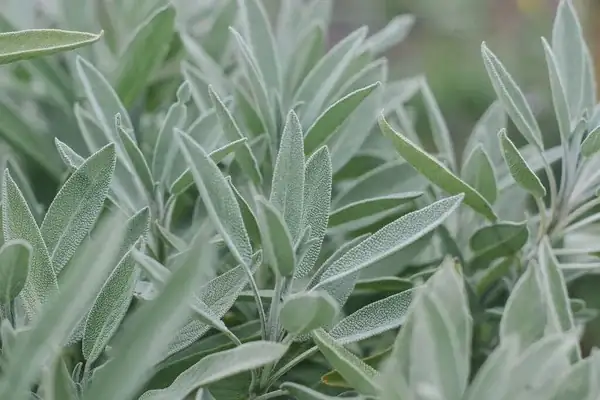
Breathe in: those silvery leaves smell like a walk through warm Mediterranean hills. Now imagine that same fragrance drifting over your vegetable beds—confusing pests, feeding bees, and setting the stage for a steadier, more self-regulating garden. Salvia officinalis, the culinary sage, isn’t just for roasting pans. It’s a living ally for cabbages and carrots, a nectar station for pollinators, and a handsome evergreen anchor that keeps the garden humming through the seasons.
Meet the plant behind the magic
- Name: Salvia officinalis (Common/Garden/Culinary Sage)
- Family: Lamiaceae (mint family)
- Habit: Upright, bushy, evergreen subshrub; young stems green, woody with age
- Size: Typically 30–90 cm (12–36 in) tall and wide; often 40–60 cm in gardens
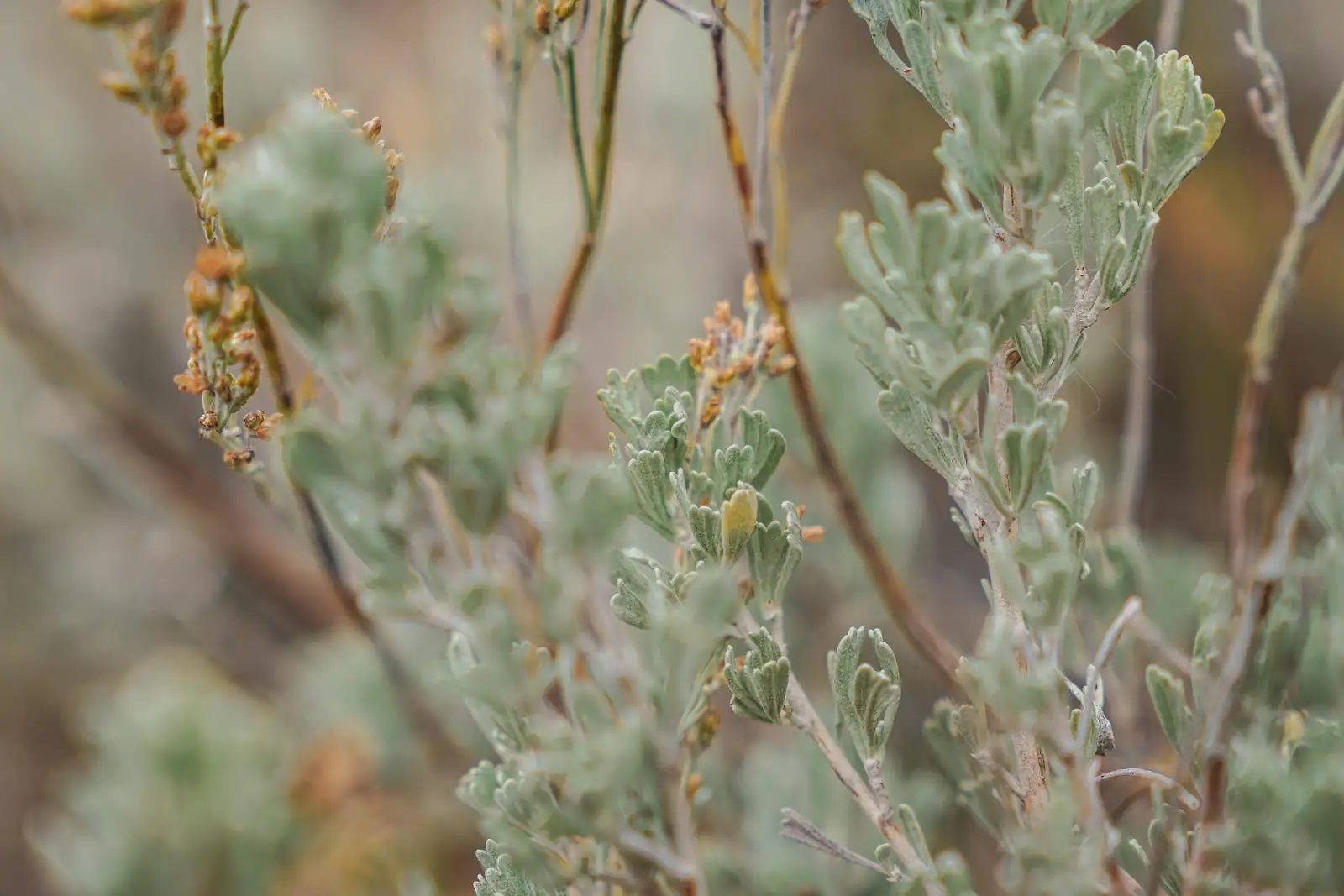
- Leaves: Grey‑green, softly fuzzy, wonderfully aromatic
- Flowers: Early to late summer (June–September); two‑lipped blue to purple spikes (sometimes pink or white), rich with nectar for bees and butterflies
- Nature: Drought‑tolerant, low‑maintenance, long‑lived when given sun and sharp drainage
Why sage supports a more balanced garden
Sage’s superpower is scent—complex, resinous oils that do double duty:
- Masking and muddling pest cues: The aroma can help confuse flying pests as they search for host plants.
- Feeding beneficials: The summer flower spikes are a reliable nectar source that draws pollinators and the “good bugs” that help keep pest populations in check.
In ecological terms, sage is both a signal and a shelter: a fragrant “scent fence” at ground level and a seasonal nectar bar up top. Plant it where it can broadcast both.
Pairing sage with cabbages (and their kin)
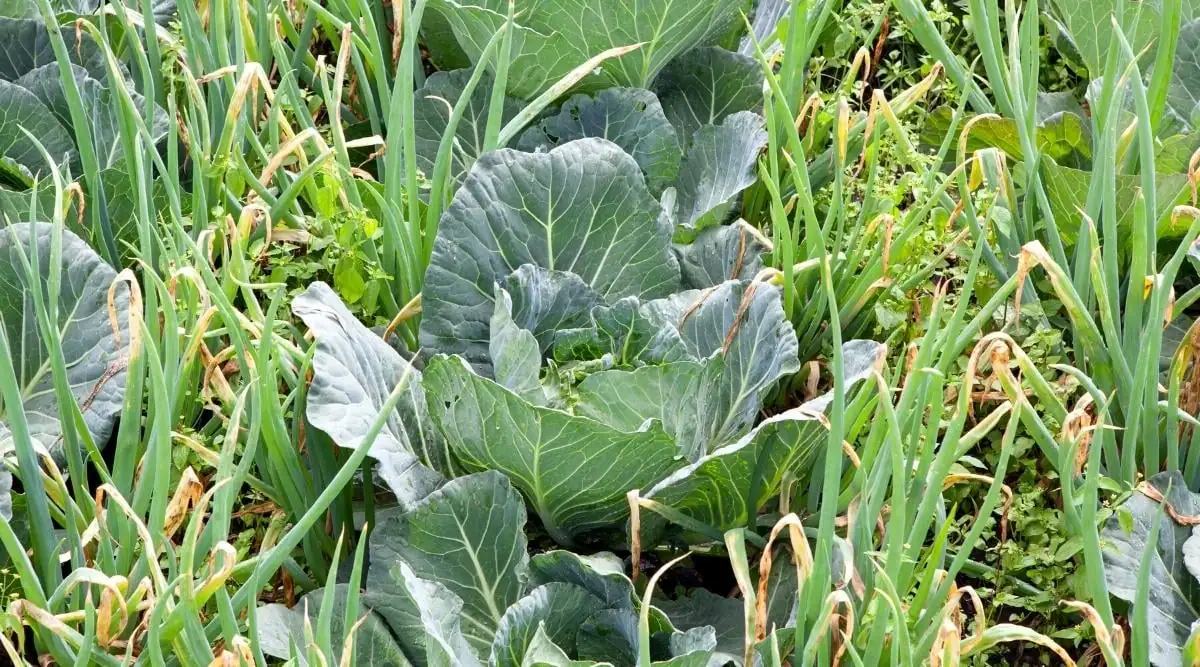
Brassicas—cabbage, broccoli, kale, Brussels sprouts, cauliflower, kohlrabi—are beloved by caterpillars and flea beetles. Gardeners have long tucked sage nearby to tip the balance.
What gardeners commonly observe
- Reduced trouble from cabbage moths/loopers and other brassica‑loving larvae
- Fewer flea beetle nibbles on seedling leaves
- Better “background buzz” from bees during sage’s bloom, which helps any flowering companions around the bed
How to lay it out
- Border strategy: Plant sage as a low hedge along the windward or sunny edge of a brassica bed—one plant every 60–90 cm (2–3 ft). The continuous aroma creates a gentle scent curtain.
- Corner anchors: Drop a sage at each corner of raised beds. It looks tidy and pumps fragrance across the planting.
- Weave‑through: If space allows, thread a sage plant every 1.2–1.5 m (4–5 ft) down long brassica rows.
Companion cast to boost the effect
- Nectar allies: Calendula, alyssum, and borage keep beneficial insects hovering near brassicas once sage finishes its main flush.
- Trap or decoy edges: Nasturtiums can lure some pests away from cabbages while the sage muddles the moth’s radar.
- Airflow matters: Brassicas are dense. Give sage elbow room for airflow to reduce humidity and help prevent powdery mildew.
Pairing sage with carrots
Carrots have a notorious nemesis: carrot rust fly. Many growers find that sage helps reduce fly pressure when planted nearby.
Smart carrot‑sage tactics
- End‑caps: Plant a sage at each end of carrot rows; scent concentrates where thinning and harvesting disturb the soil.
- Zigzag border: Alternate sage and flowers like calendula along the bed’s long side at 60–90 cm intervals.
- Timing: Thin carrots on breeze‑moving evenings; the sage scent plus reduced midday disturbance can lessen fly attraction.
Tip: For a resilient defense, pair sage’s masking aroma with good practice—gentle thinning, minimal bruising of tops, and, where needed, low barriers to block low‑flying carrot flies.
Pairing sage with pollinator crops
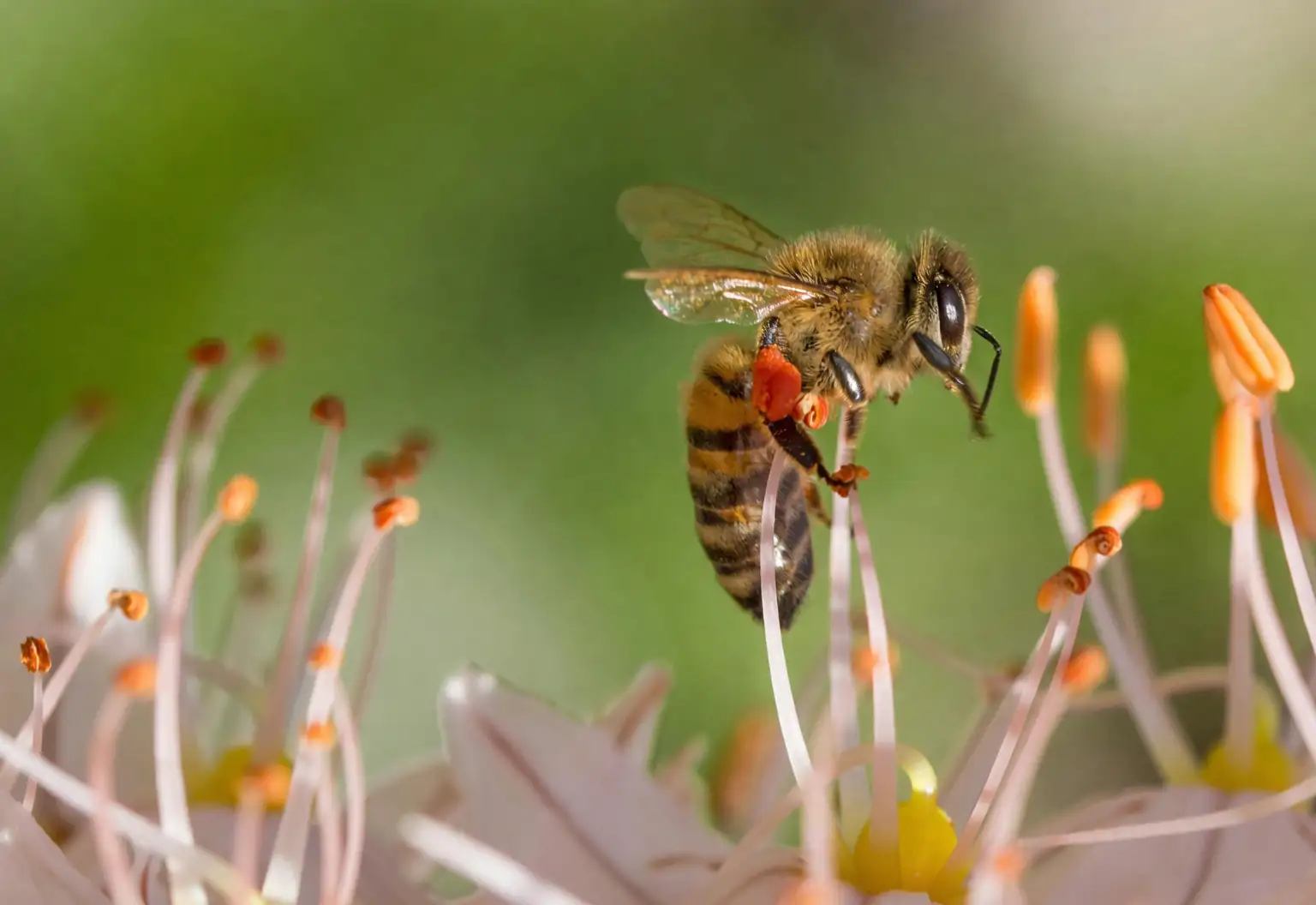
Sage blooms June–September, right when many gardens hit a pollinator lull. Its nectar‑rich spikes pull in bumblebees, honey bees, solitary bees, and butterflies.
Build a “bee boulevard”
- Sequence blooms: Plant sage with early and late flower partners so there’s always pollen on offer.
- Early: Chives, thyme
- Peak: Sage itself, borage, calendula
- Late: Oregano, lavender (in drier spots), and late calendula
- Patterning: Create repeating “islands” of sage and pollinator flowers every 1–1.5 m (3–5 ft) through and around vegetable beds. Repetition helps insects find resources fast.
- Sunny staging: Sage shines with 6+ hours of sun; that same exposure supercharges nectar production in its companions.
The grower’s cheat sheet
Site and soil
- Sun: Full sun (6+ hours). In very hot regions, a touch of afternoon shade is fine.
- Soil: Very well‑drained, lean to moderately fertile; pH about 6.5–7.0. In heavy soils, mix in grit or coarse sand.
- Spacing: Give each plant 40–60 cm (16–24 in) of width to breathe.
Water and feeding
- Water: Keep evenly moist while establishing. Once rooted, in‑ground sage is drought‑tolerant. For containers, water well, then allow the top 2–3 cm (about 1 in) to dry before watering again.
- Feeding: Go easy. Too much nitrogen makes floppy growth and fewer blooms. Container plants appreciate one light feed in late spring/early summer.
Pruning and longevity
- Spring: Lightly prune to shape and encourage fresh shoots; avoid cutting into leafless old wood.
- Summer: Trim spent flower spikes to keep plants compact and tidy.
- Renewal: Plants become woody and less productive over time; many gardeners replace or re‑start from cuttings every 6–7 years.
Common pitfalls
- Overwatering: The fast track to root rot. Ensure drainage and let soil dry a bit between waterings.
- Stagnant, humid air: Encourages powdery mildew. Use spacing and pruning to keep air moving—especially important when interplanting with dense vegetables.
Container or bed? Both work
- Beds: Use sage as a structural shrub in herb borders or as a bed‑edge guardian for brassicas and carrots.
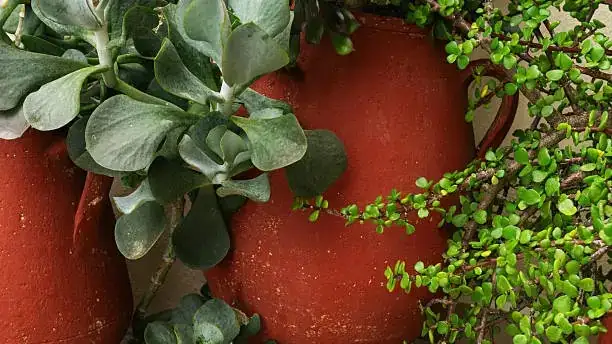
- Pots: Choose a container at least 30 cm (12 in) wide with generous drainage holes; add up to ~25% grit to the potting mix. Position pots like “scent beacons” beside target crops.
Harvest, flavor, and kitchen moments
- Harvest: Snip sprigs in the morning once dew dries. Sage’s aroma is most intense in full sun and lean soil.
- Storage: Dry small bundles in a warm, airy, shaded spot until crisp; jar airtight. Or freeze chopped leaves—ice cube trays work perfectly.
- In the pan: Earthy, savory, slightly peppery—sage loves butter, roasts, beans, and squash. Remember: essential oil is not for ingestion; keep culinary use to the leaves.
Health and safety snapshot
- Generally safe as a culinary herb. Sage contains thujone—very large medicinal doses or ingestion of essential oil can be harmful. Seek professional guidance for medicinal use, especially during pregnancy or nursing.
Folklore, symbolism, and the “herb of the wise”
Sage’s very name comes from Latin “salvere,” to heal or save, echoing centuries of admiration. Its flower language—wisdom, longevity, good health, domestic virtue—grew from its medicinal reputation and everyday usefulness. Romans used it ceremonially; Charlemagne ordered it planted across imperial estates. Old sayings claimed a home with sage needed no doctor. While poetic, these traditions capture a truth gardeners still feel: a small shrub that nourishes kitchen and ecosystem alike is worth planting.
Quick garden plans to try
1) Brassica border balance
- Edge: Sage every 75 cm (30 in)
- Infill: Alyssum and calendula between sages
- Bed: Cabbage and broccoli in staggered rows
- Care note: Keep 40–50 cm gap from cabbage heads for airflow and easy harvest
2) Carrot corridor
- Ends: One sage plant at each row end
- Side: A zigzag of sage and calendula along the sunny edge
- Practice: Thin at dusk; mulch lightly to mask scent; keep soil disturbances gentle
3) Pollinator promenade
- Repeating trio every 1.2 m (4 ft): Sage, borage, oregano
- Surrounding crops: Beans, peppers, and flowering herbs that benefit from extra bee visits
- Maintenance: Deadhead borage and trim sage blooms to extend the buffet
Seasonal rhythm
- Spring: Plant or prune lightly; take softwood cuttings; set containers in full sun.
- Summer: Harvest often; let sage flower for pollinators, then trim; water containers when the surface dries.
- Autumn: Reduce watering; layer stems or take divisions where appropriate; tidy without hard pruning.
- Winter: Protect from winter wet; water sparingly; site pots in bright, sheltered spots. Hardy in USDA Zones 4–10 depending on cultivar and drainage.
Sage’s grey‑green mounds do more than look pretty—they perfume the air, distract the troublemakers, and feed the helpers. Tuck Salvia officinalis beside your cabbages, at the ends of your carrot rows, and along your pollinator plantings, and you’ll feel the garden exhale into balance.