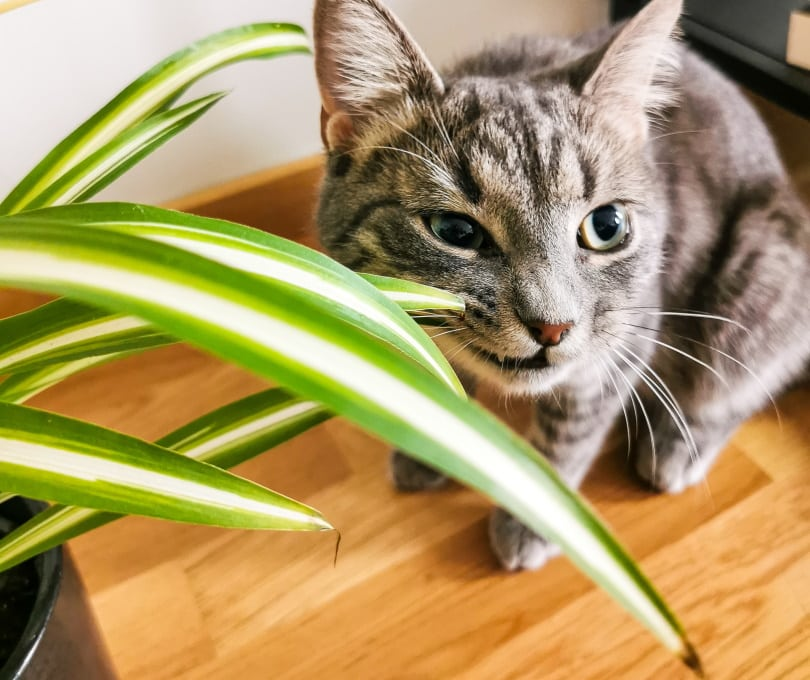
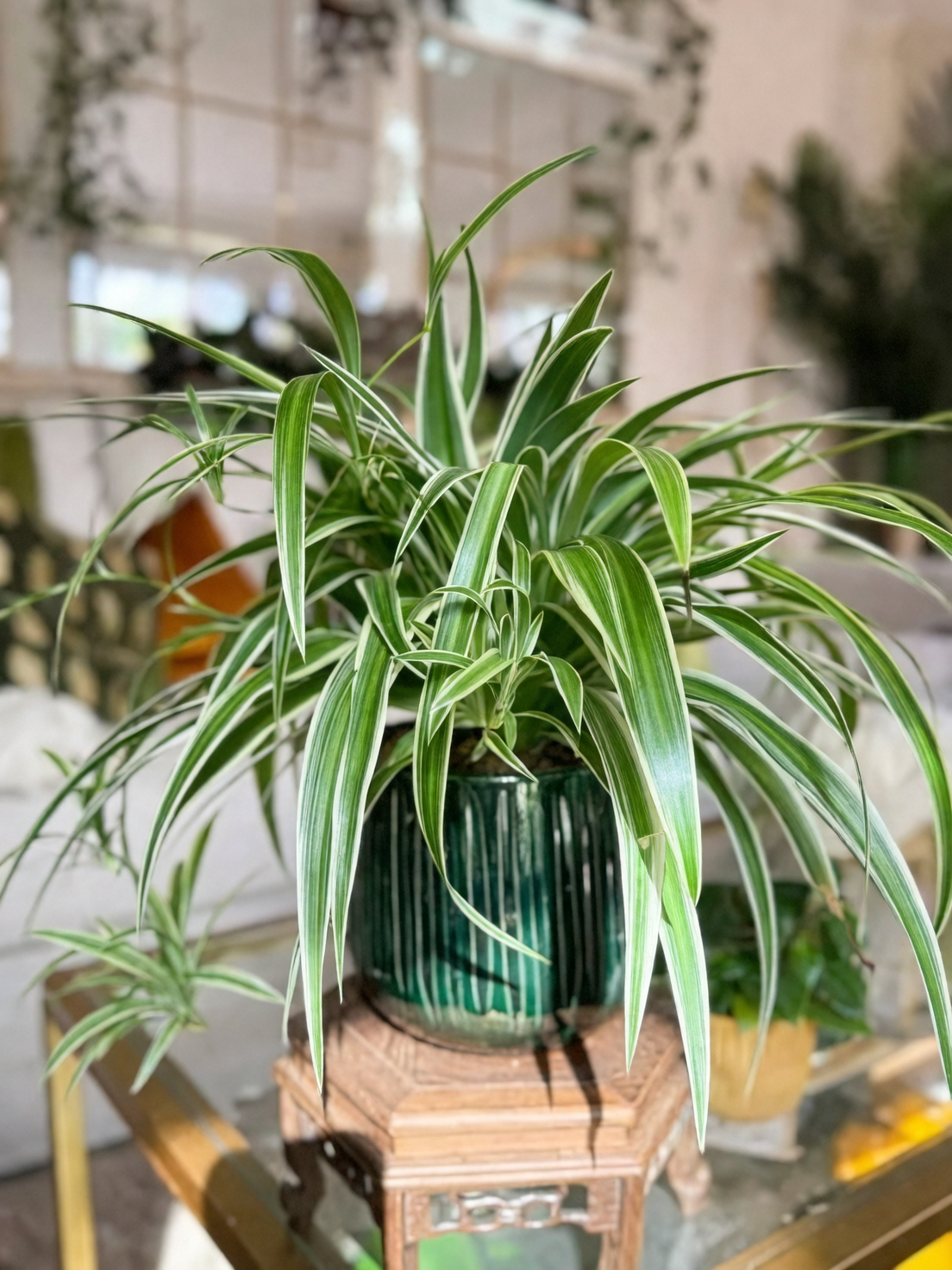
Walk into any cat-loving home and you’ll spot it: a graceful fountain of green-and-cream ribbons, runners draped with tiny “spiders” like a mobile in motion. That’s Chlorophytum comosum—the spider plant—beloved for being beautiful, beginner-friendly, and widely considered safe around pets. But if your feline is fixated on those fluttering leaves, a little strategy goes a long way. Here’s how to keep both plant and pet happy.
Meet Chlorophytum comosum (Spider Plant)
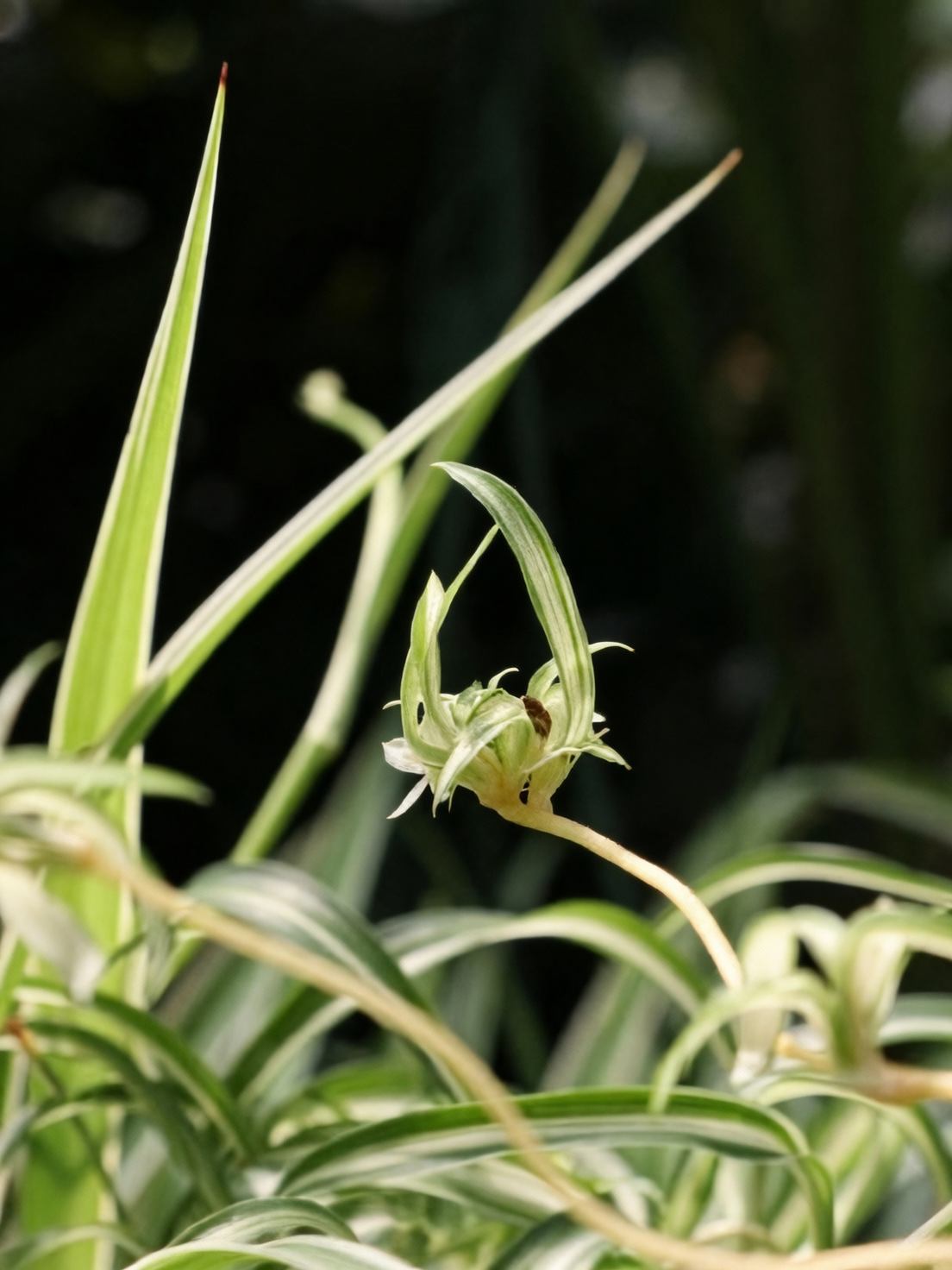
Native to southern Africa and now a global houseplant classic, spider plant is an evergreen foliage plant in the Asparagaceae family. Its narrow, arching leaves form a lively rosette, and long runners dangle starry white flowers and ready-to-root baby “spiderettes.” It shines in bright, indirect light, tolerates lower light, and earned a long-standing reputation as an air-freshening companion indoors. Once settled in, it’s fast, forgiving, and famously easy to share.
Common names you might see:
- Spider Plant, Airplane Plant, Ribbon Plant, Spider Ivy, St. Bernard’s Lily
The Pet-Safety Verdict
- The good news: Spider plant is generally considered non-toxic to humans and most pets, including cats and dogs.
- The fine print: Many cats are irresistibly drawn to the leaves. Chewing can cause mild stomach upset (think occasional vomiting or soft stool), especially if a cat overindulges. Some caretakers even notice a mild catnip-like effect when a cat eats a lot—another reason to limit access.
- When to call your vet: If your pet shows persistent vomiting, diarrhea, lethargy, drooling, or unusual behavior, or if you’re unsure what was eaten. Keep a close eye if you have other plants at home that may not be pet-safe.
Why Cats Are So Into Spider Plants
Think like a cat, and the spider plant is practically a playground:
- Grass-like design: Those long, strap leaves mimic lawn grasses, which many cats instinctively nibble.
- Motion that teases: Runners and dangling plantlets sway and bounce—the feline version of a feather wand.
- Texture and novelty: Crisp, ribbon-like foliage offers chewable intrigue.
- A little “extra”: Some cats seem mildly stimulated after a big snack, similar to a gentle catnip response. Not dangerous, but not ideal.
Smart Placement: Stylish, Cat-Savvy, and Plant-Forward
Give your spider plant all the light it loves, minus the feline chomp.
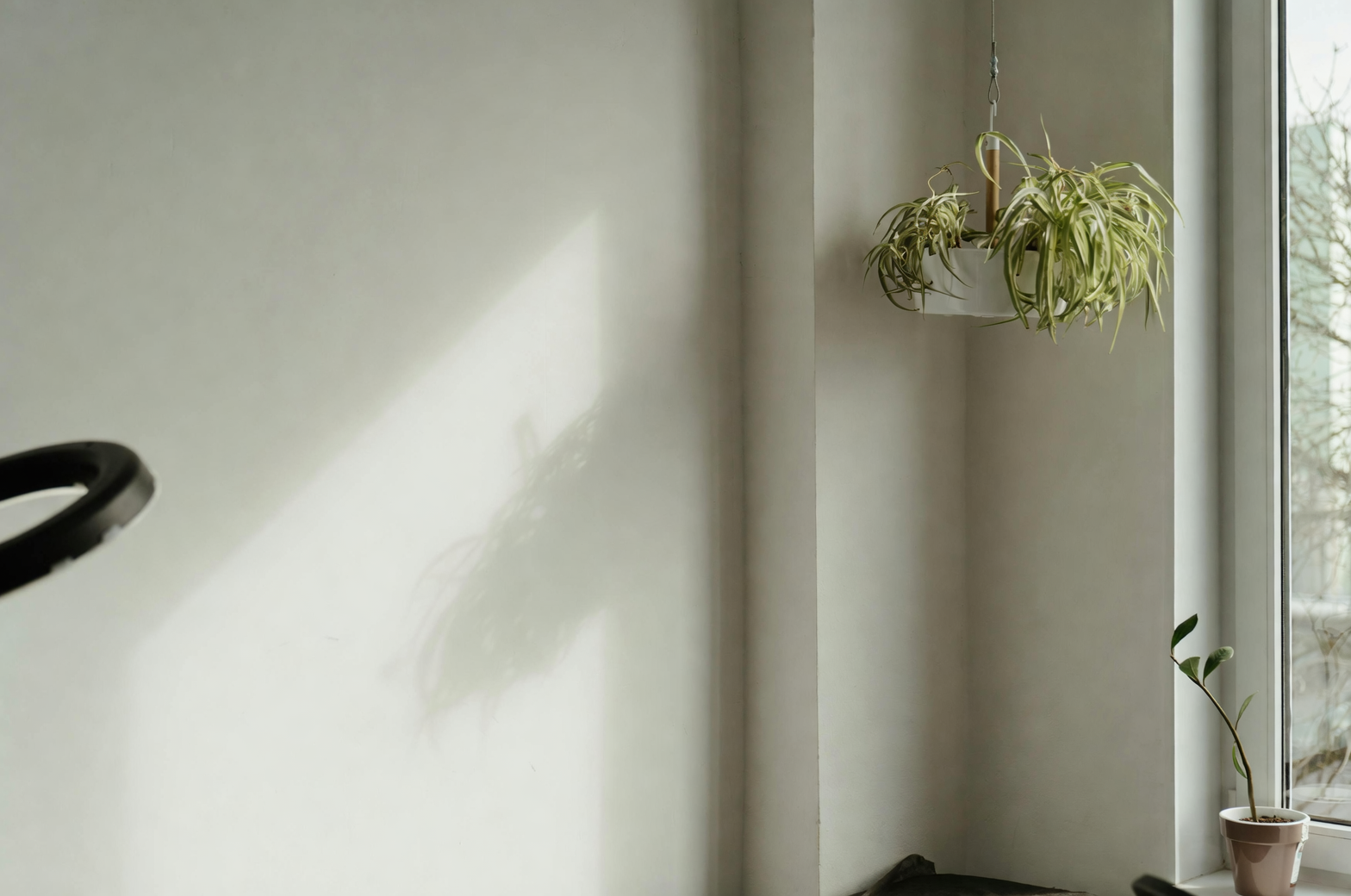
- Aim for bright, indirect light:
- Near an east window or a bright north window is perfect.
- A few feet back from strong south/west windows (or behind a sheer curtain) prevents scorch.
- Elevate with intention:
- Hanging baskets and macramé slings keep foliage aloft; place them with no nearby “launch pad” shelves or window perches.
- High, narrow shelves or wall planters create distance without clutter.
- Behind glass (a bright cabinet or indoor greenhouse) works in design-forward spaces.
- Reduce temptation:
- Trim or remove the longest runners if they dangle within paw’s reach.
- Add a stable, heavier pot or secure hanger hardware so a curious jump doesn’t topple the plant.
Enrichment Strategies That Protect Your Plant (and Delight Your Cat)
Redirect the nibbling and pouncing instinct to cat-approved outlets.
- Offer safe “chewables”:
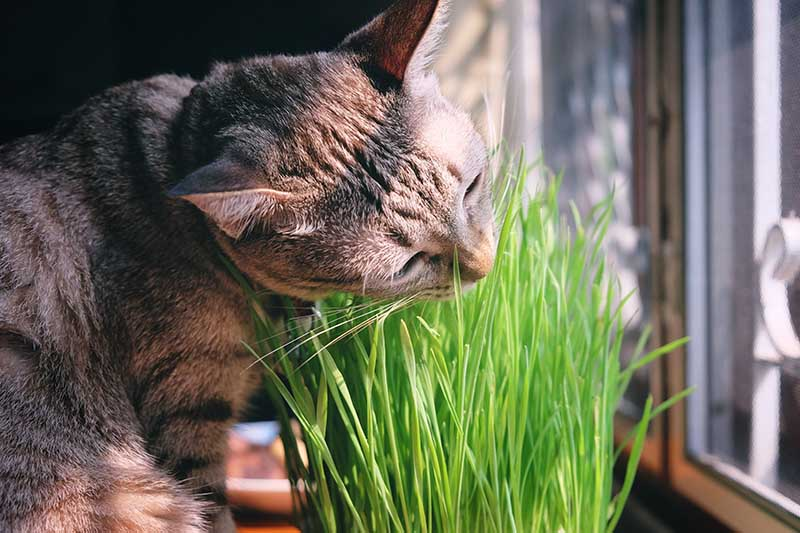
- Keep fresh pots of wheatgrass or oat grass available; rotate new trays to maintain tender growth cats prefer.
- Provide catnip or silver vine toys for a different kind of fun.
- Make movement elsewhere:
- Schedule daily interactive play (wand toys, chase circuits) near—but not against—plant zones.
- Add a window perch or climbing tree away from hanging plants to satisfy the urge to survey and stalk.
- Train with positives:
- Reward “plant ignore” behavior with treats and praise.
- Establish no-go surfaces with double-sided tape or crinkly mats on jump-off points (not on the plant or soil).
- Gentle deterrents:
- Place citrus peels or a sachet of citrusy, pet-safe scent nearby (not on the leaves) to discourage approach.
- Top the soil with decorative pebbles to deter digging while allowing drainage.
Quick Care Notes for a Thriving Spider Plant
A vigorous, well-sited plant is easier to protect—and better looking, too.
- Watering: Aim for “evenly moist, never soggy.” Water when the top 2–3 cm (about 1 in) of mix dries, then drain well. Its thick, fleshy roots store water, so overwatering is the bigger risk. To limit brown tips from mineral buildup, flush the pot monthly with lukewarm water and consider filtered or rainwater if your tap is high in fluoride/chlorine.
- Light: Bright, indirect light brings vivid striping and more runners. It tolerates lower light but may produce fewer plantlets.
- Temperature & humidity: Happy around 18–24°C (64–75°F). Keep above 7°C (45°F). Average indoor humidity is fine; a touch more reduces tip browning.
- Feeding: During active growth (spring–early autumn), use a balanced liquid fertilizer every 2–3 weeks or lightly every 10–14 days. Go easy on nitrogen to keep variegation crisp.
- Repotting & propagation: Refresh every 2–3 years; slightly snug pots often encourage runners. Plantlets root in water in 1–2 weeks or directly in moist mix. Water culture works long-term if you keep the crown above the waterline and refresh water regularly.
If Your Cat Just Chomped a Leaf
- Step 1: Gently remove access to the plant and offer fresh water.
- Step 2: Wipe any leaf residue from your cat’s mouth with a damp cloth if they’ll allow it.
- Step 3: Monitor for mild GI signs. Most minor upsets pass quickly.
- Step 4: If symptoms persist or you keep other, unknown plants, contact your vet and note what was eaten.
FAQ for Cat Guardians
- Will chewing kill my plant? Usually not—chewing causes cosmetic frays or brown tips. Trim damaged leaves at the base or follow the natural point for tidy edges; your spider plant is resilient.
- Are some varieties less enticing? Cats respond to motion and grass-like shape more than stripe pattern. Curlier types (like ‘Bonnie’) may move even more in a draft, so hang them higher if your cat is acrobatic.
- Can I grow it in water and still keep it safe? Yes—just hang or elevate the container and keep the crown above water. Change water every 7–10 days in warm seasons (about every two weeks in winter), and add a diluted nutrient periodically.
A Little Meaning: Resilience You Can Share
Spider plant is often seen as a symbol of renewal and resilience—an easygoing companion that bounces back and freely multiplies. Its “flower language” in modern gifting circles leans into that generosity: passing along a baby plantlet is like sharing a small piece of fresh start. For pet households, it also comes to represent harmony—greenery that coexists with whiskers and curiosity, with just a dash of smart design.
Bottom line: Spider plant is a friendly choice for homes with cats. Keep it bright, lifted, and out of pounce range; give your feline some sanctioned greens and good playtime; and enjoy the gentle sway of those ribbon leaves—untouched, unchewed, and gloriously alive.