
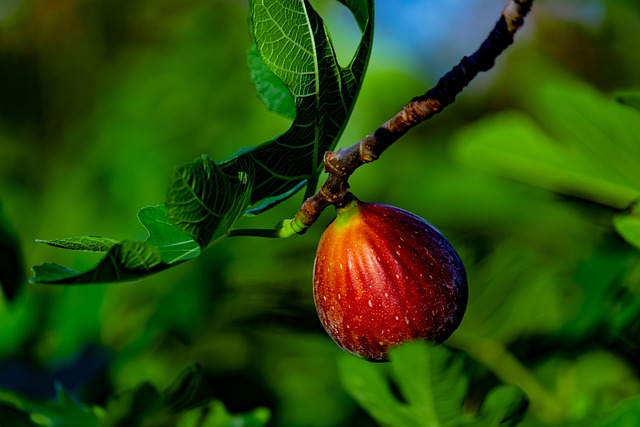
If you’ve ever tasted a sun-warmed fig that’s honey-sweet all the way to the center, you’ve tasted good pruning. With common fig (Ficus carica), a thoughtful structure—and the light it lets into the canopy—can mean the difference between uneven, late ripening and a steady parade of syrupy, evenly colored fruit. The best part? Fig pruning is forgiving, beginner-friendly, and wonderfully actionable once you choose your shape and stick to a simple annual rhythm.
Meet your fig: a few fast truths to guide your cuts
- Deciduous and self-fertile, the common fig grows as a small tree or large shrub, typically 10–30 ft tall, often spreading as wide as it is tall.
- Figs form inside a syconium (that “inside-out flower” we call a fig). Many garden varieties set fruit without pollination.
- Two crops are possible on many cultivars:
- Breba crop: early summer, on last year’s shoots.
- Main crop: late summer to fall, on new growth that springs from last year’s wood.
- Sun matters: aim for 6–8 hours of direct light daily for flavor, color, and ripening.
- Climate fit: generally hardy in USDA Zones 7–10, with cold-hardy selections managing Zone 6 with protection.
- Safety note: the milky sap (latex) can irritate skin. Wear gloves and long sleeves when pruning; keep prunings away from pets.
Why prune figs? The light–sugar connection
Think of a fig leaf as a solar panel feeding sugar to a small, hungry sink (the fruit). When interior leaves get real light—not deep shade—they photosynthesize more, pumping sugars and flavor-building compounds to nearby fruit. An open, airy canopy:
- Drives sweeter figs and more even ripening across the tree.
- Reduces humidity pockets that encourage rust and fruit rots.
- Helps prevent splitting after summer rains by improving airflow and drying.
- Keeps height and spread in check for easier harvest and netting against birds.
The goal is not a “bonsai” fig. It’s a bright, well-ventilated canopy that sends sunlight along the scaffolds and into the middle, where fruit density (and quality) tends to lag without pruning.
Choose your structure: open vase vs. multi-leader
Two classic forms deliver the light figs love. Pick one based on climate, space, and upkeep style—and commit. Consistency makes pruning quick and nearly foolproof.
Open vase (open center)
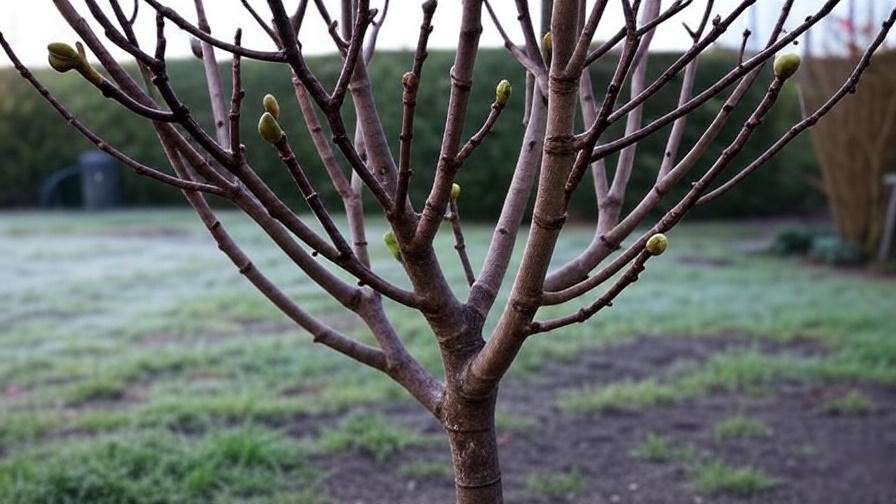
- What it is: A short trunk supporting 4–6 primary scaffold branches radiating outward, with a hollow, bowl-like center.
- Why choose it:
- Exceptional light penetration for uniform ripening.
- Easy to net, thin, and harvest from all sides.
- Ideal in warm-summer climates and for backyard trees you want to keep 8–12 ft tall.
- How to establish (years 1–3):
- Plant and let the first season build roots. Do only light shaping.
- Late winter of year 2, head the main stem to ~24–36 in to trigger strong low branching.
- Select 4–6 evenly spaced, outward-angled branches (roughly 45–60°) as scaffolds; remove or shorten competitors.
- Shorten each scaffold by 20–30% to an outward bud to encourage side shoots that will carry fruit.
- In subsequent dormant seasons, keep the center open by removing inward growth and thinning overly dense areas.
Multi-leader (bush form)
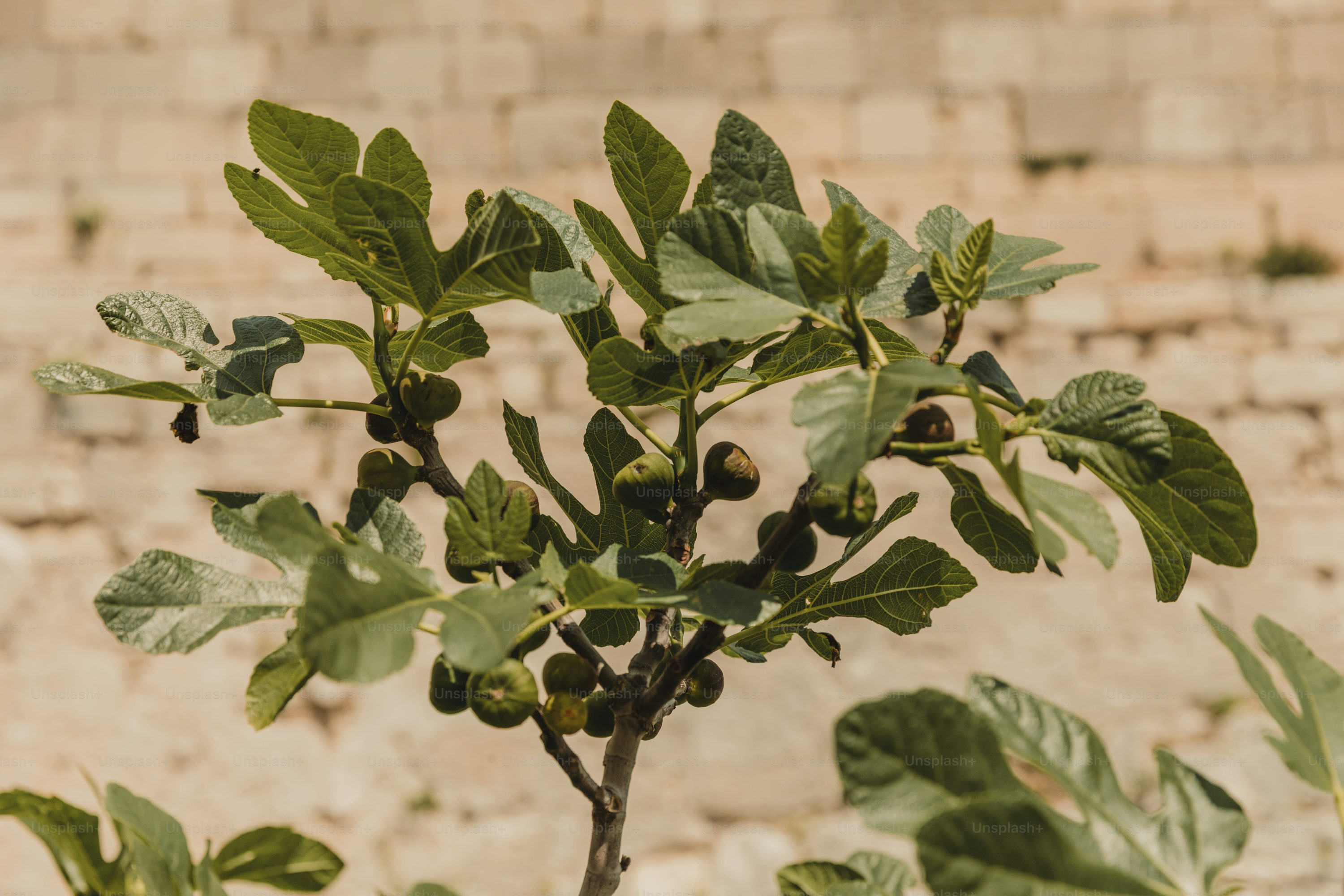
- What it is: A shrub-like plant with 3–6 trunks (leaders) arising from the base.
- Why choose it:
- Built-in resilience in colder areas—if one leader dies back, others rebound.
- Great for containers and tight spaces; you can renew leaders on a cycle.
- Can be kept low (6–10 ft) with regular thinning.
- How to establish (years 1–3):
- Let a young plant send up multiple shoots in year 1; don’t over-prune.
- In late winter of year 2, select 3–6 strong, well-spaced base shoots as leaders; remove the rest at ground level.
- Head each leader by 20–30% to outward buds, promoting lateral fruiting shoots.
- Each dormant season, thin crowded laterals and remove the weakest leader(s). Renew by allowing one or two new strong suckers to replace older leaders over time.
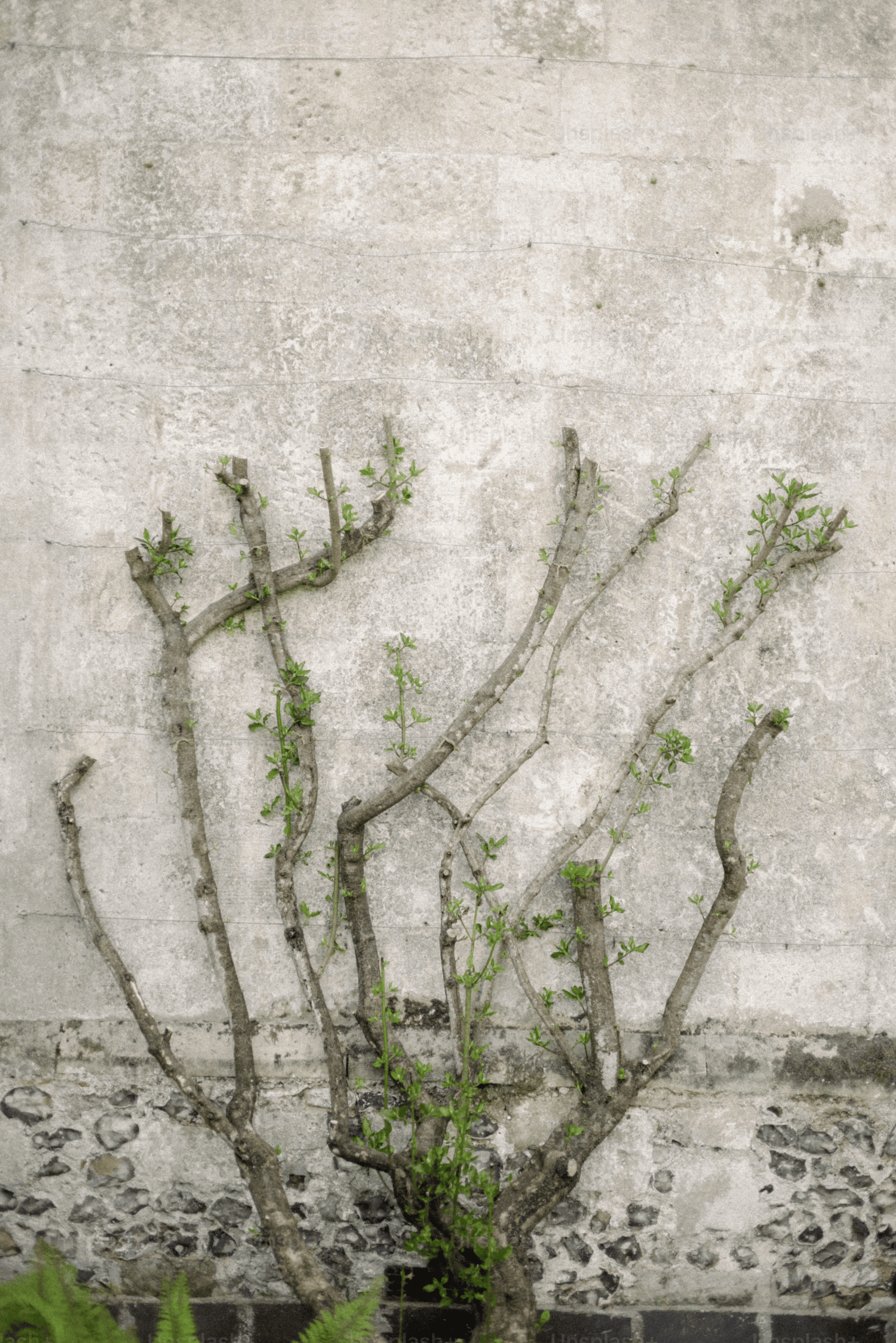
Tip for cool climates: A south-facing wall (fan-trained) can mimic an open vase’s light while adding heat. It’s a smart hybrid approach for borderline zones.
The pruning calendar: timing that works with the tree
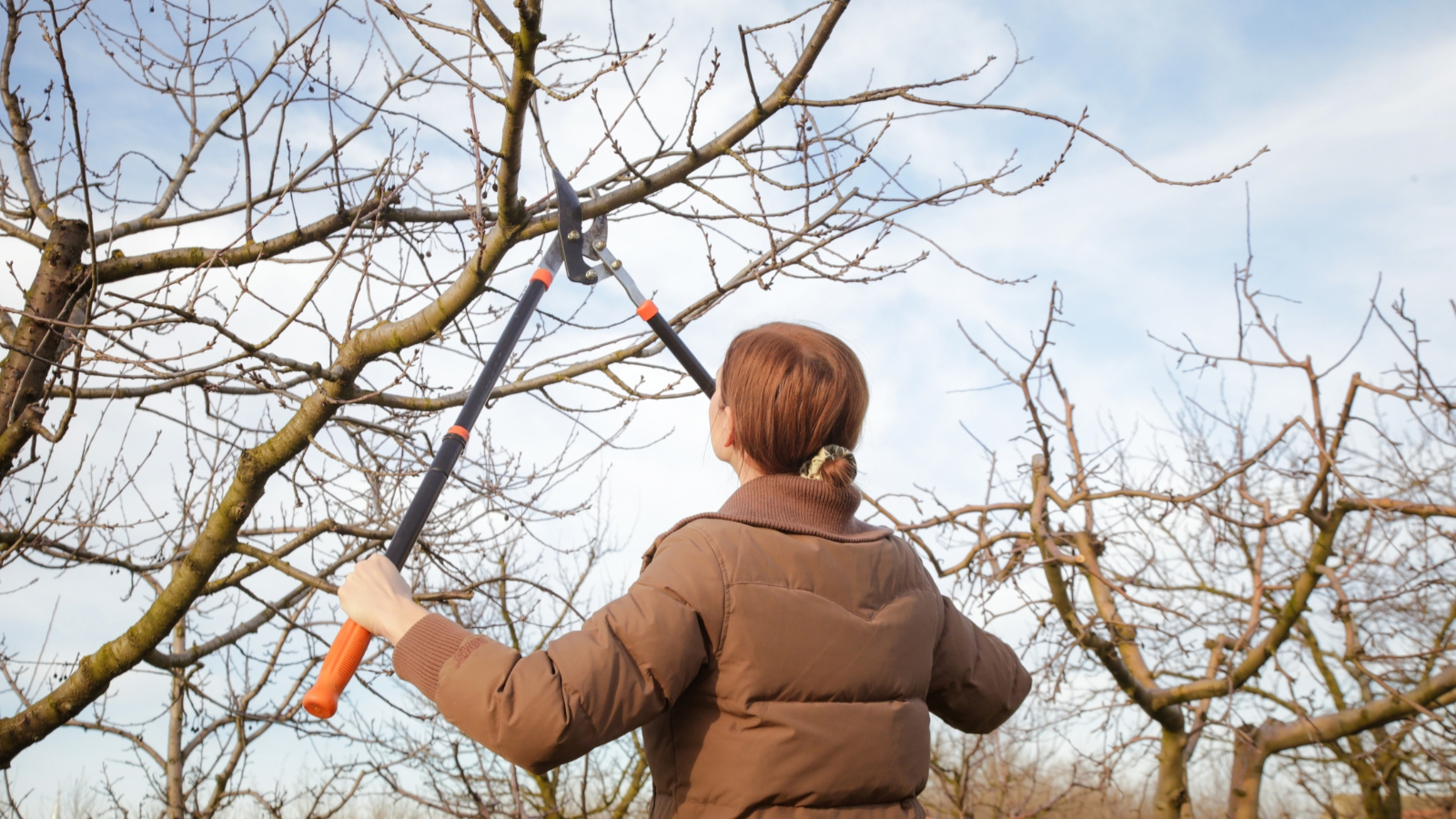
- Late winter to early spring (dormant): Do the main structural work. This is the safest window—reduced sap flow, fast healing, and no disturbance to active growth.
- Early summer: Light touch-ups only. Pinch overly vigorous tips, remove green suckers, and thin small interior shoots shading fruit clusters.
- Fall: Avoid heavy cuts. In cold zones, wait until deep dormancy to do any cleanup so you don’t stimulate tender growth.
If cuts bleed milky sap in late winter, wait a week or two and resume—bleeding typically declines as true dormancy deepens.
Step-by-step: your annual dormant pruning plan
- Sanitation pass
- Remove dead, diseased, storm-damaged, or rubbing wood.
- Cut out water sprouts and shoots growing straight into the center.
- Sucker decision
- Tree form (open vase): remove all basal suckers at or just below soil level.
- Bush form (multi-leader): keep only the best 3–6 leaders; remove extras.
- Thin for light
- Aim to see dappled light through the canopy at midday.
- Keep scaffold spacing; remove or shorten branches that crowd or run parallel.
- Favor outward-angled branches; remove steeply vertical, shaded, or downward-pointing growth.
- Size control and fruiting wood
- Shorten overly long scaffolds by 20–30% to a strong outward bud.
- Preserve a balance of 1- to 3-year-old wood: main crops form on new shoots from last year’s wood; brebas form on last year’s shoots themselves.
- On vigorous trees, head last year’s laterals lightly to stimulate well-lit side shoots near the trunk.
- Final polish
- No stubs: cut just outside the branch collar.
- Big cuts? Keep clean and smooth; sealing is usually unnecessary. Let latex dry naturally.
- Step back: you want an open center, confident scaffolds, and daylight reaching interior leaves.
Summer shaping that boosts sweetness
- Pinch back rank, vertical shoots once they have 5–7 leaves to encourage lateral fruiting spurs and keep shade off lower fruit.
- Strip small, leafy twigs that crowd clusters inside the canopy.
- Remove green suckers early, when they’re finger-thick or smaller—one clean slice at the base reduces resprouting.
- Avoid heavy summer heading that can shove ripening into late fall.
Suckers: control vs. clever use
- To minimize resprouting, slice suckers flush at or just below soil level; don’t leave stubs.
- In cold regions, keep one low, healthy sucker as “insurance” after severe winters—then select the best and remove the rest in spring.
- For renewal, especially in a multi-leader shrub, allow one strong new sucker each year to replace an aging leader; remove an old one to maintain 3–6 total.
How pruning translates to sweeter, more even fruit
- Light on leaves, not necessarily on fruit, is the sweetness engine. Well-lit interior leaves produce more sugars that feed nearby figs, so interior figs ripen on pace with outer ones.
- Airflow dries dew and rain quickly, limiting rust and souring organisms that can turn figs bland or off-flavored.
- A right-sized canopy balances leaf area (sugar factory) with fruit load (sugar demand), so figs color and soften evenly rather than stalling half-ripe.
Watering note for flavor: Keep moisture consistent as fruit swell—deep water mature, in-ground trees every 10–14 days in dry spells, and never let containers stay soggy. Big wet–dry swings can split or dilute fruit.
Year-by-year pruning roadmap
Year 0–1 (establish roots)
- Plant in full sun, well-drained soil (pH ~6.0–7.5).
- Stake only if necessary; avoid heavy pruning the first growing season.
- Late winter of year 1: make only light corrective cuts.
Year 2 (choose form)
- Open vase: head the trunk to 24–36 in; select 4–6 scaffolds; remove others.
- Multi-leader: select 3–6 best base shoots; remove extras.
- Shorten selected branches by 20–30% to outward buds.
Year 3 (fill the frame)
- Thin interior and competing laterals; keep the center open.
- Maintain height where you can comfortably net and harvest (often 8–12 ft).
- Begin gentle renewal: remove a portion of oldest, least-productive wood each winter.
Mature maintenance (every year thereafter)
- Repeat the dormant plan: sanitation, sucker choice, thinning, size control.
- Renew overgrown or shaded sections by cutting one or two older laterals or a tired leader back to a well-placed young shoot each year.
- Container trees: root-prune and refresh potting mix periodically to keep growth balanced and fruiting strong.
Cold-climate tactic: In Zones 6–7 with frequent dieback, grow a multi-leader shrub. After winter, cut dead wood to live tissue and let vigorous shoots rebuild the fruiting frame. Mulch heavily and use a warm wall for reflected heat.
Tools, technique, and safety
- Sharp bypass pruners, loppers, a clean pruning saw.
- Disinfect blades between trees (and between diseased cuts) to limit disease spread.
- Make angled cuts just outside the branch collar; no stubs.
- Wear gloves and sleeves to avoid latex irritation; eye protection for overhead cuts.
- Dispose of diseased leaves/fruit; don’t compost rust-laden foliage.
Pruning-linked troubleshooting
- Lots of leaves, few figs: you may be overfertilizing. Use a balanced fertilizer in early spring; feed established trees only if growth is weak (under ~12 in of new shoot growth per year).
- Figs souring or splitting: thin the canopy for faster drying; keep watering steady; harvest promptly. Net or bag clusters—birds love ripe figs.
- Shaded interiors, late ripening: open the center wider; shorten long, leaf-loaded scaffolds to bring fruiting closer to the light.
Quick cultivar and placement hints
- Reliable home-garden choices include ‘Brown Turkey’, ‘Celeste’, ‘Chicago Hardy’ (cold-tolerant), ‘Black Mission’, and ‘Kadota’.
- In humid climates, prioritize airflow in pruning; open vase excels here.
- Along a south-facing wall, fan-train for added heat in cooler regions; it’s essentially an “open vase on the wall.”
Bonus: turn prunings into new trees
Hardwood cuttings root easily. Take 8–12 in pieces in late fall to early winter, insert into a moist, well-drained medium, and keep them cool but frost-free. In a season or two, you’ll have young plants to expand your orchard—or share.
—
Keep it simple: choose your shape, prune in dormancy, keep the center bright, and patrol for suckers with intention. Give Ficus carica room to breathe and light to work, and it will return the favor with bowls of figs that ripen evenly and taste like summer distilled.