
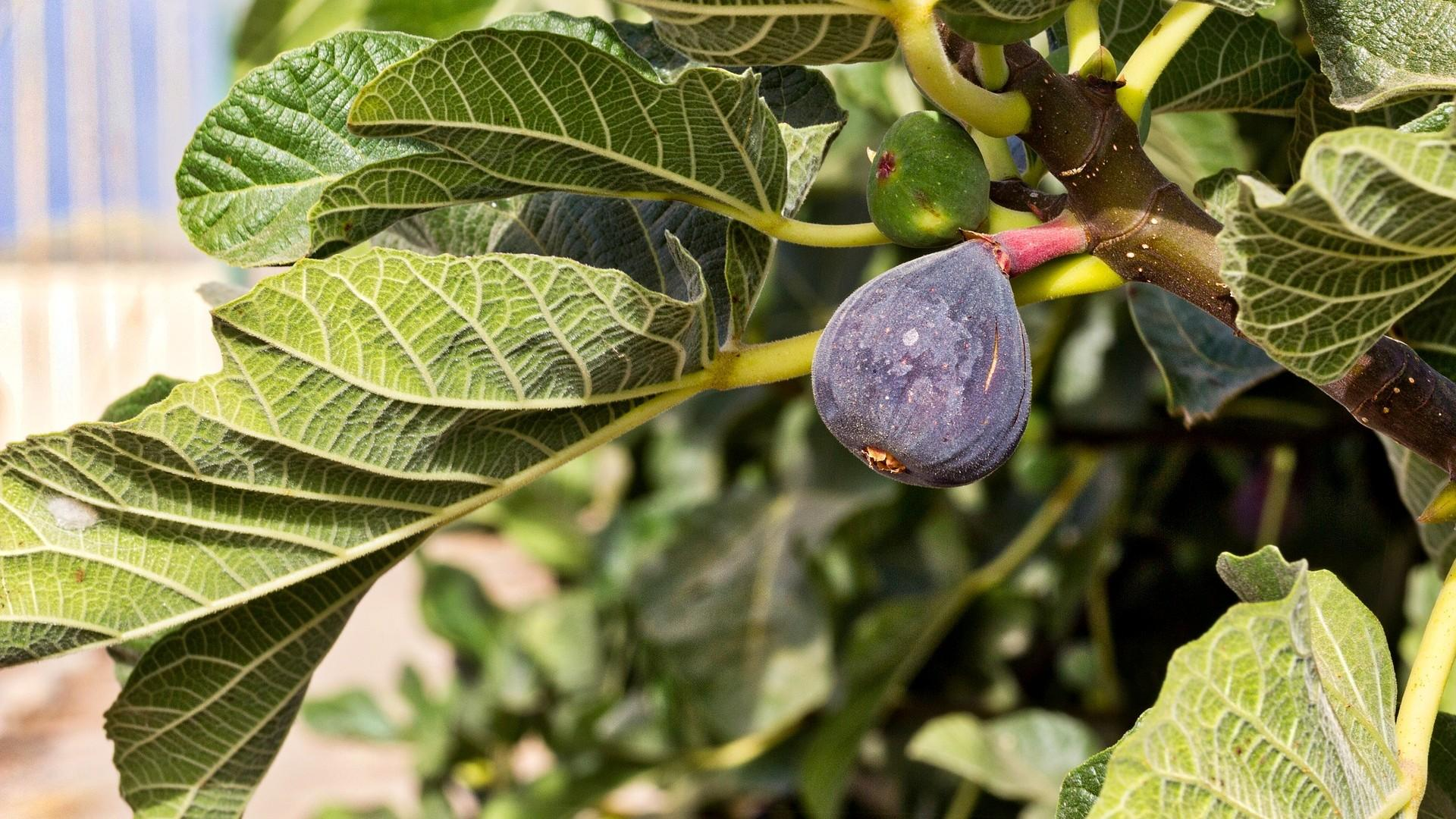
If you’ve ever tasted a sun-warmed fig and thought, “I need more of these—soon,” you’re in luck. Common fig (Ficus carica) might be the most generous fruit tree you’ll ever propagate. It roots from hardwood cuttings like a champ, layers with near-certain success, and often fruits in one to two years from a well-rooted start. Below is a hands-on masterclass to turn one fig into many—exact cutting lengths, hormone know‑how, media that actually works, moisture management you can feel in your fingertips, and realistic timelines to that first sweet harvest.
Why Ficus carica is a propagator’s dream
- It’s naturally easy to root: hardwood cuttings are famously reliable, and air layering is almost foolproof.
- Self-fertile cultivars dominate home gardens—no special pollination needed for most varieties.
- Tough and forgiving: adaptable to many soils if drainage is good; drought-tolerant once established.
- Fast to reward: well-grown cuttings can fruit in about 1–2 years; some produce a small crop even sooner.
Popular, propagation-friendly cultivars to start with:
- Brown Turkey (adaptable), Celeste (reliable), Chicago Hardy (cold-tolerant), Black Mission (rich flavor), Kadota (great for canning).
Tools, media, and setup at a glance
- Tools: sharp bypass pruners, a clean knife, labels, gloves (fig latex can irritate skin), alcohol wipes for sanitation.
- Rooting hormone (optional): indole-3-butyric acid (IBA) powder at 0.1–0.5% or a quick dip in 500–1000 ppm liquid IBA.
- Containers: tall nursery pots, tree tubes, or deep cups with ample drainage holes.
- Media (choose one for rooting):
- 50:50 perlite:coco coir or peat
- 70:30 perlite:pine bark fines
- 60:40 coarse sand:perlite
- Environment targets:
- Bright, indirect light for cuttings; 21–26°C (70–79°F) root zone is ideal.
- Relative humidity 70–90% around cuttings, with daily ventilation.
- Avoid soggy conditions—oxygen at the root zone is your best rooting “fertilizer.”
Mastering hardwood cuttings (the reliable classic)
When to take them
- Best window: late fall to early winter, while the tree is dormant.
How long and what wood to choose
- Length: 20–30 cm (8–12 in), about pencil to finger thickness.
- Nodes: aim for 3–6 nodes per cutting.
- Wood: healthy, well-ripened, last season’s growth. Avoid damaged or diseased stems.
Pro tip: Mark polarity. Make a flat cut at the base (just below a node) and a slanted cut at the top so you never plant a cutting upside down.
Quick prep and hormone tips
- Strip any leaves (usually none in dormancy) and rub off tiny figs or buds near the base.
- Optional light wounding: a 1–2 cm shallow scrape on one side to expose green cambium can encourage callusing.
- Hormone is optional for figs but helpful in cool rooms or with thicker wood:
- Powder: tap off the excess; more is not better.
- Liquid quick dip (IBA 500–1000 ppm): 3–5 seconds, then let it air-dry a minute.
Planting depth and orientation
- Bury 1–2 nodes (about 5–8 cm / 2–3 in) below the surface; keep 1–3 nodes above.
- Firm the medium so the cutting doesn’t wobble—movement shears off new root initials.
Moisture management you can feel
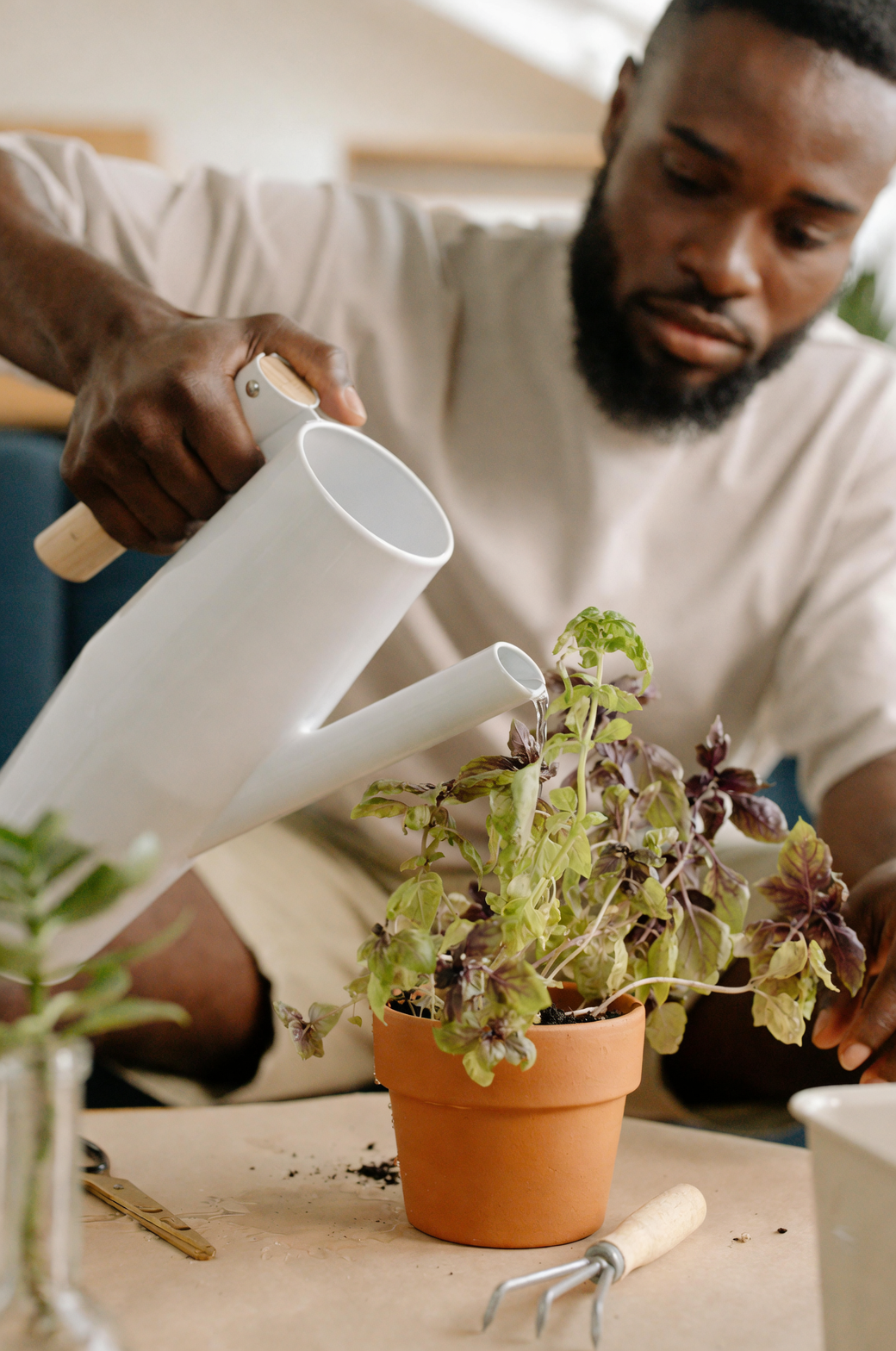
- Charge the medium to “field capacity” before planting: saturate, then squeeze—only a few drops should fall from a tight fistful.
- Enclose in a loose humidity tent (clear bag or dome) that doesn’t touch buds; open daily for fresh air.
- Bottom-watering is safer than top-watering. Let the top 1–2 cm (½–¾ in) dry slightly before re‑moistening.
- Warmth speeds rooting; cold stalls it. Aim for a steady, warm root zone and avoid hot, direct sun on unrooted cuttings.
Milestones and troubleshooting timeline
- Weeks 0–2: callus forms at the base; buds may swell.
- Weeks 3–6: first roots in warm conditions; cooler rooms can take 6–10+ weeks.
- Gentle “tug test”: resistance suggests roots. New leaves before roots? Don’t celebrate too soon—keep humidity steady until roots confirm.
- If tips blacken or mold appears: increase airflow, sanitize tools, and ensure the medium isn’t staying waterlogged.
Potting up rooted cuttings
- Pot up when you see multiple roots 5–10 cm (2–4 in) long.
- Use a well-drained potting mix (quality container mix amended with perlite/bark). Target pH roughly 6.0–7.5.
- Transition to brighter light gradually over 7–10 days.
- First feeds: a diluted, balanced fertilizer once you see new growth; avoid heavy nitrogen that pushes leaves over fruit.
Fast-track options
Air layering (maximum success on older wood)
Best timing: spring to early summer, when growth is active.
How to:
- Choose a healthy, sunlit branch about 1–2 cm (½–¾ in) thick.
- Girdle a 2–3 cm (¾–1 in) ring of bark 30–45 cm (12–18 in) from the tip; remove bark cleanly and lightly scuff the exposed wood.
- Optional: dust with IBA.
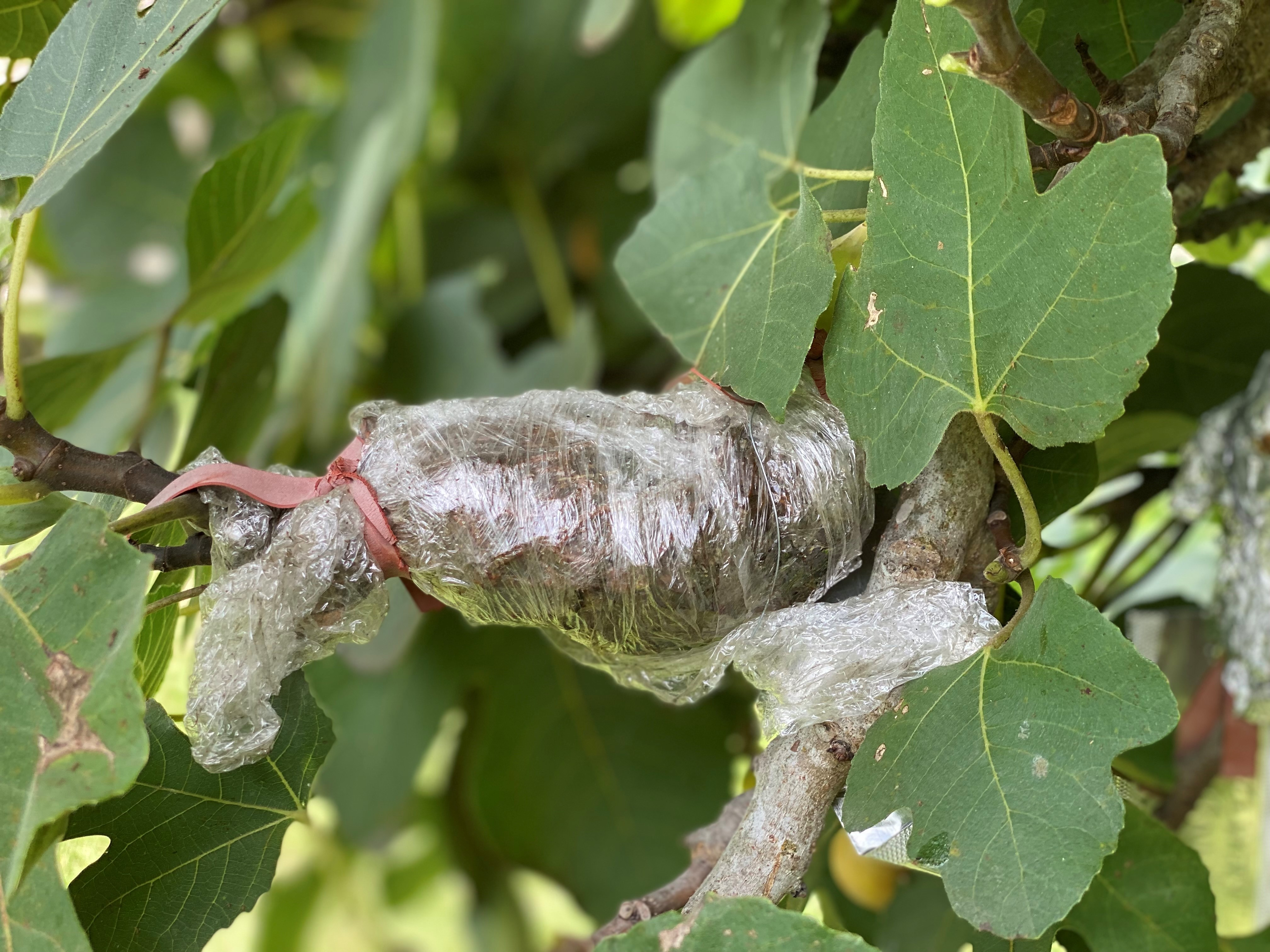
- Wrap a handful of pre‑moistened sphagnum moss (wrung damp, not dripping) around the wound; cover with plastic and seal both ends. Foil overwrap keeps it dark and cool.
- Keep moss evenly moist (a syringe through the top seal helps).
- Rooting: often 4–8 weeks in warm weather. When you see a good root mass, cut below the layer and pot it up.
Why growers love it:
- Very high success rate, minimal transplant shock, and strong, ready-to-grow plants that often fruit earlier than seed- or water-rooted starts.
Suckers and simple layering
- Suckers: In late winter, lift and sever a basal sucker with its own roots. Pot immediately in a draining mix and prune the top lightly to balance the reduced roots.
- Simple layering: Bend a low branch to the ground, notch it lightly, pin and cover with soil or a bark/perlite blend. Keep moist. Sever and lift once well-rooted (often by season’s end in warm climates).
Water rooting (convenient, but with caveats)
- Figs will often root in plain water with frequent changes. Transplant carefully into airy media as water roots are fragile and adapt poorly to soil. Expect a brief slowdown after potting.
Media choices that make rooting easy
- Coco/perlite (1:1): forgiving water-holding with excellent aeration—great for beginners.
- Perlite/bark (7:3): very airy; excel in humid environments or for growers who water a bit too often.
- Sand/perlite (3:2): heavier and stable in wind; warms quickly in sun.
- Avoid heavy garden soil—it compacts, stays wet, and starves developing roots of oxygen.
Tip: Pre-wet and mix thoroughly; aim for evenly moist, never slushy.
Temperature, light, and humidity targets
- Light: bright, indirect light during rooting; after establishment, figs want full sun—6–8 hours—for best growth and fruiting.
- Temperature: warm days and nights speed rooting and early growth. Avoid cold drafts.
- Humidity: 70–90% under domes for unrooted cuttings; crack vents daily to prevent fungal issues and gradually reduce humidity as leaves expand.
From cutting to first fruit: what to expect
- Rooting: about 3–8 weeks depending on warmth and wood maturity.
- Establishment: pot up and grow on in a bright spot; move outdoors after frost, acclimating to sun.
- First fruit:
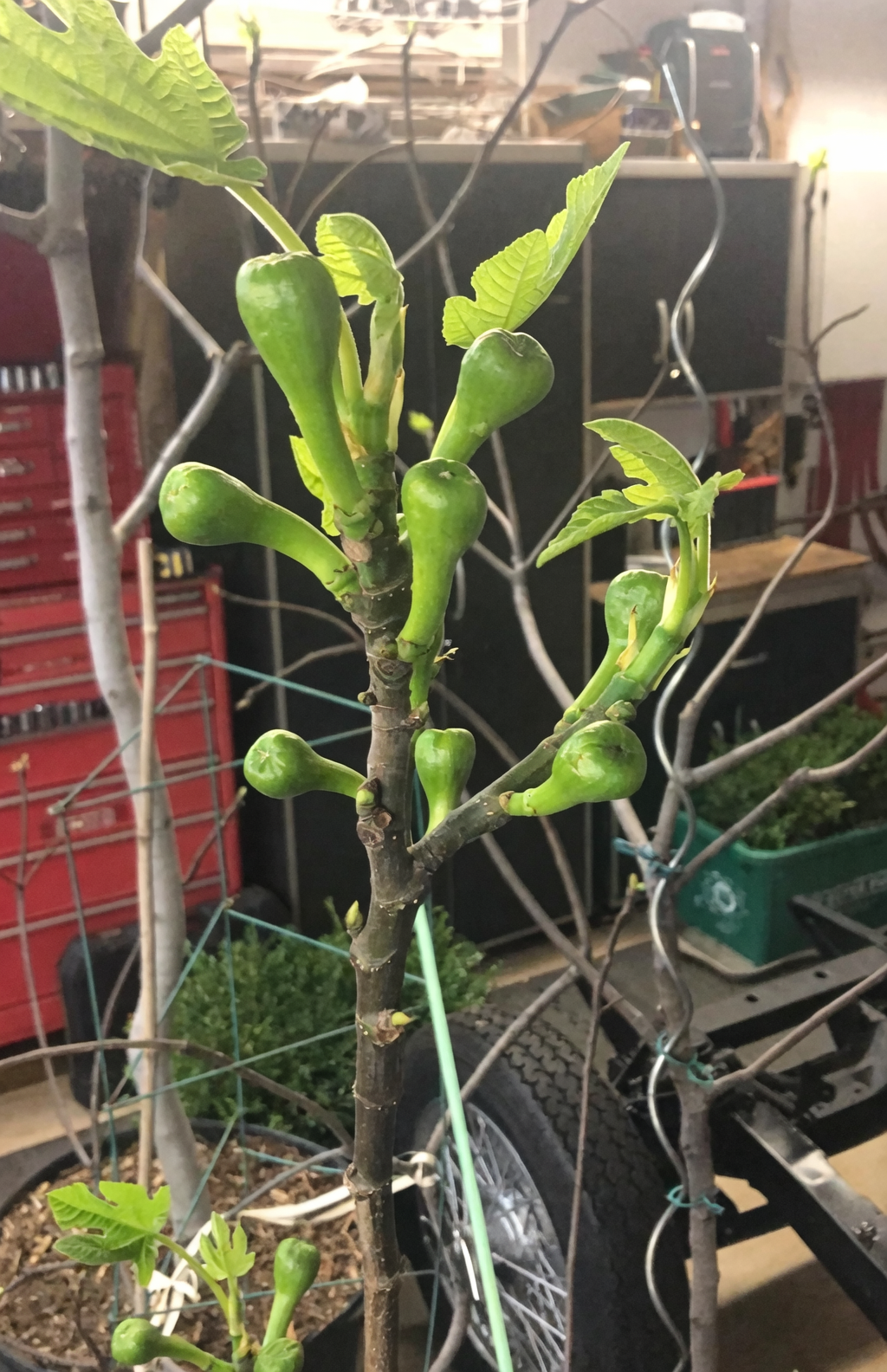
- Many well-grown cuttings or nursery starts fruit in 1–2 years.
- A small “breba” crop may appear on last year’s wood in early summer, with the main crop ripening from late summer into fall (variety-dependent).
- To speed cropping:
- Give full sun, consistent moisture (especially as fruit swells), and avoid overfertilizing with nitrogen.
- Containers warm fast and can hasten fruiting; in-ground plants usually outgrow and out-yield over time.
Care pointers for your new fig
- Watering: keep evenly moist while young; never waterlog. Mature in-ground trees in dry spells often do well with deep watering every 10–14 days. Containers dry faster—water when the top 5–8 cm (2–3 in) is dry.
- Feeding: balanced fertilizer in early spring as growth starts. Feed lightly during the first year; too much nitrogen trades figs for foliage.
- Pruning: in dormancy, choose a structure (single trunk or multi-stem), remove dead/crossing shoots, and open the canopy. Wear gloves; milky sap can irritate skin.
- Site and climate: warm summers are best; cold-hardy varieties can bounce back from freezes with protection. A south-facing wall adds heat in cool regions.
Quick recipes and checklists
Hardwood cutting recipe (dormant season)
- 20–30 cm (8–12 in) cutting, 3–6 nodes, pencil-finger thick
- Flat base cut just below a node; slanted top cut
- Optional: light side scrape + IBA
- Plant 1–2 nodes deep in a 50:50 perlite:coco (or similar) at field capacity
- Warm root zone (21–26°C), bright shade, humid tent with daily venting
- Expect roots in ~4–8 weeks; pot up when multiple 5–10 cm roots are visible
Air-layering recipe (spring to early summer)
- Choose a healthy 1–2 cm thick branch
- Girdle 2–3 cm ring; optional IBA
- Wrap wrung-damp sphagnum, seal plastic ends, foil overwrap
- Keep moss evenly moist; sever when a robust root ball forms (often 4–8 weeks)
- Pot up, harden off, and step into full sun over 1–2 weeks
Moisture cheat sheet
- Rooting medium: damp like a wrung sponge; if you can squeeze water out, it’s too wet.
- Dome: light interior condensation in the morning, clear by afternoon after venting.
- If leaves droop mid-day but perk up by evening: check roots and medium moisture; consider light acclimation rather than more water.
Common mistakes (and quick fixes)
- Overwatering: yellowing, mold, rot—vent more, switch to a chunkier mix, and water less often.
- Cold roots: stalled callus/roots—move to a warmer spot or add gentle bottom heat.
- Heavy soil: slow or failed rooting—repot into a highly aerated, soilless mix.
- Sun scorch on unrooted cuttings: move to bright shade until well-rooted.
Safety and a final nudge
Figs are wonderfully edible when ripe, but remember: the milky sap from leaves and stems can irritate skin. Wear gloves when pruning or making cuttings, and keep prunings away from pets.
Turn that one friendly fig into a mini orchard with a tray of hardwood cuttings or a few well-placed air layers. With the right cutting length, an airy medium, and moisture you can “read” by touch, Ficus carica pays you back fast—in branches, in beauty, and in bowls of honey-sweet fruit.