At dawn on a Levantine hillside, before grain fields quilted the valleys and long before anyone spoke of “orchards,” people found a pocket-sized miracle: a wild fig—sun-warmed, honeyed, and already packaged in its own skin. Bite by bite, Ficus carica slipped into human history, not with a plow and furrow, but with sweetness, shade, and a knack for thriving where other crops hesitated.
Wild beginnings: an inside‑out flower that seduced early gatherers
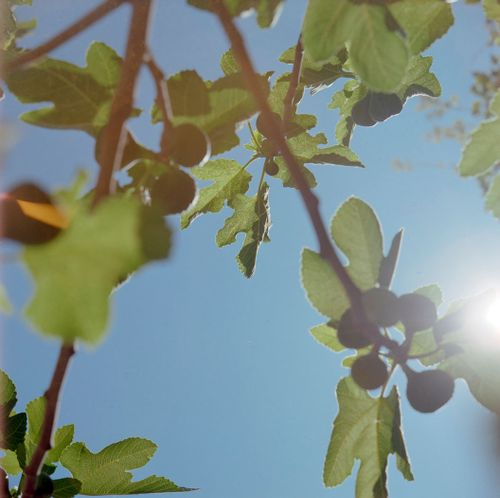
Ficus carica, the common or edible fig, is native to the Mediterranean world and parts of western and southern Asia. It looks tropical, with big, bold, lobed leaves, yet it’s a deciduous tree—dropping those leaves in winter and charging back when warm weather returns. Hardy, drought-tolerant once established, and adaptable to rocky hillsides, it was the kind of plant early foragers could rely on through heat, wind, and stingy soils.
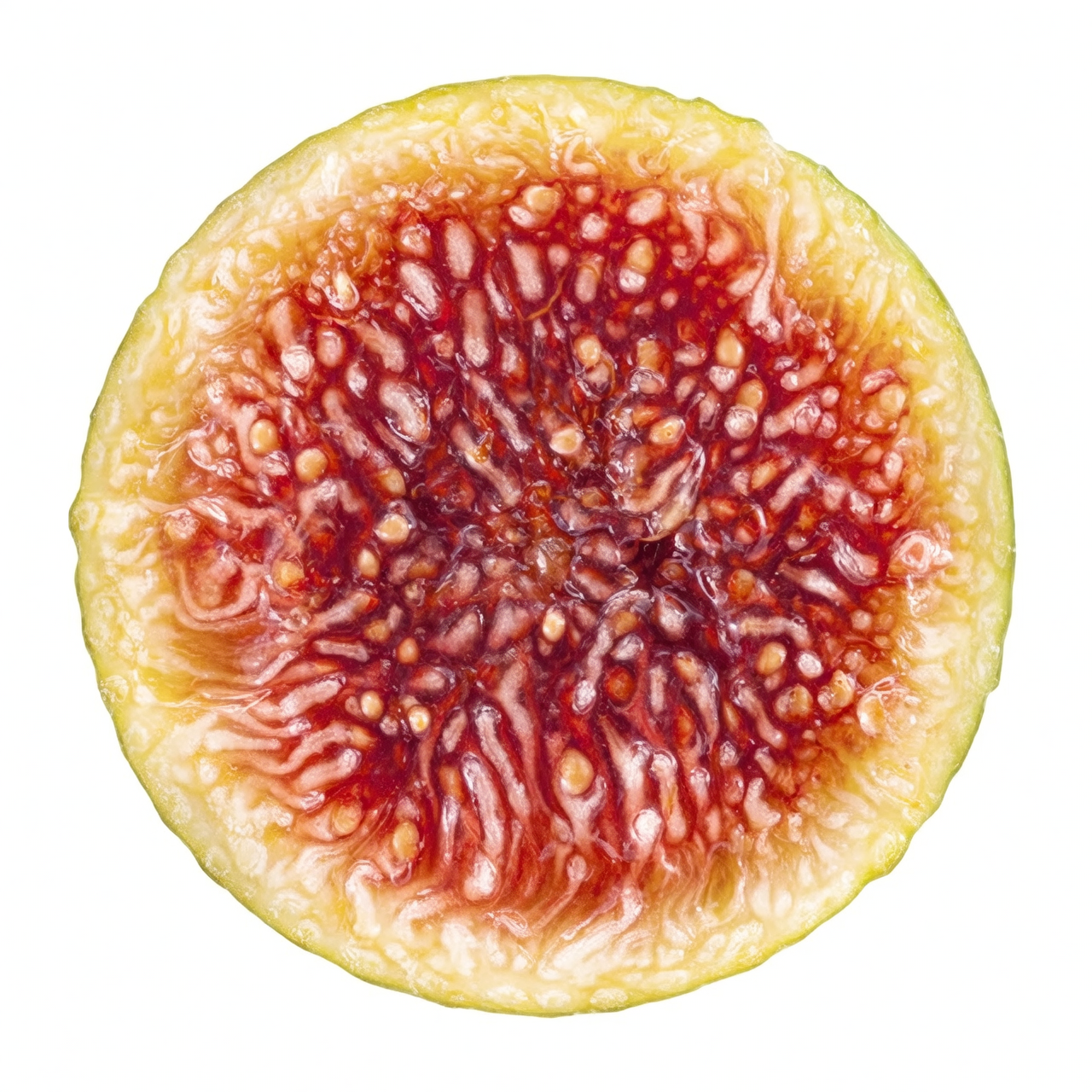
Its flowers hid a secret. What we call a “fig” is actually a syconium—an inside-out floral chamber with tiny blossoms tucked within. In wild ecologies, specialized fig wasps slip inside to pollinate. But many domesticated garden figs don’t even need pollination to set their luscious crops. To ancient eyes, figs seemed to “fruit without flowering,” a botanical magic trick that only made the tree more irresistible.
The Jordan Valley gamble: when figs met the first farmers
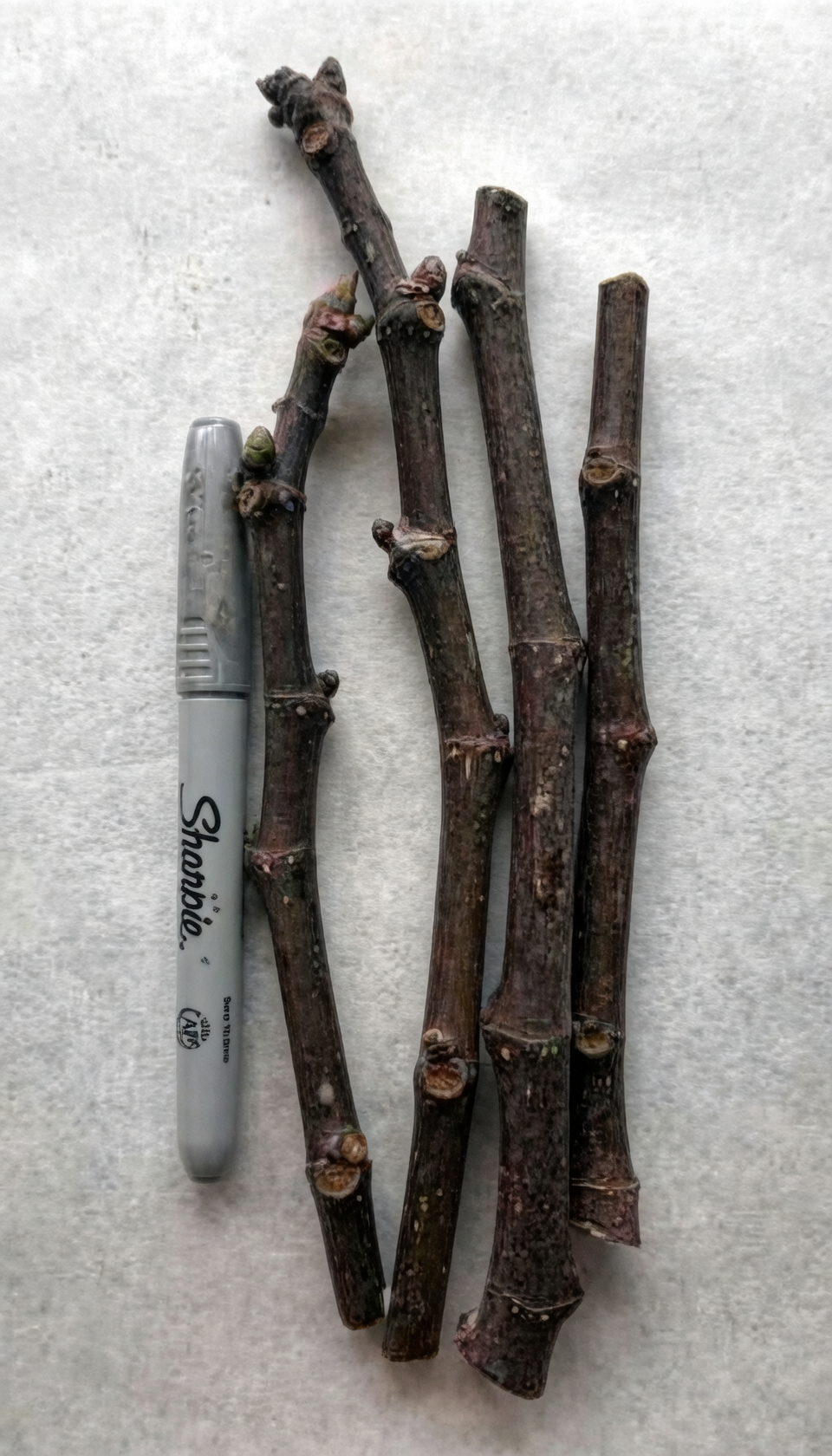
Archaeological finds from early Neolithic villages in the Jordan Valley point to intentional fig use—and possibly fig cultivation—astonishingly early, even before some staple grains took center stage. Imagine those first experimenters: rather than sow countless tiny seeds and wait, they could snap a branch from a favored tree, stick it into hospitable soil, and watch it take. Figs root so easily from cuttings that a single plant could clone itself into a grove. In a world inching from foraging toward farming, figs made the leap feel swift, generous, and low-risk.

What sealed the deal?
- Sweetness and energy: fresh figs brim with sugars and water; dried figs condense that sweetness into long-lasting rations.
- Reliability: in warm seasons, many varieties can give two crops—an early “breba” flush on old wood and a main harvest later on new wood.
- Toughness: once established, figs shrug off drought and patchy soils better than fussier fruit trees.
Caria, a name that traveled; traders who made it stick
Follow the coastline north and east and you reach Caria, in what’s now southwestern Turkey. Even the scientific name—Ficus carica—whispers of this region, an old hub on Mediterranean trade routes. Cuttings travel well; tuck a few into a damp bundle, and a ship or caravan can carry a future orchard. It’s easy to picture Phoenician mariners and overland traders passing figs along with dyes, spices, and stories.
By the time Greek and Roman cultures rose, figs were already treasured. They shaded courtyards, sweetened meals, and symbolized prosperity. Dried figs, light and durable, slipped into packs for long journeys and military campaigns—a portable Mediterranean sun. From the Aegean isles to desert caravanserais, figs fit commerce perfectly: easy to propagate, easy to preserve, easy to love.
Why figs became a staple long before “modern orchards”
Before terraced vineyards and neatly staked groves, figs were winning the long game. Here’s why they outran the orchard clock:
- Instant multiplication
- Simple to propagate from cuttings or layering; no intricate grafting required for a home supply.
- Self-reliance
- Many common fig cultivars set fruit without pollination, so a lone tree can still feed a family.
- Two acts, one season
- In warm climates, a breba crop in early summer and a main crop in late summer to fall stretch the harvest window.
- Calorie-dense, travel-ready
- Drying concentrates sugars and minerals (notably potassium and calcium), turning perishable fruit into pantry gold.
- Climate fit
- Figs adore full sun, tolerate heat and drought once established, and accept a range of soils as long as they drain.
- Multipurpose trees
- Shade in a courtyard, ornamental drama from those bold leaves, and a steady supply of fruit—even in a large pot.
Add it up, and the fig was more than a fruit; it was a survival strategy with a sweet aftertaste.
Trade routes to table: a fast montage
- Jordan Valley villages experiment with cuttings and curated groves.
- Carian ports and Anatolian crossroads amplify the fig’s reach.
- Seafaring networks stitch together the Levant, the Aegean, North Africa, and beyond—each stop planting a few more cuttings.
- Greek and Roman kitchens elevate the fig from trail food to table staple; myth and medicine follow suit.
- From Western Asia outward, figs naturalize along warm coasts and inland valleys, a green thread through millennia of trade.
Symbols with deep roots: knowledge, fertility, abundance
Figs have long symbolized plenty, peace, and the kind of prosperity that fills more than granaries—it fills shade at midday and hands at dusk. In religious and cultural stories, the fig tree also echoes knowledge and provision. Even the botany lends poetry: flowers concealed within the fruit hint at truths hidden in plain sight, ripening inwardly before anyone sees them.
If you encounter “flower language” notes that cast the fig as a cipher for fecundity, generosity, or wisdom, they align with centuries of practice: a tree that feeds, shelters, and endures tends to attract big meanings.
From wild hillsides to your patio: the modern echo
The same traits that helped Ficus carica hitch a ride on ancient trade winds make it a joy for today’s growers.
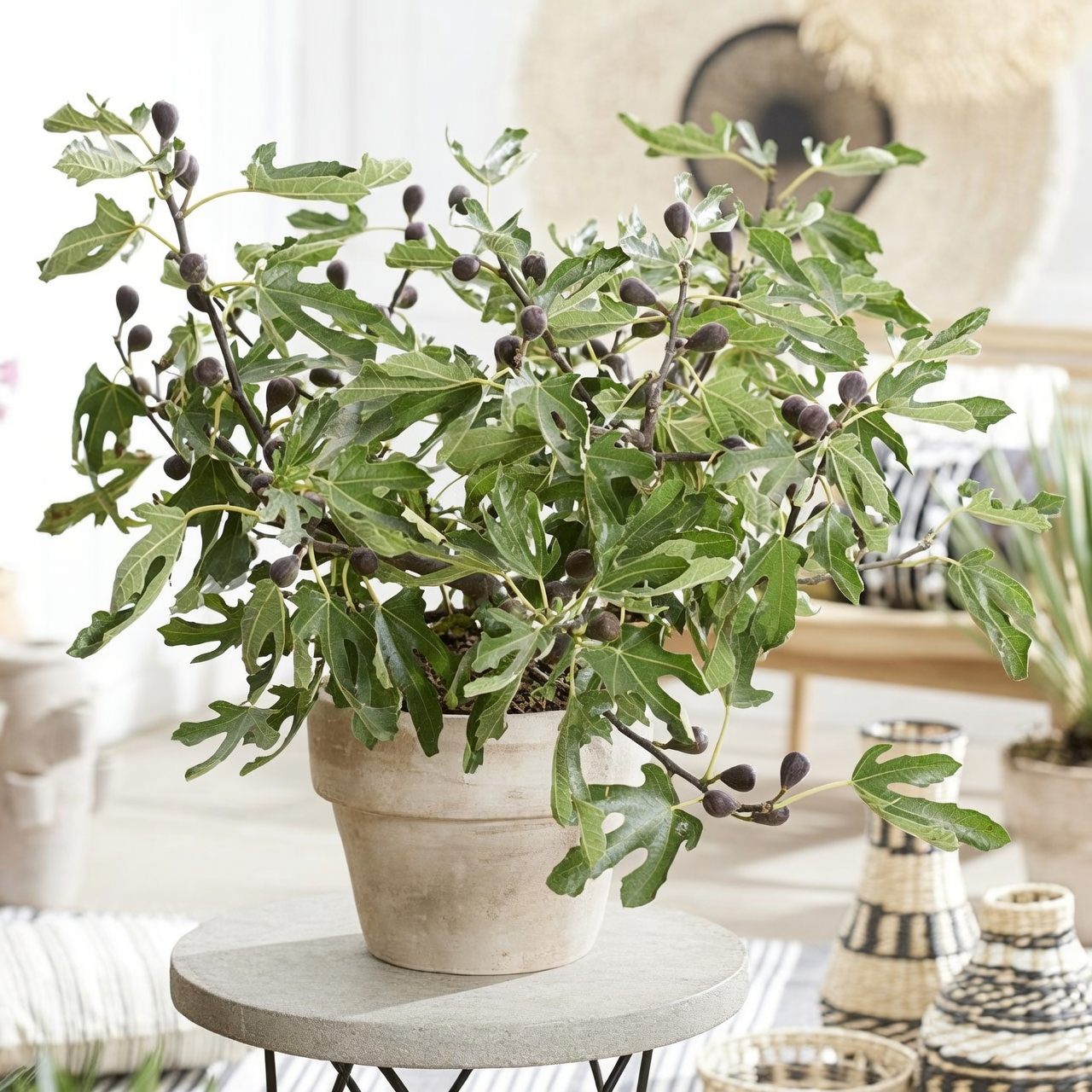
- Sun and climate
- Aim for full sun (6–8 hours or more). Best in warm, temperate regions with hot summers; many cultivars manage light frost, and some can rebound from winter dieback.
- Space and habit
- Typically 10–30 ft tall and wide, but wonderfully container-friendly; prune to keep it compact and fruitful.
- Water and soil
- Water regularly the first year; once established, deep, infrequent watering is fine. Any well-drained soil with a near‑neutral pH suits them.
- Harvest rhythm
- Expect fruit from summer into early fall; in many places you’ll enjoy both breba and main crops.
- Gentle cautions
- The milky latex in leaves and stems can irritate skin—gloves help. Birds adore ripe figs; netting or green-when-ripe varieties can outwit them.
A closing scene
Picture it: a chipped clay bowl on a thresholds’ step, heaped with fresh figs—some to eat now, some to dry for winter. No tally of acres, no tidy rows, just a tree whose biology dovetailed elegantly with human needs. That’s the fast-paced origin story of Ficus carica: a deciduous, inside‑out‑flowering, trade-savvy survivor that fed us before we knew how to ask—and keeps saying yes, season after season.