If your Lily of the Nile suddenly looks tired, sticky, or spotty, don’t panic. Agapanthus africanus is a tough South African perennial that shrugs off heat and dry spells once established—so when it sulks, the culprit is usually sap-sucking insects or a fungal flare-up tied to airflow and moisture. Here’s your fast, diagnostic playbook with rapid fixes you can do today.
Rapid symptom check: What’s wrong with my Agapanthus?
Sap-suckers (aphids, mealybugs, spider mites)
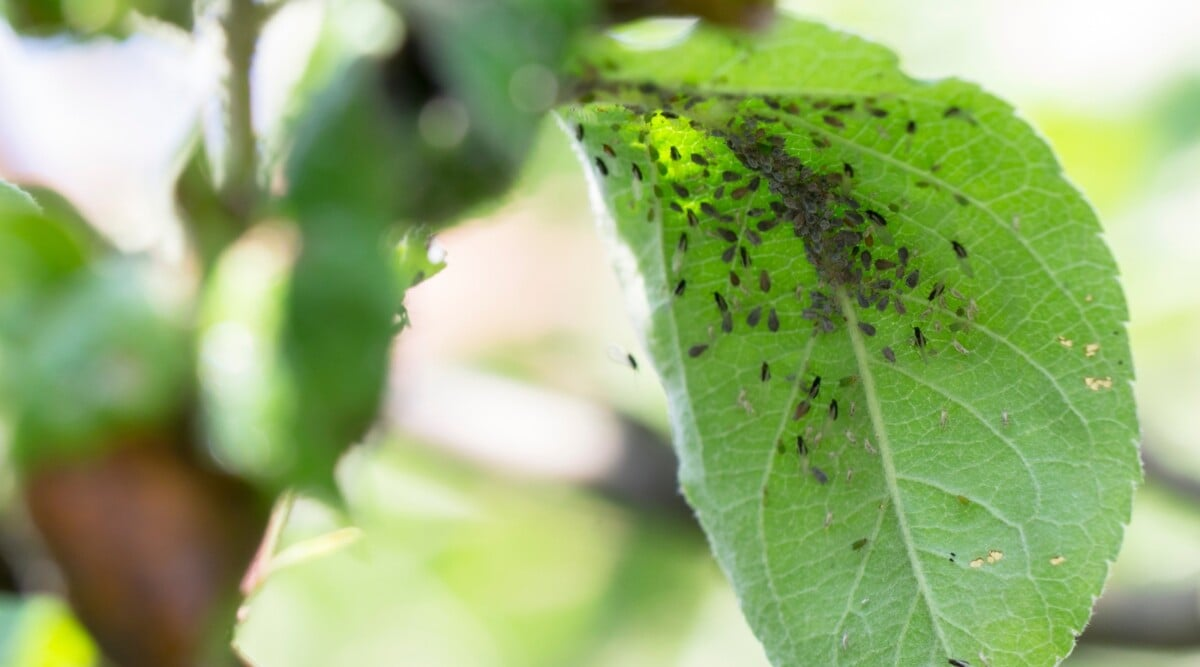
- Leaves feel tacky or shiny with honeydew; you may see sooty mold growing on the sticky film.
- Clusters of tiny insects on stems and the undersides of leaves; cottony tufts (mealybugs), pinhead green/black/peach bugs (aphids), or fine stippling and delicate webbing (spider mites).
- Distorted new growth and curling leaf tips.
- Ants farming the honeydew? That’s a neon sign for aphids or mealybugs.
Drought stress
- Leaves roll or flop, turning gray-green and thin; plants wilt at midday but perk up after sunset or watering.
- Soil is bone-dry and may pull away from the pot’s sides; pot feels unusually light.
- No foul smell at the crown or soil line.
Root/rhizome rot (overwatering or poor drainage)
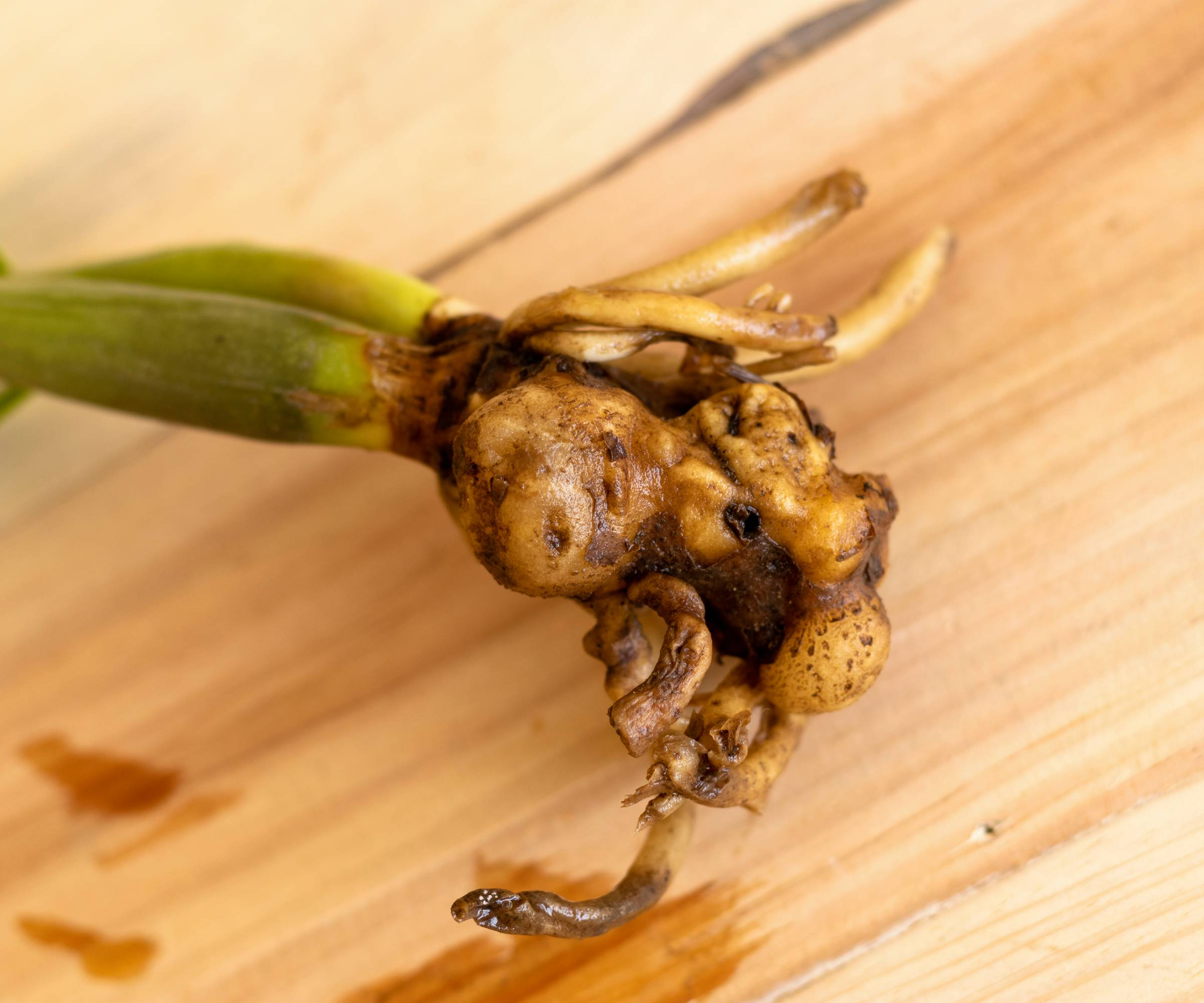
- Yellowing and wilting that does NOT improve after watering; leaves collapse from the base.
- Soil stays wet, with a sour or swampy odor.
- Crown or rhizomes feel mushy; roots look brown/black and slimy if you slip the plant from the pot.
- Often occurs in winter or cool spells with soggy soil.
Fungal leaf/flower issues
- Tan or brown spots on leaves; spent blooms develop fuzzy gray mold if left on in humid weather.
- Problems worsen in crowded clumps or shade with poor air movement and frequent overhead watering.
Other culprits to note
- Ragged chunks missing from leaves with silvery slime trails = slugs/snails (active at night).
—
Rapid rescues (do these first)
For sap-suckers: start gentle, escalate smartly
- Hose blasts (day 1)
- Early morning, use a firm spray to hit stems and leaf undersides. This dislodges aphids, mites, and mealybugs without chemicals.
- Repeat every 2–3 days for a week.
- Insecticidal soap (days 3–10)
- Use a ready-to-use product or mix per label (typically 1–2% solution). Avoid DIY dish soaps—they can burn foliage.
- Thorough coverage is everything: upper and lower leaf surfaces, stems, and around flower stalks.
- Patch test a small area first and wait 48–72 hours to check for phytotoxicity.
- Reapply every 5–7 days until pests are gone.
- Spray at dawn or dusk, and never on heat-stressed foliage.
- Neem oil or horticultural oil (days 7–21)
- Use a labeled neem or horticultural oil for ornamental plants. These smother pests and disrupt life cycles, and many neem products also help suppress some fungi.
- Apply in the cool of morning/evening and below about 85°F (29°C). Coat leaf undersides.
- Repeat at label intervals (often 7–14 days) until clear.
- Follow-through
- Clip off the most infested stems/leaves.
- Keep plants spaced so foliage can dry quickly.
- For mealybugs tucked into leaf bases, dab individual clusters with a cotton swab dipped in 70% isopropyl alcohol, then rinse—then continue with soap or neem.
Good-to-know: Soap and oils work on contact and have minimal residual effect; they’re generally considered lower-impact on beneficials once dry. On pollinator-attractive plants like agapanthus, spray when pollinators aren’t active (dawn/dusk) and avoid directly hitting open blossoms.
For drought stress: water deeply, then pace yourself
- Give a thorough soak so water reaches the root zone; in containers, water until it runs from the drainage holes.
- During establishment, aim for about 1 inch (2.5 cm) of water per week; once established, many clumps are happy with closer to 1/2 inch (1.3 cm), adjusting for heat and soil.
- Let the top layer of soil dry between waterings. Avoid frequent “sips.”
For root/rhizome rot: stop, unpot, and triage
- Halt watering immediately.
- Inspect the crown and roots.
- Healthy roots: firm and pale. Rotted roots: dark, mushy, foul-smelling.
- Surgery and sanitize.
- Trim away all mushy tissue with a sterile blade. Dust cuts with powdered charcoal or cinnamon to dry them, if desired.
- Reset the conditions.
- Repot into a fast-draining mix (quality potting mix amended with grit/sand). Agapanthus prefers slightly acidic soil, around pH 5.5–6.5.
- Use a pot with generous drainage and elevate it on pot feet so water clears freely.
- In-ground plants struggling in heavy soil? Replant on a mound or in a raised bed; amend for drainage.
- Recovery care.
- Bright light, no fertilizer until new growth resumes.
- Water sparingly—let the top inch or two dry before watering again.
- In winter, keep much drier; cold + wet is the riskiest combo.
Prevention note: Don’t overpot—agapanthus actually flowers better when a bit root-bound. Oversized containers hold extra moisture and invite rot.
For fungal leaf/flower woes: airflow, hygiene, and smart watering
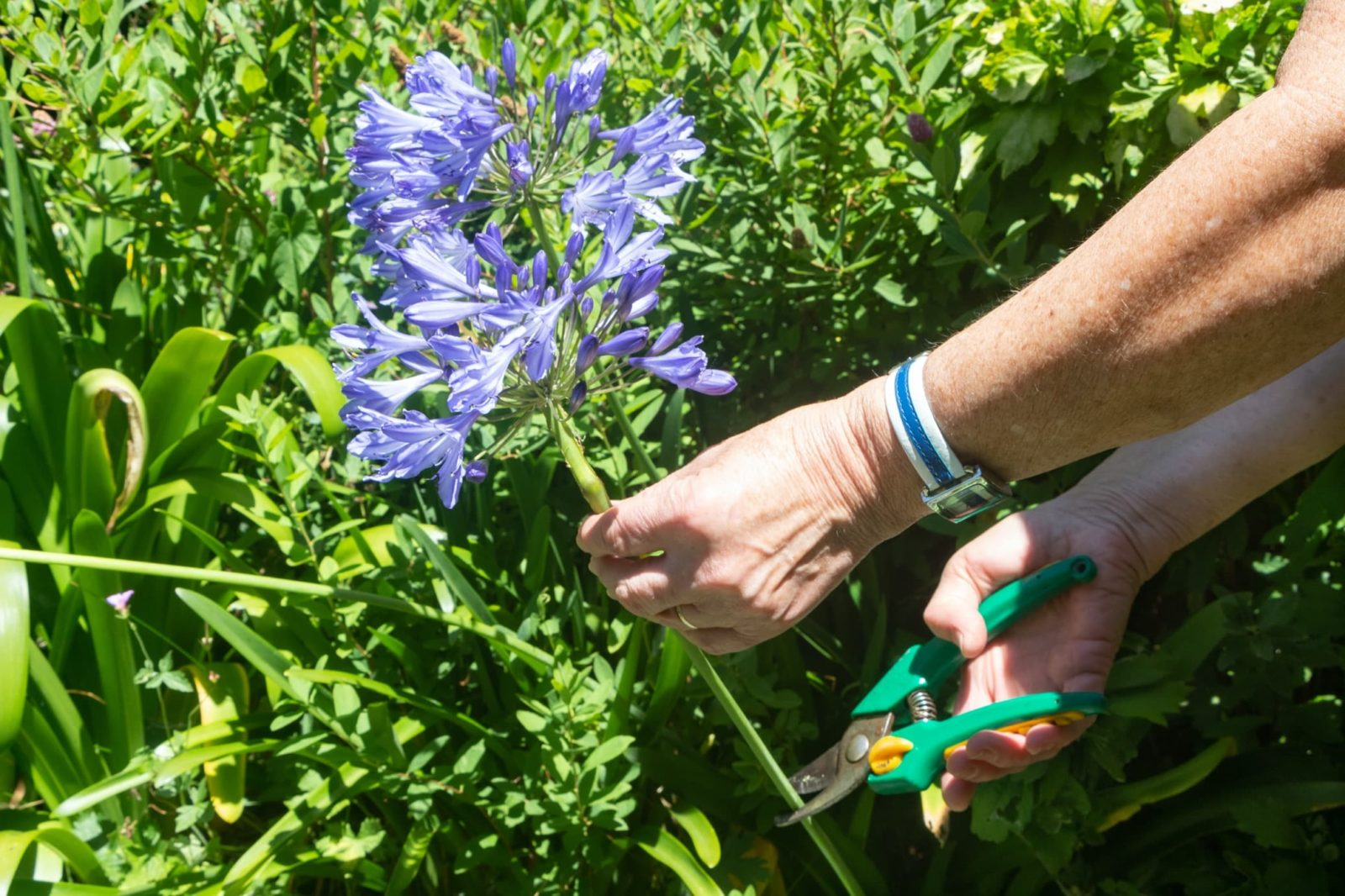
- Deadhead promptly. Cut spent flower stalks at the base; don’t let old blooms linger in humid spells.
- Thin crowded foliage and ensure clumps have breathing room. Space plants so mature clumps sit about 60 cm (2 ft) across with light between neighbors.
- Water at soil level in the morning; avoid late-day overhead watering.
- Consider neem or horticultural oil labeled for ornamentals to help suppress mild foliar fungi.
- Clean up fallen petals and leaves; don’t compost heavily infected debris.
—
Quick decision cheatsheet
- Sticky leaves + sooty mold + ants + clusters on undersides: sap-suckers
- Do: hose blast → insecticidal soap (1–2%) → neem/horticultural oil. Spray dawn/dusk.
- Midday wilt that recovers + dry, light pot/soil: drought stress
- Do: deep soak; then water when the top layer dries; mulch lightly (keep off crown).
- Yellow, limp leaves that don’t perk up + wet, smelly soil + mushy crown: root rot
- Do: unpot, trim rot, repot in gritty, draining mix; cut watering; improve drainage/airflow.
- Spots/fuzz on spent blooms in humid weather: fungal
- Do: deadhead, space plants, water early at base; consider neem/horticultural oil if needed.
—
Airflow tricks that stop fungi (and even mites) in their tracks
- Full sun powers blooms and dries leaves fast: aim for 6–8 hours daily; give light afternoon shade only in extreme heat.
- Space and stage: don’t jam containers together—leave a hand’s breadth between pots; use pot feet for airflow under containers.
- Keep leaves off leaves: remove a few interior leaves on congested evergreen clumps to let air move across the crown.
- Site the sprinkler smartly: drip or soaker at soil level beats overhead spray.
—
Watering smarts for a plant with a watery nickname and dry-country roots
- Establishment: about 1 inch (2.5 cm) per week, evenly moist but not soggy.
- Established: many do well on roughly 1/2 inch (1.3 cm) per week depending on heat and soil; let the top layer dry between waterings.
- Winter: keep much drier, especially in containers; soggy cold soil is the #1 enemy.
—
Safety first (you, pets, pollinators)
- All parts of agapanthus are toxic if eaten and the sap can irritate skin. Wear gloves when dividing or pruning, and keep plants away from children and pets (cats and dogs can be sensitive).
- With soaps and oils, follow labels, avoid spraying in midday heat, and target pests directly. Spray at dawn/dusk when pollinators are inactive; once dry, these products are generally low-impact.
—
A plant of steadfast affection: the love language of Agapanthus
The name says it all—agape (love) + anthos (flower). That’s why Agapanthus often symbolizes devotion and lasting affection. Blue globes are commonly linked to loyalty, while white suggests sincerity and purity. Beyond poetic tradition, the symbolism also fits the plant’s character: long-lived clumps that return each summer, blooming most generously when a bit constrained—devotion through discipline. Just remember, “flower language” is cultural shorthand, not botany; it evolves with gardeners as much as with gardens.
—
Snapshot: know your Lily of the Nile
- Identity: Agapanthus africanus (Agapanthaceae), also called African Lily, African Blue Lily, Love Flower.
- Origin: Native to South Africa.
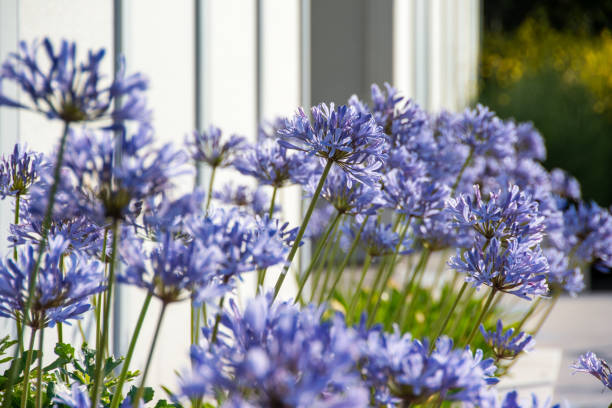
- Look: Glossy, strap-like leaves in tidy clumps; tall stems topped with summer “firework” umbels of blue, purple, or white trumpets—often 20–100 blooms per head.
- Size: Foliage clumps about 60–90 cm tall and 60 cm wide; flower stalks reach 90–120 cm.
- Season: Mainly June–August; longer in frost-free climates.
- Conditions: Full sun; warm, well-drained, fertile soil (sandy loam ideal), slightly acidic (pH ~5.5–6.5). Adaptable to humidity if given space and airflow. USDA Zones generally 7–11; protect evergreens from hard frost and soggy winter soils.
- Best uses: Borders, paths, focal clumps, and standout containers; superb cut flowers with long-lasting stems; relatively deer- and rabbit-resistant.
—
Keep it trouble-free: your seasonal game plan
- Spring: Divide or plant new clumps; resume watering; feed with a balanced fertilizer; begin weekly pest checks (undersides of leaves).
- Summer: Maintain even moisture; deadhead; if sap-suckers appear, go hose → soap → neem; space containers.
- Fall: Taper feeding; divide evergreen types after flowering if needed; improve airflow before cool, damp weather.
- Winter: Keep much drier; mulch in-ground plants where cold; shelter containers from hard frost.
With sharp eyes, a strong hose, a light hand on the spray bottle, and plenty of fresh air, Agapanthus africanus will repay you with those iconic, sky-colored spheres all summer—and barely a complaint.