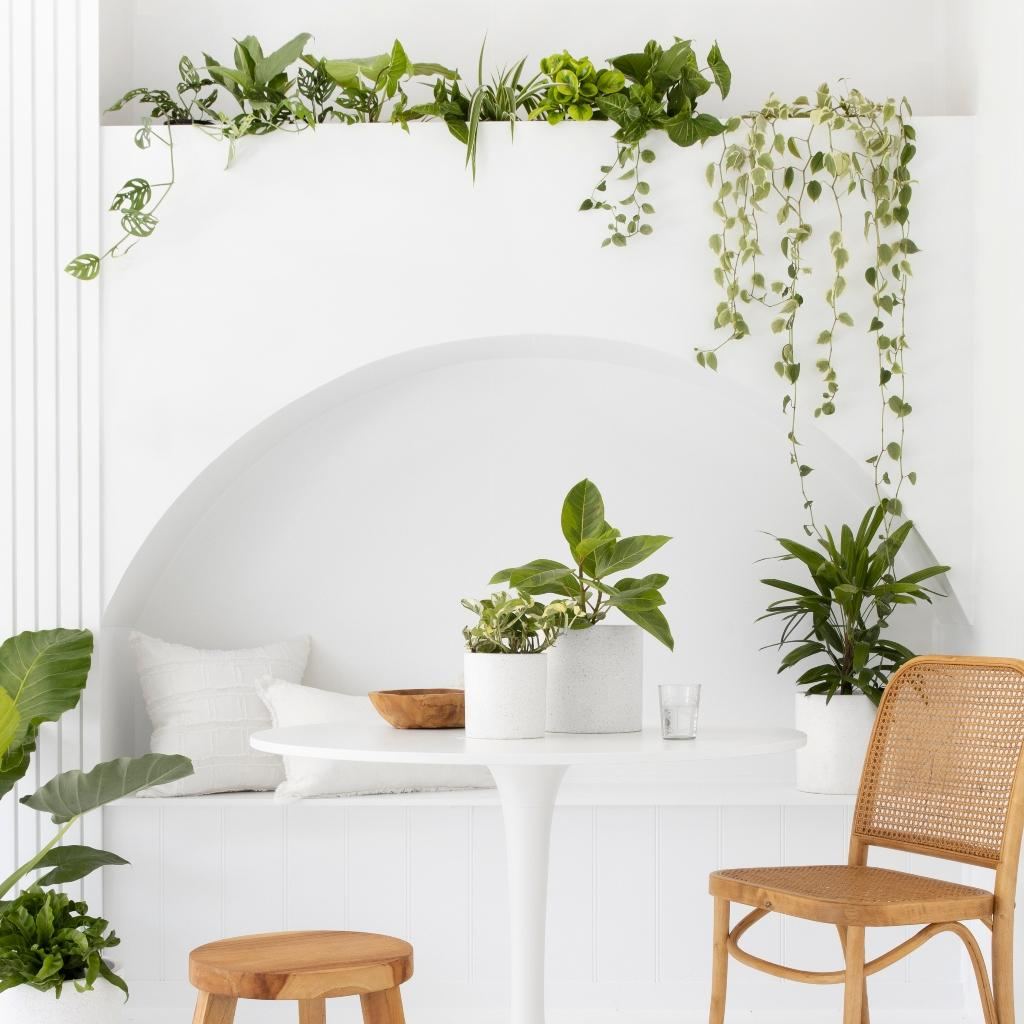
Meet the small plant that dresses big. Peperomia obtusifolia—aka the baby rubber plant or radiator plant—is a compact, evergreen beauty with thick, glossy leaves that read as jewelry on a shelf and calm on a desk. With the right pot textures, color contrasts, and clever height plays, a tidy 8–12 inch plant instantly looks boutique-level luxe—no sprawling jungle required.
Know your star: quick profile
- Look and size: Typically 8–12 inches tall and wide indoors; slow, steady, compact growth that stays neat on shelves and workstations.
- Foliage: Thick, fleshy, water-storing leaves with a waxy shine; classic rich green or variegated with cream/yellow.
- Light: Bright, indirect light to partial shade. East windows are perfect; west windows need a sheer curtain. Avoid harsh direct sun.
- Temperament: Warmth-loving, easy, slightly drought tolerant if you forget a watering now and then.
- Pet-friendly: Generally non-toxic to cats and dogs.
- Bonus: Occasionally sends up quirky, thin “rat-tail” flower spikes in summer to early autumn (not the main show).
The micro–interior design playbook
Pot textures that flatter glossy leaves
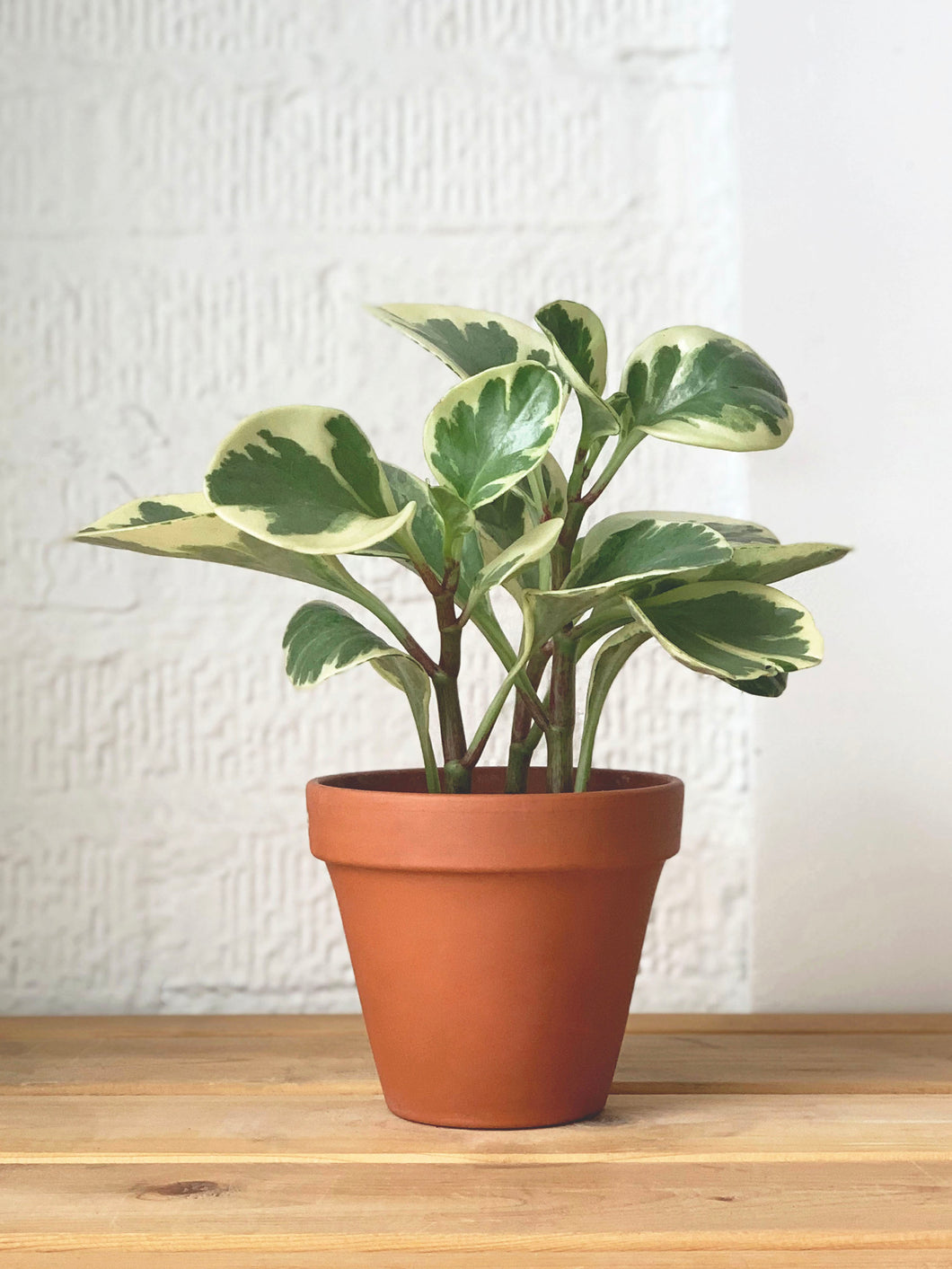
Those lustrous leaves already feel high-polish—your pot should either echo or contrast that finish.
- Matte counterpoint (elevates the shine):
- Unglazed terracotta cylinders
- Chalky porcelain, plaster-look, or limewash finishes
- Honed stoneware in oatmeal or ash tones
- Subtle shimmer (amplifies the luxe):
- Satin-glazed ceramic (avoid mirror-shiny chrome, which can out-gloss the plant)
- Brushed brass or bronze cachepots—use a nursery pot inside and remove to water
- Tactile patterns (adds architectural interest):
- Fluted or ribbed stoneware
- Softly faceted, hand-thrown clay
- Linen-embossed or corduroy-textured ceramics
Design note: Always choose a pot with a drainage hole. If you love a decorative cachepot, keep the plant in a draining inner pot and lift it out to water—empty any standing water.
Color contrasts that make a 12-inch plant look couture
- Solid green cultivars:
- Pair with pale stone, putty, or bone-white pots to spotlight the deep green.
- For drama, use charcoal, espresso, or oxblood pots; add a warm-metal accent (brass pen cup, bronze bookend).
- Variegated cultivars (cream/yellow patterns):
- Ground the pattern with quiet neutrals: warm gray, mushroom, latte.
- Or echo the cream with a soft ivory pot; add a natural material (travertine coaster, oak tray) for balance.
- Top-dress like you mean it:
- 0.25–0.5 inch layer of pale pumice, fine gravel, or black lava over the soil cleans the line visually and hides potting mix—instant gallery effect.
Height layering: turn “small” into “statement”
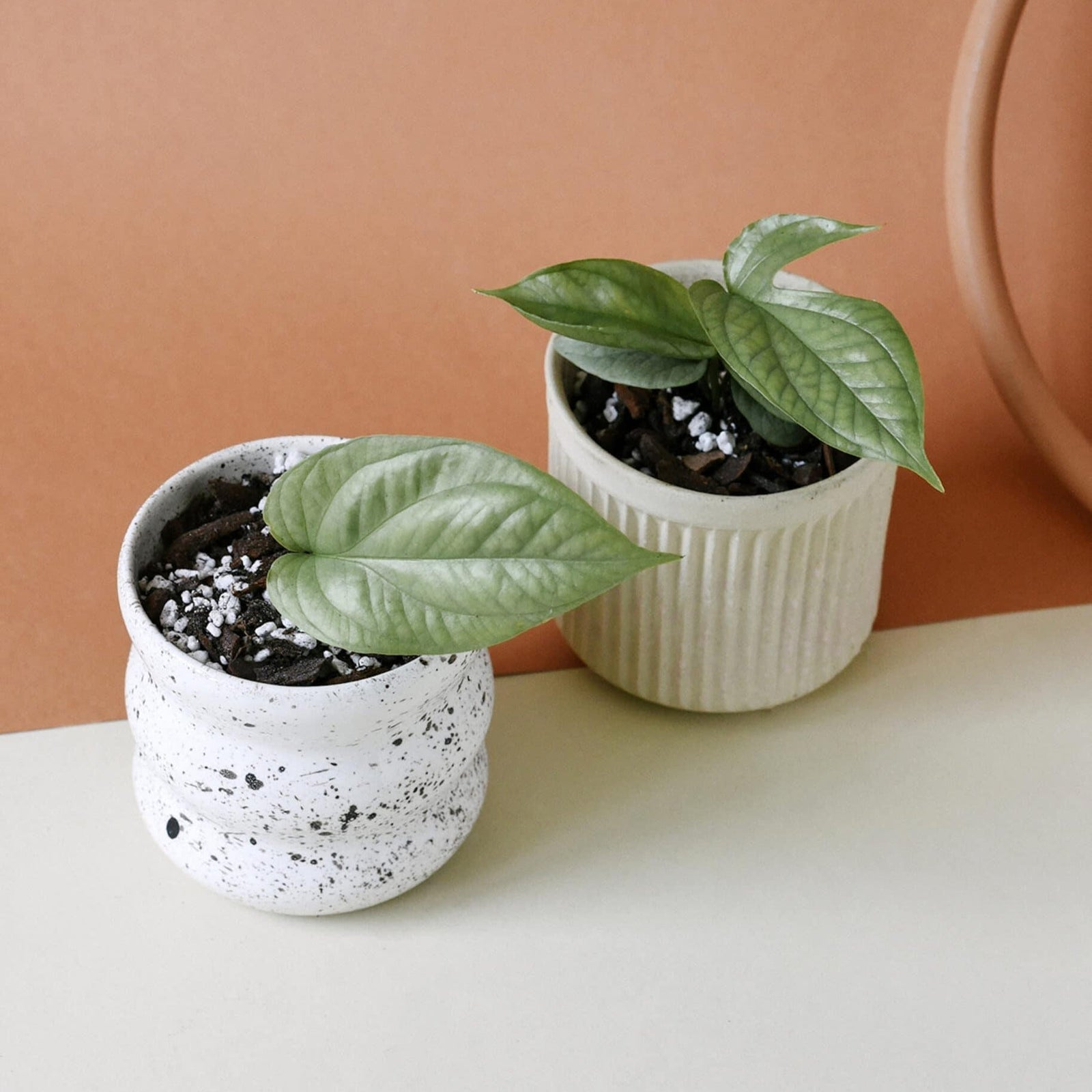
You’re composing a mini skyline. Aim for a triangular or asymmetric “A-frame” composition, with your peperomia as the green focal.
- Risers that add 2–6 inches without bulk:
- Low metal stands, travertine plinths, stacked art books, or a slim wood block.
- Rule of thirds:
- If the shelf interior is 18 inches tall, target the plant’s visual apex near 12 inches; risers help a shorter plant hit that “sweet spot.”
- Grouping for depth:
- Place one shorter, matte object in front (ceramic catchall), your peperomia mid-depth, and a taller, slender object behind (candle snuffer, thin vase).
- Negative space:
- Leave at least one palm’s width of clear area around the plant so the glossy leaves read as “designed,” not cluttered.
East and west window layouts (crisp leaves, zero scorch)
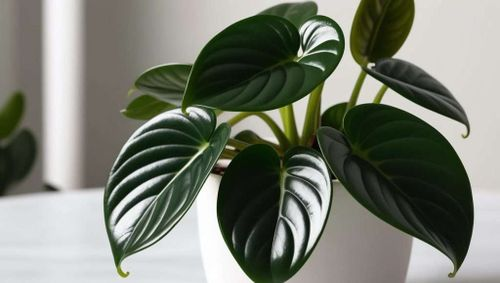
- East window (gentle morning sun):
- Placement: open shelf or desk within about 1–4 feet of the window for bright, filtered light.
- Sheer optional. In spring to autumn, light filtering equivalent to ~40–50% shade keeps leaf sheen without stress.
- Tiering: top or mid shelf gets the peperomia; lower shelf for deeper-shade items.
- West window (hotter afternoon light):
- Use a sheer curtain or textured blind; or set the plant slightly off-axis from the window beam.
- Distance: typically 2–6 feet back with a sheer, or angle it so the pot faces bright ambient light rather than direct rays.
- Summer tip: pull the plant 6–12 inches farther from the pane on heat waves; growth can stall in prolonged heat above 86°F (30°C).
- Winter refinement:
- Light is weaker; move closer to the window or add a desk grow light. Cool-white/neutral 4000–5000K works well.
- Avoid cold drafts; keep above 50°F (10°C).
Finishing touches that telegraph “intentional”
- Saucers and coasters:
- Choose stone or cork to match your pot palette; always empty the saucer after watering.
- Texture trio:
- Glossy leaves + matte pot + mineral top-dress (pumice/gravel) = layered, boutique finish.
- Hidden helpers:
- A slim pebble tray builds gentle humidity without wet feet.
- Felt pads under risers protect shelves and help micro-adjust height.
Three styling recipes for shelves and workstations
1) Clean modern (green cultivar)
- Pot: Matte fluted stoneware in bone.
- Riser: 1.5-inch travertine coaster stack.
- Companions: Brushed brass pen cup + black steel letter stand.
- Top-dress: Pale pumice.
- Placement: East window desk, 2 feet from glass, slight angle toward light.
2) Soft neutral luxe (variegated cultivar)
- Pot: Satin ivory ceramic with a fine foot.
- Riser: Two linen-cloth art books (cream spines).
- Companions: Oak catchall + frosted glass candle.
- Top-dress: Fine pea gravel in warm gray.
- Placement: West window, 4 feet back with a sheer; sits mid-shelf with a taller thin vase behind.
3) Warm minimal industrial (green or variegated)
- Pot: Charcoal stoneware cylinder.
- Riser: Low black metal stand (3–4 inches).
- Companions: Concrete bookend + bronze photo frame.
- Top-dress: Black lava.
- Placement: Perpendicular to an east window on the top shelf; leaves catch bright ambient, not direct rays.
Care that keeps the look crisp (design-savvy essentials)
- Light: Bright, indirect to partial shade. East is ideal; west needs a filter. Avoid harsh direct sun to prevent scorch.
- Watering rhythm: Let the top ~2 inches of mix dry, then water thoroughly and empty the saucer. Expect roughly every 7–10 days in summer; every 2–3 weeks in winter—adjust for pot size, light, and temperature. Overwatering is the number-one way to spoil the look (root rot, yellowing).
- Potting mix: Loose and fast-draining—peat or coco coir with perlite/coarse sand; a pinch of orchid bark is a plus. Always use a pot with drainage.
- Feeding: Light feeder. During active growth, a diluted balanced liquid fertilizer monthly (or every 2 weeks May–August if it’s pushing new leaves). Don’t overdo nitrogen, especially on variegated forms—it can soften patterns and stretch growth.
- Temperature and humidity: Comfortable room temps (61–75°F/16–24°C). Keep above 50°F (10°C). Average home humidity is fine; avoid stagnant, constantly damp air.
- Grooming: Rotate the pot a half-turn weekly for even, compact growth. Dust leaves with a soft cloth for that show-home shine. Pinch tips to encourage branching if stems reach for light.
- Pests: Watch for mealybugs, mites, whiteflies, or scale if airflow is poor; treat early with insecticidal soap or horticultural oil.
Troubleshooting the “look”
- Yellowing/dropping older leaves: Often too-wet soil or low light. Let the mix dry more between waterings; move to brighter filtered light and improve airflow.
- Leggy, stretched stems: Not enough light. Shift closer to an east window, add a sheer to a west window, or supplement with a desk grow light.
- Dull or puckered leaves: Mix stayed too dry too long; water thoroughly, then resume “dry top 2 inches” rhythm.
Multiply the style: easy propagation for matching minis
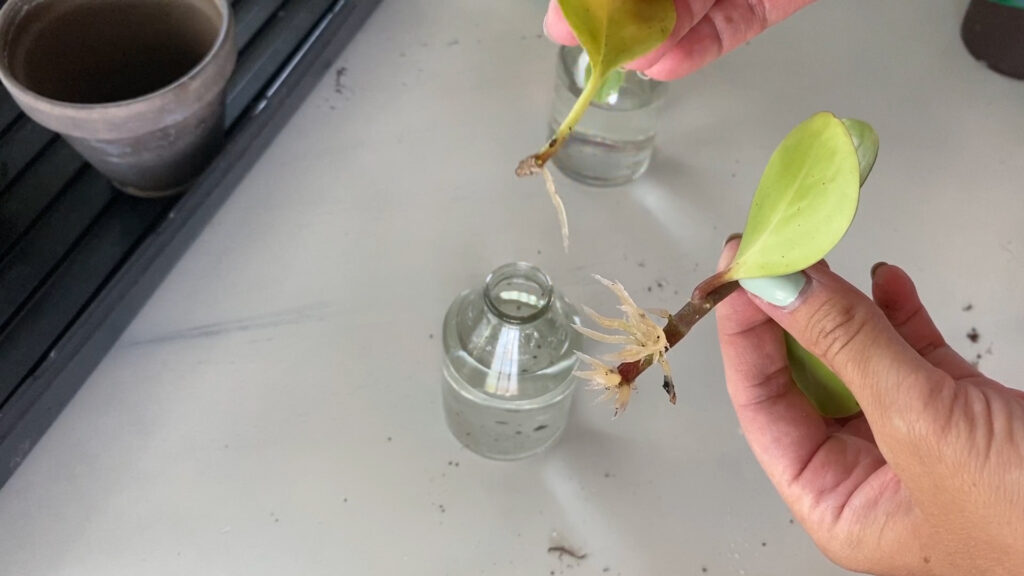
- Stem cuttings: Take 1.2–1.6 inch tips with 3–5 leaves in late spring or early summer. Root in a light mix or moist sand—often in about 3 weeks.
- Leaf cuttings: Insert a mature leaf with ~0.4 inch of petiole; roots in 2–3 weeks, baby plantlets in around a month.
- Water propagation works, too. Pot into a fast-draining mix once roots develop. Create a trio for a symmetrical shelf vignette.
Symbolism and gifting: the calm confidence plant
Peperomia obtusifolia is often shared as a wish for steady growth, everyday happiness, and that reassuring “everything will be alright.” While this isn’t a classical Victorian “language of flowers” tradition, modern plant culture has embraced the peperomia’s tidy, composed habit as shorthand for serenity and prosperity—a fitting message for a workspace or new home. Gift it in a matte pot with a small riser and a note: “For calm focus and gentle momentum.”
—
Design bottom line: Treat your baby rubber plant like a small sculpture—give it a tactile stage, balance light with a sheer or smart placement, keep the soil airy and the watering light, and let negative space do the rest. At 12 inches, it’ll look effortlessly high-end—proof that luxury is often a matter of composition, not size.