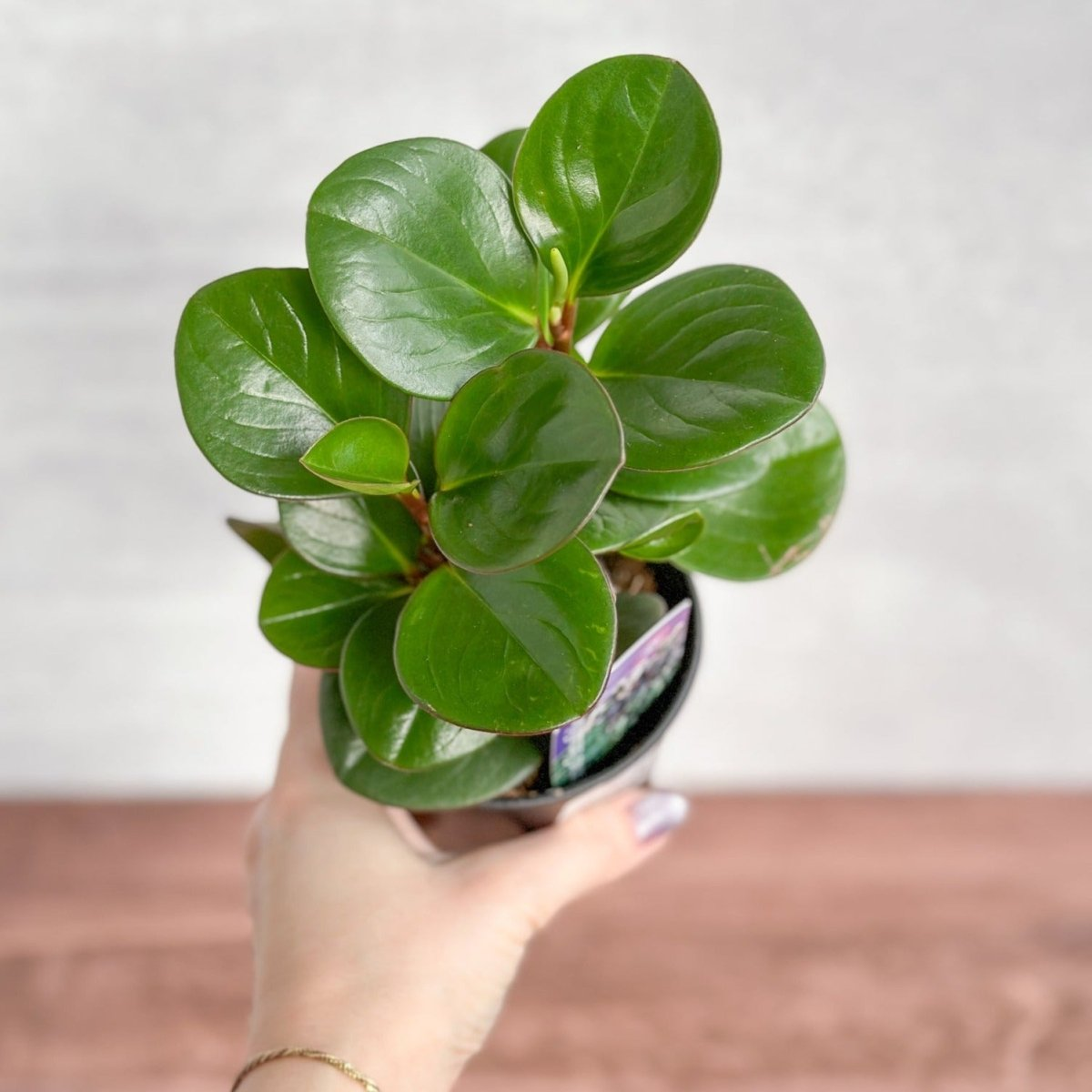
Think of a plant that looks like a stack of polished jade coins, sits neatly on a desk without fuss, and whispers a quiet promise: everything will be alright. That is Peperomia obtusifolia—better known as the Baby Rubber Plant, or 豆瓣绿 in Chinese—an evergreen charmer whose modern “flower language” isn’t about blossoms at all, but about shape, feel, and the cultural stories we attach to them.
How a compact tropical became a modern symbol
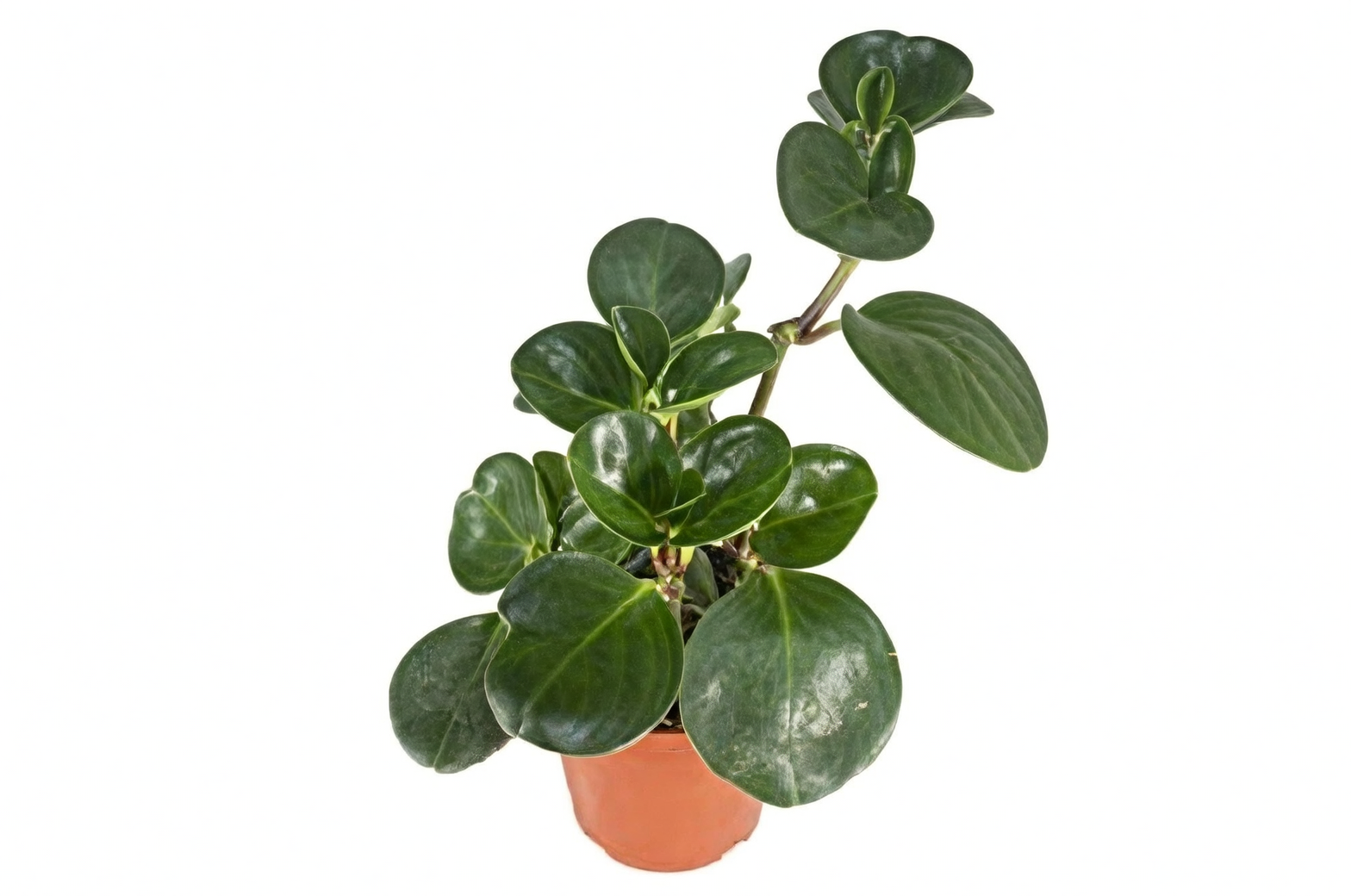
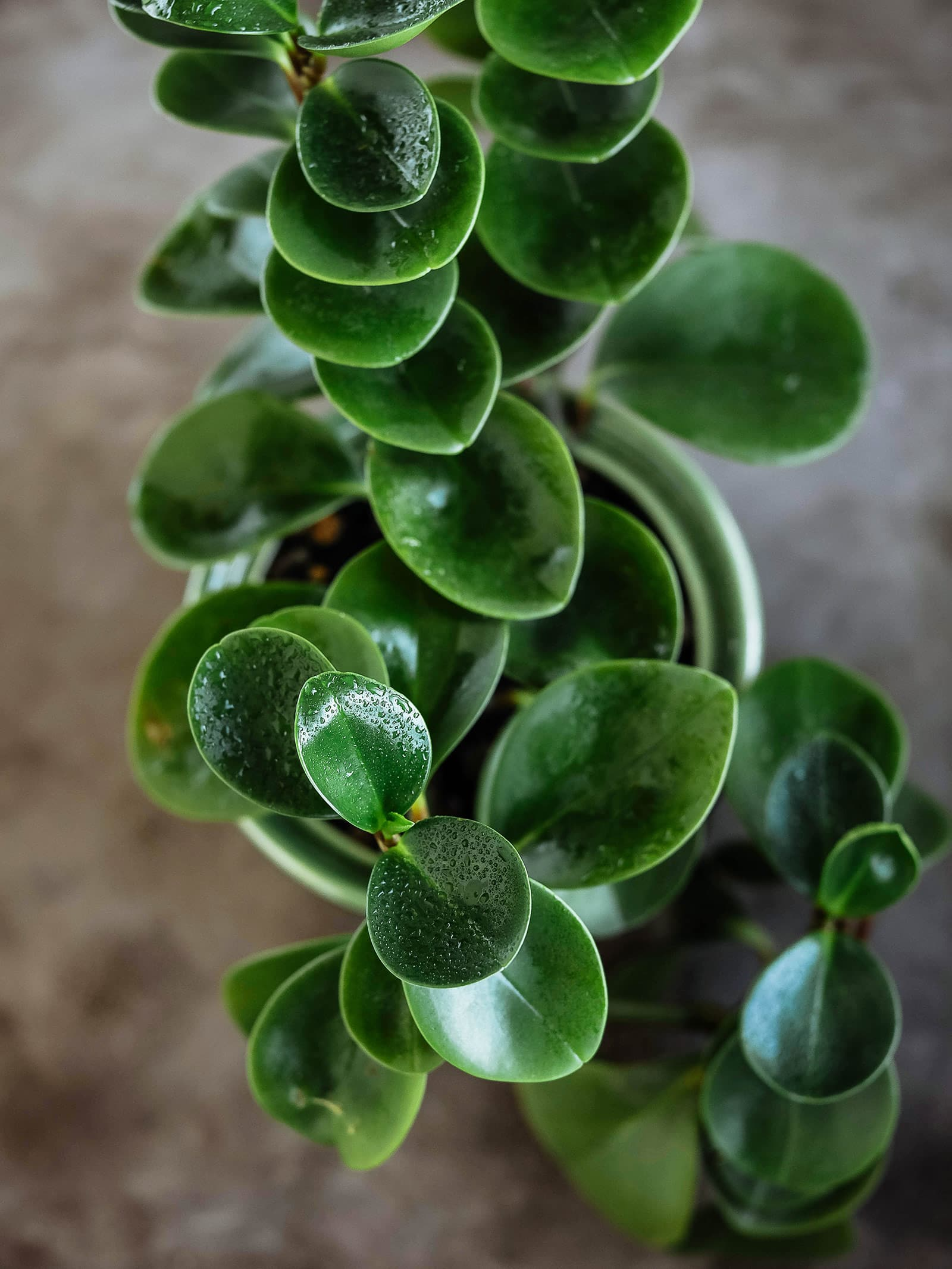
Native to tropical South America, Central America, and the Caribbean (especially Brazil), Peperomia obtusifolia belongs to the pepper family (Piperaceae). Indoors it’s a slow, steady grower with thick, glossy leaves that store water—fresh-looking on shelves and nearly indestructible on busy workstations. By the late 20th century, as compact, low-maintenance greenery spread through East Asian homes and offices, this species rode the wave of gift-plant culture and feng shui aesthetics. Shops bundled “good-luck greens” for housewarmings, grand openings, job promotions, and new offices. Round leaves—read as coin-like—signaled prosperity; evergreen poise signaled reassurance and calm. The Baby Rubber Plant fit both ideals perfectly.
The modern flower language: coins, calm, and continuity
Flower language here is more “foliage language”—its wiry, tail-like flower spikes aren’t the headline. Instead, meaning arises from form and habit:
- Prosperity and steady wealth
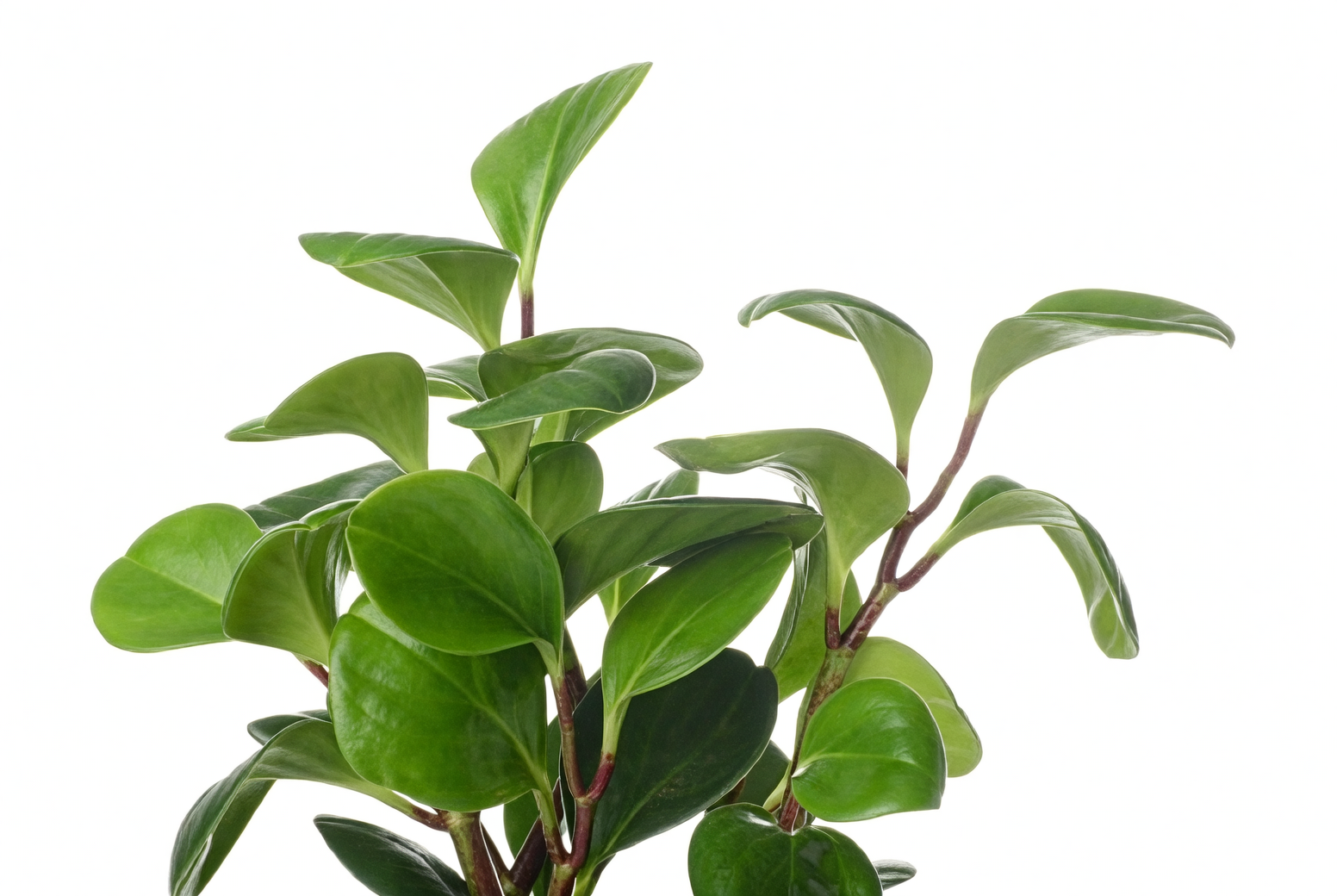
- Round, plump leaves evoke coins and savings; a naturally clumping growth habit suggests accumulating abundance rather than risky windfalls.
- In feng shui, gentle, rounded foliage is thought to soften sharp energy and attract beneficent qi—especially welcome in money-minded corners of a home or office.
- Reassurance and evergreen calm
- Evergreen leaves symbolize constancy. Their waxy gloss reads as “kept-in-order,” the feeling of a tidy ledger or well-run workspace.
- The plant grows slowly but doesn’t stall easily when routines wobble—its message is patient, sustainable progress.
- Quiet friendship and shareable luck
- Peperomia propagates readily from a single leaf or a short stem—an easy way to “share a piece” of your good fortune with a colleague or friend.
These meanings are contemporary, shaped by late-20th-century East Asian gifting and feng shui, rather than by Victorian flower codes. They persist because they feel right in modern life: practical, gentle, and optimistic.
Feng shui placement made simple (and plant-friendly)
Marry symbolism with sound horticulture and you get placements that feel good and grow well.
- Wealth and opportunity zones
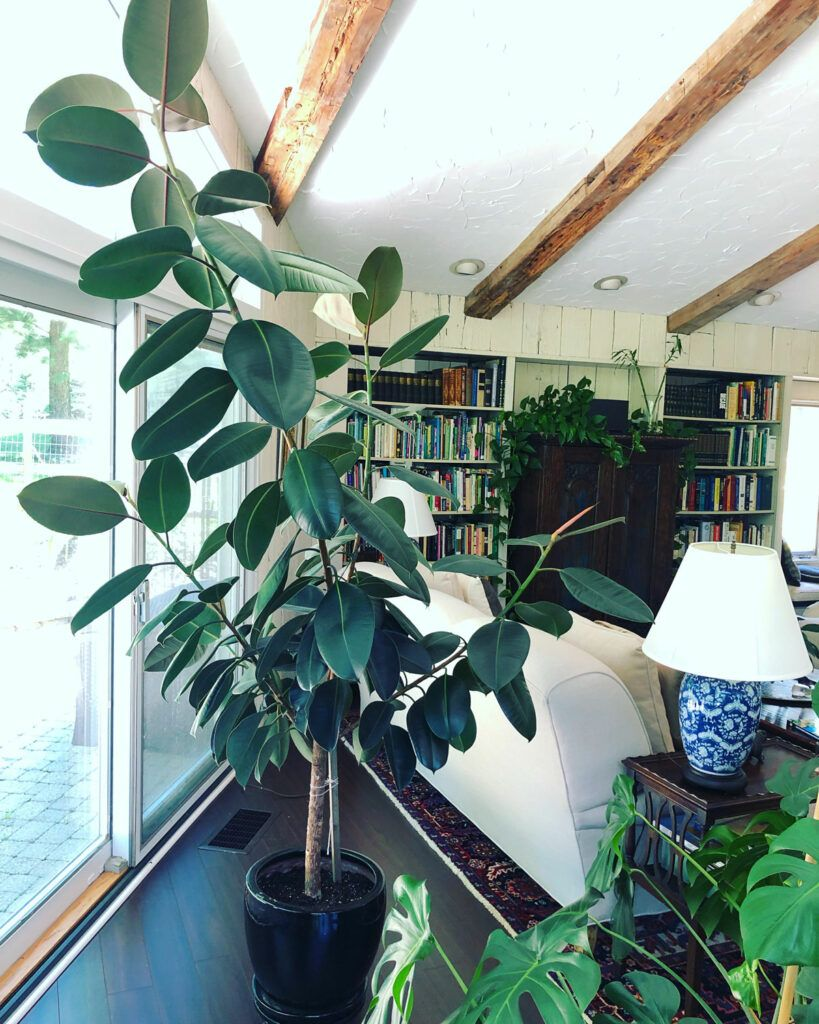
- Home: many practitioners favor the wealth corner of a room (often interpreted as the southeast). Place your plant there if it also offers bright, filtered light.
- Office: choose a place you associate with revenue or career momentum—a reception shelf, a sunny bookcase behind your desk, or the “money area” of your workstation. Keep sightlines open; don’t wedge it in a dark corner.
- Light and form
- Bright, indirect light is ideal; near an east window or behind a sheer on a south/west window works beautifully.
- Round or slightly bowl-shaped ceramic pots echo the leaf shape and “contain” abundance. Pot colors commonly chosen for prosperity vibes include jade-green, soft white, or warm gold accents.
- Where enthusiasts avoid (for symbolism, not survival)
- Bathrooms are often skipped for “wealth” intentions (the metaphor of money down the drain). If you do place it there for light and humidity, the plant won’t mind—but the symbolism softens.
- Keep the qi flowing
- Wipe leaves to a gentle shine, avoid crowding with clutter, and don’t block doors or walkways. Healthy airflow benefits both energy and plant.
Gifting etiquette for homes and offices
Make your message as considered as your plant.
- When to gift
- Housewarming, new office or promotion, shop openings, first day on a team, exam season, and “thinking of you” milestones.
- How to present
- Choose a compact, well-rooted specimen with thick, glossy leaves and firm stems. Include a care card (see next section).
- In Chinese-speaking contexts, avoid arrangements of four; one, two, three, six, or eight are seen as auspicious numbers.
- A neat pot with drainage beats a decorative cachepot with trapped water. If using a cover pot, include a note to remove and drain after watering.
- What to say
- “Wishing you steady prosperity and calm progress” captures both the coin-leaf prosperity and evergreen reassurance this plant represents.
- A considerate choice
- Generally considered non-toxic to humans, cats, and dogs—good news for pet-friendly households and HR departments alike.
Care at a glance (so your gift thrives)
- Light: Bright, indirect light to partial shade; avoid harsh, direct sun that can scorch leaves. Tolerates lower light but may grow looser or leggier.
- Water: Let the top ~5 cm (2 in) of mix dry before watering. Typical rhythm: every 7–10 days in summer; every 2–3 weeks in winter. Overwatering is the number-one culprit behind decline.
- Soil: Loose, fast-draining mix—houseplant substrate with perlite/coarse sand (a little orchid bark optional). Always use a pot with drainage.
- Temperature and humidity: Best around 16–24°C (61–75°F); keep above 10°C (50°F) and away from cold drafts. Average home humidity is fine with good airflow.
- Feeding: Light feeder—use a diluted, balanced liquid fertilizer during active growth (spring/summer). Go easy on nitrogen, especially for variegated forms.
- Size and habit: Typically 20–30 cm (8–12 in) tall and wide indoors; compact, upright-to-mounding, slow and steady.
- Pruning: Pinch tips to keep a tidy, bushy shape; remove yellow or damaged leaves. Older, crowded plants benefit from occasional thinning.
- Propagation: Very easy. Stem tip cuttings (3–4 cm with several leaves) or single-leaf cuttings root fast—often within 2–3 weeks.
- Flowers: Tiny, unscented, “rat-tail” spikes—quirky, not showy. The foliage is the star.
- Pests: Watch for mealybugs, spider mites, whiteflies, or scale—treat early with insecticidal soap or horticultural oil.
Note on “air-purifying”: Peperomia is often cited in discussions of indoor air quality and VOC reduction, but real-world effects depend on ventilation and plant quantity. Enjoy it primarily for beauty and calm.
Choosing the perfect plant and pot
- Pick plants with firm stems and thick, glossy leaves; avoid yellowing, droop, mushy spots, or a sour, waterlogged smell.
- Slightly snug pots suit them; repot only every 2–3 years, stepping up just 2.5–5 cm (1–2 in).
- Variegated cultivars are popular gifts; keep fertilizer light so patterns stay crisp.
Office-friendly FAQs
- Why are leaves yellowing and dropping?
- Usually overwatering, but low light, harsh sun, crowding, or poor airflow can contribute. Let the mix dry partially, move to bright filtered light, and thin dense growth.
- Can it live under office lights?
- Yes, it tolerates lower light, though growth may be slower and more open. A bright window with a sheer is ideal; a desk under good LEDs is acceptable.
- Should I mist it?
- Misting isn’t necessary and can be fleeting. If the air is very dry, use a pebble tray or humidifier instead; prioritize airflow.
Why this little plant makes a big statement
Peperomia obtusifolia is the rare gift that wears its message on its leaves. Rounded like coins, evergreen like a long promise, it sits in our living rooms and boardrooms as a gentle, green nudge toward prosperity and peace of mind. In the language shaped by modern East Asian gift culture and feng shui, it offers both: abundance that accumulates quietly, and the calm to enjoy it. Place it where you’ll see it daily—and let its steady growth set the tone for your own.