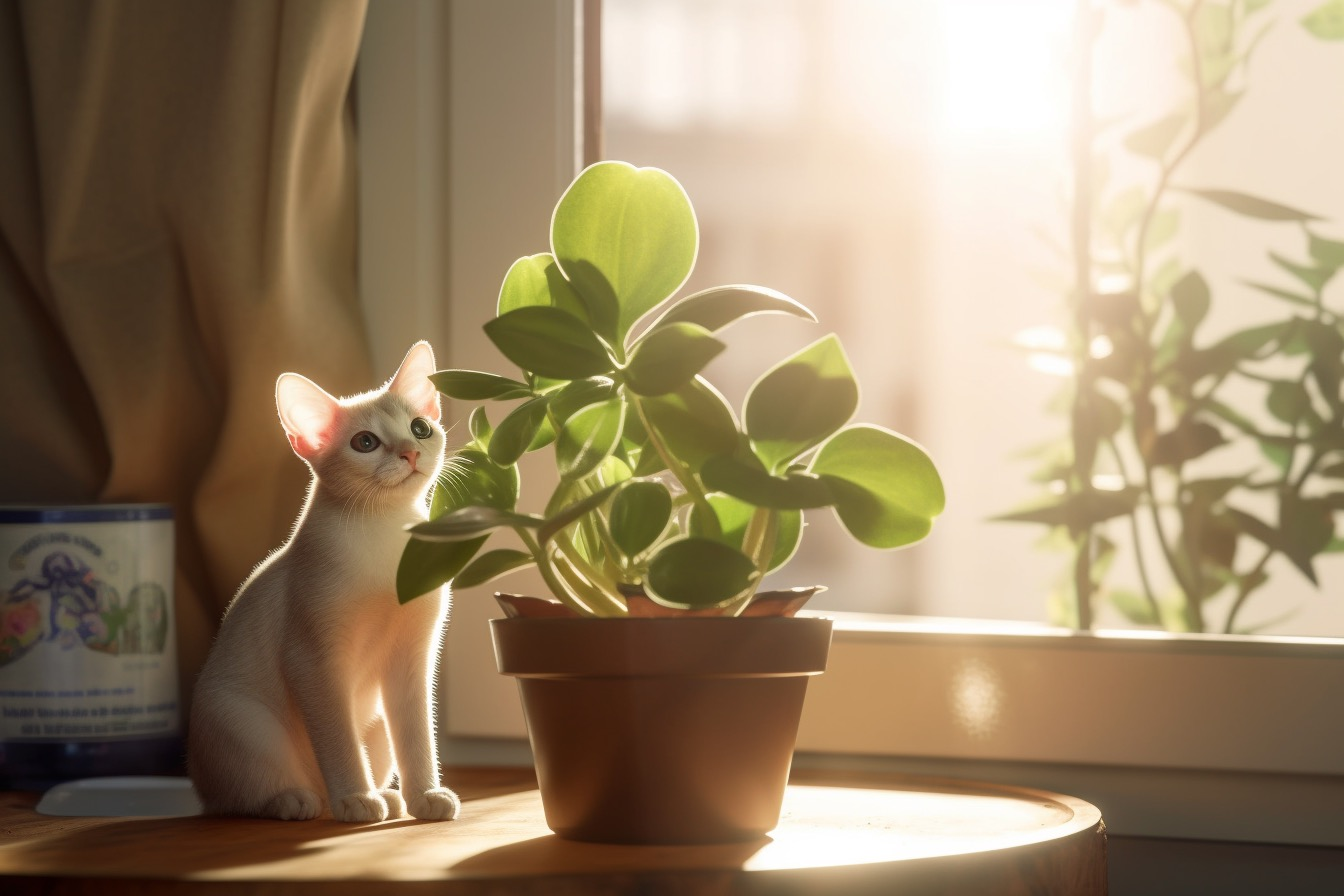


Peperomia obtusifolia, the baby rubber plant with glossy, water-storing leaves and a tidy, compact habit, loves living a little snug. Get the pot size and soil right, and this plant settles into a smooth, steady rhythm: perky foliage, neat growth, and sweetly forgiving care. Here’s how to hit that root-bound sweet spot, when to repot, how much to size up, and the exact airy mix that keeps rot at bay.
Meet the baby rubber plant (Peperomia obtusifolia)
- Origin: Tropical South/Central America and the Caribbean, especially Brazil
- Habit: Compact, upright to mounding evergreen; typically 20–30 cm (8–12 in) tall and wide indoors
- Light: Bright, indirect to lightly filtered light; avoids harsh direct sun
- Vibe: Semi-succulent leaves that store water; slow and steady grower; pet-safe
- Bonus: Many handsome variegated forms, plus the occasional quirky “rat-tail” flower spike
The root-bound sweet spot: why a little snug = stronger growth
A slightly tight pot does three things your Peperomia loves:
1) Promotes a compact, tidy shape instead of sprawling, leggy stems.
2) Helps the mix dry on a predictable cadence—crucial for a water-storing, rot-sensitive plant.
3) Keeps oxygen flowing around fine, shallow roots, reducing the chance of soggy, airless soil.
What “slightly root-bound” looks like
- Roots lightly trace the outer soil and peek from drainage holes.
- Water still penetrates and drains well (no instant runoff or pooling).
- The plant holds shape and color, with leaves staying firm and glossy.
When snug turns stifling: time-to-repot checklist
Repot in spring if you see any of these:
- Roots circling densely or matting into a “pot-shaped” block
- Roots pushing up at the soil surface or emerging thickly from drain holes
- The mix dries out so fast you’re watering every few days despite indirect light
- New leaves shrink or growth stalls even with good light and care
Typical rhythm: every 2–3 years.
How much to size up: the 1–2 inch rule
Go up just 2.5–5 cm (1–2 in) in diameter—no more. For example, 10 cm (4 in) to 12–15 cm (4.7–5.9 in). Oversizing traps moisture and is the fastest way to invite root rot. Always use a pot with drainage holes. Terra-cotta breathes and can speed drying slightly; plastic retains moisture longer—choose based on your home’s light, temperature, and how often you like to water.
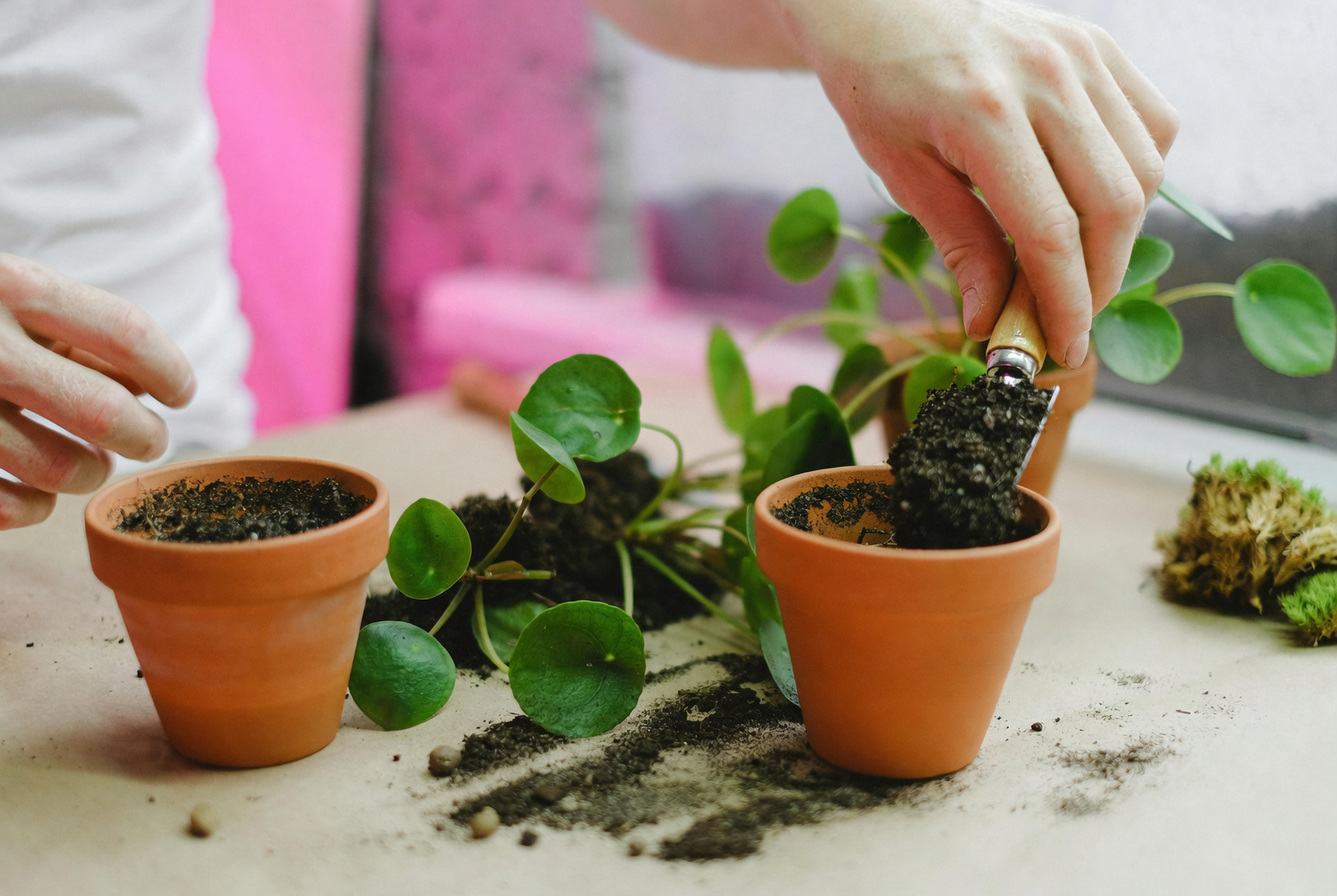
The exact airy mix that prevents rot
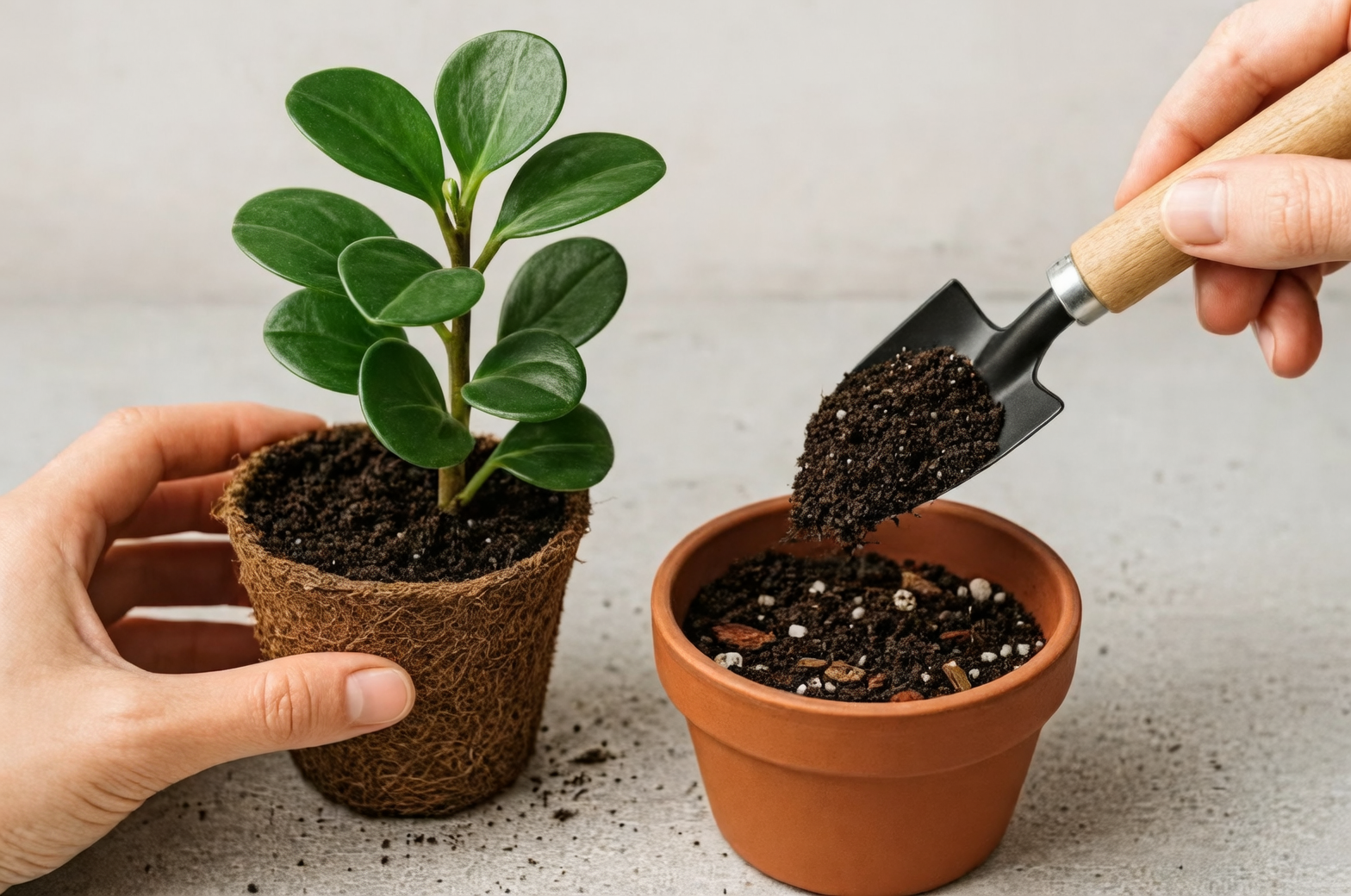
Peperomia roots thrive in a loose, quick-draining, oxygen-rich medium that still holds a touch of moisture. Build it like a forest floor: light, chunky, and never heavy.
Base recipe (by volume):
- 1 part coco coir or peat moss (moisture retention without sogginess)
- 1 part perlite or pumice (aeration and rapid drainage)
- 1/2 part fine orchid bark (chunky structure that mimics epiphytic debris)
Optional tweak for extra porosity:
- Add up to 1/4 part coarse horticultural sand if your space is cool, your light is modest, or you tend to water generously.
How to tune it:
- Very bright/warm rooms or smaller pots: increase perlite/pumice to 1.25 parts.
- Low light/cool rooms: keep the recipe as-is; err on the airy side, not heavier.
Why this works:
- Coco/peat provides a gentle moisture “buffer” for semi-succulent leaves.
- Perlite/pumice holds pores open so roots can breathe.
- Bark adds durable, chunky pathways that keep the mix from compacting.
Step-by-step repotting playbook
1) Prep the plant: Repot in spring. Water lightly the day before so the root ball is pliable but not sodden.
2) Unpot and loosen: Slide the plant out and gently tease the outer roots and the base to loosen—no need to strip off all old mix.
3) Pot choice: Size up 1–2 inches with a pot that has drainage holes.
4) Set the height: Place a layer of fresh mix; set the root ball so the crown sits at the same depth as before.
5) Backfill and settle: Fill around with your airy mix, tapping the pot to collapse air pockets without compressing.
6) First watering: Water thoroughly, then drain completely. Empty the saucer.
7) Recovery zone: Bright, filtered light; steady warmth (16–24°C / 61–75°F). Hold fertilizer for 4–6 weeks until you see new growth.
Aftercare: water, light, and a calm routine
- Watering cadence: Let the top ~5 cm (2 in) dry before watering again. As a ballpark, every 7–10 days in summer; every 2–3 weeks in winter. Always adjust to your light, temperature, and pot size.
- Light: Bright, indirect. A sheer-curtained south/west window or an east window is perfect.
- Temperature: Keep above 10°C (50°F); avoid cold drafts. Prolonged heat above 30°C (86°F) can slow growth.
- Humidity & airflow: Average home humidity is fine; ensure good airflow so leaves stay clean and dry.
- Feeding: Light feeder—use a diluted balanced liquid fertilizer during active growth. Go easy on nitrogen, especially for variegated forms (excess can mute the pattern).
- Grooming: Pinch tips to keep a compact mound; remove tired/yellowing leaves any time. Rotate the pot weekly for even growth.
Troubleshooting quick hits
- Yellowing, dropping leaves: Most often overwatering or poor drainage. Let the mix dry more, and confirm your pot has ample drainage. Thin crowded foliage to improve airflow.
- Leaves losing shine/softening: The mix stayed too dry for too long—water thoroughly, then resume a “dry the top, not the whole pot” rhythm.
- Leggy growth: Increase brightness to bright, indirect light.
- Cold marks/blackened patches: Chilling injury—move to a warmer, draft-free spot.
- Root rot red flags: Mushy stems, sour smell, wilting despite wet soil. Unpot, trim rot, and repot into fresh airy mix; water sparingly until growth resumes.
- Pests: Check for mealybugs, mites, whiteflies, and scale. Treat early with insecticidal soap or horticultural oil, repeating weekly until clear.
A note on blooms and symbolism
Indoors, Peperomia obtusifolia sometimes sends up slim, tail-like flower spikes in summer into early autumn—charming, if not flashy. Its cultural “flower language” leans on what the plant represents in homes and offices: steady, calm growth, tidy comfort, and the quiet reassurance that everything will be alright. That meaning likely grew with its modern popularity as a small, well-behaved, easy companion for desks and shelves—making it a thoughtful gift to wish happiness and prosperity.
One last reason to love it
It’s generally considered non-toxic to humans, cats, and dogs. Paired with its low-maintenance nature, tidy size, and love of slightly snug quarters, the baby rubber plant proves that big houseplant satisfaction can come in a very compact package. Keep it just a little root-bound, repot thoughtfully, and give it that airy, barky, perlite-boosted mix—your Peperomia will repay you with glossy, vigorous growth for years.