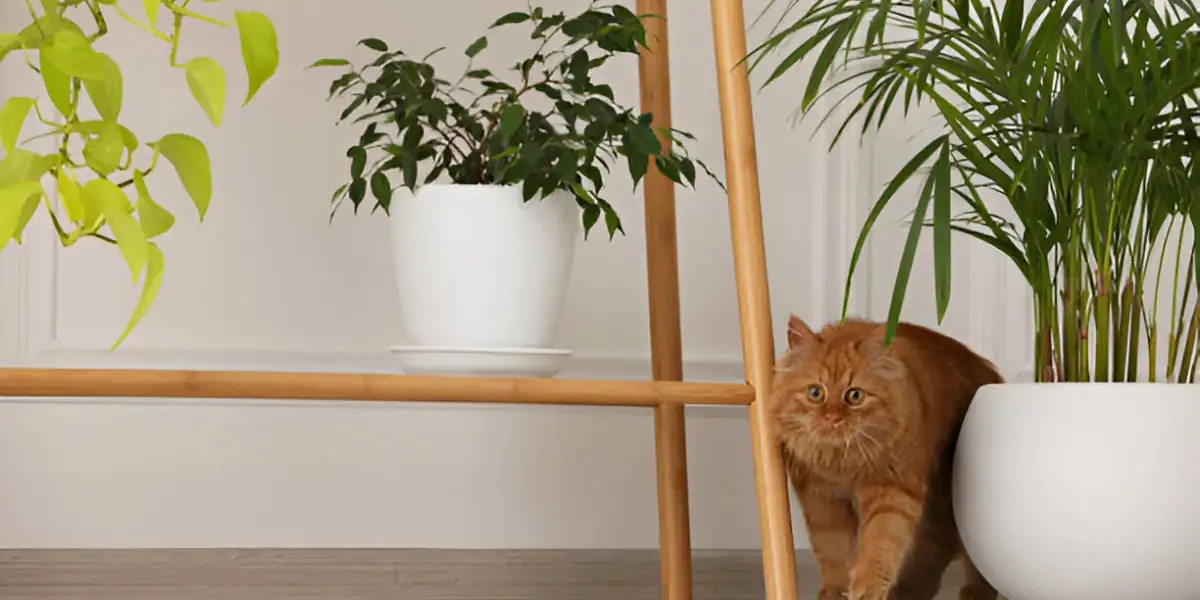
If you adore succulents but also share your home with a whiskered explorer or a snack-seeking pup, the jade plant (Crassula ovata) can absolutely be part of the family—with a little know‑how. Here’s a calm, practical guide to its mild toxicity, what symptoms to watch for, and how to place and care for your jade so pets and plants live in peaceful, green harmony.
Meet Crassula ovata, the long-lived “little tree”
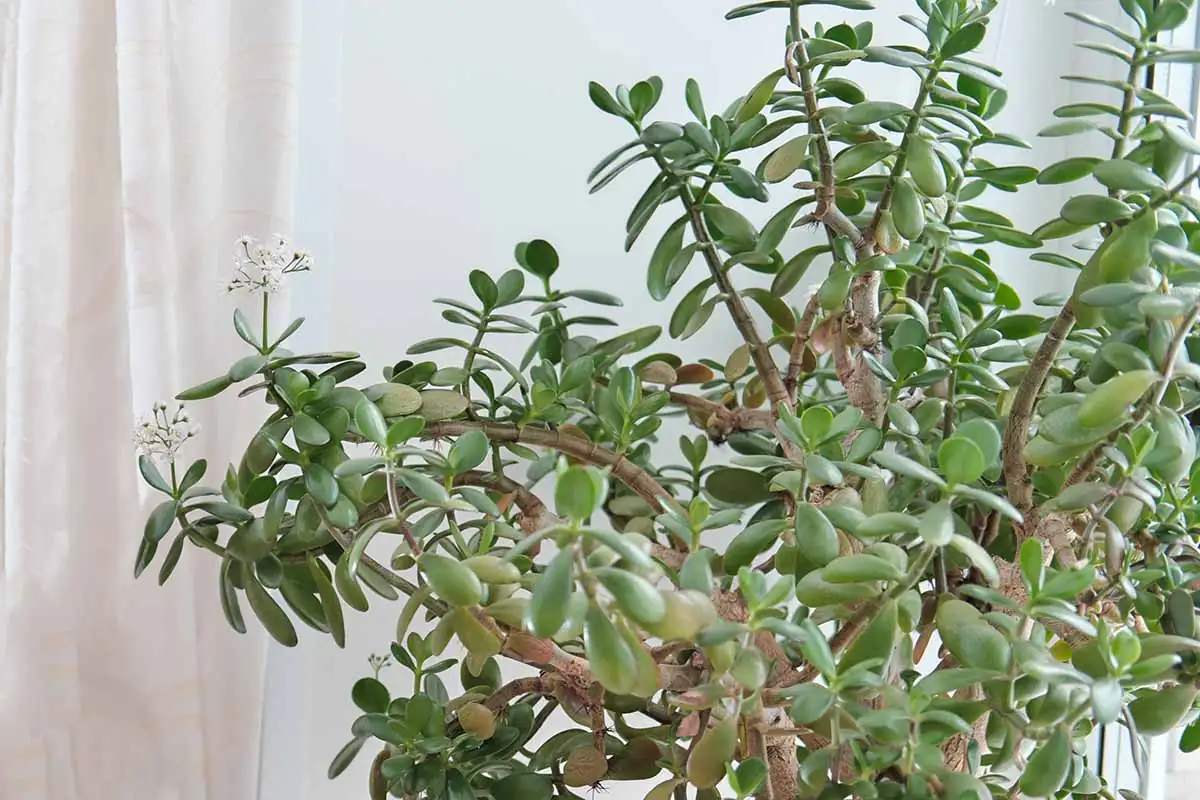
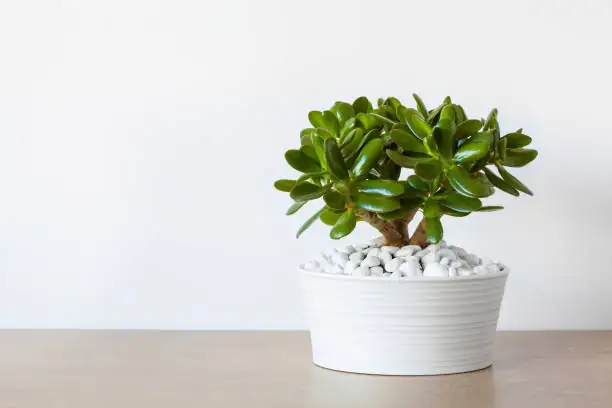
- Look and feel: Thick, glossy, oval leaves that resemble polished jade; branching, woody stems that age into a stout, bonsai-like trunk.
- Personality: Very forgiving and drought tolerant. With bright light and a cool, drier winter rest, mature plants may produce sweetly scented clusters of tiny white-to-soft-pink, star-shaped flowers in winter.
- Size: Indoors 2–3 ft (60–90 cm); outdoors up to about 8 ft (2.5 m) in suitable climates.
- Origins: Native to South Africa’s KwaZulu-Natal and Eastern Cape provinces, and Mozambique.
- Nicknames you might see: Jade Plant, Lucky Plant, Money Plant, Money Tree, Dollar Plant, Friendship Tree.
Tip on names: “Money Tree” also refers to a totally different plant (Pachira aquatica). When you’re checking safety info, always use the scientific name—Crassula ovata—to avoid mix-ups.
Toxicity, clear and calm
Jade plant is considered mildly toxic to cats, dogs, and horses if eaten.
- Typical symptoms after chewing/ingestion:
- Vomiting
- Lethargy or depression
- Poor coordination (wobbly walking)
- Skin note: The sap can irritate sensitive skin. Wear gloves if you react easily, and wash hands after pruning.
- What to do if your pet nibbles:
- Gently remove any remaining plant bits from the mouth.
- Rinse the mouth with a small amount of water if your pet allows.
- Monitor for vomiting, lethargy, or unsteady movement.
- Call your veterinarian or an animal poison-control service for guidance, especially if symptoms appear. Do not induce vomiting unless a professional instructs you to.
- Prevention basics: Keep jade out of reach of pets and small children.
Reassurance: Most exposures are mild and manageable, but smart placement plus a few pet-savvy habits prevent problems before they start.
Smart placement so pets and jade coexist
Think “high and bright,” with simple barriers and good habits.
Place it where jade thrives—and paws can’t reach
- Light targets: Aim for 4–6 hours of strong light daily. A sunny south- or west-facing window is ideal.
- High perches:
- Wall-mounted shelves with a rim
- Tall, sturdy plant stands placed away from furniture cats might use as a launchpad
- Floating shelves above desk height
- Glass-fronted display cabinets for a mini “succulent gallery”
- Behind barriers:
- Window ledges behind closed, secure insect screens
- Bookcases with doors
- Room dividers or plant cloches (vented) for smaller specimens
- Rooms that work:
- Bright offices or studios with a sunny window
- Kitchens with sunny sills (no stovetop splashes)
- Avoid steamy bathrooms—jade loves dry air.
Outdoor note (warm climates, USDA 9–11): Site in bright filtered light or morning sun, out of pet traffic and away from grazing animals. Not frost-hardy; bring indoors as temps approach 50°F (10°C).
Pet-smart habits that make a big difference
- Offer a “yes” plant: Keep a pot of pet-safe grass or a cat herb blend to satisfy nibbling urges.
- Deter curiosity: A top-dress of coarse pebbles discourages digging. Rotate engaging toys and provide scratching posts to redirect energy.
- Train kindly: Reward pets for ignoring plant zones; use baby gates or close doors when needed.
- Prevent leaf confetti: Healthy, well-lit plants drop fewer leaves. Promptly pick up any that fall.
Care that keeps jade compact, healthy, and less tempting
A thriving jade drops fewer leaves and looks tidy—less intrigue for curious pets.
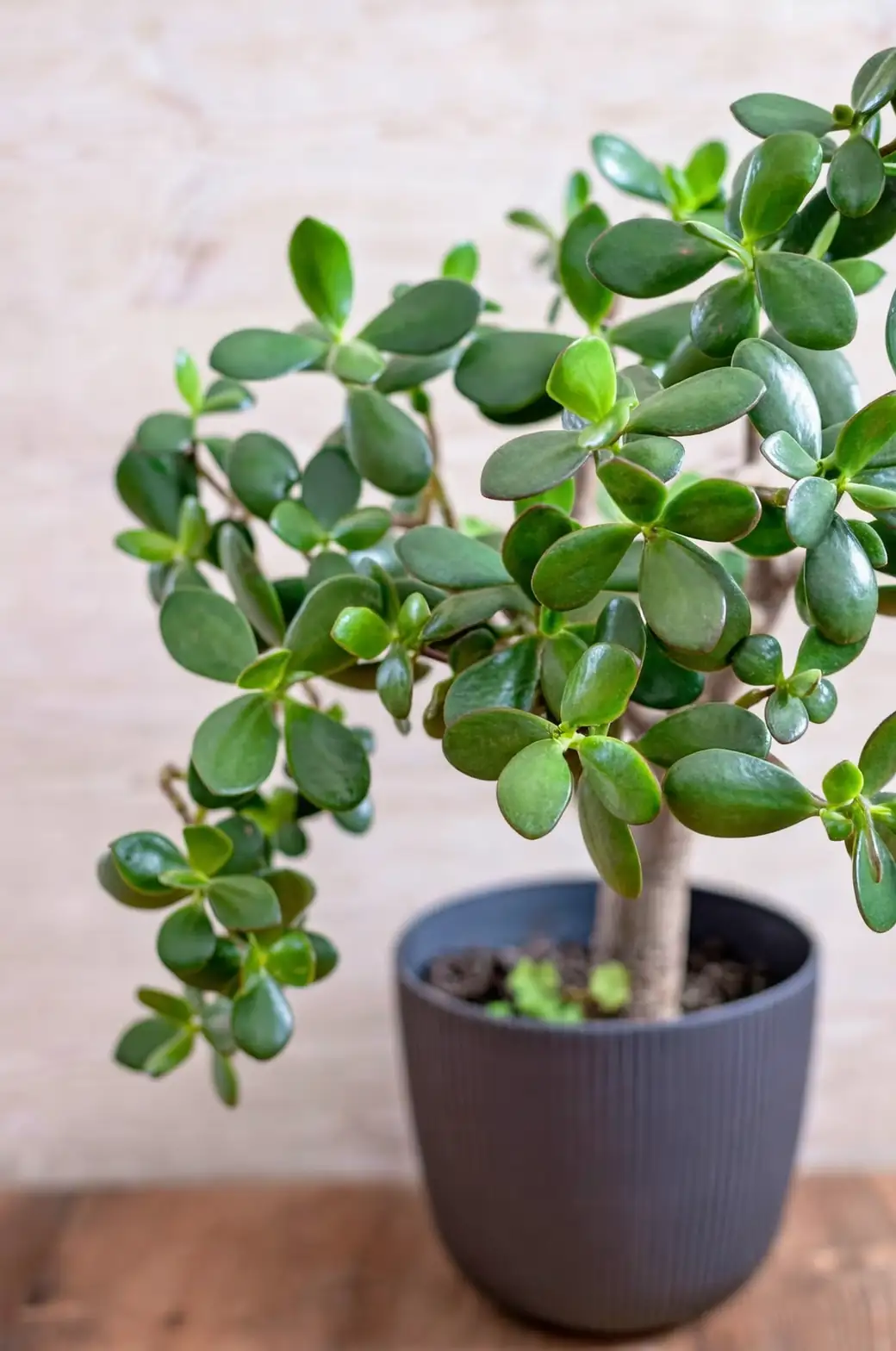
- Watering: Soak thoroughly, then let the soil dry out completely before the next drink.
- Spring/Summer: Often weekly or less, depending on light and pot size.
- Fall/Winter: Much less—sometimes monthly or even less. Err on the dry side.
- Light: Bright is best. Low light leads to stretched, leggy growth that can dangle and attract batting paws.
- Soil: Fast drainage is non-negotiable. Use a cactus/succulent mix, or mix regular potting soil with perlite at about 2:1 (soil:perlite).
- Temperature: 65–75°F (18–24°C) indoors; tolerates cooler winter nights to about 55°F (13°C).
- Humidity: Prefers dry air—great news for typical indoor spaces.
- Feeding: Light feeder. In spring/summer, use a diluted cactus/succulent or balanced houseplant fertilizer every 2–4 weeks. Stop in fall/winter.
- Pruning: Early spring is prime time to shape and encourage branching. Cuts callus quickly; jade takes well to bonsai-style training.
- Repotting: Every 2–3 years for young plants; 4–5 years for mature ones. Slightly root-bound is fine. Repot in early spring, then wait ~1 week to water and ~1 month to fertilize.
- Propagation: Easy from stem or leaf cuttings. Let cut ends callus a few days, then start in lightly moist, well-draining soil.
Bloom boost: For winter flowers, give very bright light, keep it slightly snug in its pot, reduce watering in fall/winter, and provide cool nights around 55°F (13°C). Avoid bright artificial light at night so it senses shorter days.
Quick troubleshooting (with pet safety in mind)
- Leaf drop: Most often watering stress—too much or too little—or a sudden chill. Check soil moisture and keep temps steady.
- Leggy, floppy growth: Not enough light. Move to a brighter window and prune to encourage bushiness.
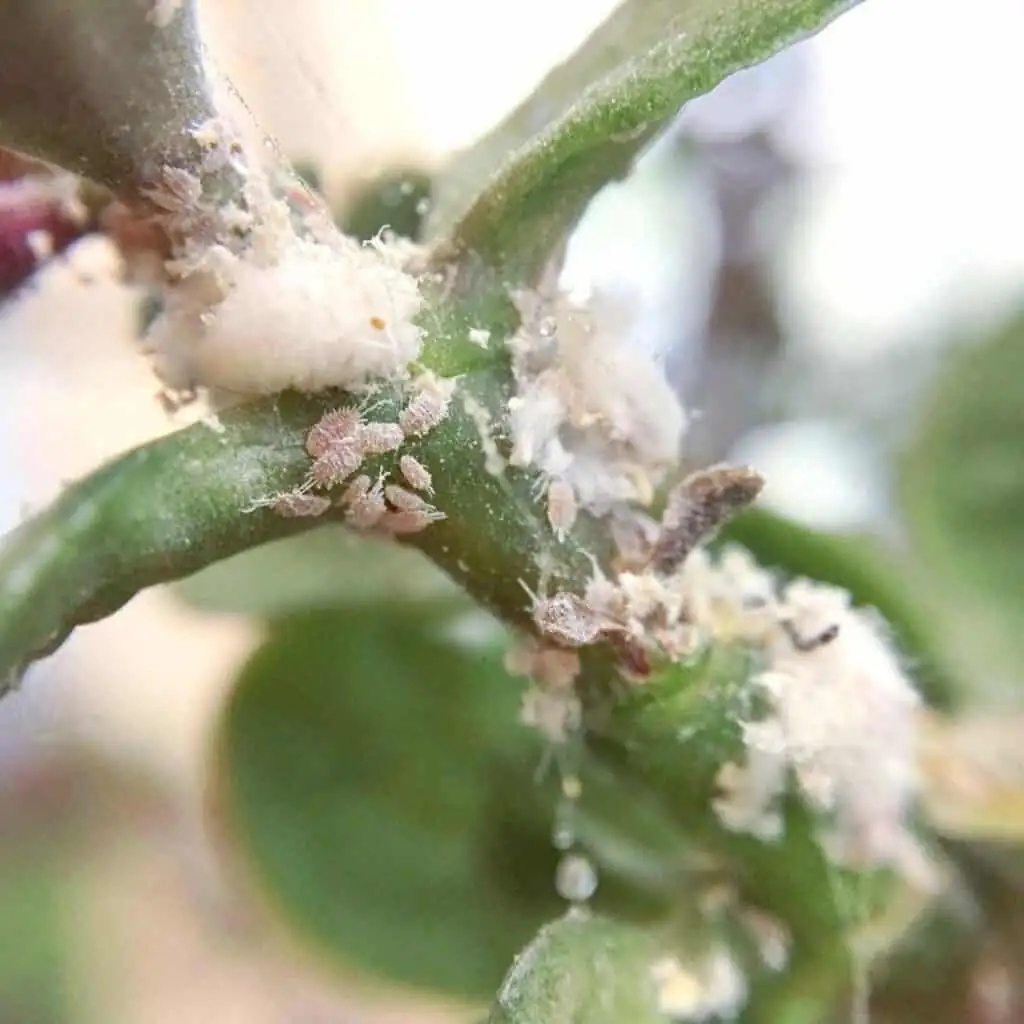
- Pests: Watch for mealybugs, scale, aphids, or spider mites. Dab visible pests with a cotton swab dipped in rubbing alcohol; repeat weekly until gone. Address promptly so sticky residues don’t attract pet curiosity.
- Rot: Overwatering and poor drainage are the usual culprits. Let the mix dry completely, improve drainage, and remove mushy parts.
Housekeeping tip: Sweep up any fallen leaves promptly and keep pots stable—wobbles invite topples.
A note on symbolism and “flower language”
Jade plant is steeped in symbolism across cultures—good luck, prosperity, lasting friendship, and longevity. In feng shui practice, it’s often placed in the southeast (“wealth corner”) to invite abundance. Consider these traditions as cultural expressions rather than guarantees. If that southeast spot is dim or within paw’s reach, prioritize your plant’s light needs and your pet’s safety: choose a bright, secure perch first. The kind of prosperity we can vouch for? A long-lived, beautifully branching plant you might one day pass down.
The coexistence checklist
- Choose the right spot: High, bright, and secure.
- Set pet-friendly alternatives: Cat grass or other safe “yes” plants.
- Keep it healthy: Strong light, soak-and-dry watering, fast-draining soil.
- Tidy routinely: Remove fallen leaves; top-dress with pebbles.
- Know the signs: Vomiting, lethargy, poor coordination—call your vet if you see them.
- Handle thoughtfully: Sap may irritate sensitive skin; wear gloves if needed.
With a bit of thoughtful placement and simple care, Crassula ovata can glow on your sunny shelf while your four‑legged roommate lounges below—proof that good plants and good pets absolutely can share the same happy home.