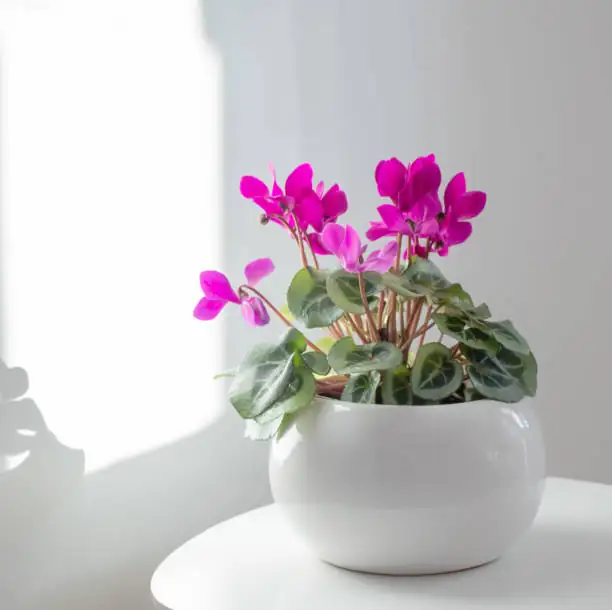
Poised like butterflies above marbled hearts, Cyclamen persicum rewards careful hands with weeks of color in the coldest months. The trick to keeping that show going? Master water. Done right—pebble trays, perfect drainage, and a dry crown—you’ll prevent rot and extend the bloom far beyond the holidays.
Here’s your step‑by‑step, no-rot watering playbook.
Know your plant’s weak spot: the crown
Cyclamen grows from a flattened, rounded tuber. Leaves and flowers emerge from the top—this is the crown. If water pools here, rot can race through tissues faster than you can say “goodbye, blooms.” Your mission: keep the crown and top of the tuber dry while keeping the root zone evenly moist.
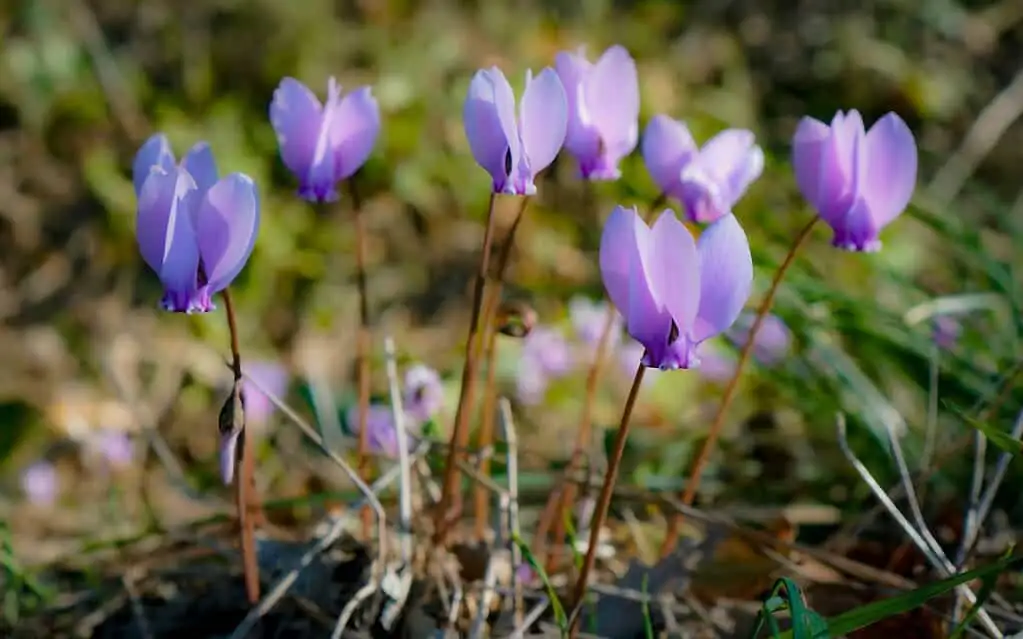
- Size: typically 6–9 inches tall and wide
- Prime season indoors: fall through spring, often peaking December–February
- Loves cool air and bright, indirect light
The no-rot watering system
Set up your kit
- A pot with generous drainage holes (terracotta helps wick excess moisture)
- Free-draining, slightly acidic potting mix
- A low tray or bowl for bottom-watering
- Pebble tray (for humidity, not watering)
- Long-spout watering can or squeeze bottle (only if top-watering is unavoidable)
- Paper towel or cotton swab (to dab any stray droplets off the crown)
Mix that drains—and protects the tuber
Use a rich but fast-draining blend. Aim for:
- 2 parts peat- or coir-based houseplant mix
- 1 part perlite or pumice
- 0.5 part fine bark or gritty loam
When repotting (best during summer dormancy), keep the top third of the tuber slightly exposed above the soil line. This simple orientation dramatically lowers crown-rot risk.

Pre‑watering check (every time)
Water only on evidence, not on schedule.
- Finger test: the top 2–3 cm (about 1 inch) of soil should feel dry.
- Pot weight test: the pot should feel noticeably lighter than just after watering.
- Leaf language: slightly less perky leaves plus dry soil = water; limp leaves plus wet soil = danger (likely overwatering/rot risk).
Bottom‑watering: the gold standard
- Fill a shallow bowl with water to about 1–2 cm (½ inch) depth.
- Set the pot in for 10–15 minutes, allowing capillary uptake.
- Lift out, let it drain thoroughly for 5–10 minutes. Never leave it standing in a saucer of water.
- If any splash reached the crown, blot it dry gently.
Bottom-watering keeps the crown dry, hydrates roots evenly, and drastically cuts rot risk.
If you must water from above
- Aim the stream at the inside rim of the pot, not the center.
- Go slow to avoid pooling.
- Immediately wick away any water that splashes onto the crown or leaf bases.
- Avoid misting; moisture trapped among tight petioles invites botrytis (gray mold).
Pebble trays: humidity without wet feet
Cyclamen prefers humidity above 50%. A pebble tray boosts local humidity while keeping the root ball safe.
- Fill a tray with pebbles, add water to just below the top of the stones.
- Set the pot on the pebbles, never in the water.
- Pair with good air movement to prevent fungal issues.

How often to water (by season and signals)
- Peak bloom (winter, cool room): Keep evenly moist—but never soggy. In warm, dry homes, you might check soil daily and water when the top 1 inch dries. Frequency can be every 1–2 days in those conditions, but only water when the test says so.
- Spring slowdown: As flowering wanes and leaves begin to yellow, let the soil dry a bit more between waterings and begin tapering off.
- Summer dormancy: Keep it mostly dry. Water very sparingly—just enough to prevent the tuber from shriveling. Cool, airy rest is key.
- Fall wake‑up: When fresh leaves push, resume regular bottom-watering and begin your feeding program again.
Drainage designs that save cyclamen
- Double‑potting: Place the nursery pot inside a decorative cachepot with spacers (pot feet or pebbles) so drainage water can’t wick back up. Empty the cachepot after each watering.
- Terracotta advantage: Porous clay breathes and helps correct minor overwatering.
- Tilt-and-drain habit: After bottom-watering, gently tilt the pot over the sink to shed any excess from the mix.
Crown protection, day in and day out
- Keep the tuber’s top third exposed; do not mulch over it.
- Remove spent flowers and yellowing leaves by twisting and pulling the whole stem from its base—don’t snip mid‑stem. This cleans the crown and reduces rot and botrytis risk.
- Never park cyclamen by heat sources; warmth accelerates decay and shortens the display.
The environment that extends bloom
- Light: Bright, indirect. East windows or bright spots out of hot sun are ideal.
- Temperature: Cool is king—about 60–70°F (15–21°C) by day, 40–50°F (4–10°C) by night. Brief dips to freezing are tolerable, but sustained warmth (especially above ~68°F/20°C) shortens flowering.
- Humidity: Moderate to high (50%+), via pebble tray or humidifier, with good airflow.
Feeding for stamina (not floppiness)
- During active leafy growth, feed every 2–3 weeks with a diluted, low‑nitrogen liquid fertilizer.
- Pause feeding during peak bloom and through dormancy.
- Restart lightly when fresh growth returns in fall.
Quick-start routine (put this on your fridge)
- Morning check: Light, cool, and the top inch dry? Bottom‑water for 10–15 minutes, then drain.
- Crown scan: Dab away any moisture; twist off faded blooms at the base.
- Pebble tray: Keep water level just below the pebbles’ tops.
- Night reset: Aim for a cooler night spot to prolong blooms.
Troubleshooting: read the signals fast
- Yellowing leaves
- Most common cause: overwatering.
- Others: underwatering, warmth, natural approach to dormancy, or pests.
- Fix: Verify soil moisture first, cool the plant, and correct watering frequency.
- Wilting
- Dry mix + light pot = water now (bottom‑water).
- Wet mix + wilting = likely root/crown trouble; improve drainage, let soil dry somewhat, and reassess roots.
- Gray mold (botrytis)
- Triggered by cool, stagnant, damp air and wet crowns.
- Fix: Remove affected tissue at the base, improve airflow, keep crown dry, and space plants.
- Root/crown rot
- Signs: Soft, mushy crown, sour smell, persistent wet soil.
- Action: Unpot, trim away rot, repot into fresh, free‑draining mix with crown exposed; water sparingly until recovery.
Buying and repotting pointers that prevent problems later
- Choose plants with firm tubers, crisp foliage, and many unopened buds.
- Repot every ~2 years during summer dormancy into a slightly wider pot (1–2 inches more), using fresh, free‑draining mix and keeping the tuber’s top third exposed.
A brief note on symbolism
Cyclamen traditionally speaks to sincere affection, devotion, and gentle goodbyes—meanings shaped by centuries of Mediterranean lore and the plant’s tender winter presence. Lovely as that is, let your daily care be the true message: cool air, bright light, and water delivered with precision.
Safety first
Cyclamen is toxic to pets and people if ingested, especially the tuber. Keep it out of reach of curious mouths.
Master these watering tactics—and you’ll turn that fleeting winter gift into a long, elegant performance that lasts for weeks on end, season after season.