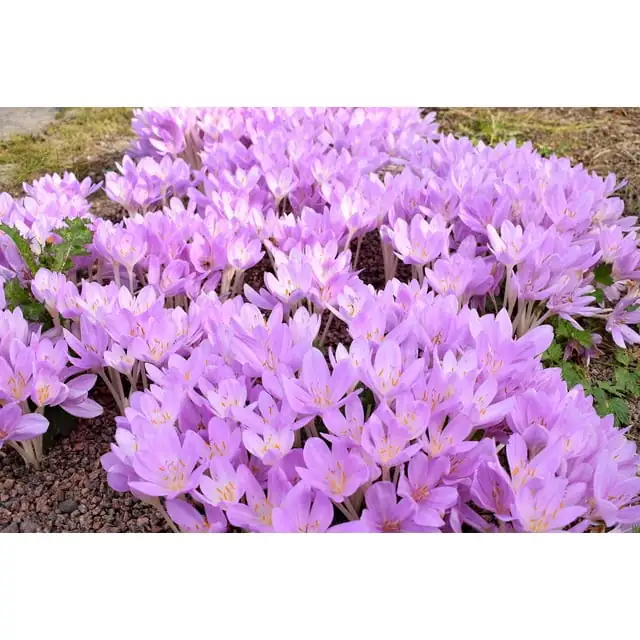
Picture a serene autumn garden, where the air is crisp and the landscape is painted with shades of lilac and purple. Among these colors, the elegant blooms of the saffron crocus, Crocus sativus, tend to steal the spotlight. Yet, this garden scene is more than just a visual delight; it’s an ecological ballet, where every plant plays a part. The saffron crocus, known for producing the world’s most expensive spice by weight, thrives when paired with the right companions. Let’s explore which plants make the perfect partners for saffron crocus, enhancing its growth and adding diversity to your autumn landscape.
The Star of the Show: Saffron Crocus
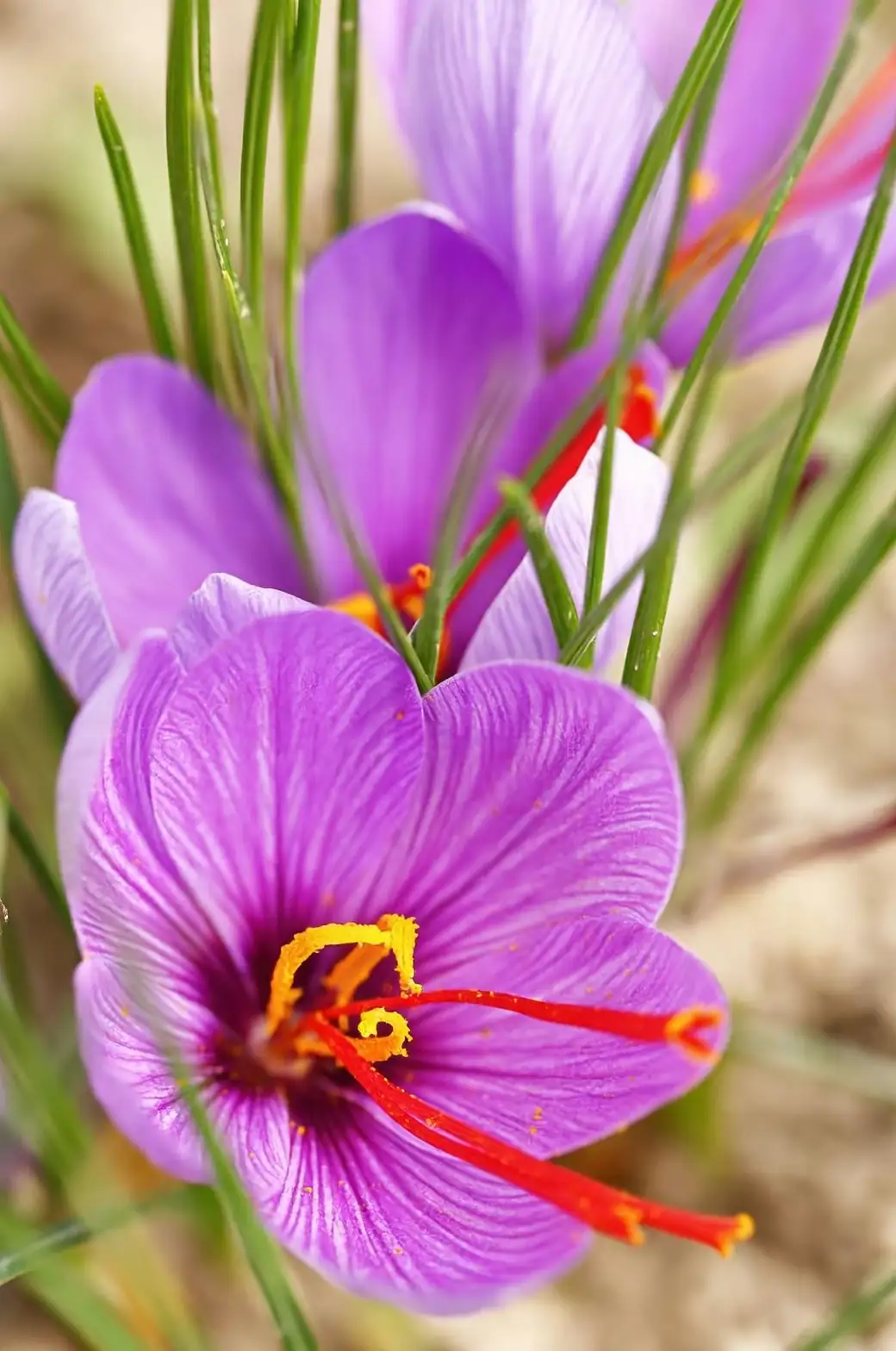
Before diving into its companions, let’s shine a spotlight on the saffron crocus. Originating from the Mediterranean region, this fall-blooming perennial is renowned for its delicate lilac-to-purple flowers, each with three vivid crimson stigmas—the source of saffron spice. The plant’s compact, clumping habit from corms makes it a charming addition to any garden, with its slender, grass-like leaves persisting through winter into spring.
Why Companion Planting?
Companion planting is a strategic gardening approach that involves growing different plants together to enhance their growth, repel pests, or attract beneficial insects. For the saffron crocus, these allies can be the difference between a thriving garden and one that struggles.
Ideal Companions for Saffron Crocus
Lavender
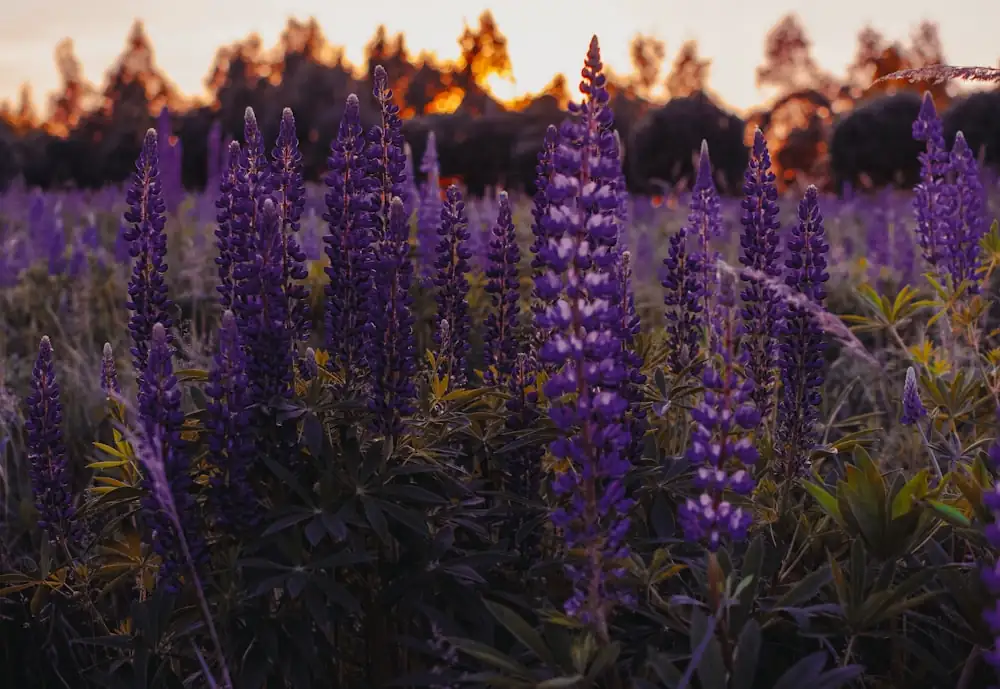
Lavender is the perfect partner for saffron crocus, sharing its love for well-drained soil and full sun. This aromatic plant not only attracts pollinators but also serves as a natural pest deterrent, thanks to its strong fragrance. Imagine the heady scent of lavender wafting through your garden, protecting your saffron crocus from moths and aphids.
Rosemary
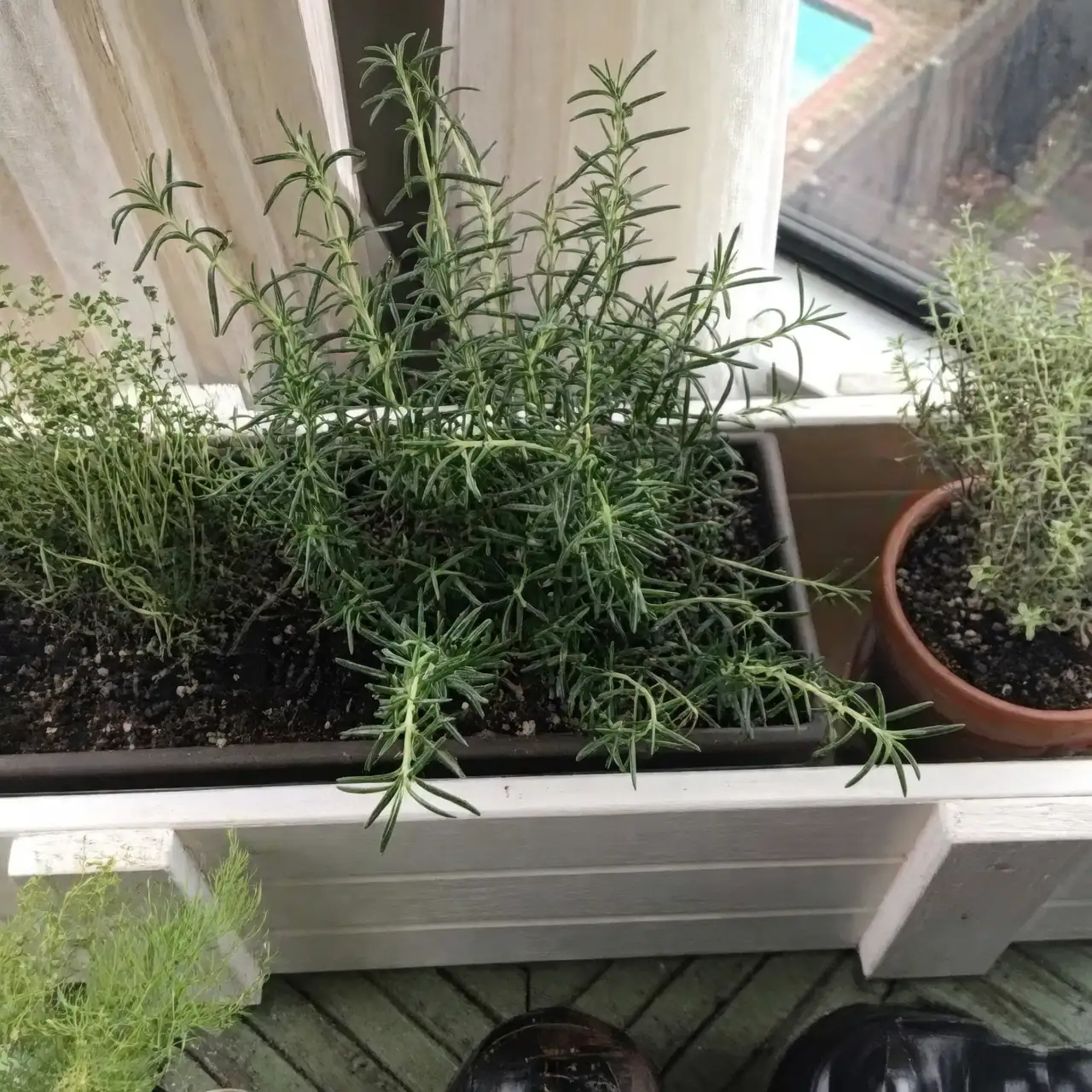
Like a reliable friend, rosemary stands beside saffron crocus, sharing similar soil and sunlight preferences. The evergreen foliage of rosemary provides a striking contrast to the saffron crocus’s delicate blooms. Plus, rosemary naturally deters beetles and other pests, ensuring your garden remains healthy and vibrant.
Marigold
Marigolds are the unsung heroes of any garden. Their vibrant blooms not only add a splash of color but also repel nematodes and whiteflies, common threats to the saffron crocus. Additionally, they attract beneficial insects like ladybugs, which further supports a balanced garden ecosystem.
Plants to Avoid
While some plants make excellent neighbors, others can be detrimental. Onions and garlic, for instance, compete for nutrients and moisture, potentially stunting the growth of your saffron crocus. Similarly, other bulbous plants may introduce diseases, posing a risk to your precious saffron.
Crafting a Thriving Garden
By choosing the right companions, you’re not just planting a garden; you’re creating a harmonious ecosystem. Your saffron crocus will not only flourish but also contribute to a garden that delights the senses well into the autumn months.
The Language of Flowers: More Than Just Beauty
Crocus flowers symbolize cheerfulness and youthful joy, while saffron carries deeper meanings of happiness, devotion, and prosperity. In Persian culture, saffron is linked to nobility and wealth, whereas in Hindu tradition, it represents purity, courage, and sacrifice. These rich associations add layers of meaning to your garden, transforming it into a tapestry of cultural and historical narratives.
Conclusion
In the end, the saffron crocus is much more than a pretty face. It’s a testament to the art of patience and precision, with each bloom offering the promise of saffron spice. By choosing the right companions, you’re not just enhancing its growth; you’re weaving together a living tapestry where every plant plays its part in a symphony of color, fragrance, and flavor. So, roll up your sleeves and let your garden flourish with the delightful companionship of lavender, rosemary, and marigolds. Your autumn landscape will be a feast for the senses and a joy for the soul.