As the autumn evenings grow longer and the air turns crisp, a seemingly simple flower blooms, weaving a tapestry of myth, history, and culinary delight. This is the saffron crocus, or Crocus sativus, a plant whose subtle charm belies a rich, colorful past. Let’s embark on a journey through time and discover why this humble flower has been revered across the ages.
The Mythical Birth of Saffron
In the realms of ancient mythology, saffron’s story is as vibrant as its golden hue. Greek legend tells of a young man named Crocus, whose tragic love for the nymph Smilax led to his transformation into the crocus flower. This tale of love and metamorphosis highlights the mystical allure that saffron has held over the centuries. In another version, it is Hermes, the messenger god, whose friendship with Crocus ends in such deep sorrow that the earth itself transforms Crocus into the flower to immortalize their bond.
From the tears of heroes to the whims of gods, these legends illustrate how saffron has been seen as a symbol of transformation and eternal beauty. Its role in myth is not just a quaint footnote but a testament to the deep cultural threads that have woven saffron into the fabric of history.

The ‘Saffron War’ and Historical Significance
Fast forward to the 14th century—Europe. Saffron’s worth extended beyond its culinary and medicinal uses, becoming a coveted commodity that could rival gold itself. This was a time when a mere shipment of saffron could spark conflict. The infamous “Saffron War” erupted after a shipment was stolen, underscoring the spice’s immense value and the lengths to which people would go to secure it.
Saffron’s journey across civilizations is a story of trade and discovery. Originating in the ancient lands of the Mediterranean, Southern Europe, and the Iranian Plateau, saffron made its way to the courts of kings and emperors, used to dye fabrics and anoint dishes with its unique fragrance and color. The Romans valued it not only for culinary applications but also for its supposed medicinal properties, while the Arabs spread its use across their vast empire, embedding it into the culinary traditions of Spain and India.

Cultural Symbolism and Modern Uses
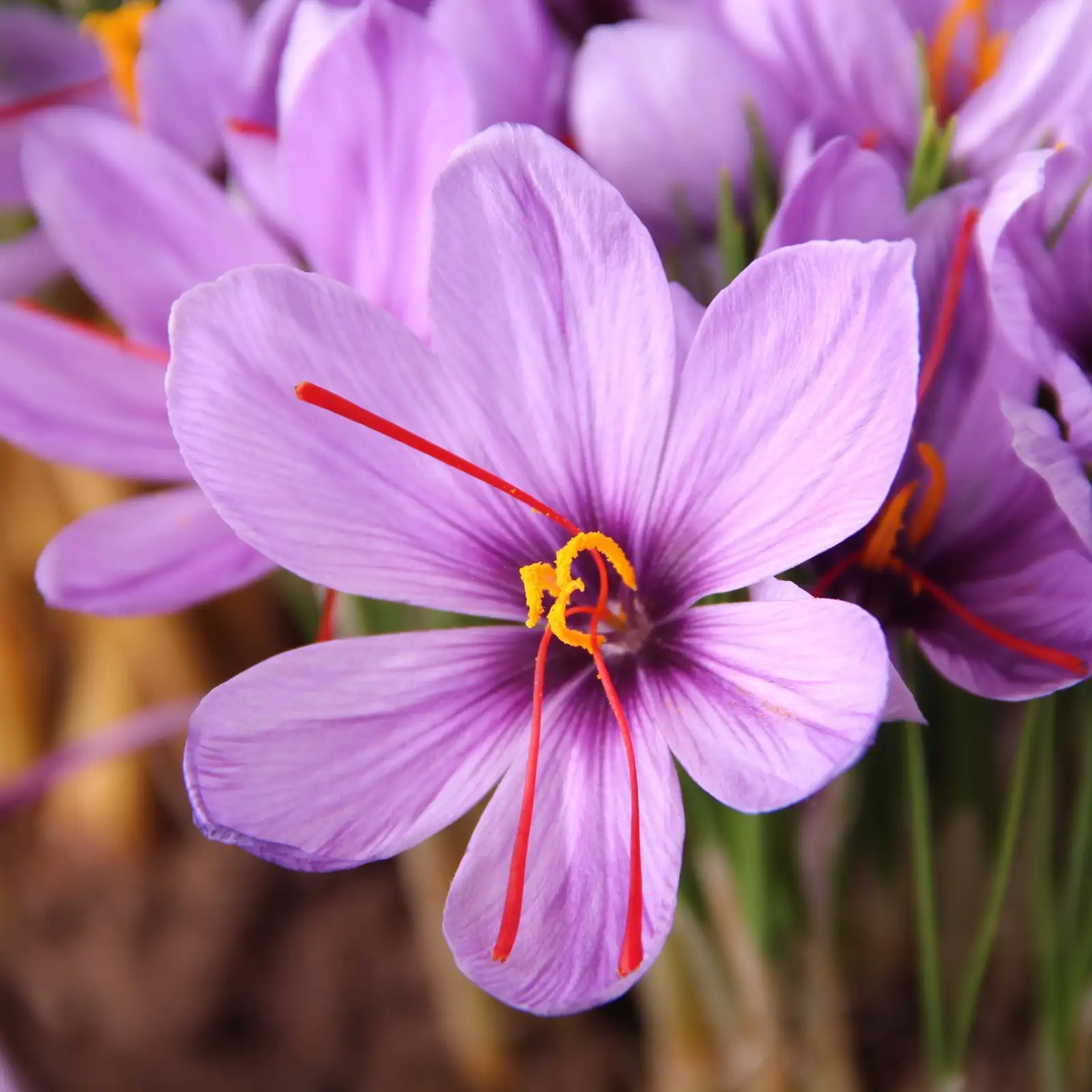
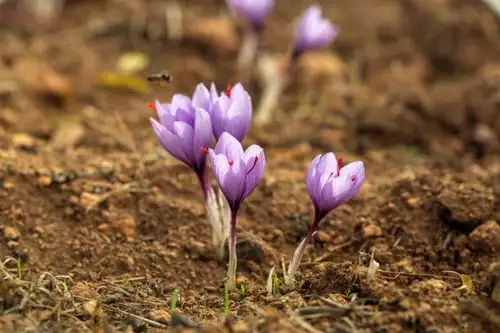
Saffron’s symbolism is as rich as its history. In Persian culture, it is a symbol of nobility and wealth, while in Hindu traditions, it represents purity, courage, and sacrifice. This tiny flower, with its delicate purple petals and vivid crimson stigmas, embodies a world of meanings that have been passed down through generations.
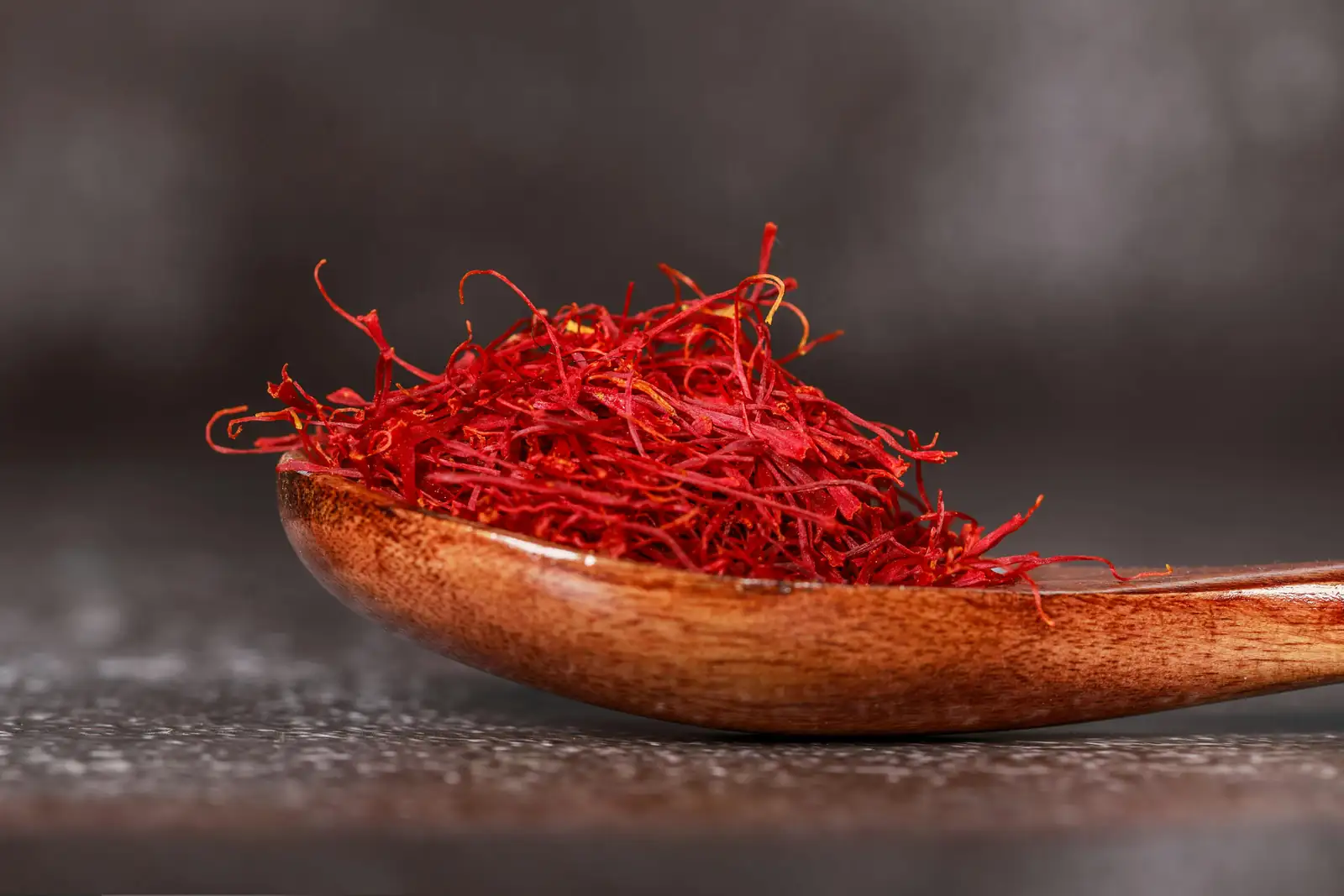
Today, saffron continues to enchant chefs and healers alike. Its threads, painstakingly hand-harvested, bring a golden hue and aromatic warmth to dishes like paella and risotto. In traditional medicine, saffron is celebrated for its potential antioxidant properties, a modern echo of its age-old reputation as a remedy.
Cultivating the Golden Crocus
Growing saffron crocus demands a gardener’s patience and precision. It’s a plant that thrives on a rhythm of dormancy and bloom. Each autumn, the lilac-to-purple flowers emerge from corms, each flower boasting three precious stigmas that will become the world-renowned spice. Despite its labor-intensive cultivation, saffron remains a beloved crop in places like Iran, which produces 90% of the world’s supply, and increasingly in new regions, including parts of the United States.
For those looking to grow this illustrious plant, the key lies in mimicking its natural environment—cool, mild climates with well-drained soil and plenty of sunshine. The saffron crocus is a testament to the beauty and complexity of nature’s cycles, reminding us that even the smallest blooms can hold the greatest stories.
A Final Flourish
As we savor the rich history and enduring allure of saffron, it’s clear that this golden spice is much more than a kitchen staple. It’s a symbol of human ingenuity and desire, a thread connecting us to the past, woven through centuries of myth, war, and culture. Whether through tales of ancient gods or the hands of modern chefs, saffron’s legacy continues to blossom, one delicate flower at a time.