Aloe Vera: A Guardian of Fortune and Healing
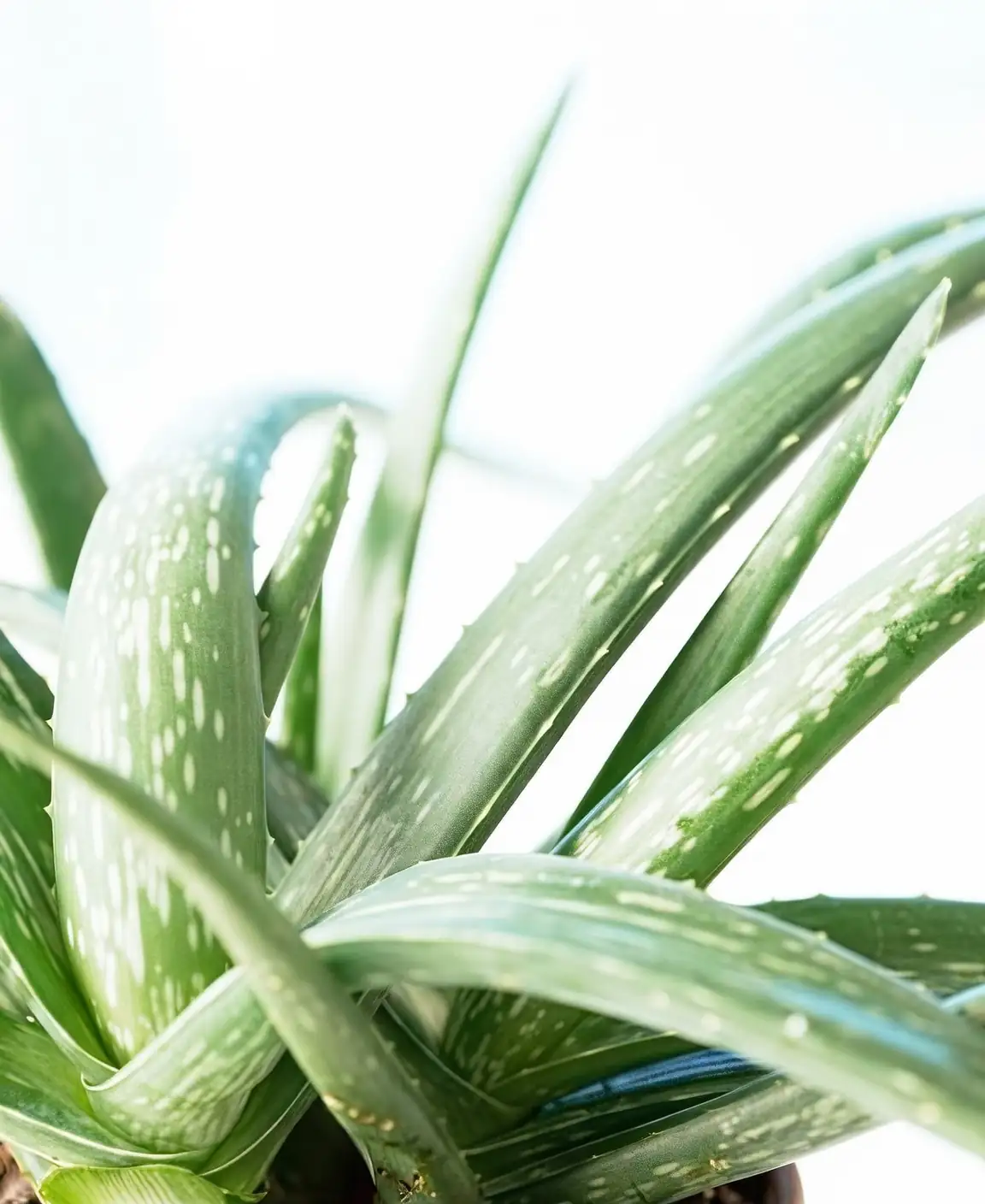
Aloe vera, known scientifically as Aloe vera (L.) Burm.f., is more than just a pretty face in the plant kingdom. This remarkable succulent carries a rich tapestry of symbolism and cultural significance that spans centuries and continents. Known by many names, including “Barbados Aloe” and “True Aloe,” it has been a symbol of protection, resilience, and healing across various cultures.
A Plant of Immortality and Good Fortune
Imagine a plant so revered that ancient Egyptians called it the “plant of immortality.” This nickname wasn’t just for its ability to thrive in harsh conditions; it was also believed to grant protection and prosperity. Cleopatra and Nefertiti reportedly incorporated Aloe vera into their beauty regimes, believing it bestowed beauty and grace, while also warding off evil spirits.
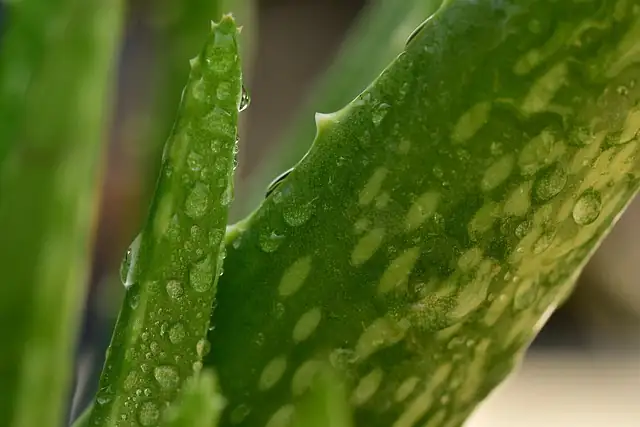
In ancient Rome, Aloe vera was held in high regard by physicians like Dioscorides, who included it in his pharmacopeia for its healing properties. Fast forward to modern times, and Aloe vera continues to be celebrated not only as a remedy but also as a bringer of good fortune. In various cultures, placing an Aloe plant near doorways is thought to protect the home and bring luck.
Aloe Vera in the Language of Flowers
In the nuanced world of flower language, Aloe vera represents resilience and hope. Its ability to endure drought and retain its verdant beauty is a testament to its toughness. This symbolism extends to its role as a protective plant. In Chinese traditions, Aloe is celebrated not only for its healing properties but also for its ability to purify spaces and promote wellness. It’s a popular choice for homes seeking tranquility and a touch of the natural world.
In Western interpretations, Aloe vera aligns closely with its healing virtues. It’s often considered a plant that brings calm, well-being, and protection, making it a cherished addition to homes and wellness spaces.
Cultural Resonance Across the Globe
From Africa to Japan, Aloe vera holds a place of reverence. In Africa, it symbolizes wealth and fortune, a testament to its life-sustaining abilities in arid climates. In Japan, its symbolism takes a different turn, representing bitterness in the language of flowers, possibly due to the plant’s bitter sap.

Meanwhile, in Hindu mythology, Aloe vera is linked to the goddess Lakshmi, symbolizing wealth and prosperity. In Mexico, it’s used during the Day of the Dead celebrations to symbolize life’s fragility and resilience. These diverse cultural interpretations highlight Aloe vera’s multifaceted symbolism and its ability to resonate with various human experiences.
A Healing Companion
Beyond its symbolic meanings, Aloe vera’s practical uses are legendary. Often referred to as a “living first-aid kit,” the gel inside its leaves is widely used for skincare, treating minor burns, sunburns, and other skin irritations. Its soothing properties make it a household staple, especially in sunny climates.
Commercially, Aloe vera is a star ingredient in skincare and cosmetic products, thanks to its hydrating and healing properties. Its reputation as a medicinal powerhouse is well-earned, with modern science backing many of the traditional uses that have been passed down through generations.
Bringing Aloe Vera Into Your Home
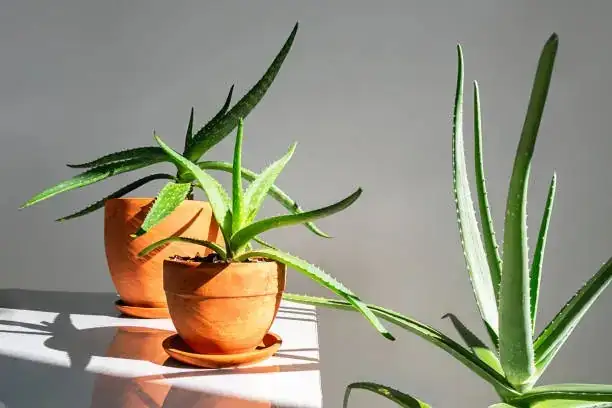
Incorporating Aloe vera into your home not only adds a touch of greenery but also invites its symbolic protection and healing energies. Whether placed on a sunny windowsill or in a wellness space, this plant serves as a reminder of nature’s incredible resilience and beauty.
So, next time you look at an Aloe vera plant, remember it’s not just a succulent. It’s a living testament to human history, spirituality, and the enduring power of nature. Whether you’re looking for a symbol of good luck or a natural remedy, Aloe vera stands ready, as it has for millennia, to offer its gifts.