
From Desert Jewel to Global Phenomenon: The Journey of Aloe Vera
Imagine a plant so resilient that it thrives in the toughest of climates, yet so gentle that its gel is a staple in homes worldwide. This is the story of Aloe vera, a plant that not only endured the harsh sun of the Arabian Peninsula but also found its way into hearts—and medicine cabinets—around the globe.
The Origins: Humble Beginnings in the Arid Lands
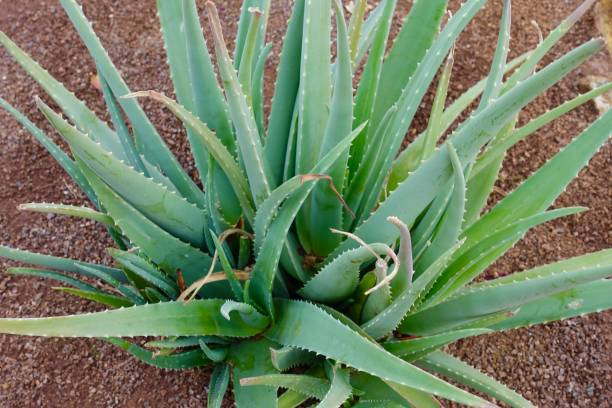
Aloe vera, scientifically known as Aloe vera (L.) Burm.f., is believed to have originated in the Arabian Peninsula, a region defined by its arid climate and relentless sun. This succulent, with its thick, fleshy leaves forming a tidy rosette, was perfectly adapted to survive under such harsh conditions. But how did it move from these desert lands to becoming a household name?
Dating back over 2,000 years, Aloe vera’s remarkable ability to store water within its leaves—a characteristic known as succulence—enabled it to thrive where many other plants could not. This made it a valuable resource for ancient civilizations in the Red Sea and Mediterranean regions, where it was traded extensively. Its reputation as a “plant of immortality” was celebrated by the Egyptians, and it was a staple in the herbal traditions of the Mediterranean and Middle Eastern cultures.
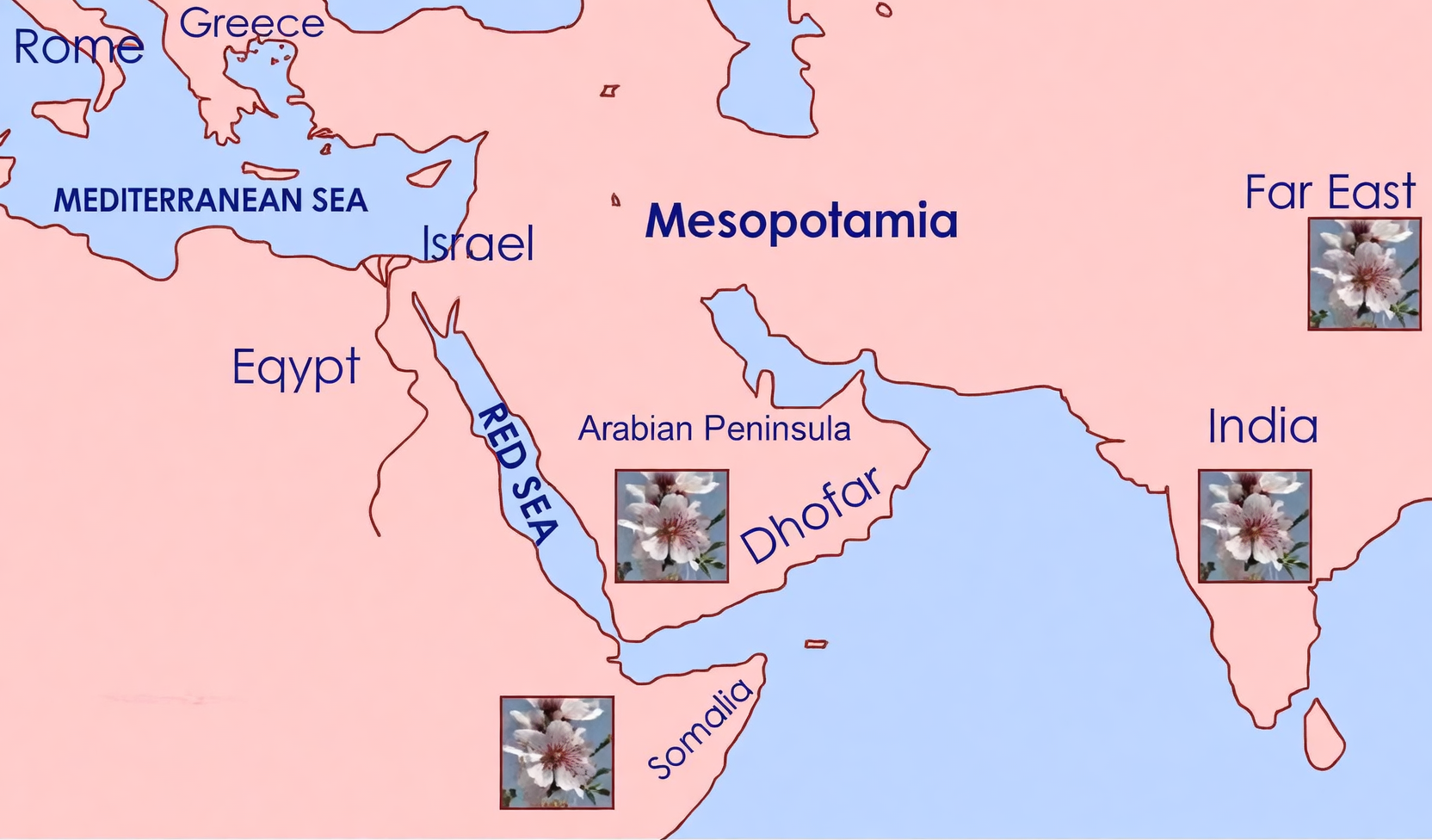
Aloe Vera’s Global March: From Ancient Traditions to Modern Essentials
Why, among its 500 relatives, did Aloe vera capture the attention of the world? Perhaps it’s the soothing gel within its leaves, revered for its healing qualities. Or maybe it’s the plant’s versatility, finding its place in traditional medicine, cosmetics, and even modern kitchen products.
As early as the 4th century BC, Aloe vera was traded widely, and its benefits were quickly recognized beyond its native lands. Its gel was applied to wounds and burns, a practice that continues today—albeit with more scientific backing. The global market for Aloe vera products is now a multi-billion-dollar industry, with its extracts found in everything from skincare items to dietary supplements.
The Botanical Marvel: Features and Growth
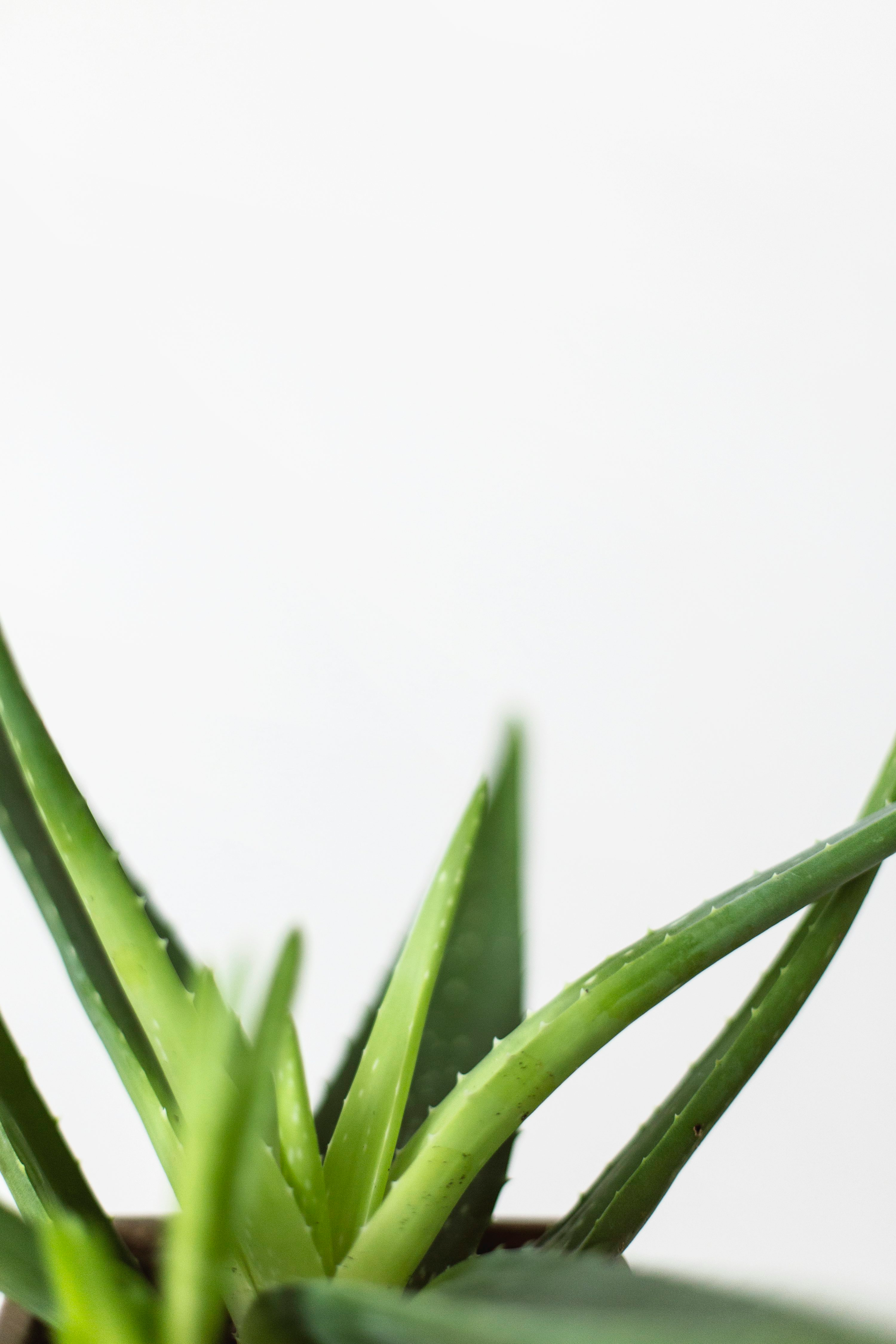
Aloe vera is not just a medicinal powerhouse; it’s a visual delight. Its leaves, ranging from grey-green to a vivid green, often bear a slightly waxy coating with soft, toothy margins. These leaves act as the plant’s water reservoirs, a natural testament to its drought-tolerance.
While Aloe vera can bloom in the right conditions—displaying tubular yellow-to-orange flowers on tall spikes—this is a rare sight indoors. Instead, the plant often focuses on producing “pups” or offsets, little clones that form around its base, ready to be shared or planted anew.
Cultivation Tips: Nurturing Your Aloe Companion
Want to grow Aloe vera at home? Here’s how you can join the ranks of aloe enthusiasts:
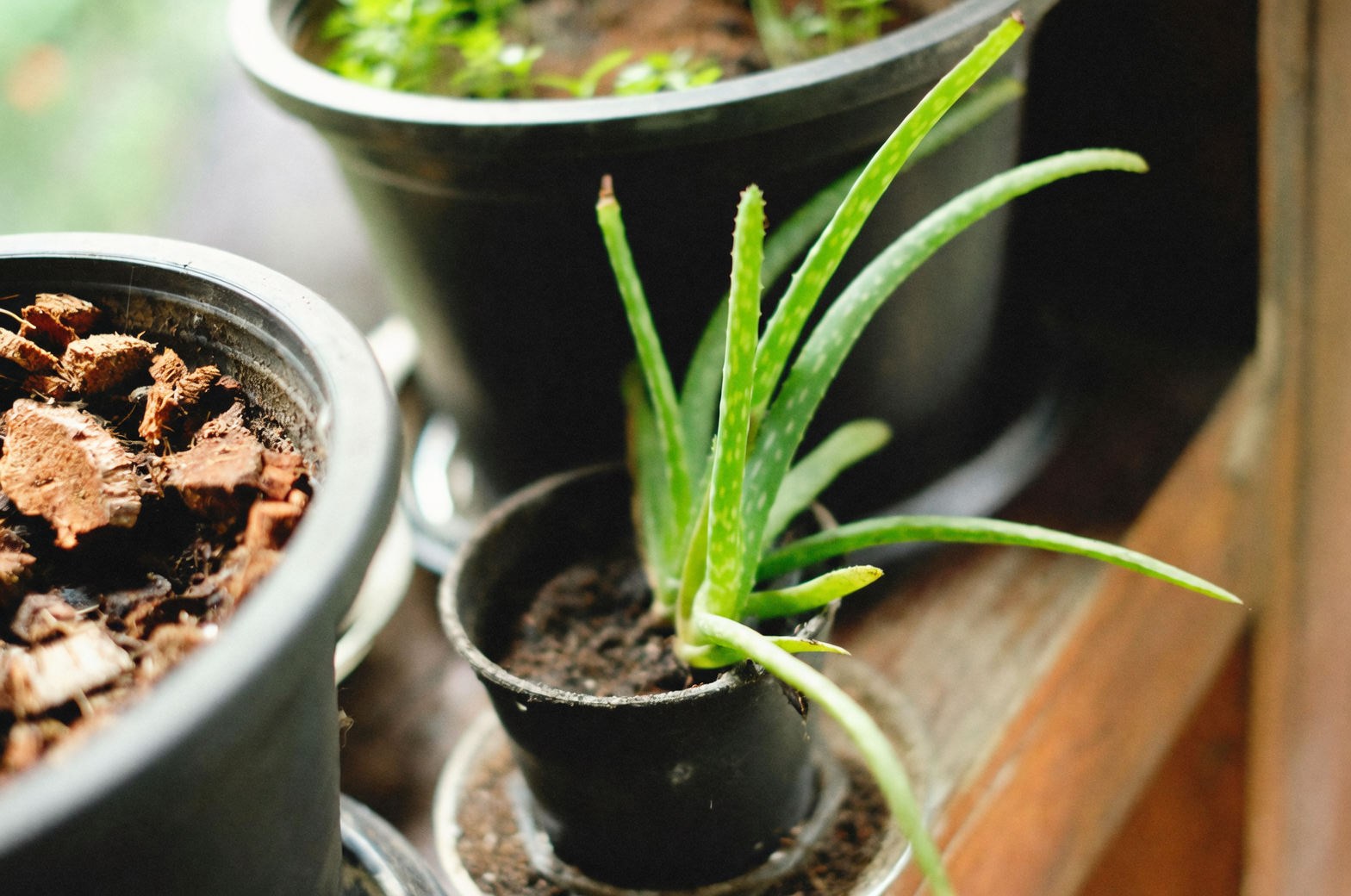
- Light and Temperature: Aloe vera thrives in bright light, ideally full sun, though it adapts well to bright indirect light indoors. Keep it within a comfortable temperature range of 13–27°C (55–80°F).
- Watering Wisdom: Use the “soak and dry” method—water thoroughly, let excess drain, and wait until the soil is dry before watering again. Indoors, this might mean watering every 2–3 weeks in the summer and every 4–6 weeks in the winter.
- Soil and Placement: Aloe vera demands a fast-draining cactus or succulent mix. It loves a sunny windowsill or a bright spot on your patio, with good airflow to prevent rot.
Mystical Symbolism and Fun Facts
Aloe vera is more than just a plant—it’s a symbol of resilience and healing. In some cultures, it’s hung near doorways to bring protection and good fortune. Its ability to produce “pups” makes it not only a plant of beauty but also a symbol of continuity and sharing.
Did you know that Aloe vera’s gel is composed mostly of water? This allows it to serve as a natural canteen, ensuring its survival through dry spells. And while its internal use is controversial due to the presence of aloin, a compound that can cause digestive issues, its topical application remains a trusted remedy for skin irritations.
A Living Legacy
What started as a desert survivor has become a beloved botanical staple. Aloe vera’s journey from the Arabian Peninsula to the windowsills of homes around the world is a testament to its enduring appeal and versatility. Whether admired for its soothing gel or its sculptural beauty, Aloe vera continues to thrive, proving that sometimes, the simplest plants hold the greatest secrets.