Dive Into the World of Watering: Nurturing the Bells of Ireland
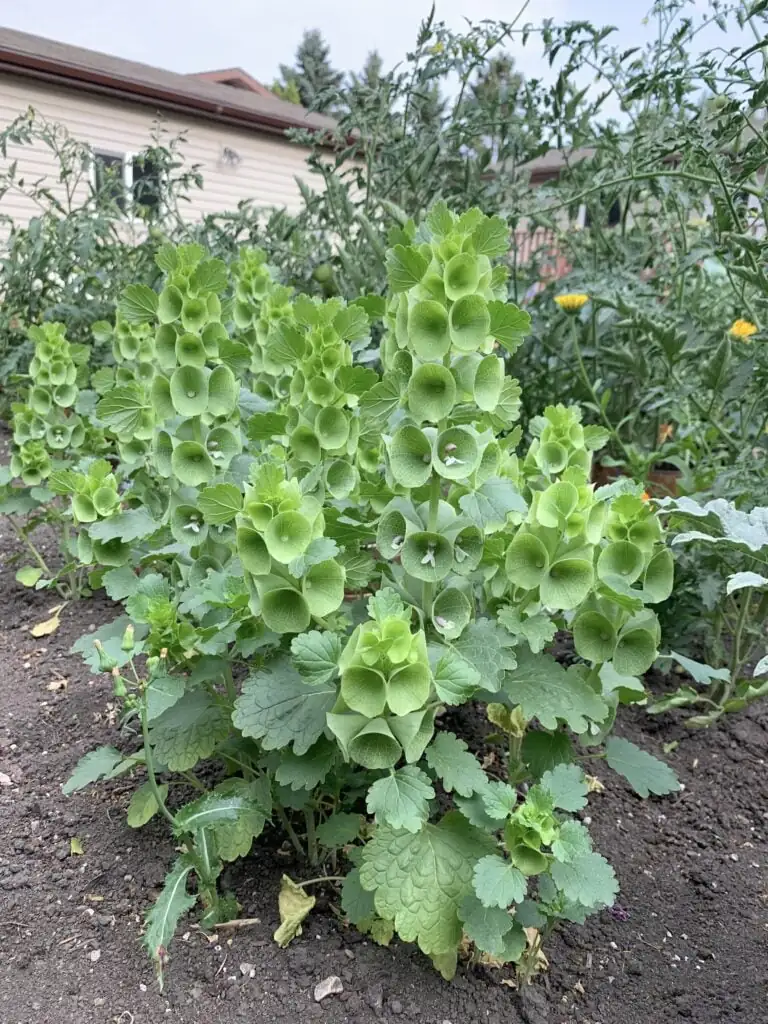
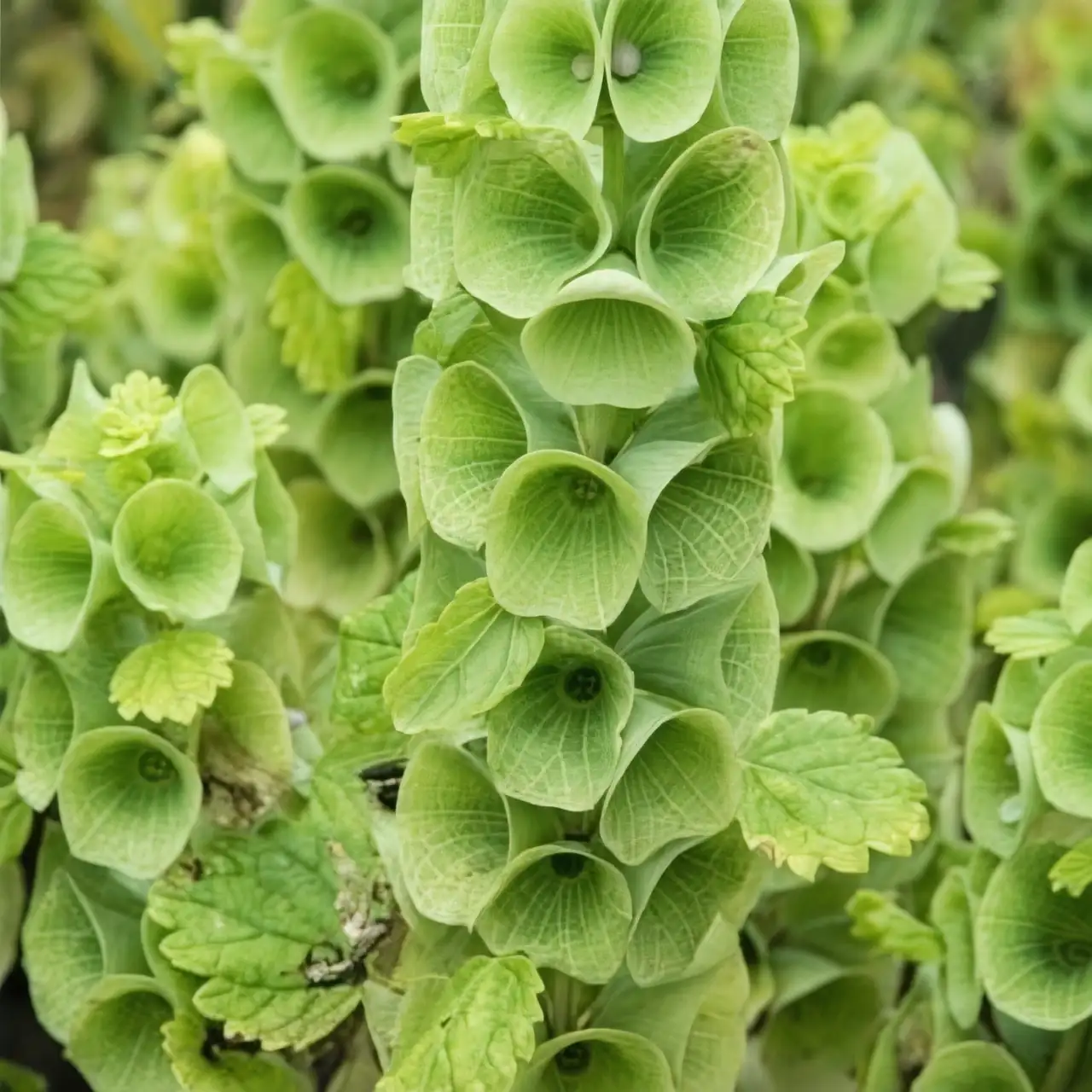
If you’re enchanted by the elegant, green bell-shaped calyces of Moluccella laevis, commonly known as Bells of Ireland, you’re not alone. These striking plants have been captivating gardeners and florists alike with their unique texture and vibrant hue, making them a standout choice for gardens and bouquets. But, like any good relationship, the secret to thriving Bells of Ireland lies in understanding their needs—particularly when it comes to watering.
The Art of Watering Bells of Ireland
Imagine trying to dance gracefully across a ballroom floor; the key is balance. Similarly, maintaining just the right amount of moisture for your Bells of Ireland is crucial. These plants hail from the cool regions of western Asia, where they’ve adapted to a specific watering rhythm. Here’s how you can keep them in top shape:
- Establishment Phase: During the early stages, when the seeds are just beginning to sprout, it’s vital to keep the soil consistently moist. This doesn’t mean drowning the soil to the point of saturation, but rather ensuring that the young roots have a steady supply of moisture to latch onto.
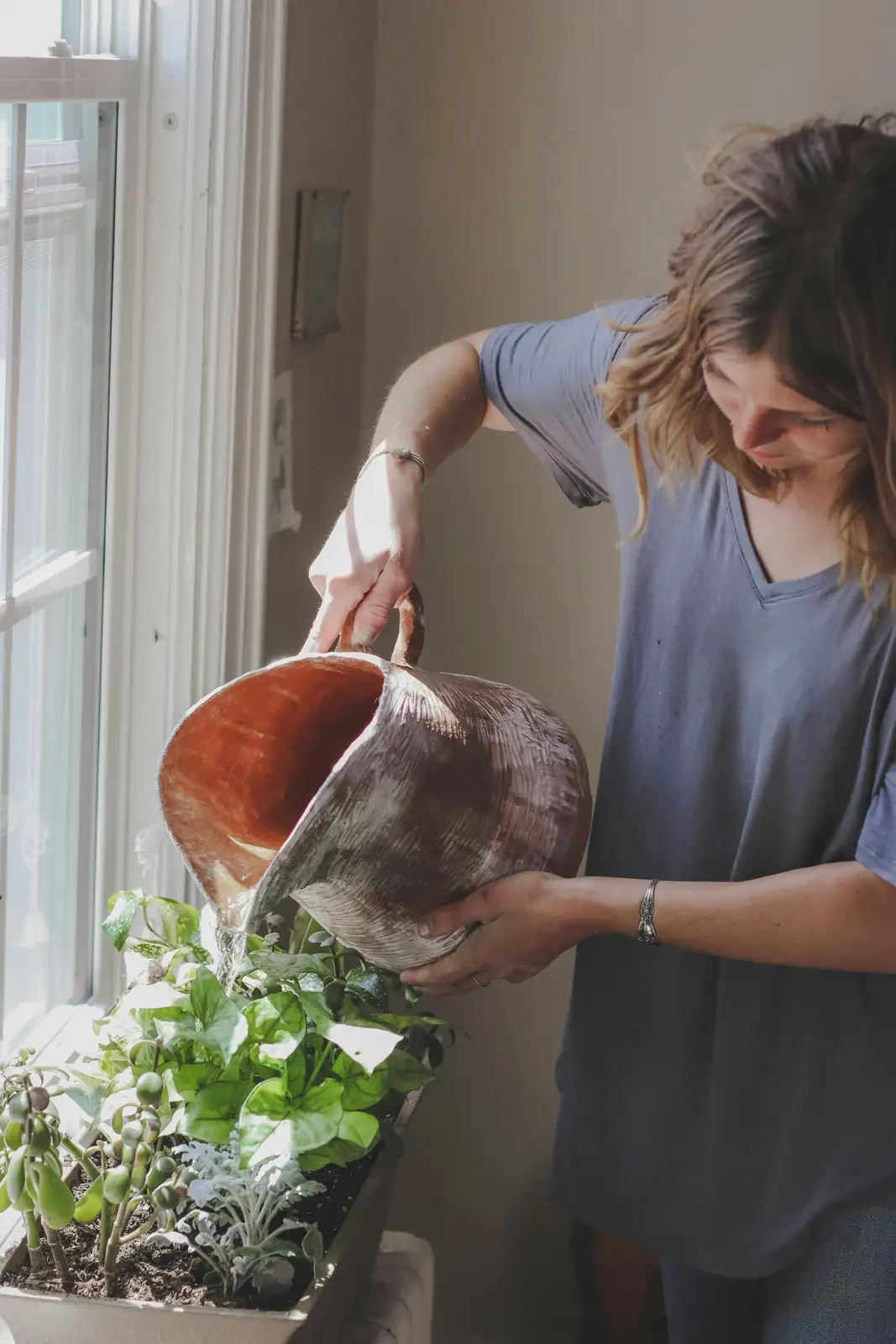
- Mature Plants: Once your Bells of Ireland are established, they prefer a more measured approach. Water them when the top inch of soil feels dry to the touch—this typically translates to about an inch of water per week, depending on your local climate and soil conditions.
- Soil Matters: These plants adore well-drained soil. Think of it as their dance partner; too much water leads to soggy roots, akin to stepping on your partner’s toes. A sandy or loamy soil composition is ideal, allowing excess water to escape and air to circulate.
- Mulching Magic: Adding a layer of mulch can help retain soil moisture while simultaneously preventing weeds from crashing your garden party. However, keep the mulch away from directly touching the stems to avoid any unwanted moisture build-up.
Avoiding Common Watering Pitfalls
Even seasoned gardeners can trip up on a few common watering pitfalls. Here’s how to sidestep them:
- Overwatering: One of the easiest mistakes is giving your plants too much of a good thing. Overwatering can lead to root rot and other fungal issues. If you notice the lower leaves starting to yellow or the plant wilting despite being watered, it might be receiving too much moisture.
- Underwatering: On the flip side, underwatering can leave your Bells looking a bit parched and browning prematurely. If the calyces start to lose their vibrant green hue or you notice general wilting, it’s time to up your watering game.

- Humidity and Airflow: While Bells of Ireland prefer moderate humidity, it’s crucial to have good airflow to prevent fungal diseases. Ensure that plants have enough space between them and are not overcrowded.
Embracing the Seasons
Bells of Ireland are cool-season annuals, flourishing when temperatures hover between 60-70°F (15-21°C). As summer kicks into high gear, you might need to adjust your watering schedule. In hotter, drier climates, you’ll likely need to water more frequently to compensate for evaporation, while in cooler, wetter climates, you can ease back a touch.
A Finishing Touch: The Symbolism Behind the Bells
Beyond their botanical allure, the Bells of Ireland carry a rich tapestry of symbolism. Often associated with good luck and prosperity, these plants are frequently used in celebratory bouquets and weddings. Their association with Ireland is more a nod to their vivid green color than their geographical origin, creating a delightful mix of cultural and botanical heritage.
In sum, nurturing Bells of Ireland is a rewarding endeavor, blending the art of timing and the science of soil with a touch of horticultural magic. By understanding their watering needs and avoiding common pitfalls, you’ll be well on your way to enjoying these stunning plants in all their glory. Whether you’re growing them for their architectural beauty or their symbolic charm, Bells of Ireland will undoubtedly bring a touch of elegance and fortune to your garden.