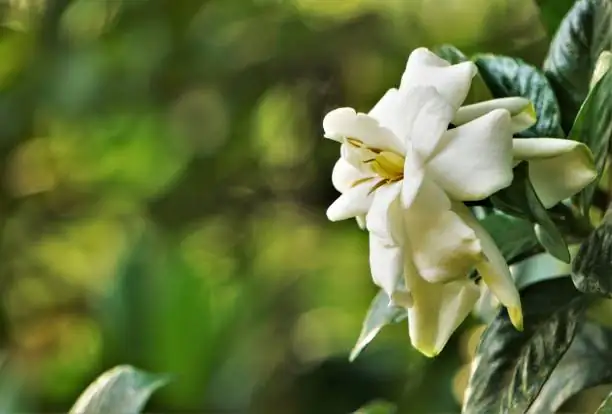
Gardenias (Gardenia jasminoides) are the dazzling belles of the botanical ball, celebrated for their pristine white blooms and intoxicating fragrance. Yet, like any diva, they require a bit of pampering to shine their brightest. While these evergreen beauties can transform any garden or home into a fragrant paradise, they are not immune to the perils of pests and diseases. Let’s dive into a comprehensive guide to identifying and tackling the common challenges that can plague your gardenias, so they remain the stars of your garden.
Common Pests of Gardenia
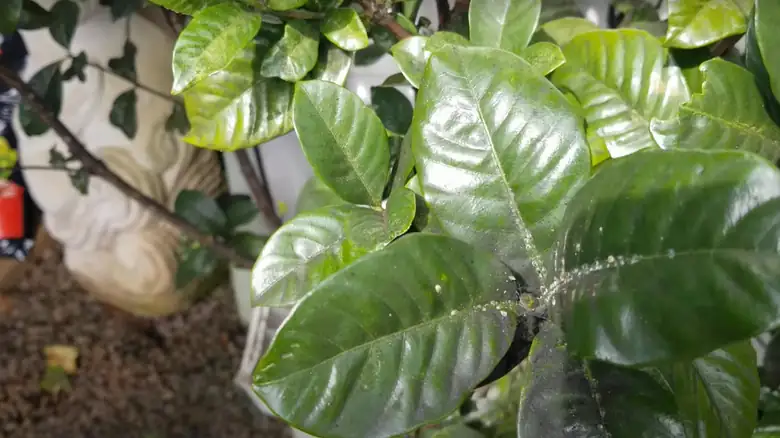
Gardenias are particularly susceptible to several insect pests that can tarnish their glossy leaves and disrupt their blooming cycle. Here’s how to identify and manage these unwelcome visitors:
Whiteflies
Whiteflies, though tiny, can cause significant damage to gardenias. They suck plant sap, leading to leaf yellowing and stunted growth. The honeydew they excrete encourages sooty mold, making leaves sticky and unsightly.
Solution: Combat whiteflies with insecticidal soap or horticultural oil, ensuring thorough coverage on leaf undersides. Repeat applications every 5-7 days can help manage infestations. Always water the plant well before treatment to prevent foliar injury.
Aphids
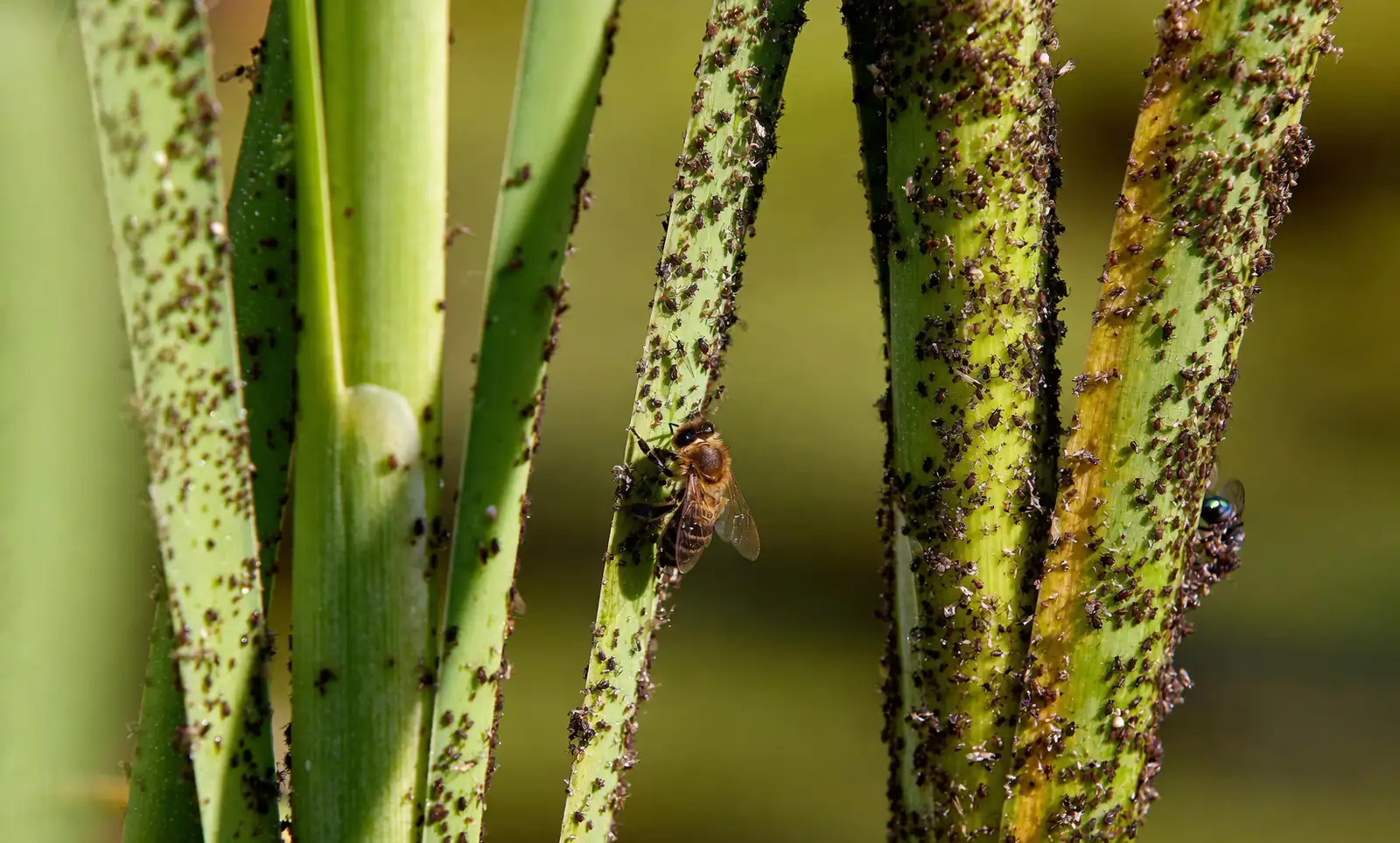
These tiny insects can cluster on new growth, causing deformation and a sticky residue known as honeydew, which also invites sooty mold.
Solution: A strong blast of water can dislodge many aphids, or use insecticidal soap for more persistent issues. Encourage natural predators like ladybugs by avoiding broad-spectrum insecticides.
Scale and Mealybugs
Both pests attach to stems and leaves, sucking sap and weakening the plant. They often appear as small bumps or cottony masses.
Solution: Remove light infestations by hand or treat with horticultural oil. Regular monitoring and maintaining plant health can prevent large outbreaks.
Common Diseases of Gardenia
While gardenias are known for their resilience, they can fall victim to several diseases, primarily fungal, that thrive in specific conditions.
Root Rot
Root rot is a silent killer, often caused by overwatering or poor drainage. Fungal pathogens such as Phytophthora attack stressed roots, leading to yellowing leaves and wilting.
Solution: Prevention is key—ensure well-draining soil and avoid over-irrigation. If root rot is suspected, dig up the plant, trim affected roots, and replant in a better-draining location.
Powdery Mildew
This fungal disease manifests as a white, powdery coating on leaves, often due to poor air circulation.
Solution: Improve airflow by pruning dense growth and apply neem oil as a preventative measure. Avoid overhead watering to reduce humidity on the leaves.
Leaf Spot
Dark spots on leaves can indicate a fungal infection, particularly in humid conditions.
Solution: Remove affected leaves and improve ventilation around the plant. Copper-based fungicides can help in severe cases.
Expert Tips for Prevention and Treatment
Maintain Optimal Conditions
- Light: Gardenias love bright, indirect light. Too much direct sun can scorch leaves, while too little light can hinder blooming.
- Soil: Use an acidic, well-drained soil (pH 5.0-6.5) to keep roots healthy. Consider using a mix designed for azaleas or camellias.
- Water: Keep soil evenly moist but avoid waterlogging. Use rainwater or distilled water to maintain soil acidity.
- Humidity: High humidity is essential—consider misting the leaves or using a humidifier indoors.
Regular Monitoring
Inspect your gardenias regularly for early signs of pests and diseases. Catching problems early can mean the difference between a minor hiccup and a full-blown crisis.
Pruning and Hygiene
Regular pruning not only shapes your gardenia but also improves air circulation, reducing disease risk. Clean up fallen leaves and debris that can harbor fungi.
A Fragrant Finale
Gardenias are more than just a feast for the eyes and nose; they are a symbol of purity and grace. In the Victorian language of flowers, they convey secret love, making them a timeless choice for gardens and weddings alike. With a bit of vigilance and care, your gardenias can thrive, enveloping your space in their legendary fragrance and elegance. Whether you’re a seasoned gardener or a new enthusiast, understanding the basics of gardenia care will keep these beauties blooming and your garden buzzing with delight.