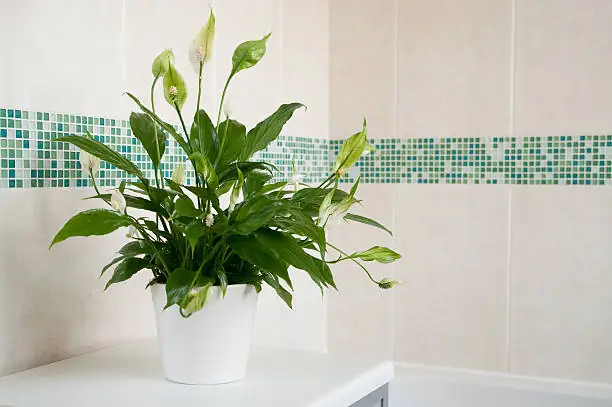
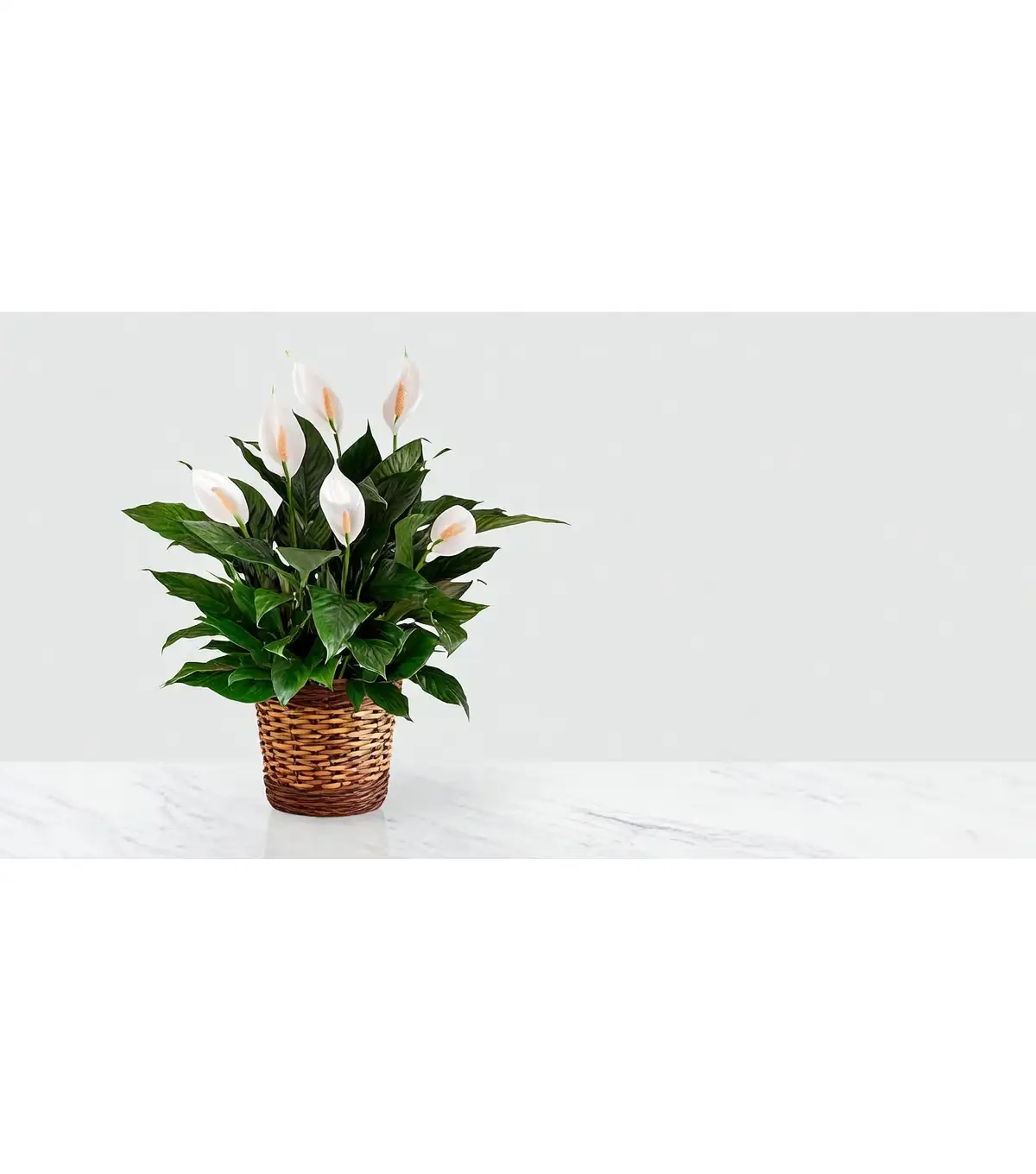
Creating a thriving indoor plant arrangement is akin to composing a piece of music: each element must harmonize with the others to create a beautiful symphony. One of the most versatile players in this botanical orchestra is the Peace Lily, or Spathiphyllum wallisii. Known for its elegant white spathes and glossy green leaves, this houseplant is not just a pretty face; it’s a robust performer in low light and an excellent air purifier. But what if we could enhance its beauty and benefits by pairing it with other plants? Let’s dive into the world of companion planting with Peace Lilies and discover how to craft a dynamic and healthy indoor garden.
Why Consider Companion Planting with Peace Lilies?
Companion planting is more than just a gardening trend—it’s a holistic approach to creating a balanced ecosystem. The Peace Lily, with its tropical origins, is naturally inclined to thrive in conditions that mimic its native understory habitat: warm, humid, and shaded. When paired with the right companions, it can create a visually stunning and environmentally beneficial indoor space.
Perfect Partners for Peace Lilies
Spider Plants (Chlorophytum comosum)
Think of the Spider Plant as the yin to the Peace Lily’s yang. Both are renowned for their air-purifying prowess, making them a dynamic duo for improving indoor air quality. With cascading leaves that complement the upright foliage of the Peace Lily, Spider Plants add texture and movement to any arrangement. They thrive in similar light conditions and require minimal care—ideal for busy plant parents.
Dracaena
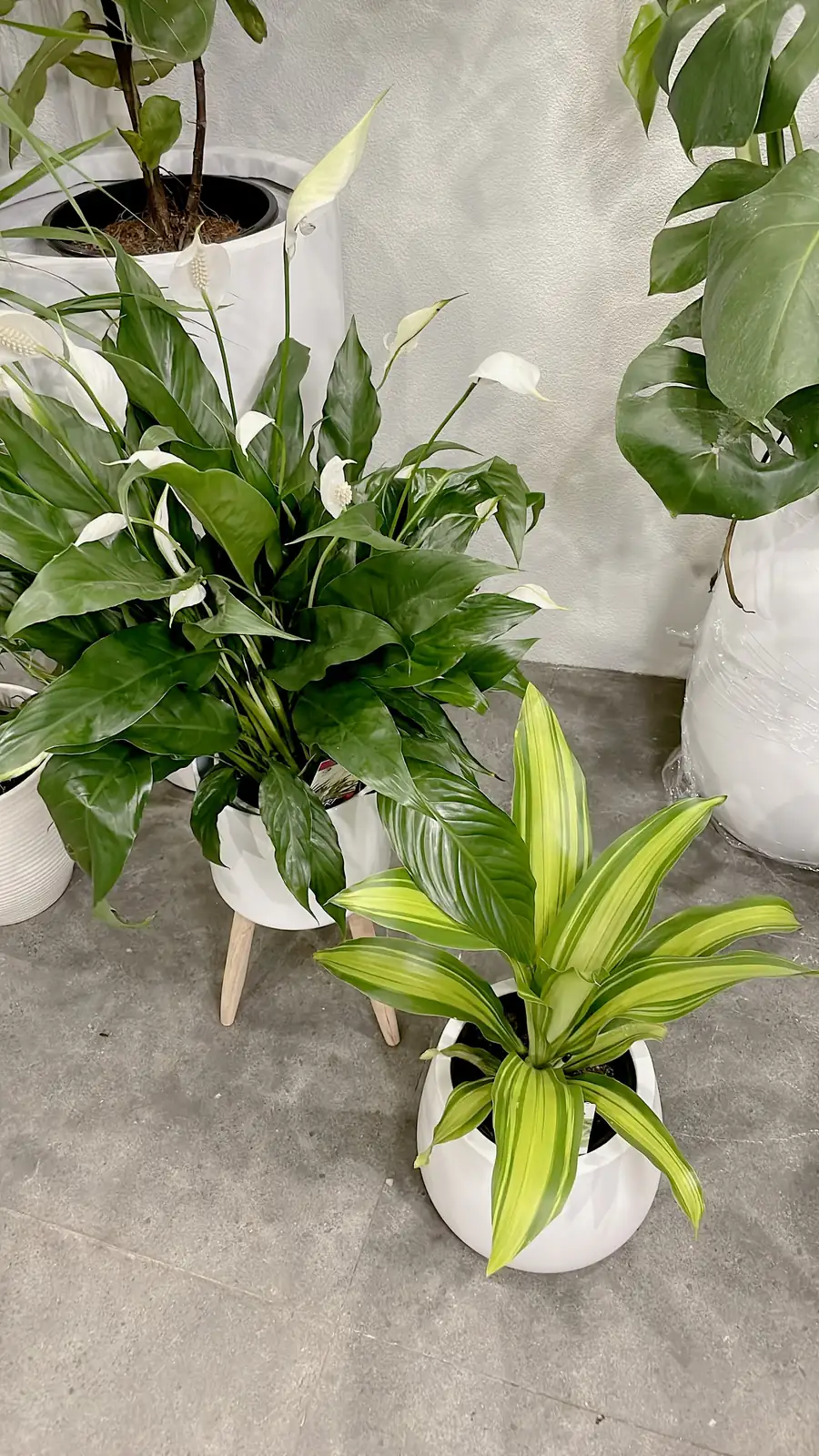
Dracaena species, with their bold, architectural leaves, provide a striking contrast to the Peace Lily’s soft, flowing foliage. Both species appreciate low to medium light and well-drained soil, making them compatible roommates. Plus, Dracaena’s tolerance for occasional neglect matches the Peace Lily’s forgiving nature, so they’re a great match for those still perfecting their green thumb.
Peperomia
If you’re looking to add a splash of color and variety, Peperomia plants are a fantastic choice. With their diverse leaf shapes and colors, Peperomia can add an element of surprise and delight to your plant display. They thrive in similar humidity and light conditions, and their compact growth habit ensures they won’t overshadow your Peace Lily.
Caladium
For those who crave a pop of color, Caladiums bring vibrant hues to your indoor garden. Their dramatic, heart-shaped leaves come in a variety of patterns and shades, from pinks to greens, adding a lively contrast to the serene whites and greens of the Peace Lily. Both plants flourish in warm, humid environments, making them a tropical match made in heaven.
Ferns
Ferns, with their lush, feathery foliage, can be the perfect ground cover or filler plant. They thrive in the same humid conditions that Peace Lilies love, and their varying textures can add depth to your arrangement. Whether you choose a delicate Maidenhair or a robust Boston Fern, these plants will complement the Peace Lily’s elegance beautifully.
Tips for Successful Pairings
- Match the Light: Ensure that all plants in your arrangement have similar light requirements. Peace Lilies thrive in bright, indirect light but can tolerate lower light levels.
- Sync the Soil: Use a well-draining, moisture-retentive soil mix that suits all plant types in your arrangement. This helps maintain consistent moisture levels—critical for Peace Lilies.
- Balance the Water: Peace Lilies prefer evenly moist soil. When pairing, choose plants with similar watering needs to avoid overwatering or underwatering any one plant.
- Humidity Harmony: Increase humidity with a pebble tray or humidifier if needed, as most tropical plants, including Peace Lilies, prefer higher humidity levels.
Plants to Avoid
While Peace Lilies are adaptable, not every plant is a good match. Avoid pairing them with cacti or succulents, which prefer dry conditions, and certain ferns that may require more frequent watering or different soil pH levels.
The Symbolic Peace Lily
Beyond its physical beauty and practical benefits, the Peace Lily carries deep symbolic meanings of peace, purity, and hope. Its white spathes are often compared to a peace flag, embodying tranquility and new beginnings. This makes the Peace Lily not just a plant for the eyes, but also for the soul.
By thoughtfully selecting companion plants for your Peace Lily, you’re not just creating a visually appealing and cohesive plant arrangement; you’re building a mini-ecosystem that supports each plant’s health and vitality. So go ahead, experiment with these combinations, and let your indoor garden sing with life!