
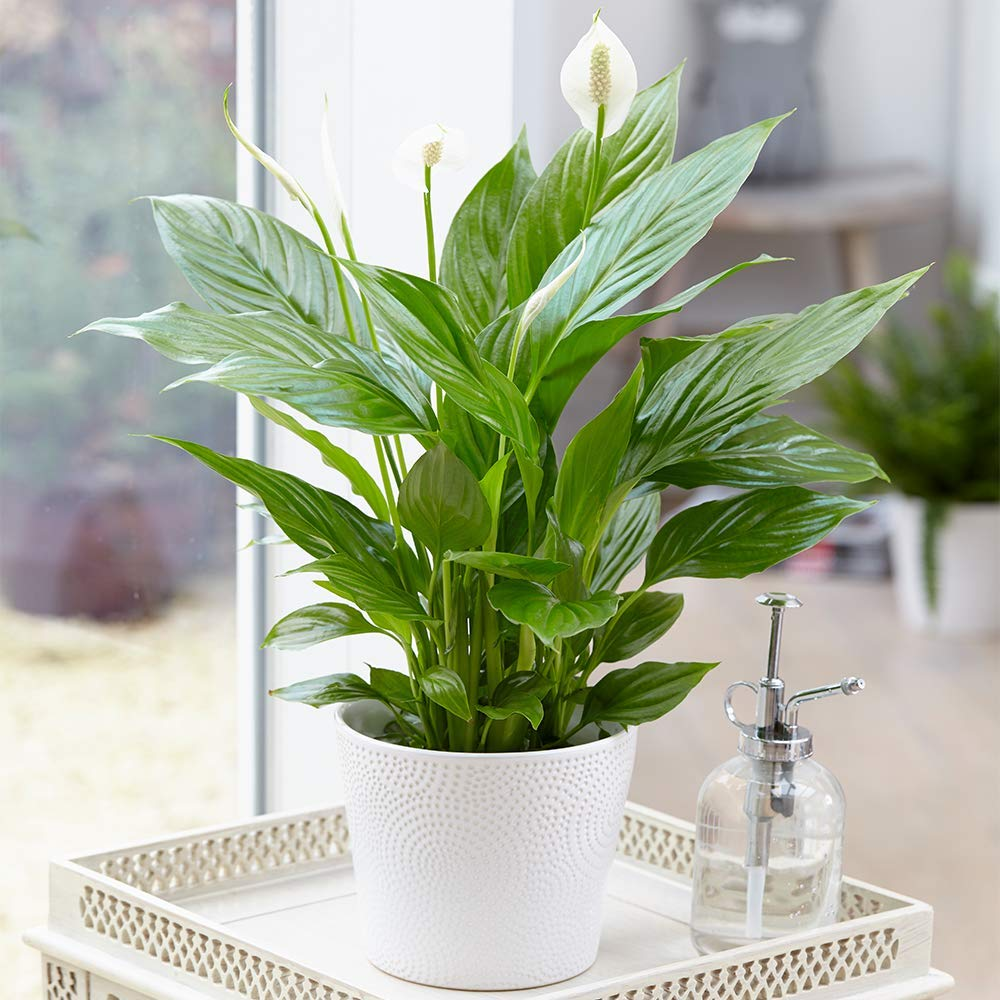
Peace Lilies, or Spathiphyllum wallisii, are the quintessential houseplant: elegant, low-maintenance, and highly expressive. They’re like the mood rings of the plant world, drooping when thirsty and perking up after a good drink. But even these resilient beauties have their kryptonite. Let’s dive into the most common issues and pest problems that can affect your Peace Lily and explore expert strategies to bring it back to its serene, lush self.
Common Pests: The Unwanted Guests
Peace Lilies are generally tough, but certain pests find them just as inviting as we do. Here’s a rundown of the main culprits and how to evict them:
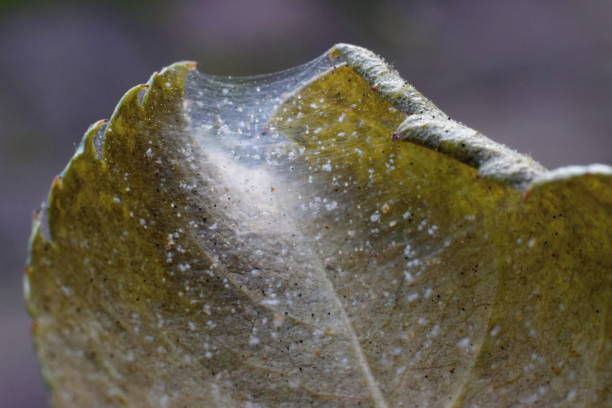
Spider Mites
These tiny pests are the vampires of the plant world, leaving behind yellow speckles and fine webbing. They adore warm, dry conditions, which means your cozy indoor environment is a perfect habitat. Combat these mites with neem oil or a good misting to increase humidity—spider mites hate the moisture!
Mealybugs and Scale Insects
Mealybugs look like little cotton balls clinging to your plant, while scale insects resemble tiny waxy bumps. Both pests can cause yellow leaves and are best tackled with rubbing alcohol or horticultural oil. A vigilant eye and regular cleaning can help keep these intruders at bay.
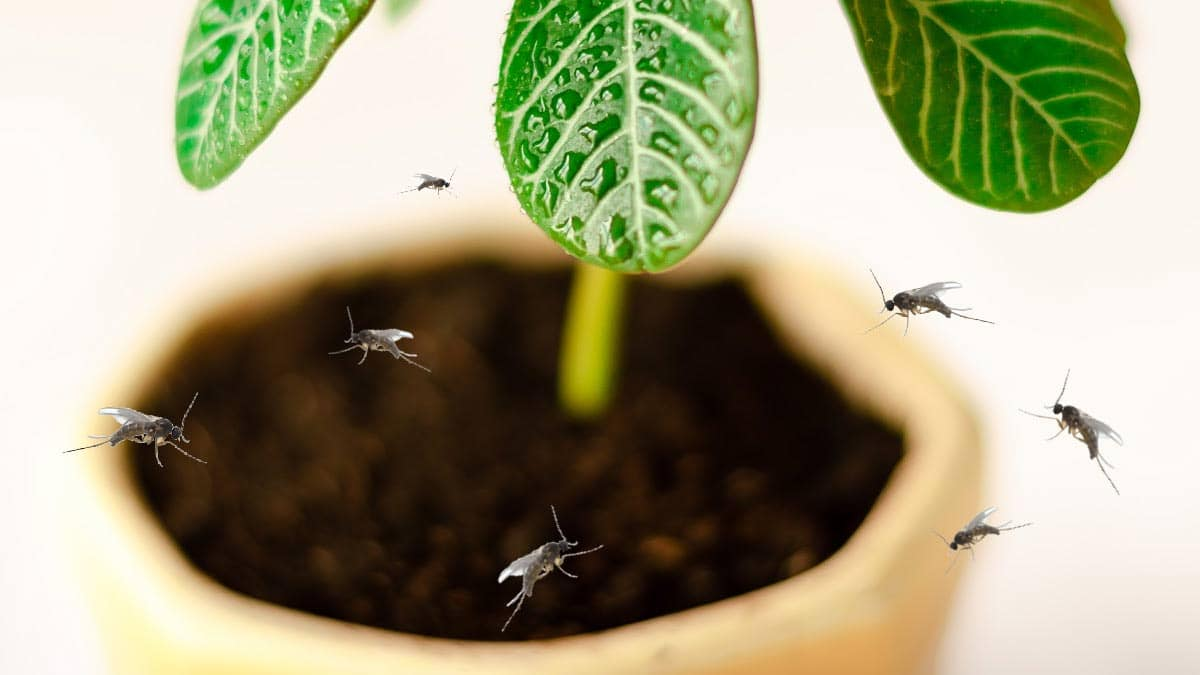
Fungus Gnats
If you notice tiny flies buzzing around your Peace Lily, you might have a fungus gnat problem. These pests thrive in moist soil, so allow the top layer of soil to dry out between waterings. Sticky traps and a hydrogen peroxide soil drench can also help manage these nuisances.
Aphids and Thrips
These pests are the ultimate freeloaders, sapping nutrients from new growth. Aphids cluster on the tender parts of the plant, while thrips leave a trail of silvery streaks. Use neem oil, insecticidal soap, or introduce natural predators to keep these pests in check.
Integrated Pest Management (IPM)
Think of IPM as the strategic chess game of pest control. It involves regular monitoring, accurate pest identification, and using natural methods before resorting to chemicals. For Peace Lilies, this means less chemical warfare and more harmony with nature.
Disease Dilemmas: The Silent Saboteurs
Even with proper care, Peace Lilies can fall victim to diseases, primarily due to overwatering or poor environmental conditions.
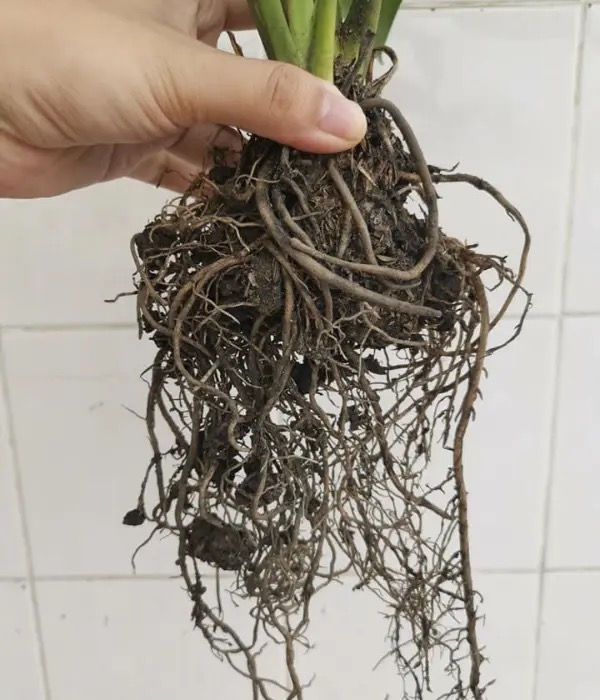
Root Rot
This is the bane of many Peace Lily growers. You’ll notice yellowing leaves and a generally wilting plant. Root rot is often caused by overwatering or poor drainage. To combat it, let the soil dry out more between waterings and ensure your pot has proper drainage.
Leaf Spot Diseases
Leaf spots can be a sign of fungal or bacterial issues. Improve airflow around your plant and avoid wetting the leaves late in the day. Affected leaves should be removed to prevent the spread.
Cultural Care: Keeping Your Peace Lily Thriving
A happy Peace Lily is less likely to suffer from pests and diseases. Here’s how to keep yours in top shape:
- Light: Bright, indirect light is the secret sauce for blooming. Too little light, and your plant might sulk and refuse to flower.
- Water: Maintain evenly moist soil but avoid sogginess. A drooping plant is often a cry for water, but if it doesn’t perk up after a drink, check for root issues.
- Humidity: Peace Lilies thrive in higher humidity. Mist regularly or use a pebble tray to boost moisture levels.
- Temperature: Keep your plant in a warm environment, ideally between 65–80°F (18–27°C).
Final Thoughts: The Language of Peace Lilies
In the language of flowers, Peace Lilies symbolize peace, purity, and hope. Their white spathes are reminiscent of a peace flag, bringing tranquility to any space. As a classic sympathy gift, they offer comfort and healing, lasting far longer than cut flowers.
By understanding the needs and challenges of your Peace Lily, you can ensure it remains a lush, soothing presence in your home. Whether you’re battling pests or perfecting your care routine, remember that these plants are forgiving and will reward your efforts with elegance and grace. So keep observing, learning, and nurturing—your Peace Lily will thank you with its serene beauty.