Cultivating Vibrancy: Propagating Coral Bells (Heuchera sanguinea Engelm.) Through Division
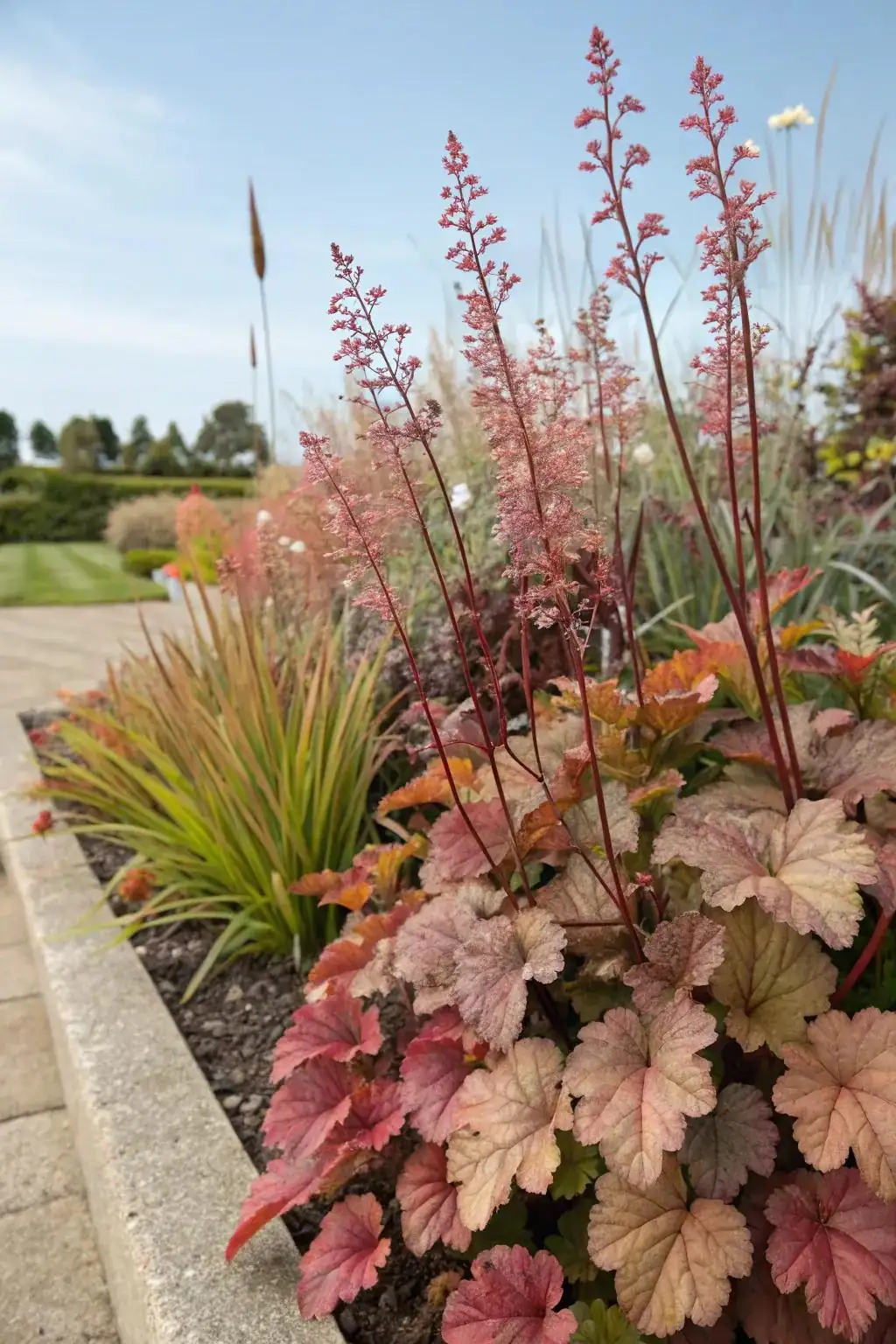
Imagine a garden bursting with colors, where the foliage rivals the rainbow itself. This is the world of Coral Bells, or Heuchera sanguinea Engelm., a perennial favorite for shade gardens. Known for their dazzling array of leaf colors and delicate bell-shaped flowers, Coral Bells bring a touch of elegance and vibrancy to any landscape. If you’ve ever admired their beauty and wondered how to multiply their charm in your garden, you’re in luck! Let’s embark on a fascinating journey into the art of propagating Coral Bells through division.
Why Propagate Coral Bells?
These delightful plants are not just about looks. Coral Bells are also hardy, low-maintenance, and deer-resistant—making them a gardener’s dream. Propagation through division isn’t just an effective way to expand their presence in your garden; it’s also a rejuvenating process that keeps plants healthy and vigorous.
Step-by-Step Guide to Propagating Coral Bells by Division
1. Timing is Everything
To ensure successful propagation, timing plays a crucial role. The best periods for division are early spring, just as new growth begins, or early fall, giving plants time to establish before winter. These times offer ideal conditions for your Coral Bells to recover quickly and thrive.
2. Gather Your Tools
You’ll need a few simple tools to start:
- Sharp pruning shears for clean cuts
- A sturdy spade for digging and dividing
- Compost to enrich the soil
3. Prepare the Plant
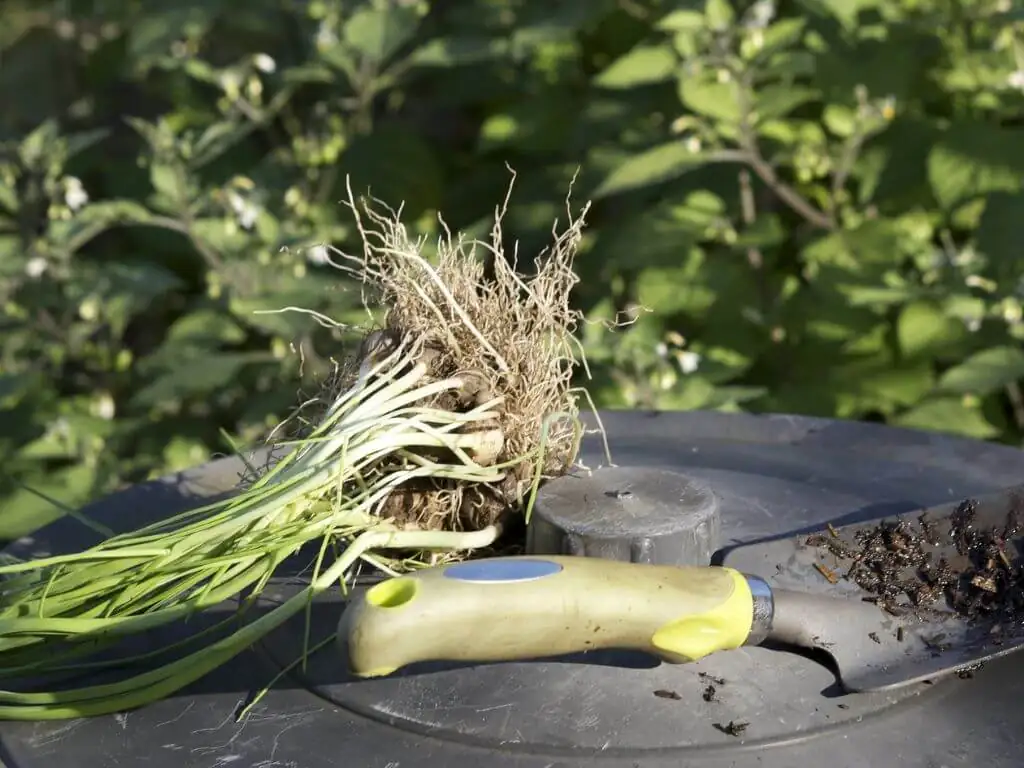
Start by gently digging around the base of the Coral Bells, exposing the roots. Lift the entire plant clump out of the ground, taking care to keep the root system intact. This process is akin to uncovering a hidden treasure—each part holds the potential for new life.
4. Divide and Conquer
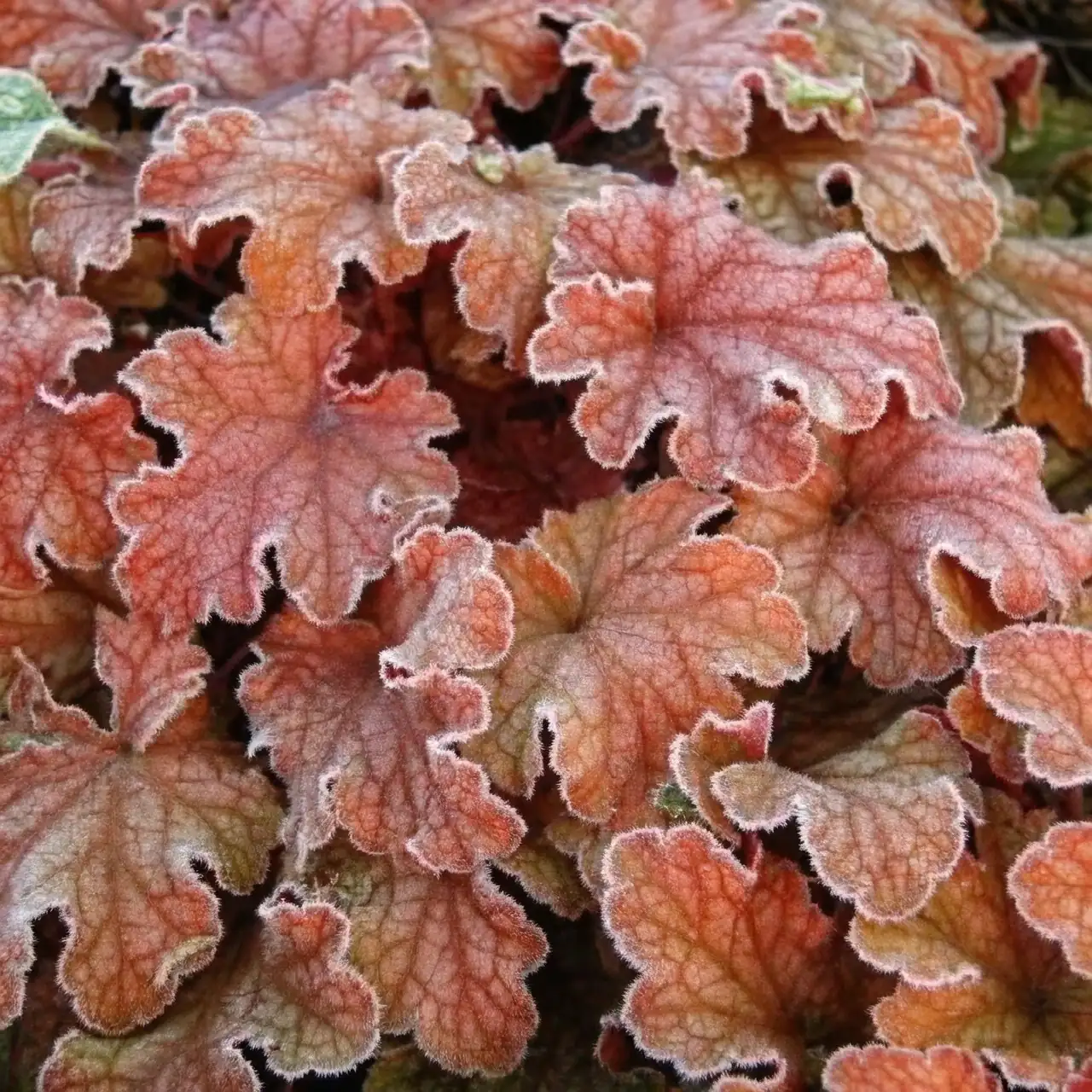
Once uprooted, you’ll notice the Coral Bells clump consists of a woody center surrounded by healthier, younger growth. Here’s where the magic happens:
- Separate the healthy outer offsets from the woody center using your shears. Each offset should have a good amount of roots and a few leaves.
- Discard the old center, as it’s less productive and can hinder new growth.
5. Replant with Care
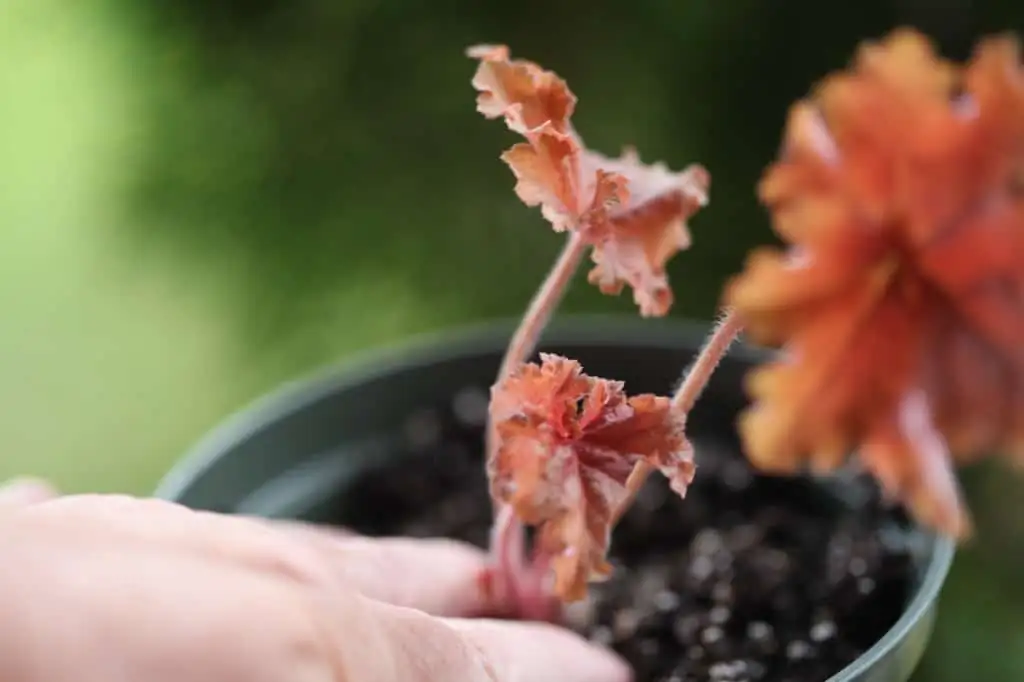
Before replanting, amend your garden soil with compost to ensure it’s rich and well-draining. Place each division in a hole deep enough to accommodate the roots, with the crown slightly above soil level to prevent rot. This step is crucial, ensuring your new plants have a firm foundation from which to flourish.
6. Nurture and Watch Them Grow
Water the newly planted divisions thoroughly and maintain even moisture as they settle into their new homes. In shaded areas, Coral Bells are fairly drought-tolerant, but they’ll appreciate a consistent drink, especially during hot spells.
The Rewards of Division
By dividing Coral Bells every 3–4 years, you not only increase your garden’s beauty but also enhance the health and longevity of these captivating plants. Plus, this method offers a delightful opportunity to share the joy of gardening with friends and neighbors by gifting them a piece of your thriving garden.
A Touch of Symbolism
In the language of flowers, Coral Bells symbolize gentle affection and quiet resilience. Their persistent presence and vibrant colors reflect a steadfast beauty that holds a garden together through the seasons. This makes them not just a gardener’s delight but also a bearer of good fortune and protection in some Native American-inspired lore.
Final Thoughts
Propagating Coral Bells through division is like painting with nature’s palette, creating a living masterpiece in your garden. Whether you’re a seasoned horticulturist or a budding enthusiast, this simple yet rewarding process will add layers of color and texture to your landscape. So grab your tools, embrace the art of division, and let your garden flourish with the timeless beauty of Coral Bells.