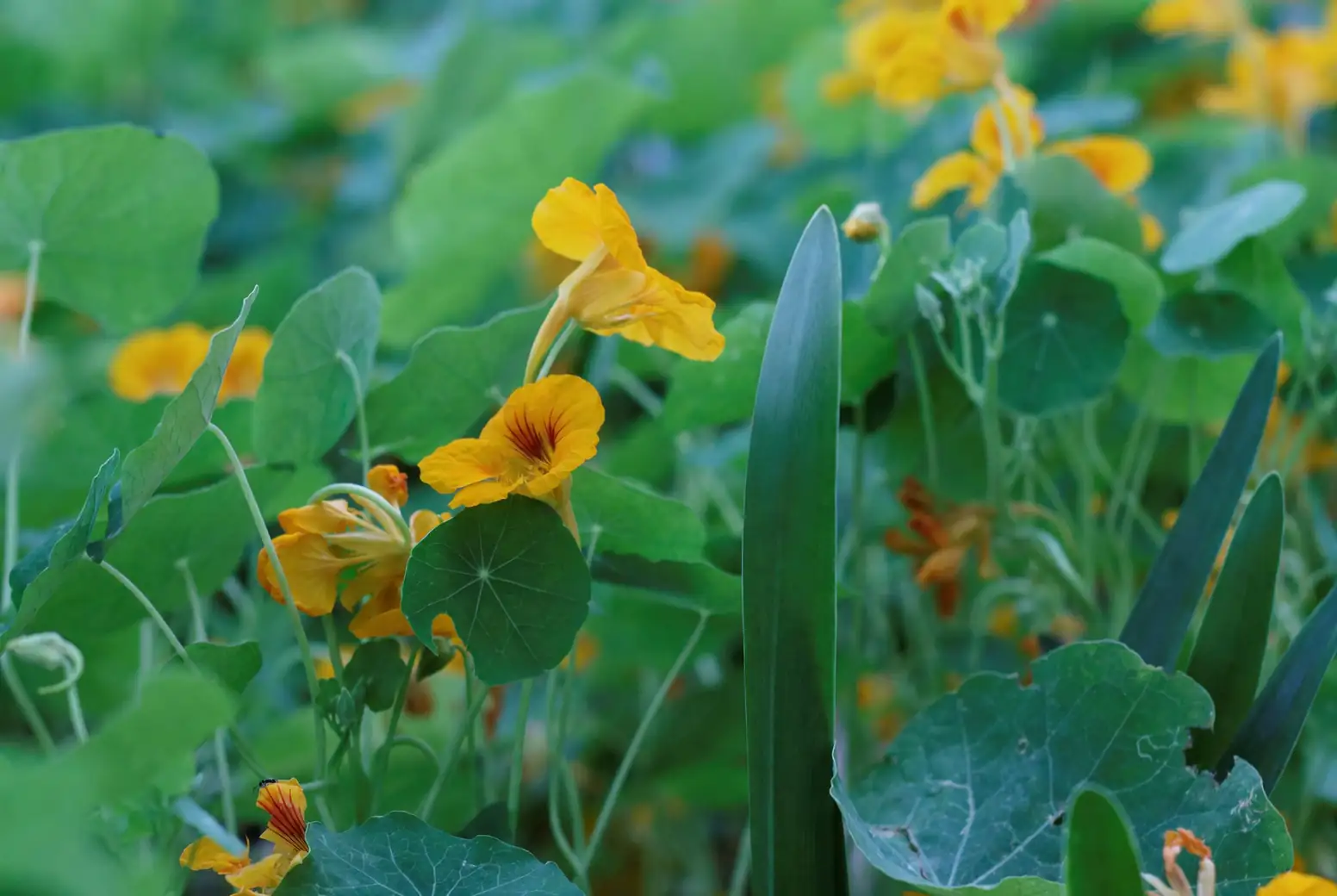
Imagine stepping into a garden where the sun-drenched colors of red, orange, and yellow greet you, and the air is filled with a peppery scent that’s oh-so-inviting. Welcome to the world of Tropaeolum majus, commonly known as nasturtium. These vibrant, cheerful plants are not just eye-catching; they are a gardener’s secret weapon against common pests and diseases. But like any garden delight, nasturtiums face their share of challenges. Let’s explore how to protect these plants, ensuring they remain a bright spot in your garden all season long.
Common Pests Targeting Nasturtiums
Nasturtiums are often used as a natural pest control method, acting as a trap crop to lure pests away from more valuable plants. Yet, they can also fall victim to various garden invaders.
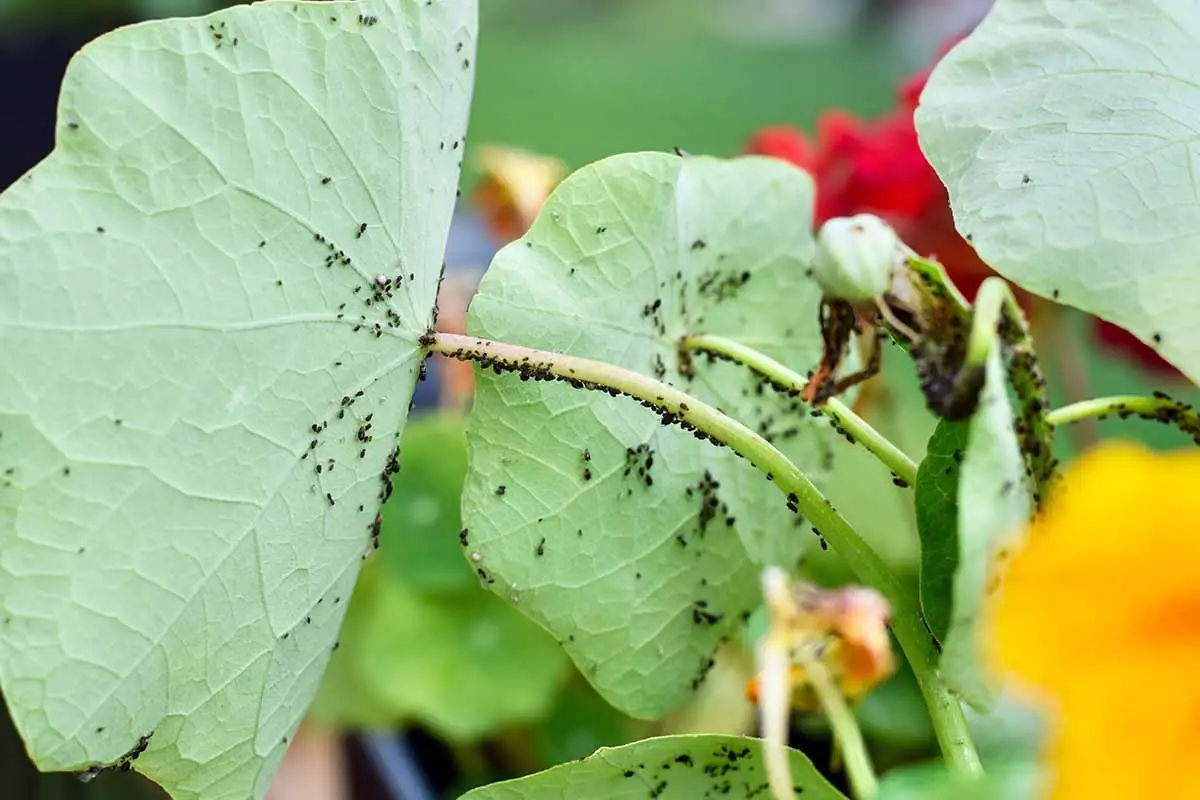
Aphids: The Tiny Sap-Suckers
Aphids are a notorious pest that loves nasturtiums, particularly the yellow-flowered varieties. These tiny insects can quickly cover stems and leaves, causing them to yellow and curl. An infestation often leads to a sticky residue known as honeydew, which can attract ants.
Combat Strategy:
- Manual Removal: Gently wash aphids off with a strong spray of water. For stubborn infestations, use a mild soap solution (2.5 tablespoons of dish soap per gallon of water) to spray affected areas.
- Natural Predators: Encourage ladybugs and hoverflies, which feast on aphids. Planting companion plants that attract these beneficial insects can be helpful.
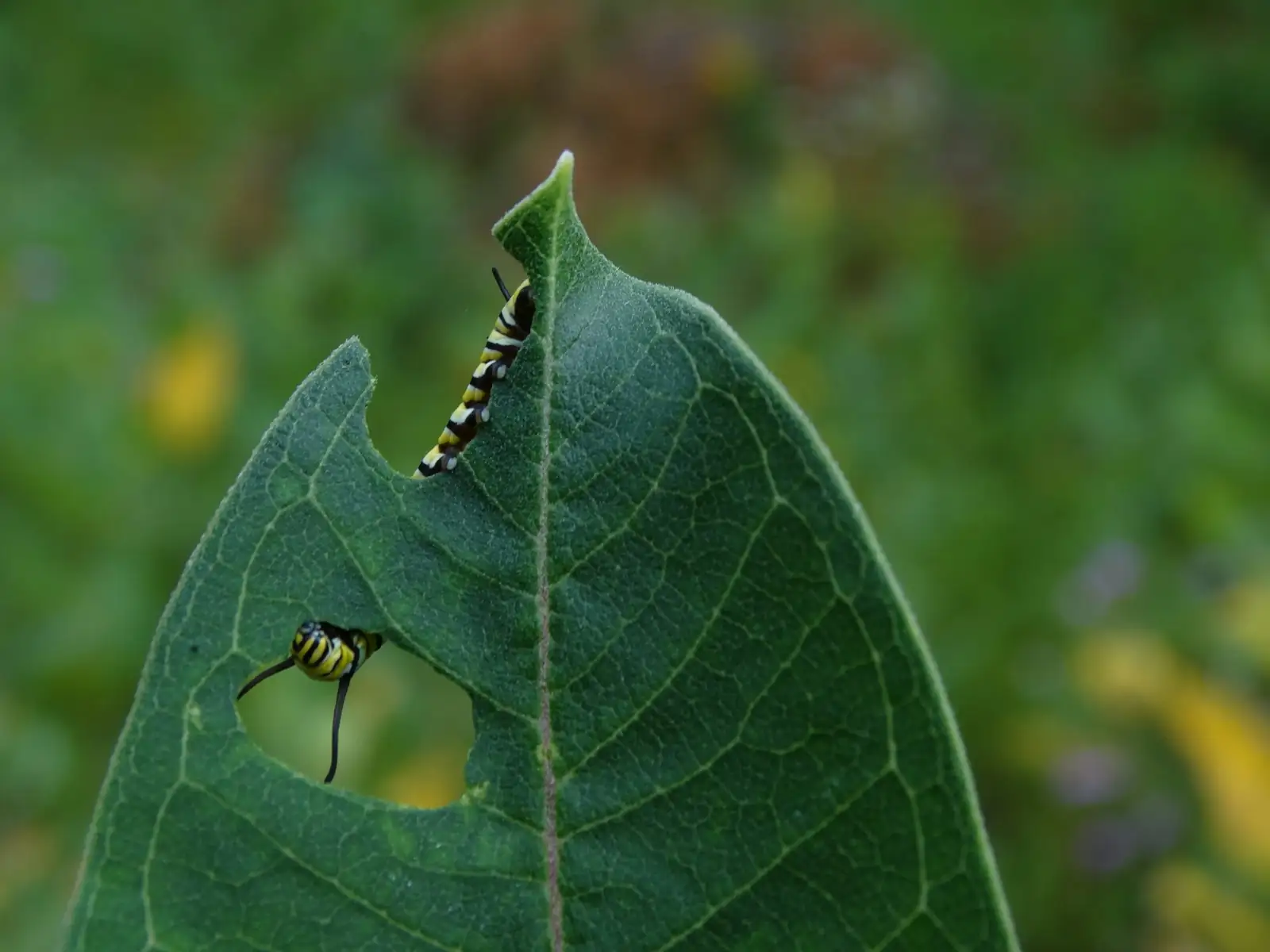
Caterpillars and Moths: The Leaf Munchers
Caterpillars, including cabbage worms, can make a meal out of nasturtium leaves, leaving behind unsightly holes.
Combat Strategy:
- Regular Inspection: Handpick caterpillars in the early morning when they’re most active.
- Biological Control: Use Bacillus thuringiensis (Bt), a natural bacterium that targets caterpillars without harming beneficial insects.
Whiteflies and Leaf Miners: The Underminers
Whiteflies and leaf miners can also plague nasturtiums, with whiteflies sucking sap and leaf miners tunneling through leaves, creating unsightly trails.
Combat Strategy:
- Sticky Traps: Place yellow sticky traps near plants to catch adult whiteflies.
- Neem Oil: Apply neem oil to deter both whiteflies and leaf miners. This organic solution disrupts their life cycle.
Diseases That Can Affect Nasturtiums
While nasturtiums are relatively hardy, a few diseases can take hold, especially under less-than-ideal conditions.
Aster Yellows and Bacterial Leaf Spot: The Unseen Enemies
Aster yellows cause stunted growth and distorted flowers, while bacterial leaf spot leads to brown, water-soaked lesions on leaves.
Preventive Measures:
- Proper Airflow: Ensure plants have plenty of space and are not overcrowded, which promotes air circulation and reduces humidity.
- Avoid Over-Fertilizing: Excess nitrogen can exacerbate disease problems, so keep fertilization in check.
The Double Life: Nasturtiums as Pest Control Allies
Despite these challenges, nasturtiums are champions in the garden for their ability to draw pests away from other plants. They are particularly effective against aphids, cucumber beetles, and cabbage worms, making them excellent companions for crops like cucumbers, tomatoes, and brassicas.
Planting Tips:
- Strategic Placement: Use nasturtiums as a border or interplant them among susceptible crops. This not only helps manage pest populations but also adds aesthetic value with their bright blooms.
- Encourage Beneficial Insects: Nasturtiums attract pollinators like bees and butterflies, as well as predatory insects that keep pest numbers down.
Conclusion: A Gardener’s Ally and a Feast for the Senses
Nasturtiums are more than just a pretty face in the garden. They are a vibrant tapestry of color, a culinary delight, and a natural pest deterrent all rolled into one. By understanding the common pests and diseases that affect them and employing effective strategies to manage these issues, you can keep your nasturtiums flourishing. Whether you’re looking to add a splash of color or create a pest-free haven for your vegetable garden, nasturtiums are your go-to plant, embodying beauty and function in perfect harmony.