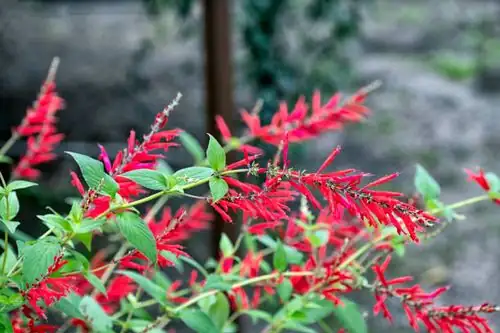
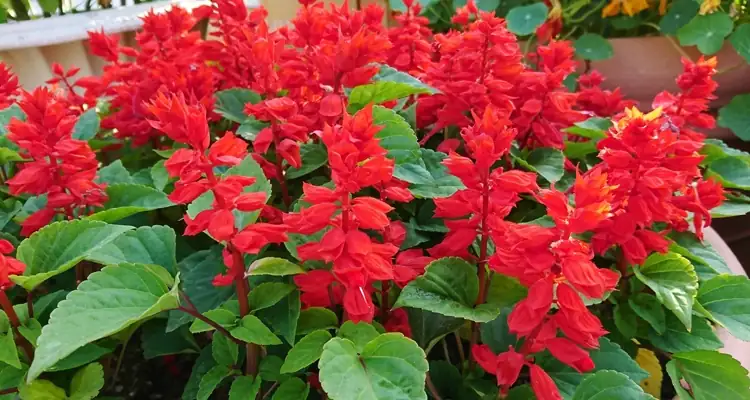
Scarlet Sage, or Salvia splendens, is a vibrant addition to any garden, known for its dazzling scarlet-red flower spikes that light up borders and containers from summer until the first frost. While generally low-maintenance and resilient, these stunning plants can occasionally encounter pesky adversaries in the form of pests and diseases. Fret not, fellow gardeners! Here’s your guide to identifying common issues and implementing effective organic solutions to keep your Scarlet Sage thriving.
Common Pests and Organic Solutions
Whiteflies
Whiteflies, tiny winged insects, can sometimes become unwelcome guests on your Scarlet Sage. They often congregate on the undersides of leaves, sucking sap and leaving behind a sticky residue known as honeydew, which can lead to sooty mold.
Solution: A quick and effective way to control whiteflies is to spray them with insecticidal soap or neem oil, both of which are safe for the environment and non-toxic to beneficial insects. Regular monitoring and removing any heavily infested leaves can also help keep their population in check.
Slugs and Snails
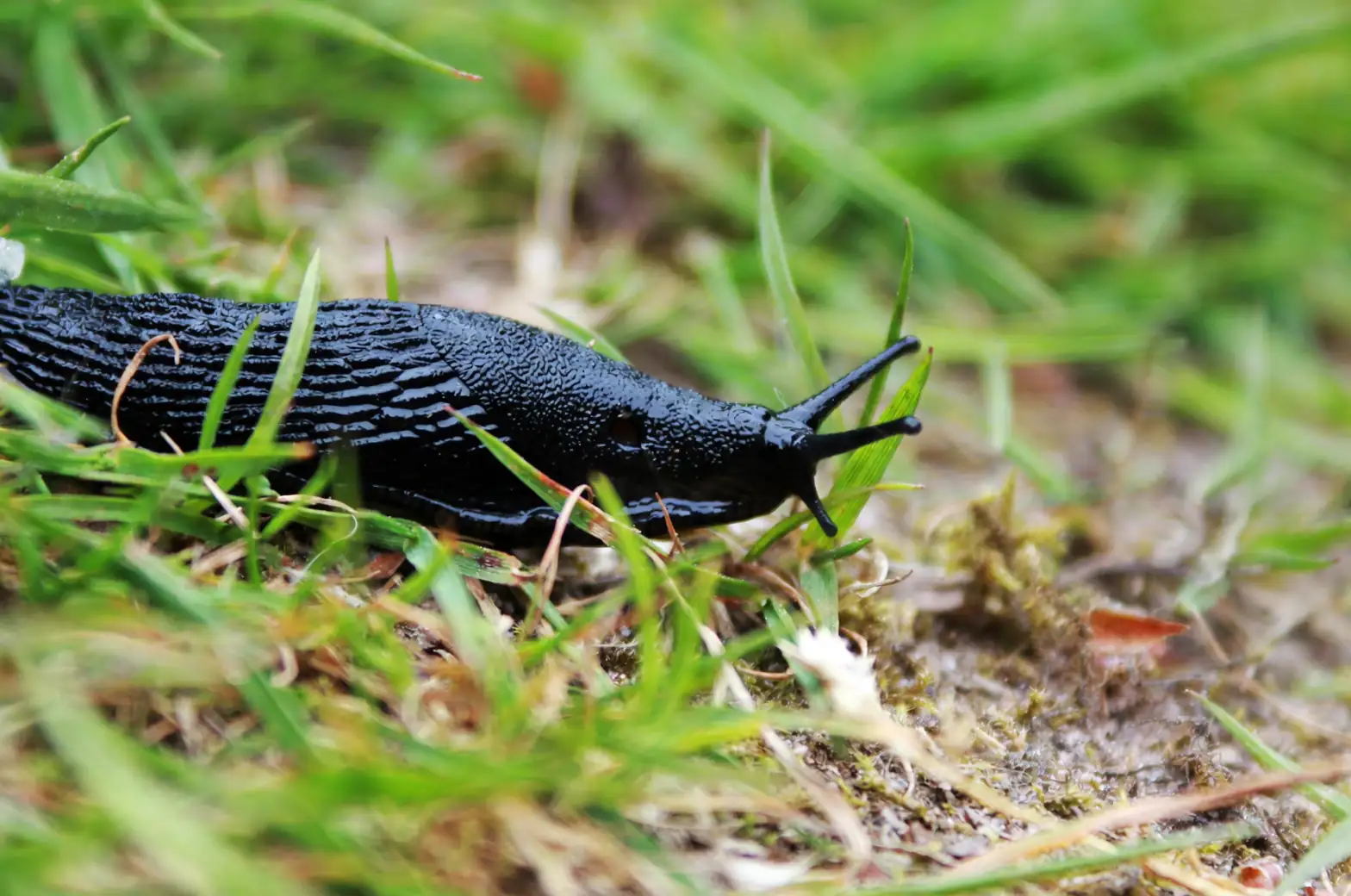
These slimy critters are notorious for munching on tender leaves, especially in damp conditions. While Scarlet Sage’s aromatic foliage usually deters them, young or tender plants may still fall victim.
Solution: Introduce natural predators like ground beetles, or use traps filled with beer. You can also create barriers with crushed eggshells or copper tape around plant bases to deter these gastropods.
Common Diseases and Preventive Measures
Powdery Mildew
This fungal disease presents as a white, powdery coating on leaves and stems, often thriving in conditions of high humidity and poor air circulation.
Solution: Improve airflow around your plants by spacing them adequately and avoiding overhead watering, which can exacerbate the problem. If powdery mildew appears, a homemade spray of baking soda and water can help control its spread.
Root Rot
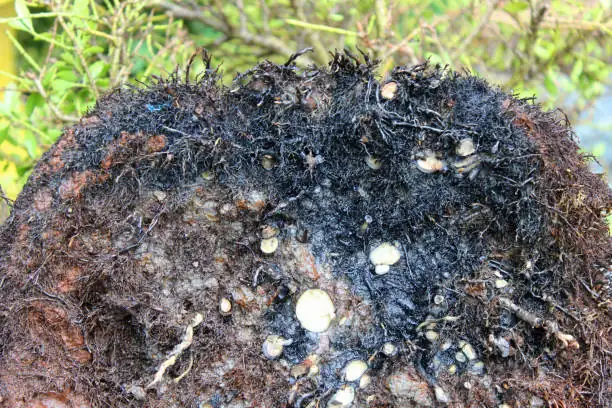
Caused by poor drainage and overwatering, root rot is a garden nemesis that can severely affect Scarlet Sage’s health, leading to wilting and yellowing leaves.
Solution: Ensure your plants are in well-draining soil and avoid waterlogging by allowing the top inch of soil to dry out between waterings. In severe cases, replanting in fresh, well-draining potting mix may be necessary.
Keeping Your Scarlet Sage Healthy
- Sunlight: Ensure your Scarlet Sage receives 6–8 hours of direct sunlight daily to promote robust flowering.
- Watering: Water at the base of the plant to keep the foliage dry, and provide deep, occasional watering to encourage strong root systems.
- Fertilization: Use a balanced, bloom-supporting fertilizer to keep those flowers coming, but avoid high nitrogen fertilizers that favor leafy growth over blooms.
- Pruning: Regular deadheading of spent flowers encourages continuous blooming, while pinching back young plants can promote a fuller, bushier shape.
A Glimpse into the Language of Flowers
The intense red of Scarlet Sage is not just a treat for the eyes; it symbolizes vitality, energy, and passion. In the language of flowers, it sends a message of warm thoughts, wisdom, and good health—perfect for a garden meant to invigorate and inspire.
Conclusion
With these tips and organic solutions, your Scarlet Sage should remain a radiant beacon of color in your garden, attracting hummingbirds and butterflies while resisting the common pests and diseases that might come its way. Happy gardening!