
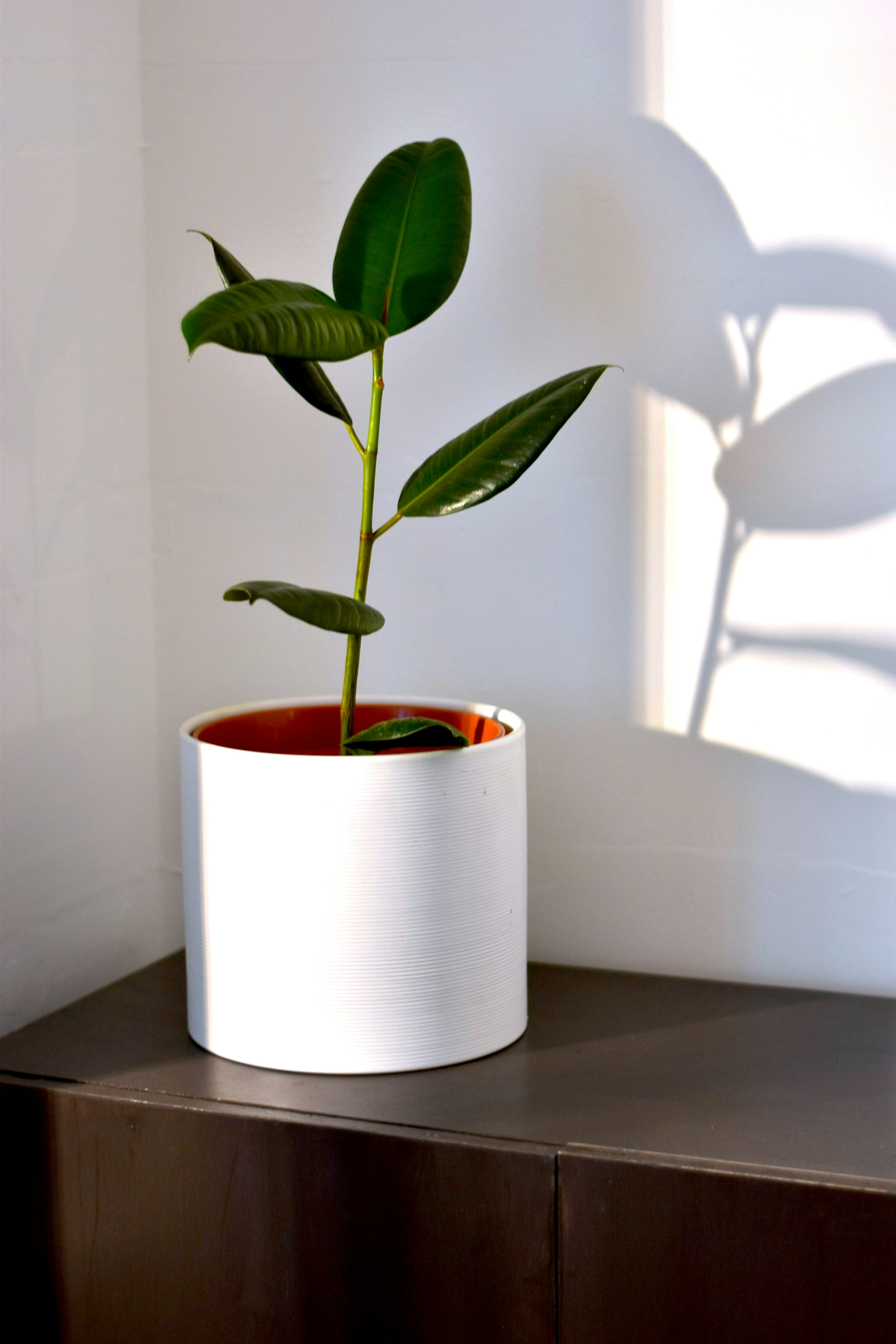
Creating a thriving indoor garden is an art that combines the beauty of individual plants with the synergy of their companionship. One of the most iconic houseplants, the Rubber Plant (Ficus elastica Roxb. ex Hornem.), with its lush, glossy leaves, is a natural centerpiece for your green sanctuary. But how do you make this statement plant even more magnificent? By pairing it with complementary houseplants, you can create a harmonious indoor jungle that is not only visually stunning but also healthy and balanced.
The Perfect Companions for Your Rubber Plant
Why Pair Plants?
Just like a good friendship, the right plant pairing can enhance the strengths of each plant and create a supportive environment. Companion planting indoors is about more than aesthetics—it’s about fostering a mini-ecosystem where plants can thrive together, helping each other out with pest control, humidity, and even air purification.
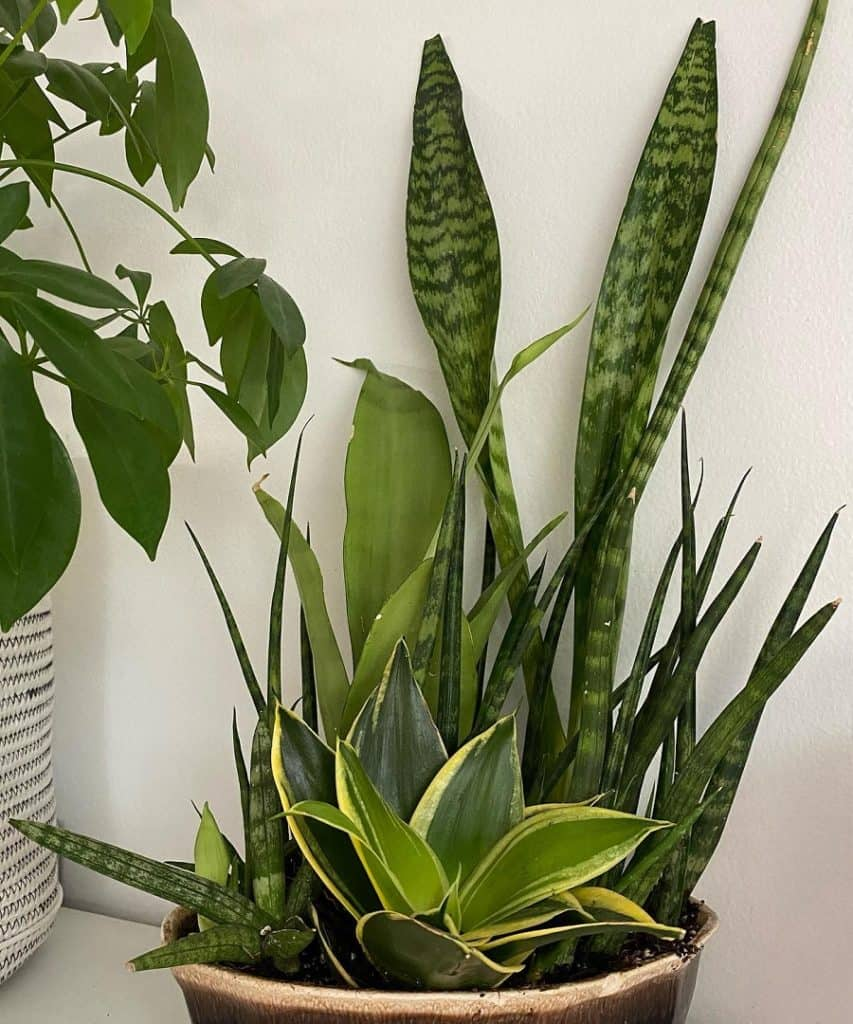
Snake Plant: The Resilient Roommate
- Care Compatibility: Snake Plants (Sansevieria) are drought-resistant and thrive with moderate watering, making them a perfect match for the Rubber Plant’s watering needs.
- Environmental Harmony: Both plants enjoy bright, indirect light, though they can tolerate lower light conditions.
- Added Benefits: Snake Plants are known for their air-purifying qualities and ability to repel pests, offering a natural boost to your indoor air quality and plant health.
Pothos: The Trailing Beauty
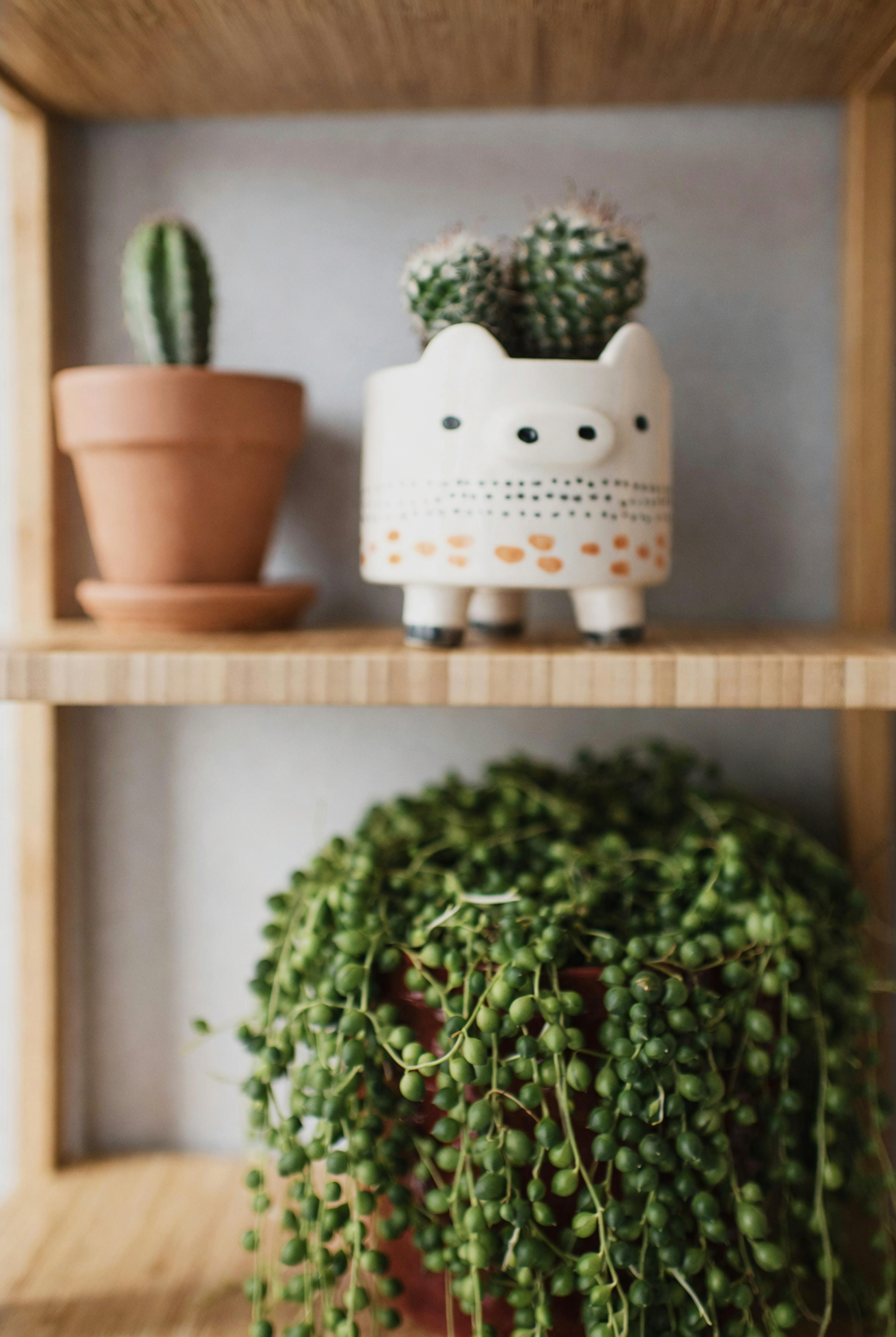
- Visual Appeal: The trailing vines of Pothos (Epipremnum aureum) add a cascading effect that contrasts beautifully with the upright structure of the Rubber Plant.
- Growth Conditions: Both plants flourish in similar light and watering conditions, which means they’re easy to care for together.
- Adaptability: Pothos is known for its resilience, making it a forgiving and undemanding companion.
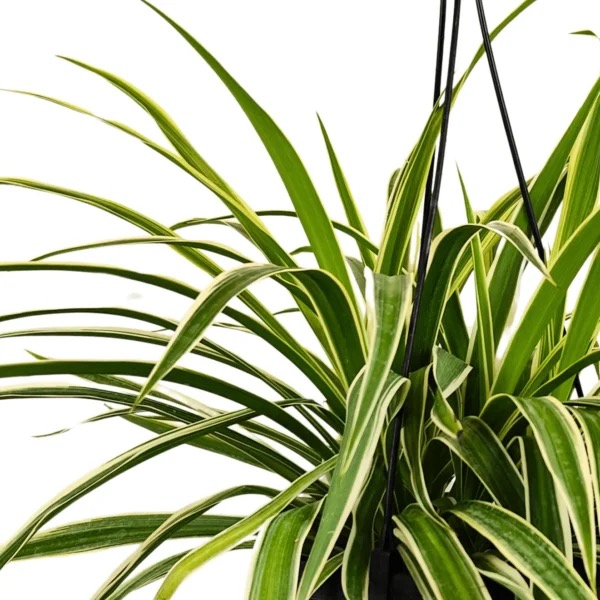
Spider Plant: The Air Purifier
- Aesthetic Diversity: With its arching, variegated leaves, the Spider Plant (Chlorophytum comosum) introduces textural contrast to the broad, smooth leaves of the Rubber Plant.
- Health Benefits: Like the Snake Plant, Spider Plants are excellent air purifiers, and their pest-deterring properties help maintain a healthy plant collection.
- Low Maintenance: These plants require minimal attention, thriving in similar conditions to the Rubber Plant.
Peace Lily: The Elegant Partner
- Visual Elegance: With its striking white blooms, the Peace Lily (Spathiphyllum) complements the rich green leaves of the Rubber Plant, adding a touch of elegance.
- Shared Preferences: Both plants prefer indirect light and appreciate a bit of humidity, making them compatible in shared spaces.
- Symbolic Harmony: Peace Lilies are often associated with tranquility and purification, enhancing the positive energy in your home.
Tips for a Thriving Indoor Garden
Embrace Diversity
Introducing a variety of plants not only enhances the visual appeal but also promotes a healthy ecosystem. Diversity can help balance humidity and improve air quality, contributing to the overall health of each plant.
Mind the Watering
While your Rubber Plant appreciates a good drink, it prefers its soil to dry out a bit between waterings. Ensure that your companion plants have similar moisture needs to prevent any watering mishaps.
Perfect the Placement
Position your Rubber Plant and its companions in a spot with bright, indirect light to mimic their natural habitat. Avoid direct sunlight, which can scorch the leaves, and keep them away from cold drafts and heating vents.
Enhance Feng Shui
Incorporating Feng Shui principles can enhance the energy in your space. The Rubber Plant, with its wood element, is believed to promote growth and vitality, especially when placed facing east. Pair it with other elements like Metal or Fire to maintain balanced energy flow.
The Rubber Plant is more than just a pretty face; it’s a versatile and forgiving plant that can transform your space into a vibrant indoor garden. By thoughtfully pairing it with complementary houseplants, you’ll not only create a captivating visual display but also cultivate a thriving environment where each plant supports the other. So go ahead, let your creativity bloom and watch your indoor oasis come to life.