Imagine bringing a touch of the tropics into your home, with a plant that stands as both a green warrior and a bold statement piece. Meet the Rubber Plant (Ficus elastica Roxb. ex Hornem.), a favorite among indoor plant enthusiasts for its glossy, thick leaves and forgiving nature. Yet, even this resilient beauty is not entirely immune to the whimsical woes of pests and diseases. Let’s dive into a lively guide on how to identify and treat these common afflictions to keep your Rubber Plant thriving like a jungle king in your living room!
Identifying Common Pests
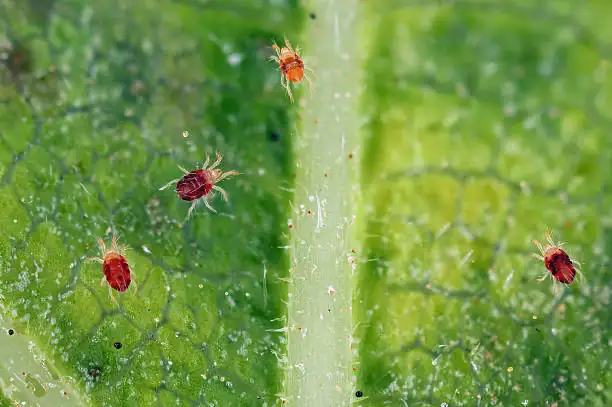
Spider Mites: The Invisible Enemy
These microscopic pests might be hard to spot with the naked eye, but their damage is all too visible. Look for tiny yellow or brown spots on your Rubber Plant’s leaves, often accompanied by fine webbing. Spider mites thrive in dry conditions, so keeping humidity levels up can help keep them at bay.
Remedy: Rinse the plant thoroughly with water to dislodge the mites, and apply neem oil or insecticidal soap to effectively send these pests packing.
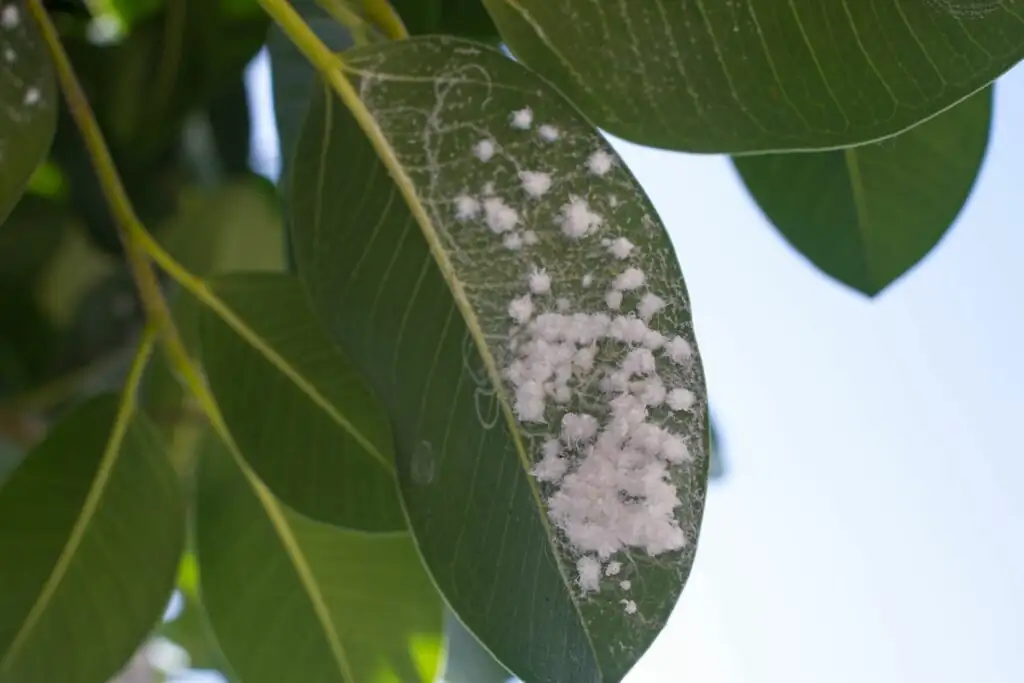
Mealybugs: The Cottony Invaders
Mealybugs appear like little cotton balls tucked into the cozy corners of your plant. These sap-sucking insects weaken your Rubber Plant, potentially leading to stunted growth.
Remedy: A cotton swab dipped in rubbing alcohol can take care of small infestations, while neem oil or insecticidal soap can be used for larger outbreaks. Regular monitoring and cleaning of the plant can prevent these pests from setting up camp.
Scale Insects: The Stealthy Siphoners
Scale insects are like tiny armored tanks, attaching themselves to stems and leaves, slowly draining the life out of your plant. They often leave behind a sticky residue called honeydew, which can attract further problems like sooty mold.
Remedy: Use a soft brush or a cotton swab with rubbing alcohol to manually remove them. For more severe cases, horticultural oil can suffocate these pests effectively.
Aphids: The Sticky Sappers
Aphids cluster on new growth and undersides of leaves, excreting honeydew and causing leaves to curl and yellow. They are like the small-town gossipers of the insect world, spreading trouble wherever they go.
Remedy: A strong spray of water can knock them off, and insecticidal soap or neem oil can keep them from returning. Introducing natural predators like ladybugs can also be a fun and eco-friendly approach.
Preventing Pest Infestations
- Regular Inspections: Make it a habit to inspect your Rubber Plant, especially the undersides of leaves and around the stems.
- Quarantine New Plants: New plant arrivals should spend some time in isolation before joining the rest of your indoor jungle.
- Proper Care: Ensure your plant receives optimal light, water, and nutrients, making it less susceptible to pest infestations.
Fungal Issues and How to Handle Them
While pests are a more common concern, fungi can also rear their uninviting heads, especially in overly moist conditions.
Leaf Spot and Gray Mold
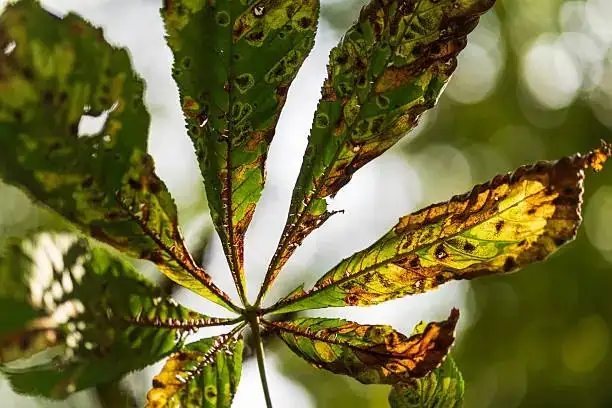
Fungal spots and gray mold can appear when your Rubber Plant’s environment is too humid without sufficient airflow. The culprits often manifest as unattractive spots on the leaves.
Prevention and Treatment: Ensure good drainage and avoid watering the leaves directly. If you notice fungal spots, remove affected leaves and increase airflow around your plant. Fungicides can be used as a last resort, but keeping the plant dry and well-ventilated is usually enough to curb these issues.
Keeping Your Rubber Plant Safe and Sound
Temperature and Humidity
Rubber Plants are tropical by nature, so they prefer warm, humid environments. Aim for temperatures between 15–24°C (59–75°F) and maintain humidity levels around 40% or higher. Avoid cold drafts, as these can lead to sudden leaf drop.
Handling with Care
Remember, all parts of the Rubber Plant exude a milky latex sap that can irritate skin and eyes. If you’re pruning or handling your plant, wear gloves and wash your hands afterward.
Conclusion
With a bit of vigilance and the right care, your Rubber Plant can flourish, adding lush greenery and a touch of the exotic to your home. By keeping an eye out for pests and taking preventive measures, you can enjoy the vibrant health of your Rubber Plant for years to come. Whether you’re an experienced plant parent or a newcomer to the world of indoor gardening, the key to success lies in understanding your plant’s needs and responding swiftly to any signs of trouble. After all, a healthy Rubber Plant is not just a visual delight but a testament to your growing green thumb!