A Whimsical Dive into the World of Yarrow: Nature’s Multi-Talented Marvel
Imagine a plant so resilient it can thrive in the harshest of environments, so alluring it draws butterflies and bees like a magnet, and so versatile it has been a vital part of herbal medicine cabinets for centuries. Meet Yarrow—or as it’s scientifically known, Achillea millefolium—a plant that’s as fascinating as it is functional.
The Many Faces of Yarrow
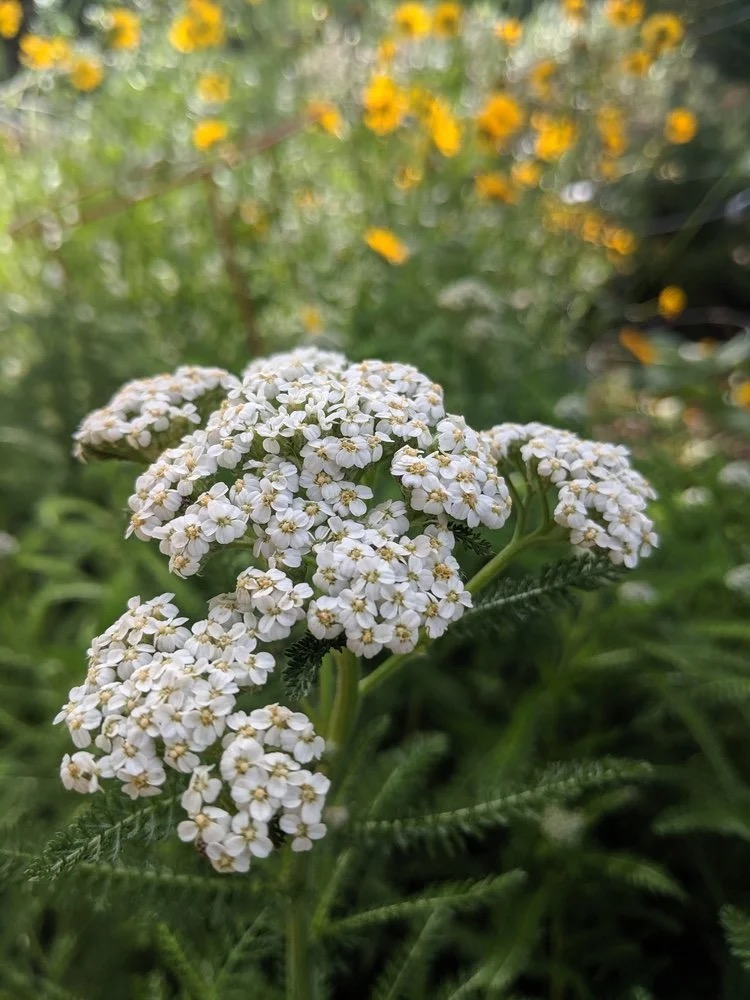
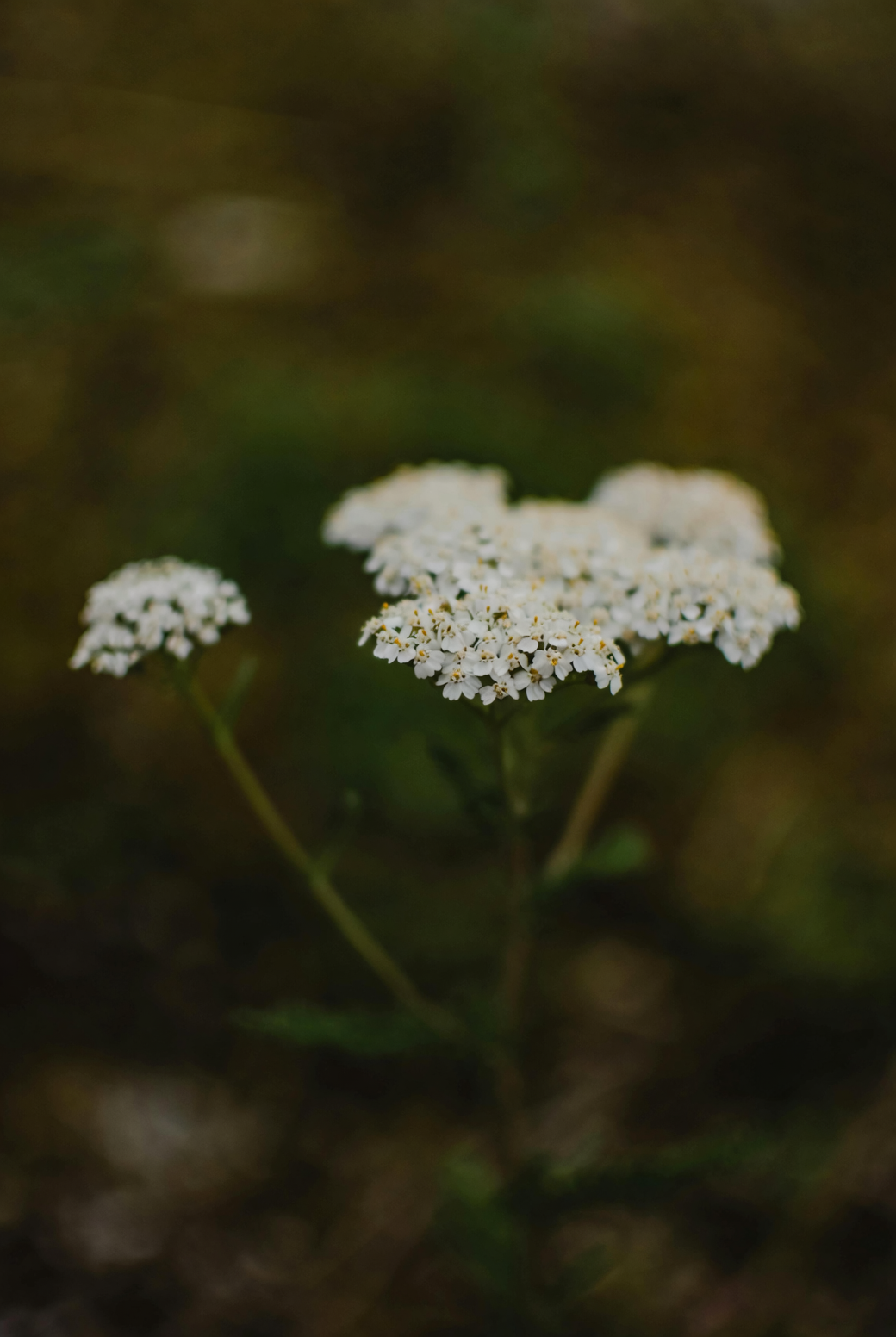
Yarrow, with its delightful aliases like Common Milfoil and Soldier’s Herb, is a perennial powerhouse native to the temperate zones of Asia, Europe, and North America. Its name, millefolium, means “thousand leaves,” a tribute to its finely divided, feathery foliage that resembles green lace. This intricate leaf pattern is not just a pretty face; it also gives the plant its unique texture and aromatic punch when crushed.
The Garden’s Evergreen Performer
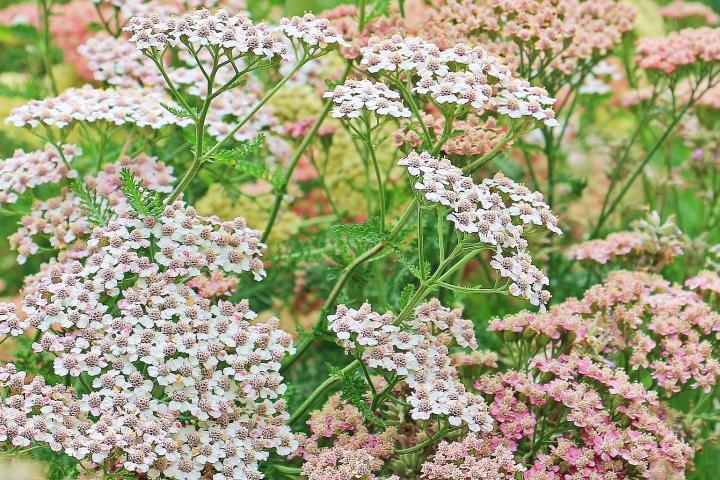
Whether you’re a green-thumbed veteran or a gardening newbie, yarrow is your go-to for a hassle-free plant that redefines durability. Standing tall at up to 1 meter (around 40 inches), it thrives in full sun but isn’t afraid of a little shade. Yarrow doesn’t just grow; it spreads with gusto thanks to its rhizomatous nature. It’s like the reliable friend who always shows up, year after year, with a charming bouquet of flat-topped flowers that range from the purest white to vibrant pinks and reds.
Nature’s Blue-Tinted Potion
Ever heard of a flower with blue essential oil? Yarrow is the star of this botanical oddity. When distilled, its essential oil turns a striking deep blue, thanks to a compound called chamazulene. This isn’t just a visual quirk; chamazulene is celebrated for its anti-inflammatory properties, making the oil a sought-after addition in holistic health circles.
A Bird’s Nest Secret
In the avian world, yarrow has a secret admirer: the starling. These clever birds are known to line their nests with yarrow leaves. It’s not just for aesthetics; yarrow’s pungent scent is believed to repel parasites, giving these feathered architects a healthier brood. It’s like nature’s version of pest control with a floral twist!
A Legacy of Healing
Yarrow’s storied past is as rich as its diverse applications. From the battlefields of ancient Greece, where Achilles used it to heal soldiers’ wounds, to the folklore of Indigenous cultures and European herbalists, yarrow has been a staple in traditional medicine. Crushed leaves were applied to wounds, while teas brewed from its dried foliage were used to soothe colds and fevers. While its medicinal uses are legendary, modern users should exercise caution and consult professionals before diving into DIY remedies.
Beyond the Garden: Yarrow’s Unconventional Roles
Yarrow isn’t just a garden gem; it’s a multitasker! Historically, it was a key ingredient in gruit, an ancient beer blend before hops took over the brewing scene. Wool dyers also cherish it for crafting hues that range from greens to yellows, depending on the mordant used. And for the crafty among us, yarrow stems have been repurposed into everything from pick-up sticks to divination tools.
A Plant with Heart and Soul
In the language of flowers, yarrow symbolizes healing, protection, and enduring love—apt for a plant so deeply entwined with human history and survival. It’s this blend of toughness and tenderness that has endeared yarrow to gardeners and herbalists alike.
Whether you’re enticing pollinators to your yard, crafting a sustainable landscape, or simply reveling in the beauty of its blooms, yarrow is a versatile companion. Perhaps it’s time to let this fascinating fernlike friend find a place in your garden—and your heart. After all, who wouldn’t want a plant that’s been a steadfast ally across continents and centuries?