Unveiling the Mystique of Yarrow: From Myth to Modern Gardens
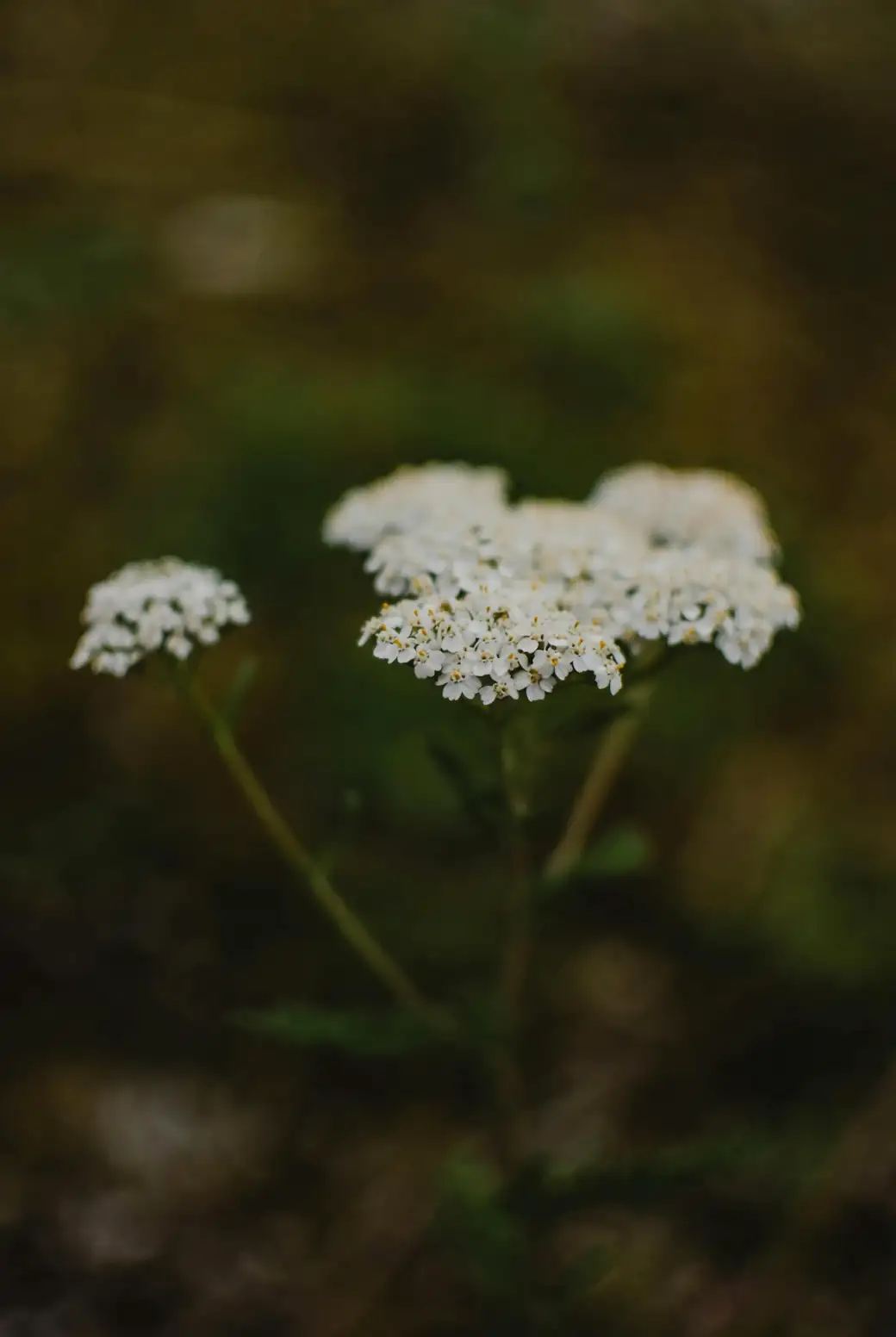
Have you ever strolled through a meadow, only to be captivated by a cluster of delicate, flat-topped white or pink flowers swaying gently in the breeze? You may very well have encountered yarrow, or as it’s formally known, Achillea millefolium. This seemingly modest plant boasts a legacy as rich and varied as the lands it graces. From its ancient mythological connections to its modern-day uses, yarrow is a botanical wonder with stories to tell.
Yarrow in Myth and Legend: Achilles’ Herb
The tale of yarrow begins in the realm of Greek mythology. According to legend, Achilles, the hero famed for his role in the Trojan War, was taught to use yarrow by the wise centaur Chiron. Achilles purportedly used this herb to treat his soldiers’ wounds on the battlefield, earning it the moniker “Herba militaris” or “Soldier’s Herb.” The genus name Achillea pays homage to this legendary figure, highlighting the plant’s long-standing association with healing and protection.
But yarrow’s mythological roots stretch beyond Greece. In Norse tradition, it is linked with the goddess Freya, and in other European folklore, yarrow is considered a protective charm against evil. Its presence in Neanderthal burial sites suggests that humans have recognized its value for millennia, using it for both practical and ceremonial purposes.
A Journey Across Continents
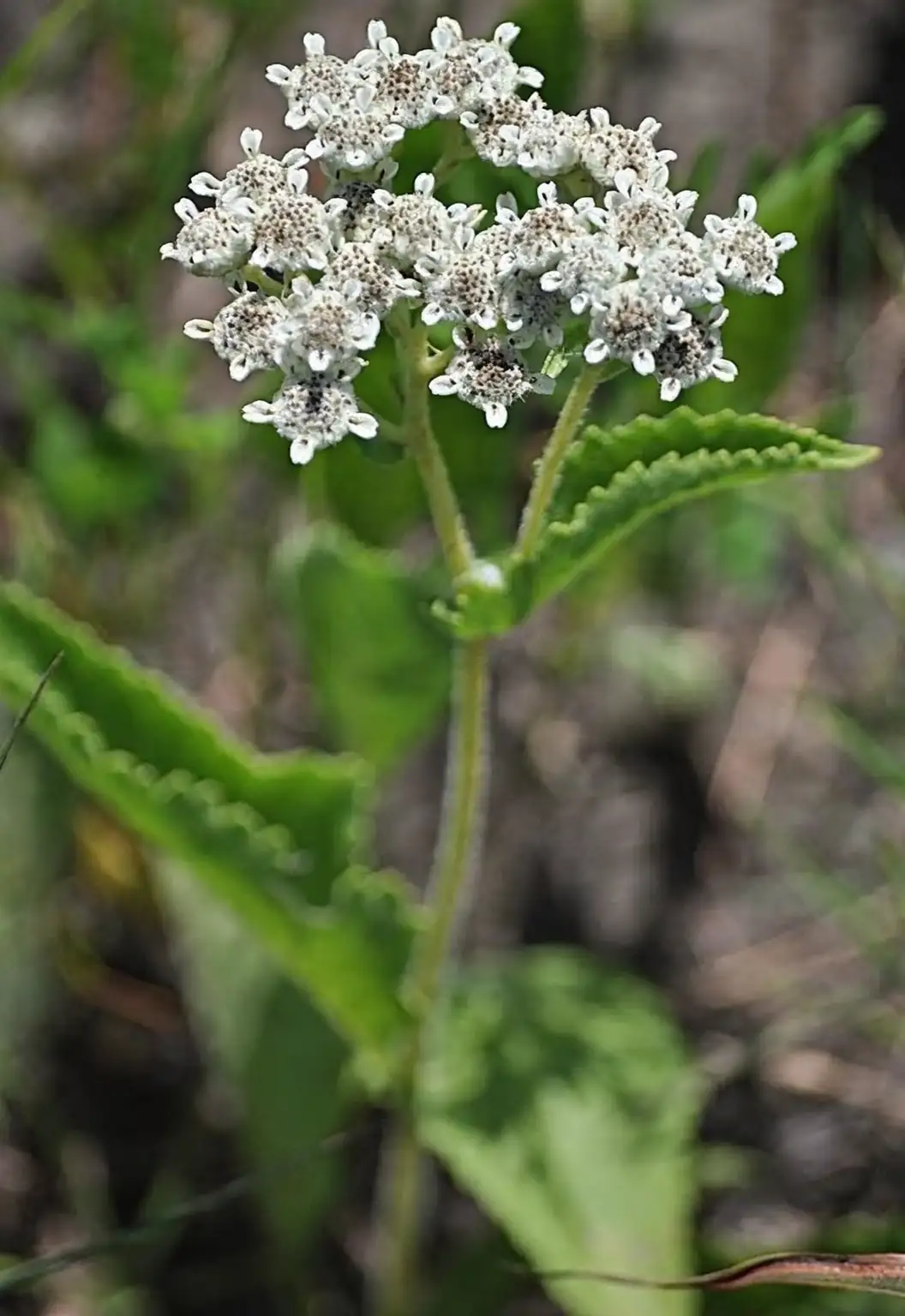
Yarrow’s native range includes the temperate regions of the Northern Hemisphere, spanning Asia, Europe, and North America. Its adaptability has allowed it to thrive in a variety of climates and soils, from the loamy fields of Europe to the rugged terrains of North America. As settlers moved across continents, they brought yarrow with them, further spreading its reach. In places like New Zealand and Australia, it was introduced as a drought-tolerant pasture plant, illustrating its versatility and resilience.
The Botanical Marvel: Distinctive Characteristics
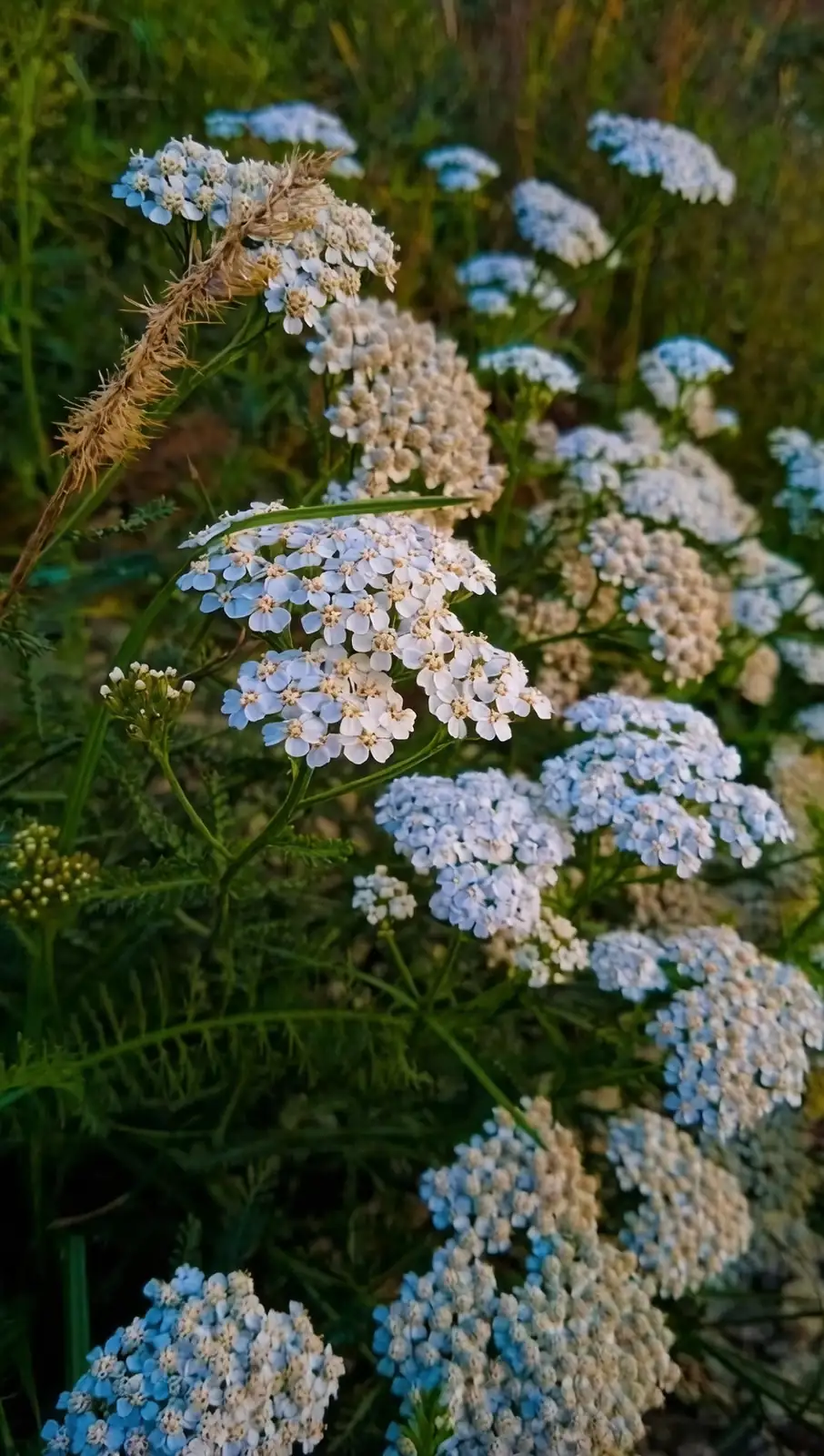
Yarrow is more than just a pretty face in the garden. Its finely divided, fernlike foliage gives it a delicate, lace-like appearance, while its aromatic leaves release a pungent scent when crushed. These characteristics are not just for show; the plant’s structure and aroma have practical implications, from attracting pollinators like butterflies and bees to providing medicinal benefits.
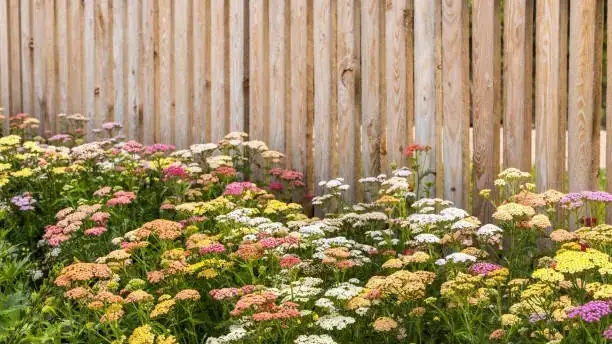
Its flowers, which bloom from March to October, are a testament to its enduring allure. The clusters of small, daisy-like heads can be white, pink, or even vibrant shades of red and yellow, depending on the cultivar. This diversity makes yarrow a favorite among gardeners seeking both aesthetic and ecological benefits.
Yarrow in the Garden: Cultivation and Care
For those looking to invite yarrow into their gardens, you’ll be pleased to know it’s a low-maintenance perennial. Once established, it exhibits remarkable drought tolerance and thrives in poor to average soils. To maximize blooming, plant yarrow in full sun and ensure well-drained soil. While it can handle partial shade, too little sun can result in leggier plants with fewer blooms.
Yarrow’s resilience extends to its care routine. Regular watering is crucial during the establishment phase, but once settled, it requires minimal attention. A light compost dressing in spring and occasional deadheading to encourage repeat blooming are usually sufficient. With its easy-going nature, yarrow is an ideal choice for new gardeners and seasoned green thumbs alike.
From Healing Herb to Modern Uses
Throughout history, yarrow has been celebrated not only for its beauty but also for its healing properties. Its role in traditional medicine spans cultures and continents, used as an anti-inflammatory, astringent, and digestive aid. While it remains a staple in herbal medicine today, it is important to approach its use with caution, especially during pregnancy or without professional guidance.
Beyond its medicinal applications, yarrow finds roles in the culinary and craft worlds. Historically used in brewing and dyeing, its versatility extends to contemporary uses in erosion control and as a companion plant, thanks to its deep roots and nutrient-rich foliage.
A Symbol of Endurance and Healing
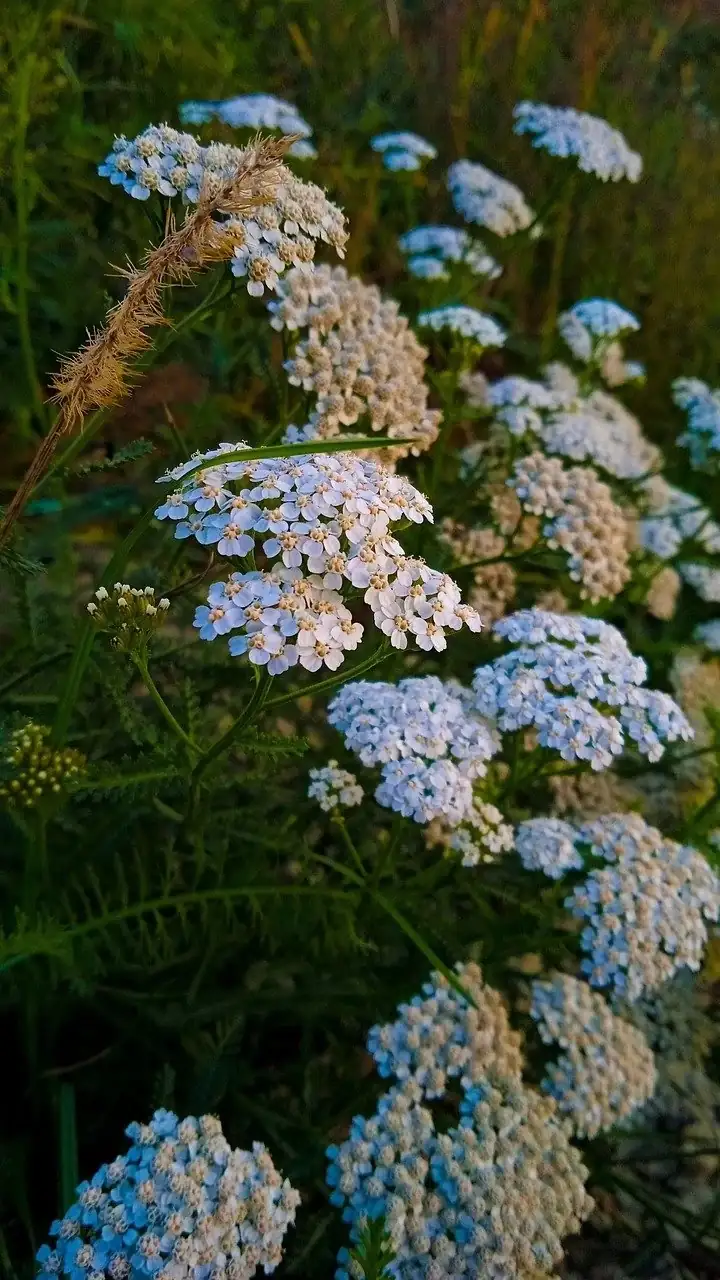
In the language of flowers, yarrow symbolizes healing, protection, and enduring love. Its storied past and practical benefits make it a perennial favorite in gardens and herbal traditions alike. As you plant or admire yarrow, consider the centuries of history entwined with each stem—an enduring testament to the plant’s resilience and the human spirit’s quest for healing.
Whether you’re a gardener, a history enthusiast, or someone with a love for mythology, yarrow offers a trove of stories and uses waiting to be discovered. So next time you find yourself in a meadow or garden, take a moment to appreciate this humble yet profound plant—a living link to our shared past and a symbol of enduring resilience.