
Discovering the Enigmatic Journey of Catnip: From Ancient Roots to Modern Gardens
Imagine a plant with the power to transform your garden into a haven for both pollinators and playful feline visitors. Enter Nepeta cataria, more affectionately known as catnip. This unassuming member of the mint family, Lamiaceae, has captivated humans and cats alike for centuries. But how did catnip, a plant with roots in Europe, Asia, and North Africa, come to be such a beloved part of gardens worldwide? Let’s unravel the story of catnip, from its historical roots and cultural significance to its present-day role in gardens and cat toys.
Ancestral Habitats and Historical Footprints
Catnip’s journey began in the temperate landscapes of Europe, Southwestern and Central Asia, and North Africa. As a perennial herb, it thrived in these regions, where it was likely first cultivated for its medicinal properties. Historical records suggest that ancient Romans were among the early adopters of catnip, using it in their herb gardens for both culinary and medicinal purposes. The ancient city of Nepeta, known for its abundance of the plant, might even have lent its name to the species.
As the centuries rolled on, catnip’s reputation as a soothing herbal remedy spread far and wide. In the Middle Ages, it was a staple in European folk medicine, often brewed into a calming tea. Folklore even whispered of its ability to ward off ill fortune when hung by doorways. Could it be that some of these superstitions were inspired by the plant’s enchanting effect on cats?
Crossing Oceans: Catnip’s Global Voyage
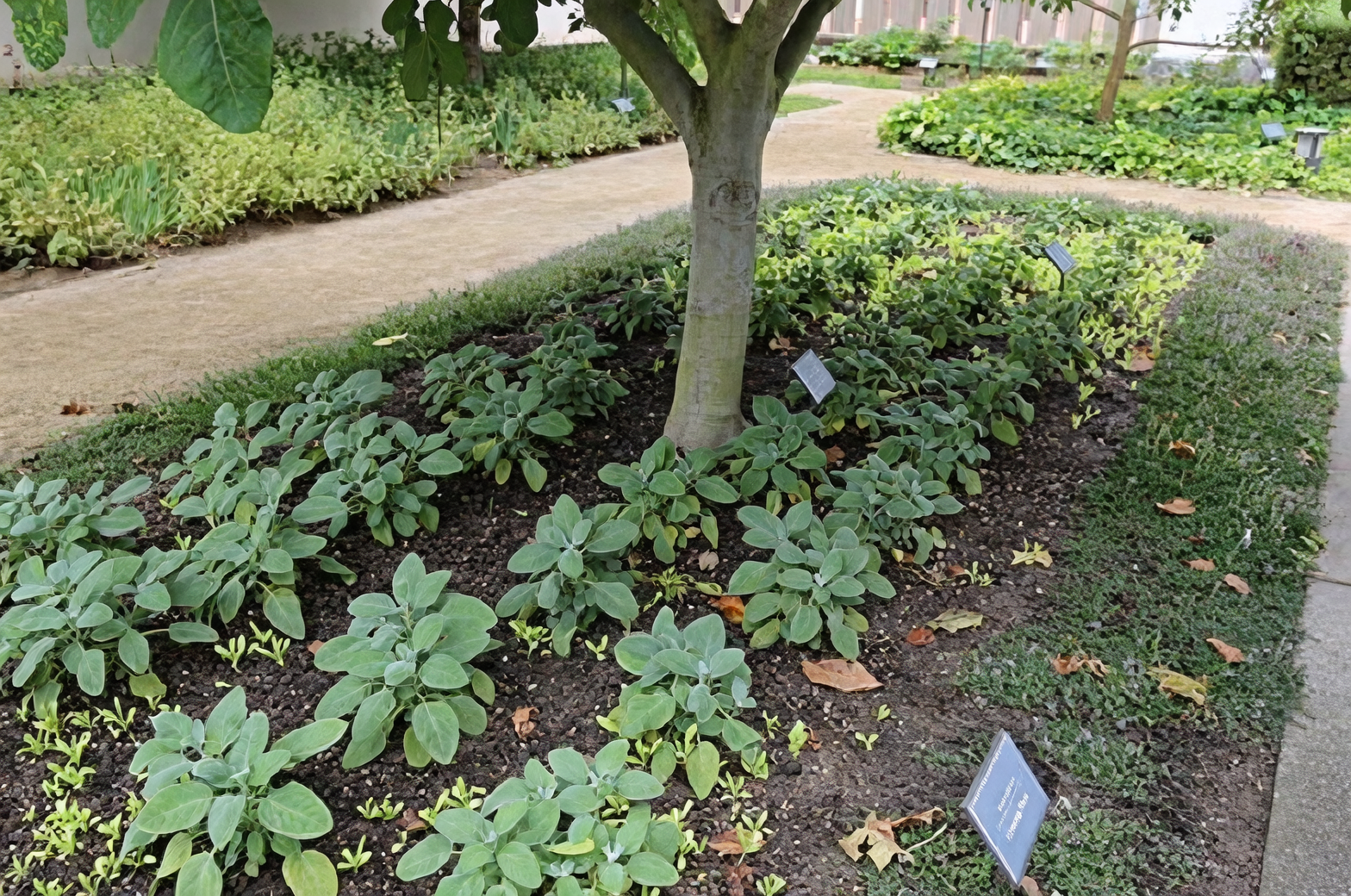
The cross-continental voyages of explorers and traders in the 18th century carried catnip across the Atlantic to the New World. American colonists quickly embraced the herb, incorporating it into teas and even ales. By the 19th century, catnip had firmly rooted itself in North America, where it began to naturalize in the wild.
With modern scientific advancements, the mystery of catnip’s allure to cats was unveiled in 1941 when researchers isolated nepetalactone, the compound responsible for the euphoric response in our feline friends. This discovery not only deepened our understanding of cat behavior but also spurred the development of catnip products that are now ubiquitous in pet stores.

The Allure of Catnip in the Modern Garden
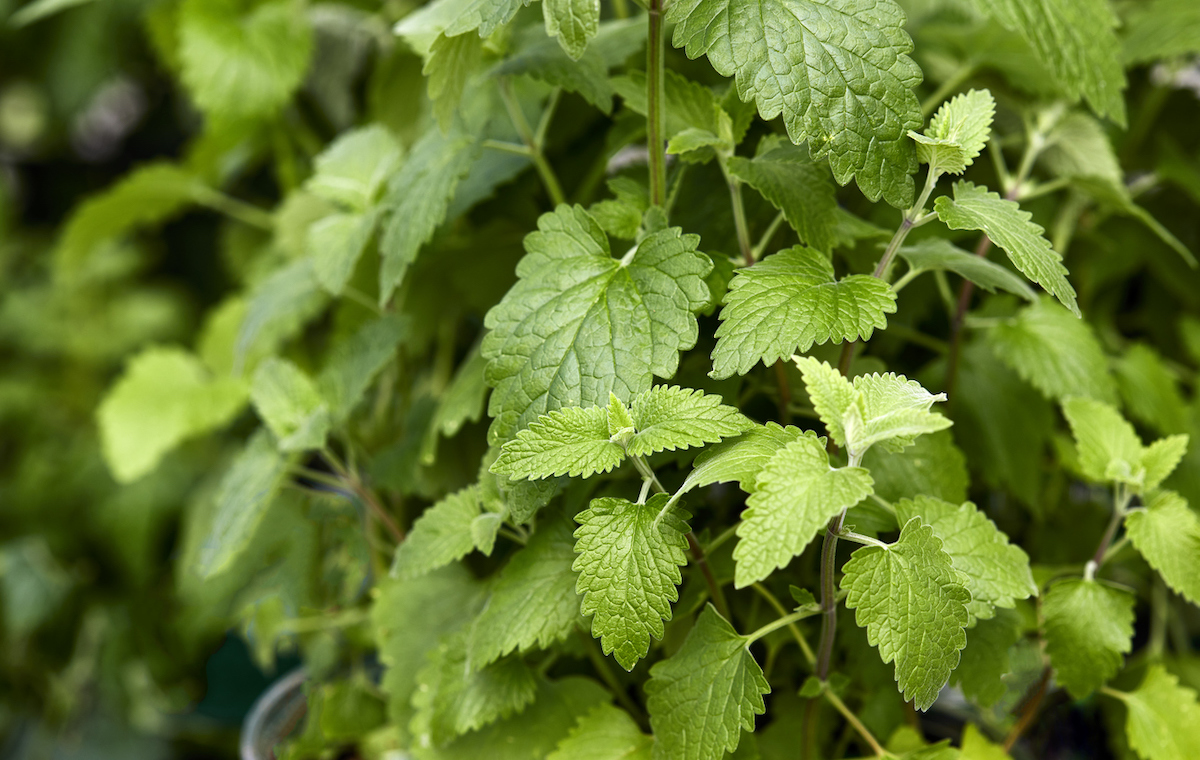
Today, catnip’s appeal extends far beyond its effect on cats. Its gray-green, slightly fuzzy leaves and delicate white flowers speckled with pale purple make it a charming addition to any garden. It’s a plant that’s easy to grow—thriving in full sun and well-drained soil—and is drought-tolerant, making it a gardener’s dream. Not to mention, its ability to attract pollinators like bees adds to its ecological value.
Catnip also plays a role in pest management. The nepetalactone that delights cats is a natural mosquito repellent, providing gardeners with a fragrant, eco-friendly solution to pesky insects. Whether planted in borders, containers, or “cat-friendly” yards, catnip serves multiple purposes—ornamental, functional, and playful.
Symbolism and Cultural Significance
Throughout history, catnip has symbolized comfort, happiness, and a gentle kind of love. Its presence in gardens is more than just a nod to its beauty and utility; it’s a tribute to the plant’s rich cultural legacy. From ancient civilizations to modern households, catnip continues to weave its magic, offering a sense of cozy calm and delight.
The Magic Behind the Madness
Why do cats love catnip so much? It’s all about the nepetalactone. When a cat encounters catnip, this compound binds to receptors in their nose, triggering a temporary euphoric response. Cats might roll, purr, or even engage in playful antics, but fear not—this delightful high is short-lived, usually lasting only about 10-15 minutes.
Not all cats respond to catnip, though. Sensitivity is hereditary, and only about 50-70% of domestic cats exhibit a reaction. Interestingly, big cats like lions and tigers can also enjoy a similar experience, linking the humble catnip to majestic creatures across the animal kingdom.
Embracing Catnip in Your Life
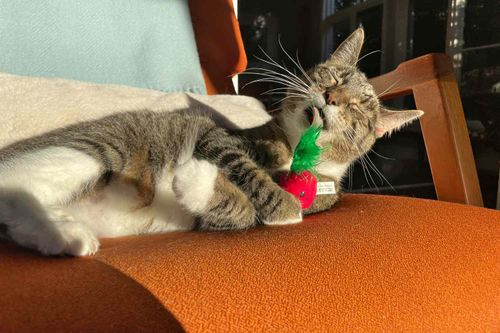
For the cat lover, introducing catnip to your garden or home is a surefire way to enchant your furry friends. Whether you’re crafting homemade toys filled with dried leaves or planting a patch in your backyard, catnip promises joy and engagement for your pets.
For the gardener, catnip offers the satisfaction of a low-maintenance, versatile plant that supports biodiversity and adds a touch of whimsy to your outdoor space. With its storied past and enduring charm, catnip truly deserves its place in gardens worldwide, where it continues to captivate both humans and their feline companions.