Unlocking the Secrets to a Healthy Pachira Aquatica: Combatting Pests and Diseases
The Pachira aquatica, more commonly known as the Money Tree, isn’t just a delightful addition to any indoor garden; it’s a plant steeped in symbolism and charm. Its braided trunks and glossy, palmate leaves have made it a beloved staple in homes and offices worldwide. But, like all good things in life, it occasionally faces challenges. Learn how to identify and treat common pests and diseases to keep your Money Tree thriving and full of vitality.
Recognizing the Culprits: Common Pests
Just like a well-tuned instrument can fall out of harmony, so too can your Pachira aquatica if it’s besieged by unwelcome guests. Here’s how to spot and manage some of the most common pests:
Spider Mites
These tiny arachnids thrive in dry conditions, making them a common nuisance for the Money Tree. Look for fine webbing and stippled, yellowing leaves.
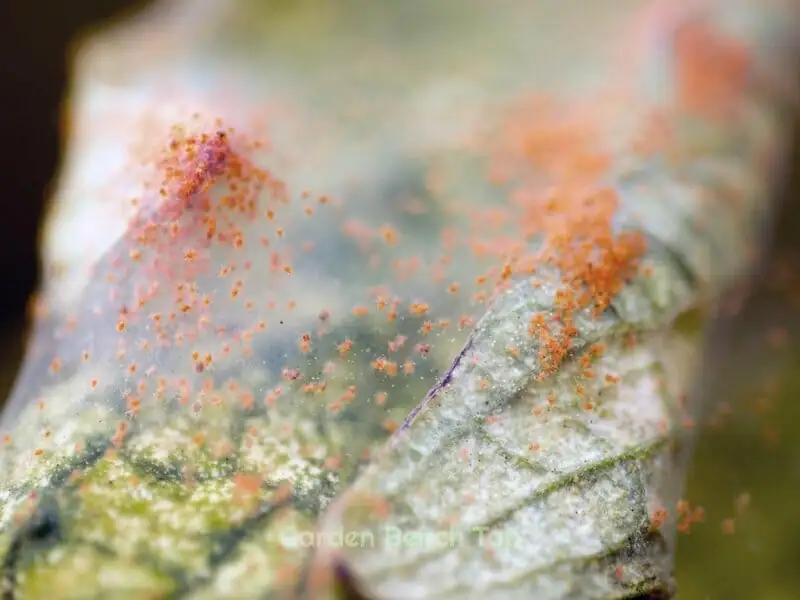
Solution: Increase humidity around your plant, as spider mites despise moist environments. Regularly wipe the leaves with a damp cloth and consider using insecticidal soap or neem oil for persistent infestations.
Mealybugs
These cottony pests can often be found nestled in the leaf axils and on stems. They suck the plant’s sap, leading to weakened growth and sooty mold.
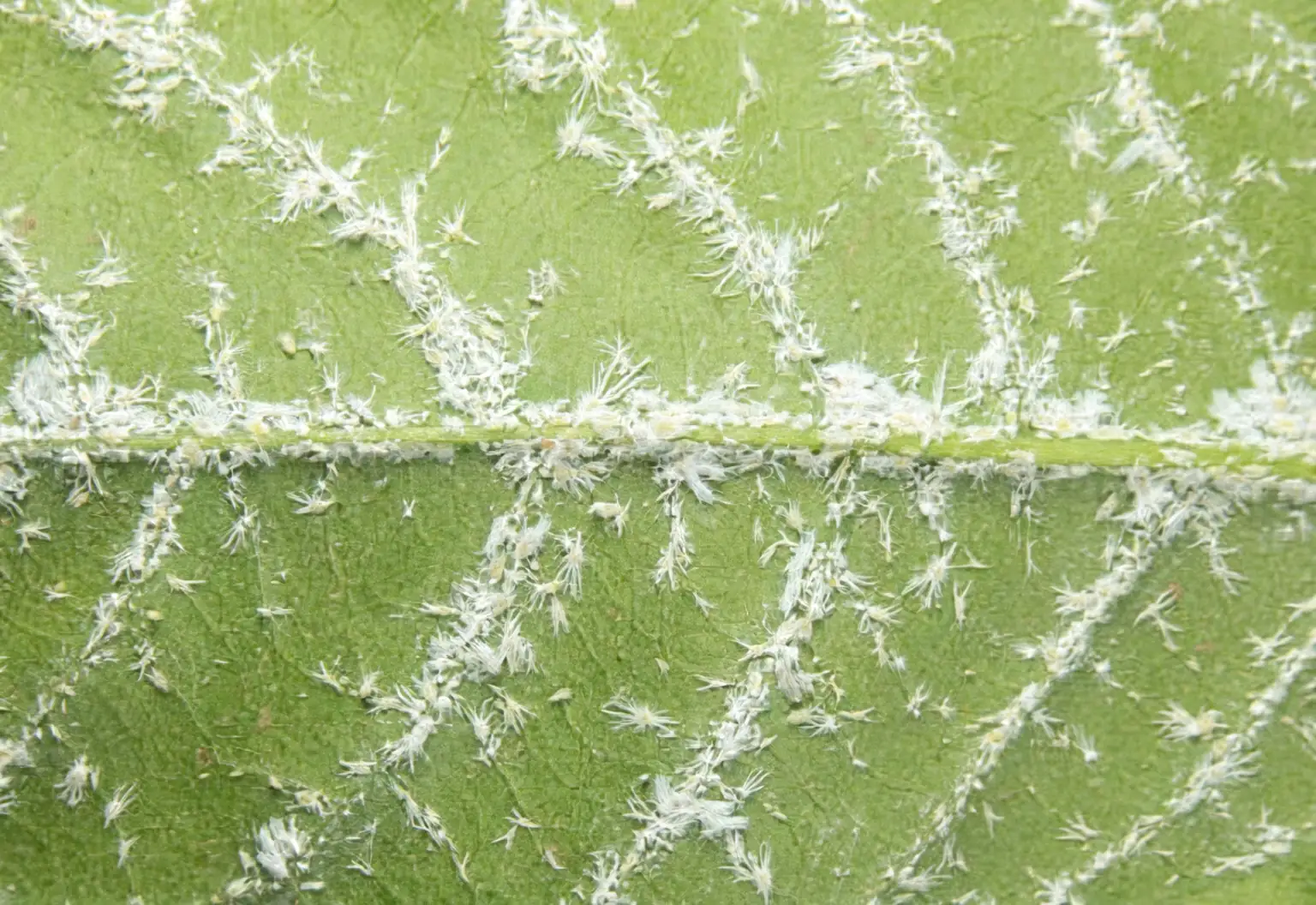
Solution: Remove mealybugs manually with a cotton swab dipped in alcohol. For severe cases, a systemic insecticide might be necessary.
Scale Insects
Scale insects appear as small, immobile bumps on leaves and stems. They also feed on sap, causing leaves to yellow and drop.
Solution: Gently scrape off scales with a soft toothbrush and treat with horticultural oil to suffocate any lingering pests.
Defending Against Diseases
A thriving Money Tree is a testament to good care. However, diseases can sometimes strike, usually due to environmental stressors.
Root Rot
Root rot is often the result of overwatering and poor drainage, leading to mushy roots and yellowing leaves.
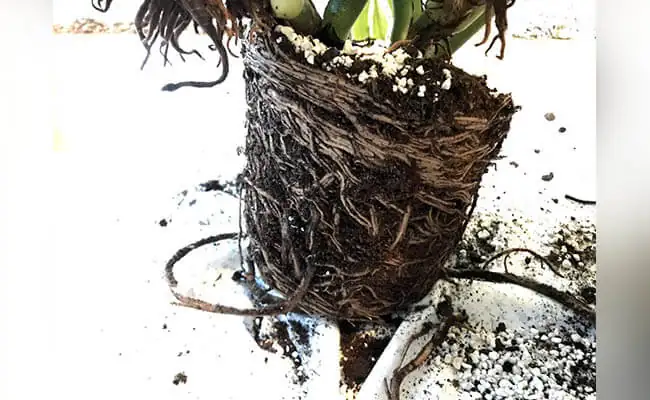
Solution: Check your watering routine—only water when the top 2–5 cm (1–2 in) of soil is dry. Ensure your pot has drainage holes and use a well-draining soil mix. If rot is severe, you may need to repot your plant, trimming away damaged roots.
Leaf Spot
Characterized by brown or black spots on the leaves, leaf spot can result from high humidity or water sitting on leaves.
Solution: Improve air circulation around your plant and water at the base rather than from above. Remove affected leaves promptly to prevent spread.
Keeping Your Money Tree Happy
Preventing pests and diseases starts with a robust care routine. Here are some expert tips:
- Light and Temperature: Place your Money Tree in bright, indirect light and maintain a temperature between 20-30°C (68-86°F). Avoid sudden temperature changes and cold drafts, which can stress the plant.
- Humidity: Moderate to high humidity is ideal. If your home is dry, consider using a humidifier or placing a water tray near the plant.
- Watering: Water thoroughly but infrequently, allowing the soil to dry out between waterings. This mimics the plant’s natural habitat in seasonally flooded wetlands.
- Fertilization: During the growing season, feed your plant with a balanced, water-soluble fertilizer every few weeks. But remember, less is more to avoid nutrient burn.
Conclusion
Your Pachira aquatica doesn’t just bring aesthetic appeal—it’s a harbinger of good fortune and harmony, especially when accompanied by the right care. By staying vigilant and addressing any issues with pests or diseases promptly, you can ensure your Money Tree remains a vibrant, healthy presence in your home. Remember, a little attention goes a long way in nurturing this remarkable plant, keeping it thriving and bringing positive energy to your space.