A Hands-On Guide to Propagating Lily of the Valley: Ensuring a Flourishing Garden for Future Springs
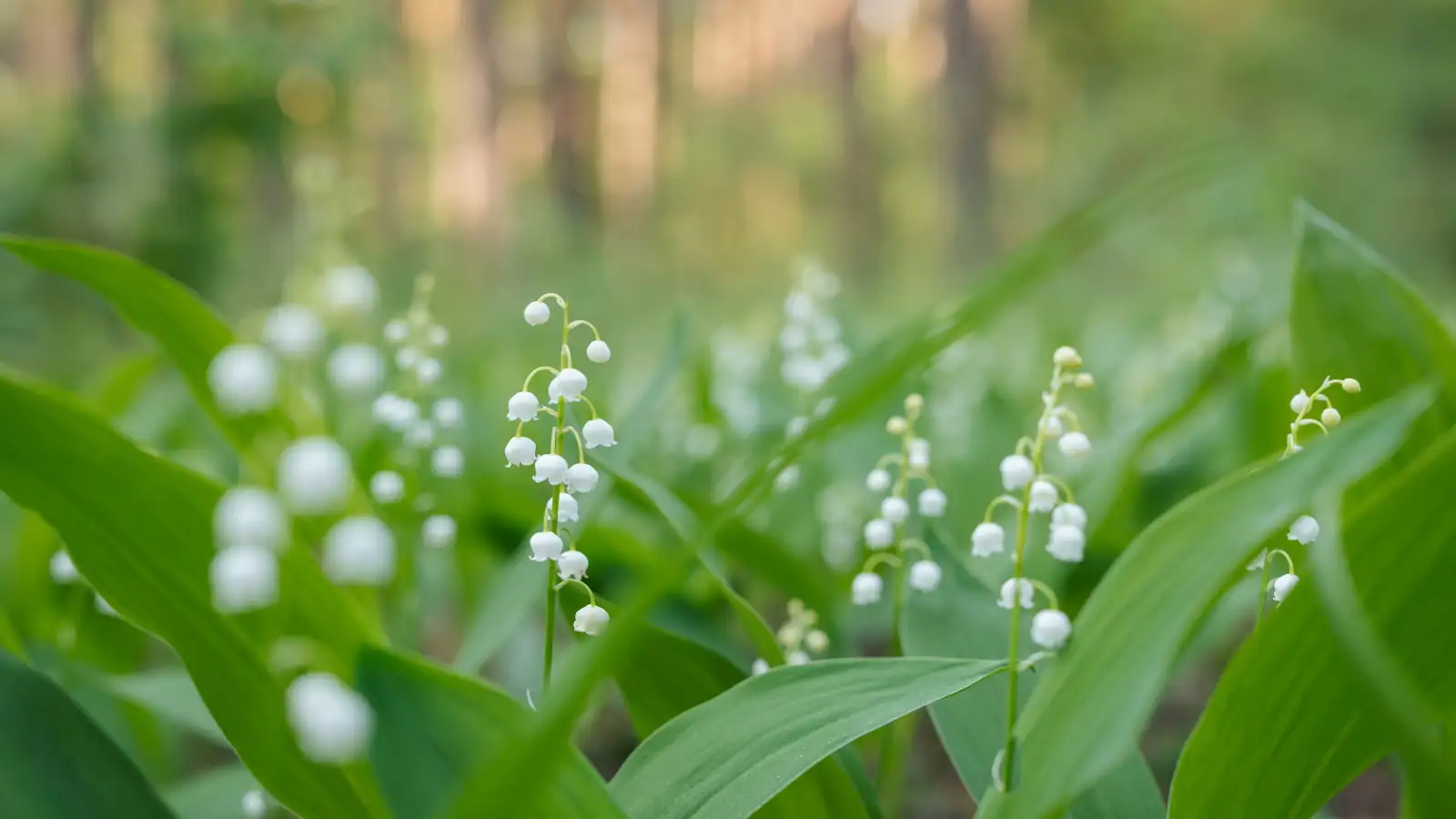
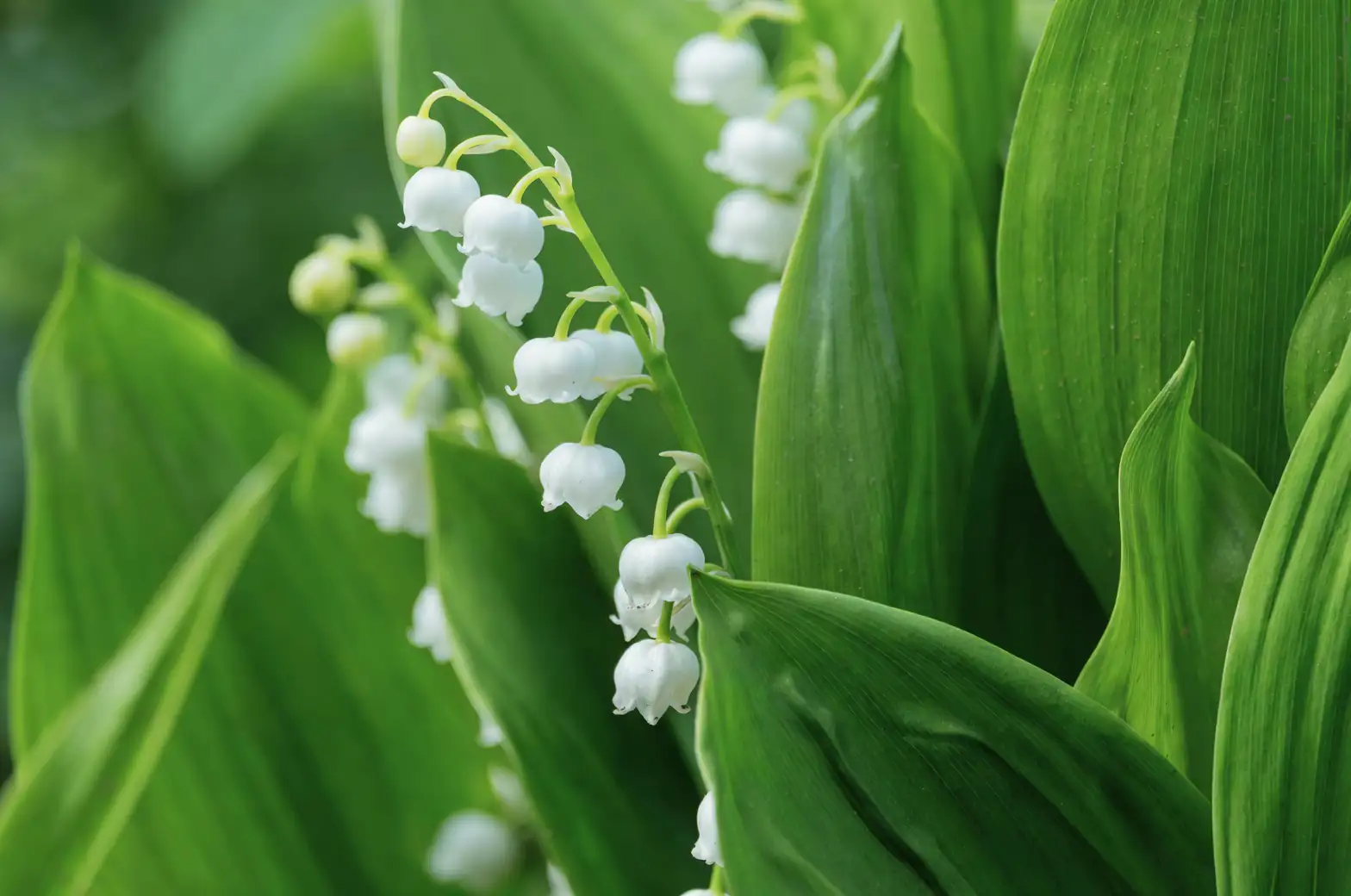
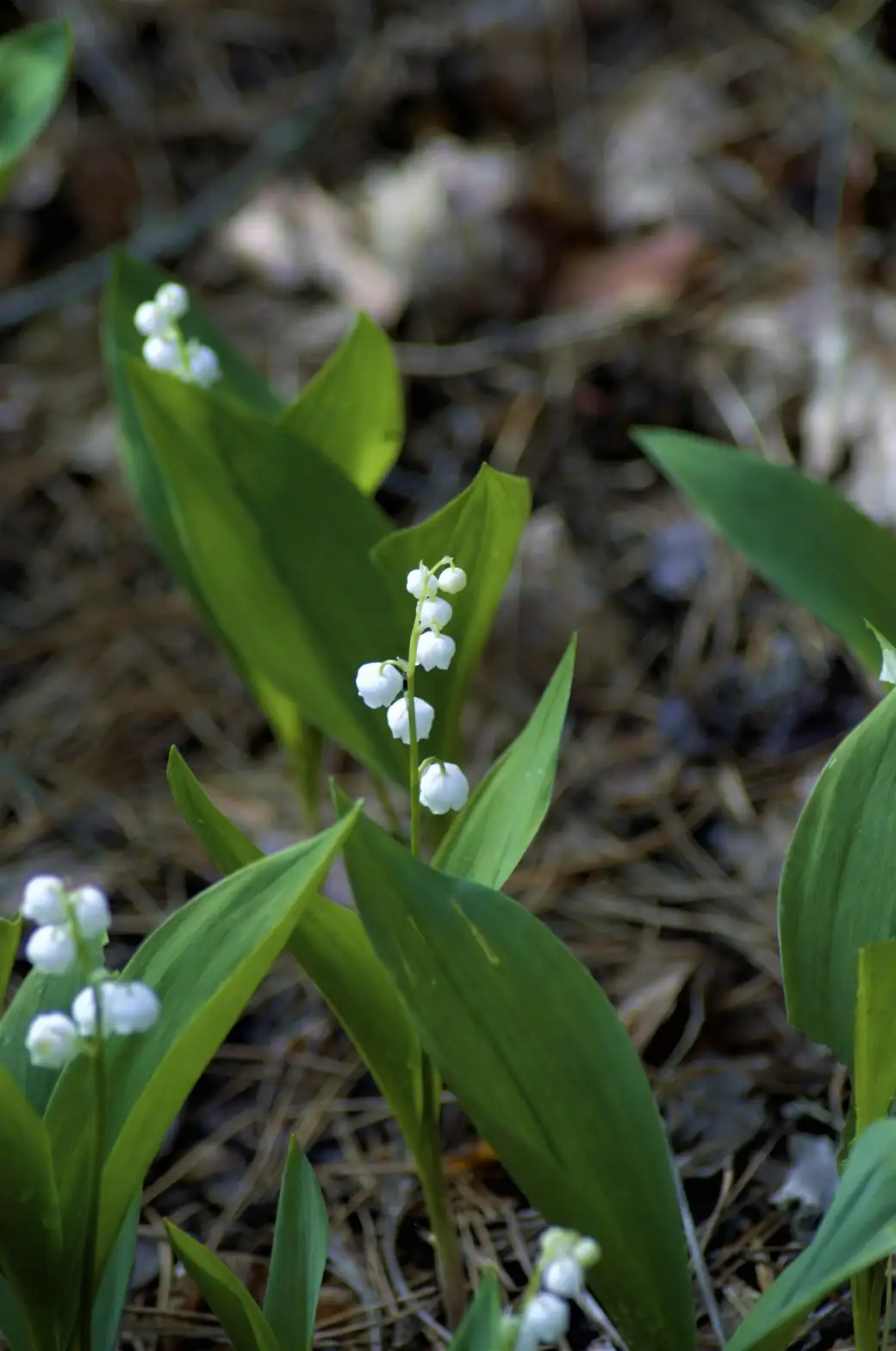
Imagine walking through a shaded woodland garden, your senses enveloped by the sweet, intoxicating aroma of delicate, bell-shaped blooms. This is the magic of Lily of the Valley (Convallaria majalis), a classic spring perennial that transforms any garden into a fragrant paradise. But how do you ensure that this enchanting plant continues to grace your garden year after year? The secret lies in mastering the art of propagation through division. Let’s delve into the step-by-step process of dividing and nurturing these charming plants, ensuring robust growth and a lush carpet of blossoms for seasons to come.
Understanding the Plant’s Nature
Before diving into propagation, it’s essential to get acquainted with Lily of the Valley’s growth habits. This shade-loving perennial thrives in cooler temperate regions and is well-known for its ability to spread through underground rhizomes. These rhizomes allow the plant to form dense colonies, making it both a delightful ground cover and, in some areas, a bit of a garden conqueror. While its creeping nature can be beneficial, it’s crucial to manage the spread to keep your garden well-balanced.
The Right Time for Division
Timing is everything when it comes to dividing Lily of the Valley. The optimal periods for division are either in early spring before new growth kicks into high gear or in the fall after the plant’s foliage has naturally died back. Both times offer the ideal conditions for the plant to settle and prepare for a burst of activity in the upcoming growing season.
Step-by-Step Division Guide
- Prepare Your Tools and Site: Ensure you have a sharp spade or garden fork, a pair of gloves (remember, all parts of the plant are toxic), and a place in your garden or containers with rich, well-drained soil.
- Lift the Rhizomes: Gently dig around the plant clump, taking care not to damage the rhizomes. Lift them from the soil, shaking off excess dirt to reveal the intricate network of roots and shoots.

- Divide the Rhizomes: Look for natural divisions in the rhizomes. Each division should have at least one healthy bud. Use a sharp, clean knife to cut the rhizomes if necessary, ensuring each piece is viable for planting.
- Replant with Care: Plant the divided rhizomes with the buds pointing upwards. Bury them about 2.5–5 cm (1–2 inches) deep, spacing each division 7.5–10 cm (3–4 inches) apart. This spacing allows enough room for them to spread without overcrowding.
- Water and Mulch: After planting, water the rhizomes thoroughly to settle the soil around them. Apply a light layer of mulch to retain moisture and protect against winter chill if you’re planting in the fall.
Nurturing New Growth
Once planted, Lily of the Valley requires minimal fuss. Here are a few care tips to ensure your newly divided plants thrive:
- Light Requirements: Position them in partial to full shade, ideally under deciduous trees where they can benefit from dappled sunlight.
- Watering Needs: Keep the soil consistently moist during the active growing season, but be cautious of overwatering, especially in pots.
- Feeding and Fertilizing: A yearly top-dress of compost is usually sufficient. For a nutrient boost, consider a balanced fertilizer in early spring.
Managing Spread and Invasiveness
While their spreading nature is part of their charm, Lily of the Valley can become invasive if left unchecked. To manage their spread:
- Use Barriers: Consider installing physical barriers around your planting area to contain their rhizomes.
- Regular Monitoring: Keep an eye on their growth and remove any rhizomes that venture too far beyond their intended area.
A Word of Caution
As beautiful as they are, remember that Lily of the Valley is highly toxic to both humans and pets. Always wash your hands after handling them, and consider using gloves during propagation to avoid any accidental ingestion of plant sap or parts.
The Symbolic Language of Lily of the Valley
In the language of flowers, Lily of the Valley symbolizes purity, humility, and the return of happiness. It’s a traditional wedding flower, revered for its hopeful meaning and enchanting fragrance. This symbolic language traces back to folklore and religious traditions, where it’s often associated with tales of tears—such as “Our Lady’s Tears” in Christian narratives—linking it to themes of renewal and joy.
Conclusion: A Blooming Future
By mastering the art of propagation through division, you can ensure that the sweet bells of Lily of the Valley continue to herald the arrival of spring in your garden. With careful attention to timing, planting, and ongoing care, these plants will reward you with their timeless beauty and fragrance, creating a serene and enchanting landscape that returns with happiness each year.