Discover Thyme’s Culinary Versatility
Imagine the sun-drenched landscapes of the Mediterranean, where the air is filled with the aroma of herbs. Among them, thyme (Thymus vulgaris) stands out, a small yet mighty herb known for its robust flavor and versatility in the kitchen. This herb, part of the mint family, is a staple in many classic recipes and has the remarkable ability to elevate the flavor profile of countless dishes. Let’s explore how thyme can transform your culinary creations from ordinary to extraordinary.
The Aromatic Powerhouse
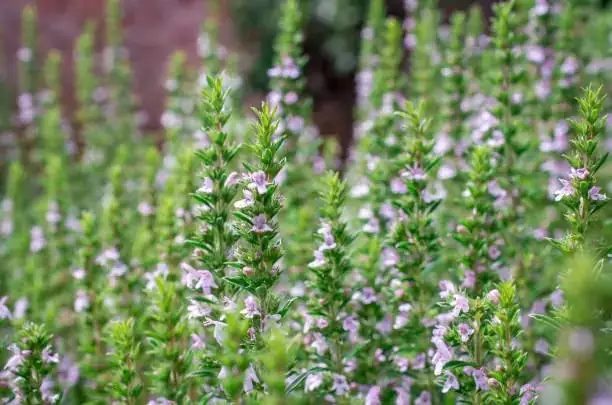
Thyme is more than just a pretty plant with delicate pink-to-lilac flowers that attract bees. Its tiny, evergreen leaves pack a punch of aromatic oils, especially thymol, a compound that gives thyme its signature warm, earthy, and slightly peppery flavor. This flavor profile makes thyme an essential ingredient in a variety of dishes, from hearty stews and soups to zesty marinades and savory breads.
Elevating Classic Recipes
Thyme’s culinary journey begins in the heart of traditional European cuisine. It’s a cornerstone of the classic bouquet garni—a bundle of herbs used to infuse long-cooked dishes with deep, herbal notes. Picture a simmering pot of French onion soup, where thyme plays a crucial role in balancing the sweetness of caramelized onions with its earthy undertones.
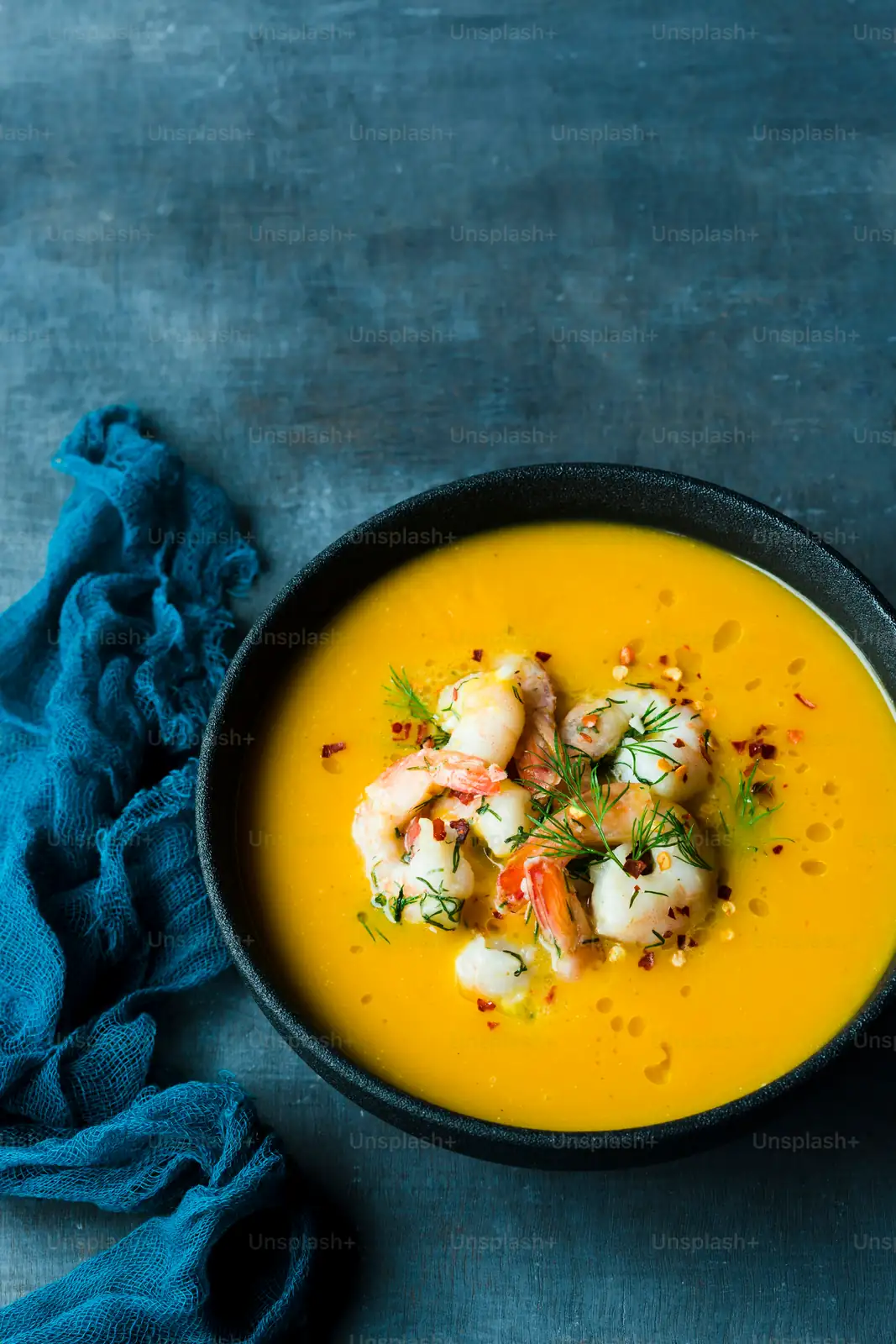
But thyme isn’t just for the classics. Its versatility shines in modern kitchens as well. Consider herb-roasted salmon, where a sprinkle of thyme complements the fish’s rich flavors, or lemon-thyme sorbet, a refreshing dessert that marries the herb’s subtle lemony hints with citrusy brightness. Thyme transforms these dishes, adding layers of flavor that linger on the palate.
Thyme in Everyday Cooking
Beyond the classics, thyme can be a secret weapon in your everyday cooking arsenal. It’s perfect for adding depth to vegetable dishes, like a simple sautéed zucchini or a hearty ratatouille. Its ability to harmonize with other herbs like rosemary and sage makes it a natural choice for seasoning roasted meats and poultry, such as a lemon-thyme roasted chicken that emerges from the oven succulent and fragrant.

For a touch of sweetness, try thyme-baked apple slices, a delicious side dish that pairs beautifully with pork or chicken. The thyme adds a surprising complexity to the apples’ natural sweetness, turning a simple dish into a memorable one.
Cultivating Thyme’s Flavor
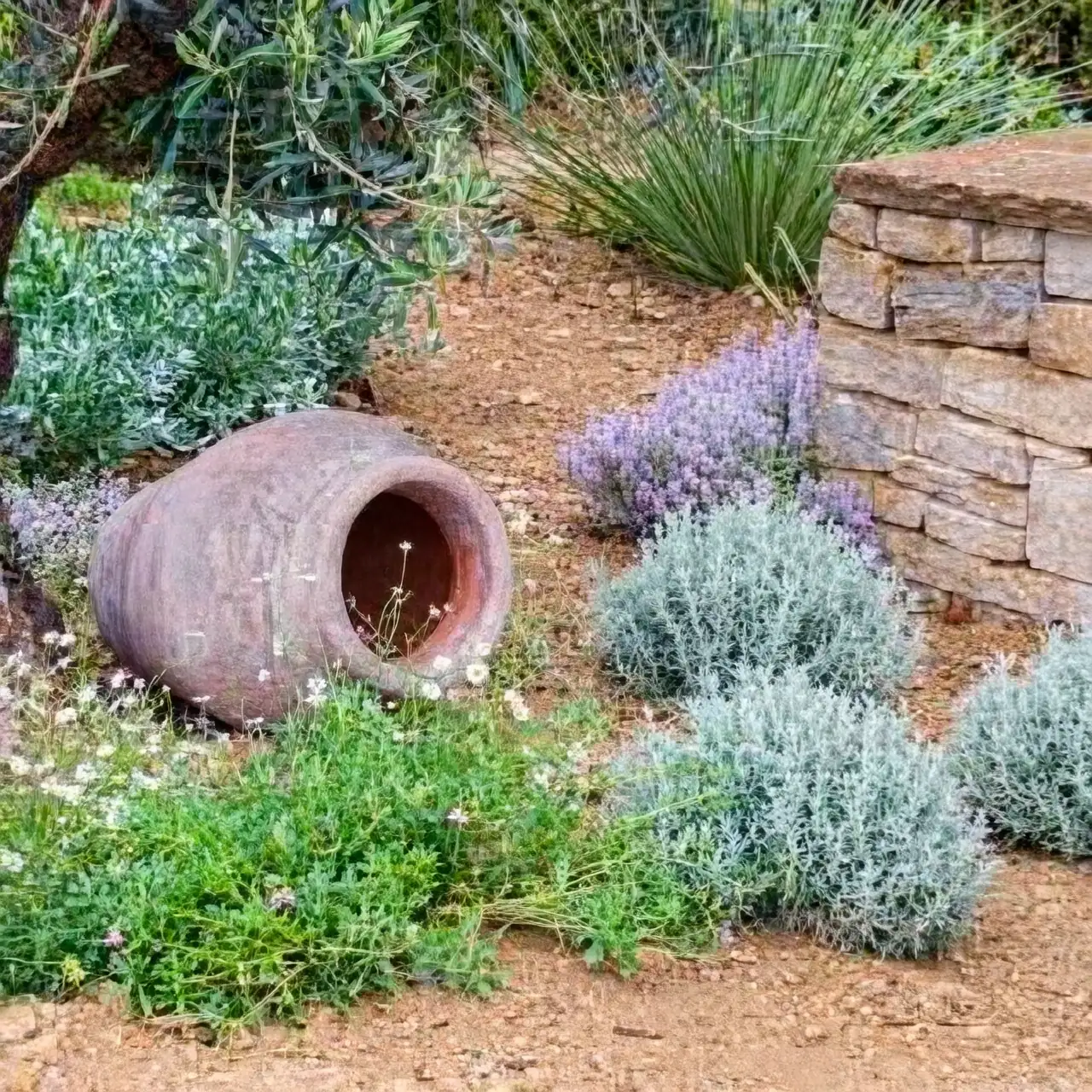
Growing thyme at home can be a rewarding venture. This drought-tolerant herb prefers full sun and well-drained soil, making it ideal for sunny balconies or rock gardens. Its care routine is as fuss-free as its cooking style—minimal watering and occasional pruning keep it thriving.
When harvesting thyme, aim for early morning, when the essential oils are most concentrated. Snip sprigs just before the plant flowers for the strongest flavor, and use them fresh or dry them for later use.

A Symbol of Courage and Protection
In addition to its culinary prowess, thyme carries a rich tapestry of symbolism. Traditionally, thyme has been associated with courage and protection. Ancient Greeks used it in baths and as incense in temples, believing it to imbue bravery. Medieval knights wore sprigs of thyme as a token of valor. Today, thyme continues to symbolize a clean, uplifting energy, perfect for fortifying both heart and home.
The Flavor of Versatility
Whether you’re a seasoned chef or a home cook, thyme offers endless possibilities to explore and savor. Its distinct flavor can turn a simple dish into something extraordinary, making it a must-have in your spice collection. So next time you’re in the kitchen, reach for thyme—your dishes will thank you with every aromatic bite.
With thyme on your side, the culinary possibilities are as abundant as a Mediterranean summer. Happy cooking!