Discovering the Enchantment of Thyme: A Journey Beyond the Kitchen
Few herbs capture the imagination quite like thyme, or Thymus vulgaris. This humble yet potent member of the Lamiaceae family is much more than a culinary staple; it is a treasure trove of history, culture, and ecological value. So, let us take a delightful detour through the lesser-known paths of thyme’s fascinating world, from its ancient uses to the modern-day wonders it continues to inspire.
A Historical Herb with Deep Roots
Have you ever wondered why thyme is associated with courage? The ancient Greeks believed that thyme could imbue bravery, often burning it as incense in their temples to invoke its invigorating spirit. Romans, on the other hand, spread thyme across Europe to purify their homes and flavor their foods. The herb’s journey didn’t stop there; in medieval Europe, thyme found its way under pillows to ward off nightmares. Women gifted it to knights, wishing them valor in battle—a testament to its enduring symbolism of strength and protection.

Thyme in the Kitchen: More Than Just a Spice
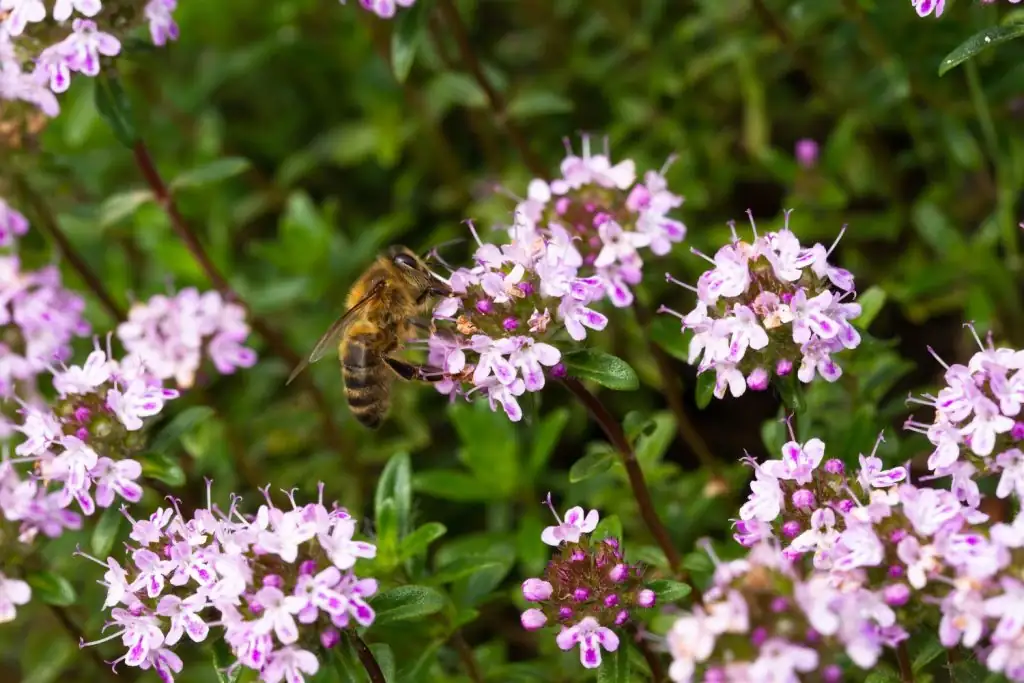
While thyme is renowned for its role in the kitchen, adding depth to soups, stews, and sauces, its culinary story doesn’t end at the dinner table. Have you tasted thyme honey? When bees visit thyme’s lilac blossoms, they create a honey that is rich and aromatic, prized for its unique flavor profile. Such delights remind us of the interconnectedness of nature and the subtle nuances that one plant can bring to our senses.
Thyme’s culinary versatility is further highlighted in blends like the French bouquet garni and the Middle Eastern za’atar. Its leaves, whether fresh or dried, transform dishes with earthy, slightly minty, and floral notes. Imagine the burst of flavor in thyme-roasted sweet potatoes—a simple yet satisfying dish that showcases its aromatic prowess.
The Science and Magic of Thyme
Why does thyme smell so captivating? The secret lies in its essential oils, especially thymol, which not only contributes to its robust aroma but also offers antiseptic and antifungal properties. Historically, these qualities made thyme a valuable component in remedies for respiratory and digestive ailments. Today, it continues to be a cherished ingredient in natural health practices.
Thyme also boasts a wealth of vitamins and minerals, including vitamins A, C, and B-complex, alongside calcium and iron. Its health benefits extend beyond the kitchen, making it a staple in both culinary and medicinal cabinets.

Growing Thyme: A Gardener’s Delight
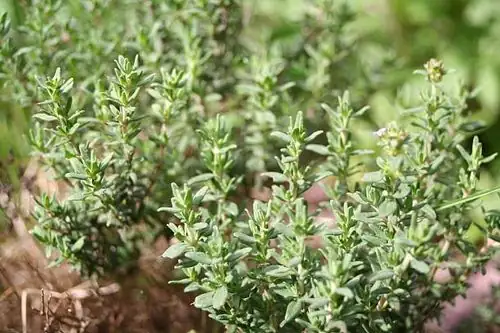
Thyme is the perfect companion for both seasoned and novice gardeners alike. Its resilient nature—thriving in full sun and well-drained soil—makes it a steadfast addition to any garden. Whether you’re planting it along a sunny path or in a rock garden, thyme’s evergreen charm and delicate flowers will reward you with beauty and bounty.
The plant’s low-growing, bushy habit forms dense mats that not only look lovely but also provide a nectar-rich feast for bees and other pollinators. Imagine your garden buzzing with life, all thanks to this unassuming herb.

Caring for Thyme: Simple Tips for Success
- Watering: Let the soil dry out between deep waterings to avoid root rot.
- Pruning: Lightly trim after flowering to encourage bushy growth and prevent woodiness.
- Fertilization: Minimal feeding is needed—thyme thrives in lean soil.
- Propagating: Easily done via seeds, cuttings, or division, thyme is a gift that keeps on giving.
Thyme’s Symbolism: Courage and Beyond
In the language of flowers, thyme is a symbol of courage and a clean, uplifting spirit. Its historical use as a protective and strengthening herb underscores its role in fostering resilience and positivity. This association with courage is not just a quaint relic of the past but a living testament to the plant’s enduring legacy.
Conclusion: Thyme as a Timeless Treasure
As we explore the multifaceted world of thyme, we see how this small herb has woven itself into the fabric of human culture, cuisine, and ecology. Whether you’re seasoning a stew, sipping thyme-infused tea, or simply enjoying its fragrant presence in your garden, thyme invites us to savor the richness of life’s simplest pleasures. In doing so, it reminds us that the most profound joys often grow quietly beneath our feet, waiting to be discovered.