A Journey Through Time With Thyme: From Ancient Rituals to Modern Kitchens
Imagine a plant so revered that it was once used to embalm pharaohs, inspire ancient warriors, and even ward off nightmares. Welcome to the fascinating history of Thymus vulgaris, or as you likely know it, thyme. This aromatic herb, native to the sun-drenched landscapes of the Mediterranean, has been cherished across cultures and centuries, evolving from mystical rituals to a staple in our spice racks.
Ancient Roots: A Herb of Courage and Mystery
Thyme’s story begins in the cradle of civilization. In ancient Egypt, it was a crucial ingredient in the embalming process, believed to offer protection and purity. The Greeks, too, held thyme in high esteem, using it in baths and temples as incense, linking its fragrance to courage and grace. To “smell of thyme” was, quite literally, an ancient expression of praise.

The Romans spread thyme throughout their empire, incorporating it into culinary and medicinal practices. They associated the herb with Venus, the goddess of love, and believed thyme could invigorate the spirit and body. As the Romans expanded their reach, thyme traveled with them, embedding itself into the culinary and cultural fabric of Europe.
Medieval Magic: Knights, Nightmares, and Nature
Fast forward to medieval Europe, where thyme found new expressions of symbolism and use. Women embroidered thyme onto scarves for knights heading to battle, a token of bravery and protection. It was also believed that placing thyme under pillows could prevent nightmares—a testament to its perceived protective powers.

During this period, thyme was used alongside honey as a remedy for respiratory ailments, a practice that nods to its essential oil, thymol, known for antimicrobial properties. In England, thyme was entwined with folklore, embodying the souls of the dead and planted on graves to ensure safe passage into the afterlife.
Culinary Renaissance: From Provence to Your Pantry
In the modern kitchen, thyme has shed much of its mystical aura but none of its utility. This herb is a linchpin in the bouquet garni and herbes de Provence, lending its earthy, slightly minty flavor to soups, stews, and roasts. Its ability to complement and enhance rich, fatty foods makes it a favorite among chefs and home cooks alike.
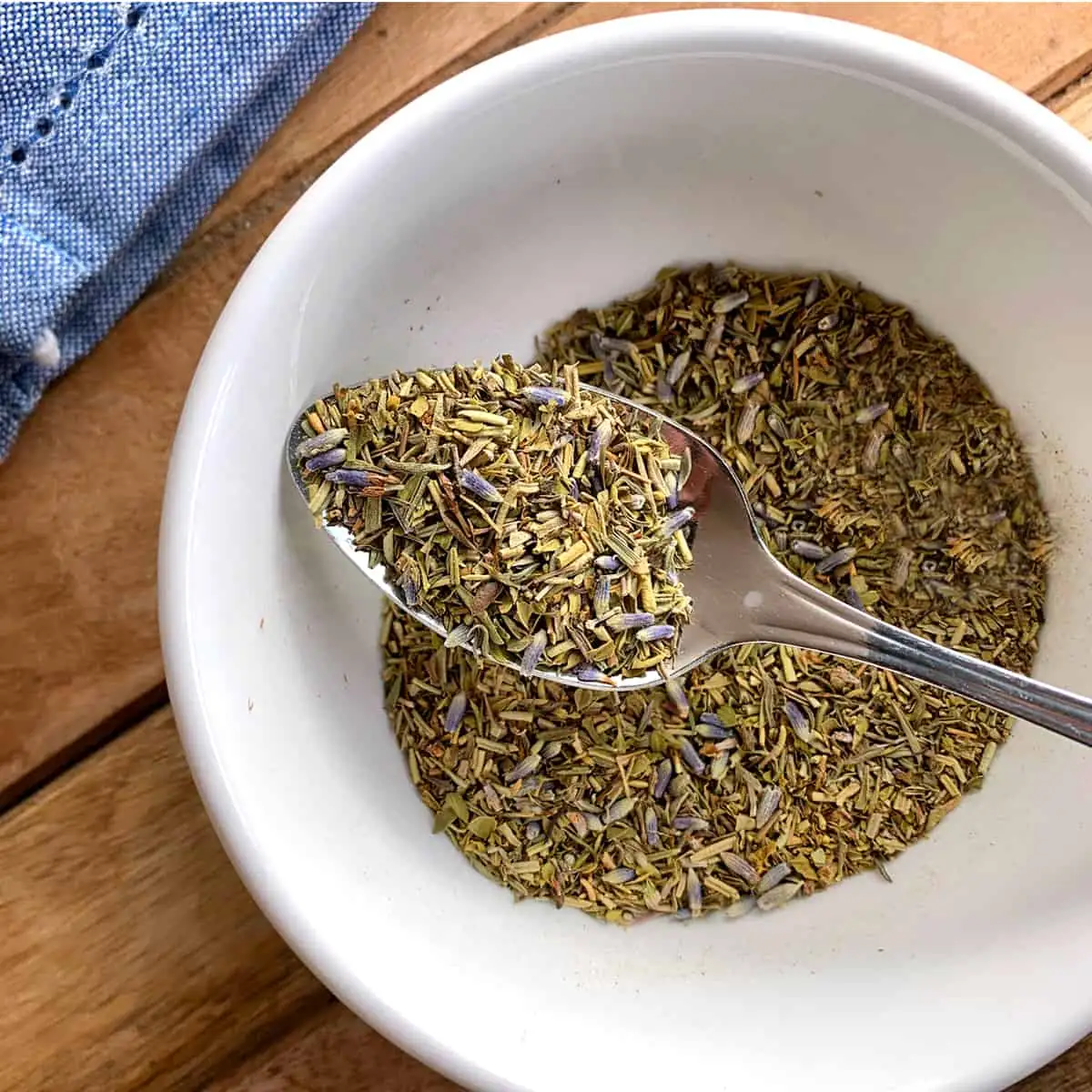
Thyme’s culinary versatility extends to its ability to be used fresh or dried, each form offering a unique intensity of flavor. Fresh thyme, with its vibrant aroma, is prized in summer dishes, while dried thyme holds its own in slow-cooked meals, infusing a potent, savory fragrance.
Growing Thyme: A Gardener’s Delight
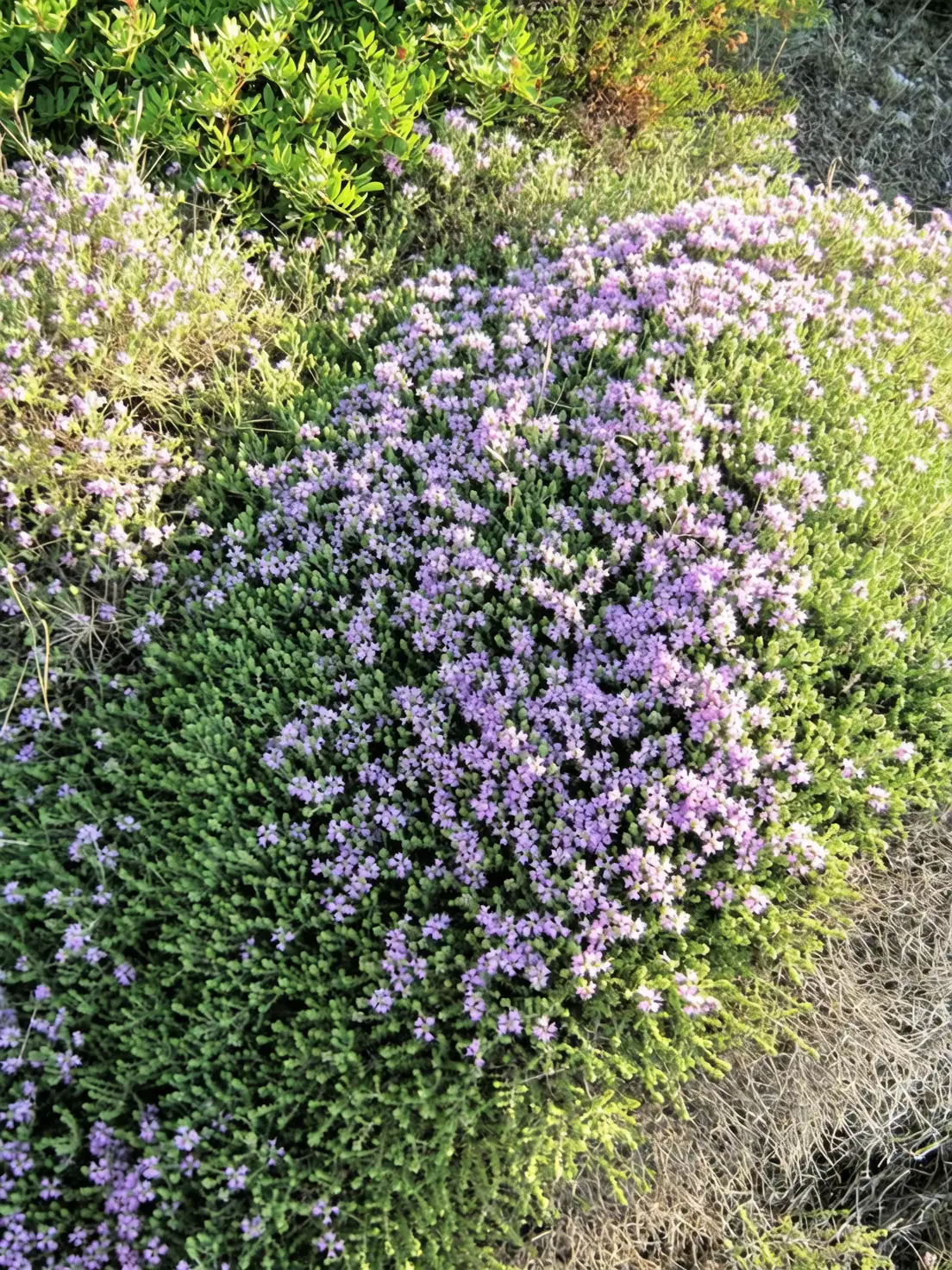
A sturdy survivor of Mediterranean climates, thyme is as beloved for its resilience as for its flavor. It thrives in full sun, in lean, well-drained soils, and is remarkably drought-tolerant once established. Thyme’s low-growing, bushy habit makes it perfect for edging paths, filling rock gardens, or spilling dreamily from containers.
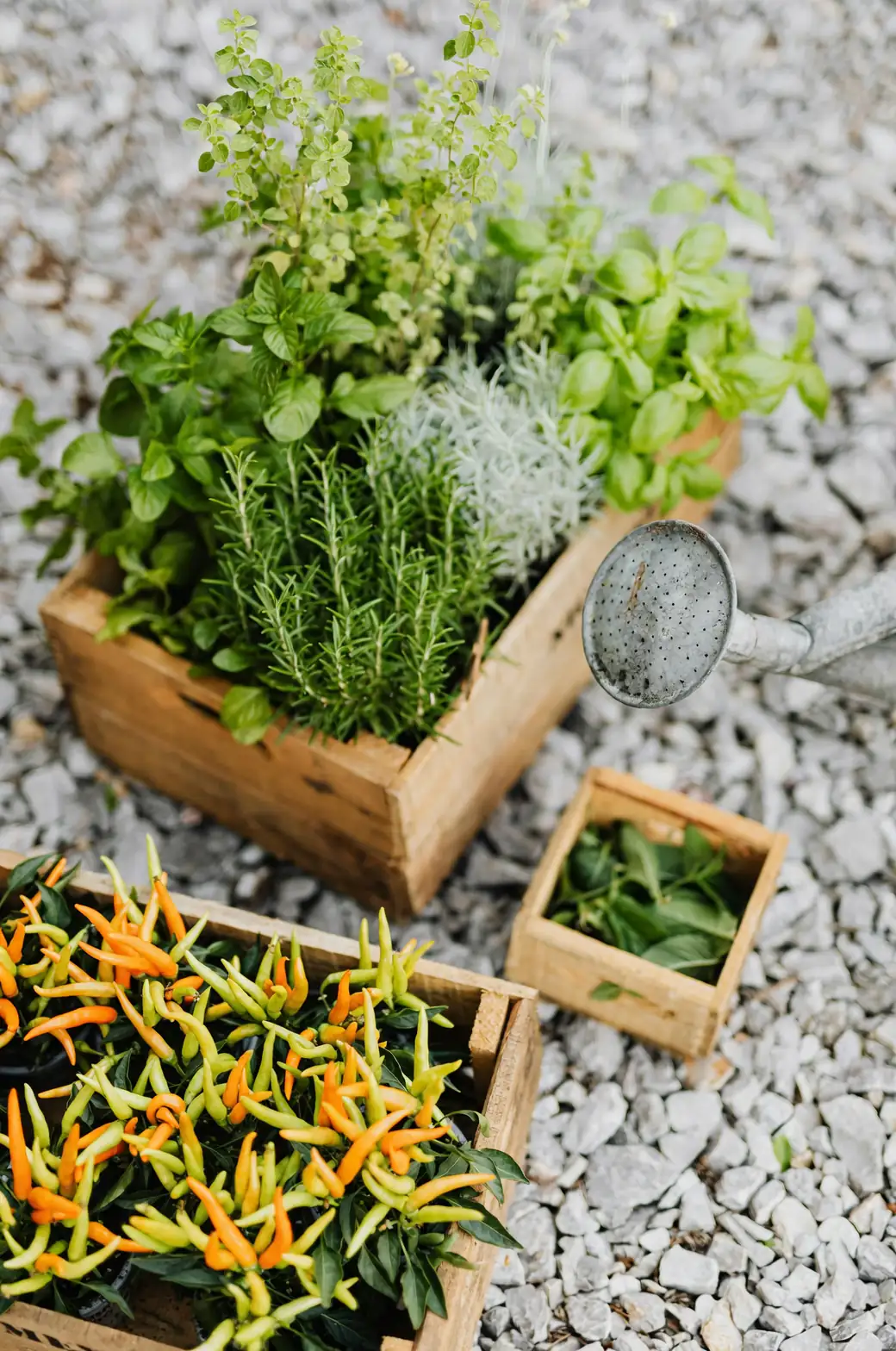
Planting thyme is straightforward, whether you’re starting from seeds, cuttings, or divisions. It requires minimal care—just ensure it has good drainage and resist the temptation to overwater. Thyme’s preference for dry conditions is a gardener’s dream, making it ideal for those who might forget a watering or two.
Thyme Today: Beyond the Kitchen
Beyond its culinary uses, thyme continues to play a role in traditional medicine, thanks to thymol, which finds its way into antiseptics and mouthwashes. As a garden plant, it attracts pollinators like bees and butterflies, making it a valuable companion plant that can naturally discourage certain pests.
A Symbol of Strength and Simplicity
In the language of flowers, thyme represents courage and strength—a fitting tribute to this humble herb’s storied past. From the tears of Helen of Troy to the tables of modern homes, thyme’s journey is a testament to its enduring appeal and utility.
So next time you sprinkle thyme into a dish, remember that you’re not just adding flavor; you’re partaking in a rich tapestry of history, culture, and tradition that spans millennia. Whether in the garden, the kitchen, or the annals of history, thyme remains a perennial favorite, celebrated for its strength, simplicity, and timeless charm.