A Culinary Journey into the Delights of Nelumbo nucifera
Embark on a flavorful adventure with the Sacred Lotus, scientifically known as Nelumbo nucifera. This aquatic marvel, renowned for its ethereal beauty and symbolic purity, also harbors a treasure trove of edible delights. From its crunchy rhizomes to its nutritious seeds and versatile leaves, the lotus is a culinary gem that has graced tables across Asia and beyond for centuries.
Unveiling the Edible Lotus
The lotus is more than just a pretty face in your pond. Each part of this plant serves a unique purpose in the culinary world:
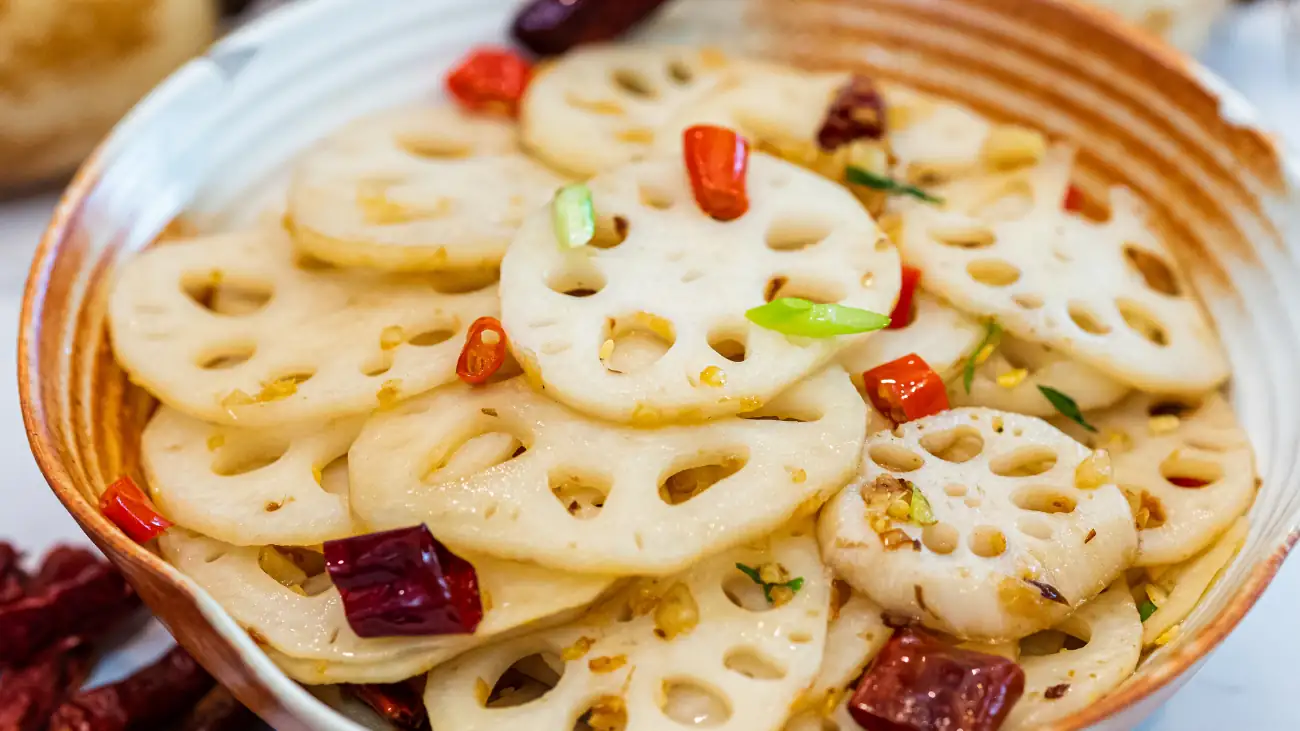
- Lotus Rhizomes (Roots): Often mistaken for the root, the rhizome is a starchy powerhouse akin to a potato, yet with a unique crunch that holds up even when cooked. Its mildly nutty and sweet flavor makes it a versatile ingredient in stir-fries, soups, and even as a crispy snack.

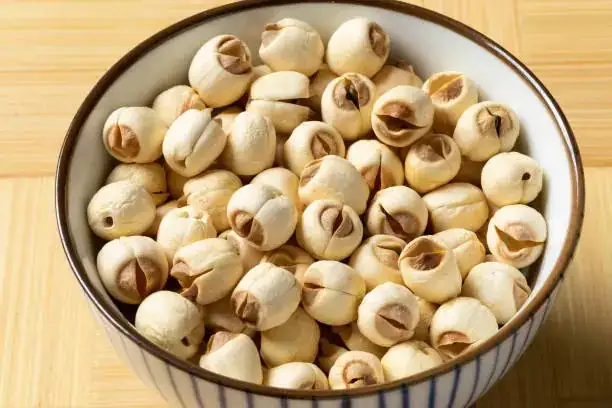
- Lotus Seeds: These nutrient-packed seeds are used whole in soups or ground into a paste for desserts like mooncakes. Their subtle sweetness and nutty undertones shine in both savory and sweet dishes.
- Lotus Leaves: While the leaves aren’t typically consumed outright, they serve as perfect natural wrappers for steaming, infusing dishes with a subtle floral aroma.
Cooking with Lotus: A Taste of Tradition
The culinary uses of the lotus stretch across various cultures and cuisines, each bringing its own flair to this aquatic plant. Here are a few traditional ways to enjoy the lotus:
Stir-Fried Lotus Root with Vegetables
Imagine biting into a crisp, slightly sweet slice of lotus root, perfectly stir-fried with colorful vegetables. This dish not only delights the palate but also offers a visual feast with the root’s beautiful pinwheel pattern.
Recipe:
- Ingredients: Lotus root, bell peppers, snow peas, soy sauce, garlic, ginger, sesame oil.
- Instructions:
- Peel and slice the lotus root into thin rounds.
- Stir-fry garlic and ginger in sesame oil until fragrant.
- Add sliced lotus root, bell peppers, and snow peas. Stir-fry until vegetables are tender-crisp.
- Drizzle with soy sauce and serve hot.
Lotus Seed and Almond Soup
A soothing dessert soup, particularly popular in Chinese cuisine, combines the creamy texture of lotus seeds with the nutty richness of almonds.
Recipe:
- Ingredients: Lotus seeds, almonds, rock sugar, water.
- Instructions:
- Soak lotus seeds and almonds overnight.
- Simmer the soaked seeds and nuts with water and rock sugar until soft and aromatic.
- Blend until smooth for a creamy consistency.
Lotus Leaf Wrapped Rice
This dish uses lotus leaves as a fragrant wrapper for rice mixed with a medley of meats and vegetables, often served during festive occasions.
Recipe:
- Ingredients: Lotus leaves, sticky rice, chicken, mushrooms, soy sauce, scallions.
- Instructions:
- Soak lotus leaves in hot water until pliable.
- Stir-fry chicken and mushrooms, then mix with cooked sticky rice and seasonings.
- Wrap the rice mixture in lotus leaves and steam until flavors meld.
The Symbolism of the Lotus
Beyond its culinary uses, the lotus is steeped in symbolism. In Buddhism and Hinduism, it represents purity, enlightenment, and rebirth, rising pristine from the muddy waters. Its journey from mud to magnificent bloom is a metaphor for spiritual awakening and resilience. In Chinese culture, the lotus is a symbol of integrity and self-discipline, often depicted in art and literature as an embodiment of purity and grace.
Embracing the Lotus in Modern Cuisine
Today, the lotus continues to inspire chefs and food enthusiasts around the world. From innovative lotus root chips to gourmet lotus seed desserts, its versatility is celebrated in both traditional and contemporary culinary creations. Whether you’re a seasoned cook or a culinary explorer, embracing the lotus in your kitchen promises a delightful journey rich in flavor, history, and cultural significance.
So, next time you encounter a lotus, remember it’s not just a symbol of beauty but a delicious invitation to explore the depths of culinary tradition and innovation. Dive in, and let the lotus lead you on a gastronomic adventure!