A Journey Through Time: The Captivating History of Nelumbo nucifera
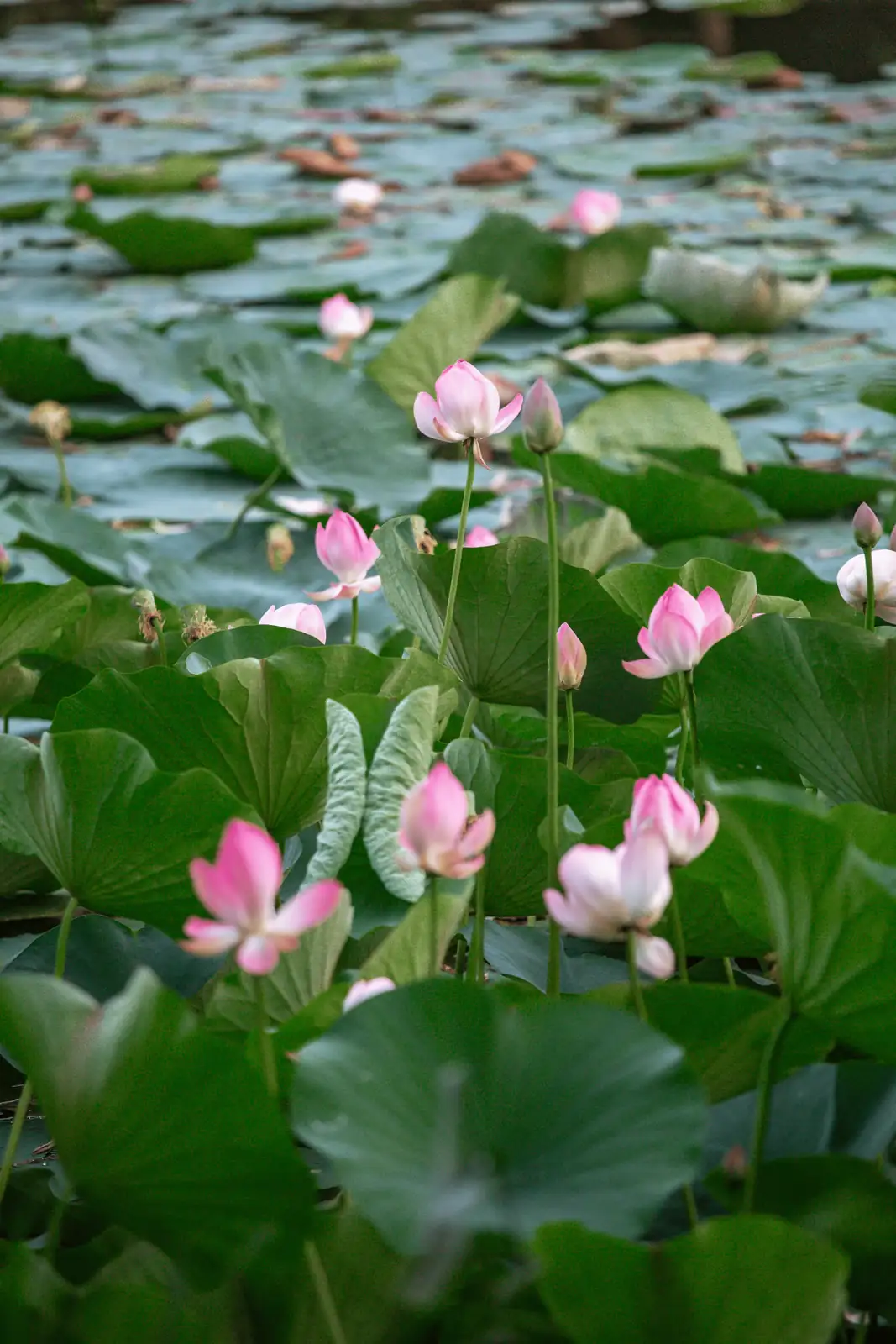
Picture a serene pond, where large, round leaves float gently on the water’s surface, each leaf a canvas for shimmering droplets that bead and roll off like tiny jewels. Rising above these leaves are the blossoms of the Nelumbo nucifera, commonly known as the Lotus—a plant that has captured imaginations across cultures and centuries. But how did this aquatic marvel journey from its ancient roots in Asia to become a global botanical and cultural icon?
Ancient Beginnings and Cultural Significance
The story of the lotus begins in the warm, tranquil waters of Asia and northern Australia, where it is native. From China to India, and from Japan to Southeast Asia, the lotus has long flourished, not just as a plant but as a powerful symbol. In Buddhist and Hindu traditions, the lotus represents purity, enlightenment, and rebirth. Imagine a flower that rises pristine from the mud, untouched by the impurities surrounding it—a metaphor for spiritual awakening and resilience. The Chinese also see the lotus as a symbol of integrity and self-discipline, values deeply embedded in their cultural fabric.
Botanical Wonders and Practical Uses
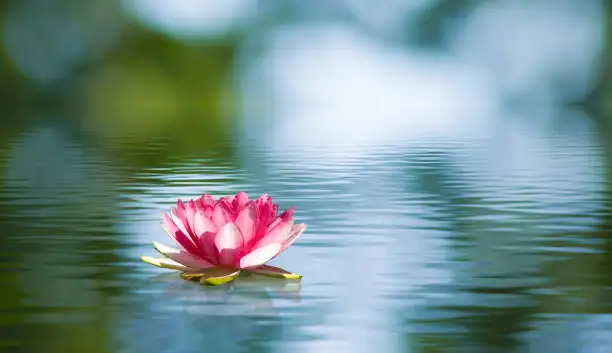
The allure of the lotus is not merely symbolic. Nelumbo nucifera is a botanical marvel, revered for both its beauty and utility. Growing from edible rhizomes, or lotus roots, this aquatic perennial uses its thick, sturdy stalks to lift fragrant flowers and water-repellent leaves high above the water. This feature, known as the “lotus effect,” has inspired modern self-cleaning materials due to the microscopic waxy structures on the leaves that repel water and dirt.
Beyond its ornamental value, the lotus is a staple in culinary and traditional practices. Its rhizomes are a popular ingredient in Asian cuisine, featuring in stir-fries, soups, and braises. The seeds are equally versatile, used fresh or dried in desserts, soups, and traditional lotus paste. Even the leaves and petals find their place in wraps and salads.

The Lotus’s Global Journey
From its native lands, the lotus has embarked on a remarkable journey. As trade and exploration expanded, so did the reach of Nelumbo nucifera. Today, it graces ponds and gardens far beyond its original habitat, from the subtropical climates of Asia to the temperate regions of North America and beyond. The lotus has become a beloved feature in water gardens around the world, a testament to its adaptability and enduring appeal.
Cultivation: A Delicate Dance with Nature
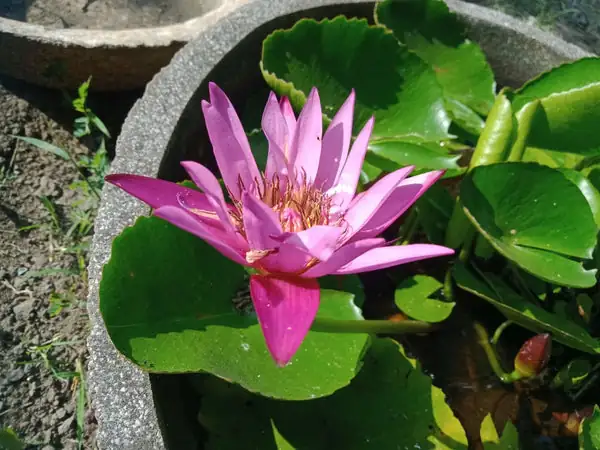
Growing lotus plants requires a blend of patience, knowledge, and respect for its natural preferences. Ideal conditions include full sun—at least 6–8 hours daily—and warm, calm waters. The lotus thrives when anchored in heavy, fertile mud, with consistent water levels ensuring its roots remain submerged. For those who cultivate these plants, each bloom is a reward for careful water management and attention to the plant’s needs.
Propagation can be achieved through division or seed, with spring being the ideal time to divide rhizomes or start seeds. Whether in large ponds or compact patio containers, the lotus demands space to spread its rhizomes, and steady water levels are crucial to prevent drying out.
Challenges and Care
While the lotus is robust, it is not without its challenges. Pests such as aphids, whiteflies, and caterpillars can pose threats, while diseases like leaf spot can affect crowded plants. However, with good water quality and careful management, these issues can be minimized. In colder climates, ensuring the rhizomes do not freeze during winter is key to the plant’s survival and resurgence each spring.
A Living Fossil with a Timeless Legacy
The lotus’s journey from ancient Asia to the present day is a story of resilience and adaptation, much like the plant itself. Dubbed a “living fossil,” the lotus boasts seeds capable of germinating after centuries, a testament to its enduring life force. It is a plant that transcends mere botany, embodying spiritual and cultural narratives that continue to resonate deeply across the globe.
As you gaze upon a lotus in bloom, consider not just its delicate beauty but the rich tapestry of history and symbolism it carries. The Nelumbo nucifera is more than just a plant—it is a timeless icon, a living testament to the power of nature’s beauty and the intricacies of cultural evolution.