Meet the marvelous and mystifying Yucca filamentosa, known affectionately as Adam’s Needle—a plant as intriguing as its name suggests! With its distinctive curly leaf threads and fragrant nighttime blooms, this evergreen wonder adds a touch of the extraordinary to gardens and homes alike. Let’s embark on a fun exploration of its unusual traits and behaviors.
The Spiraling Showstopper
Imagine a plant that combines the fierce elegance of a sword with the whimsical charm of a curly ribbon. That’s Yucca filamentosa for you! This bold, architectural shrub features stiff, deep-green leaves that form a striking spiral rosette. Each leaf is edged with signature curly white threads, which are not just for show—they’re a handy tip-off for identifying this species. These threads lend an ethereal touch, making Adam’s Needle a standout in any landscape.
Nighttime Drama: The Fragrant Bloom
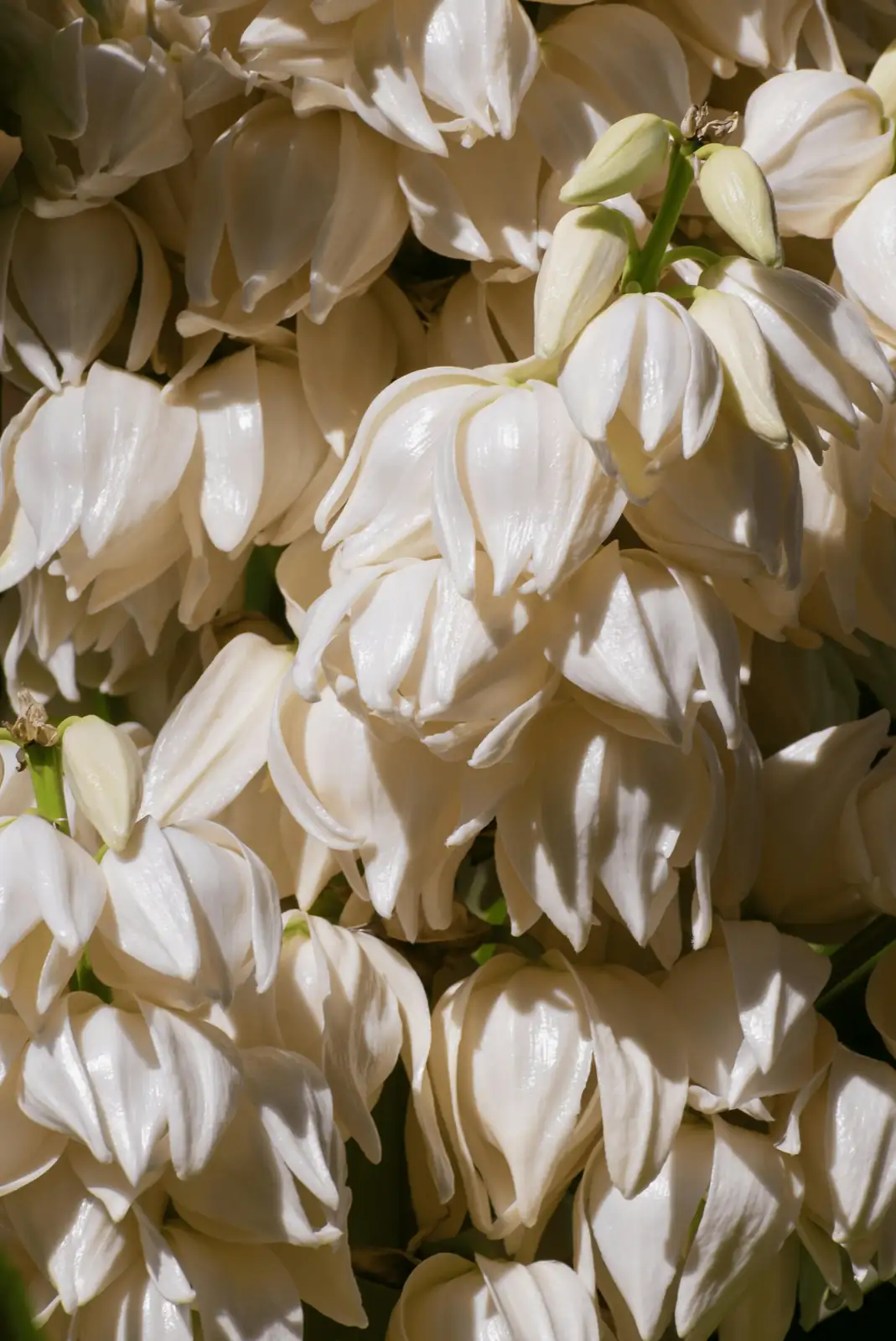
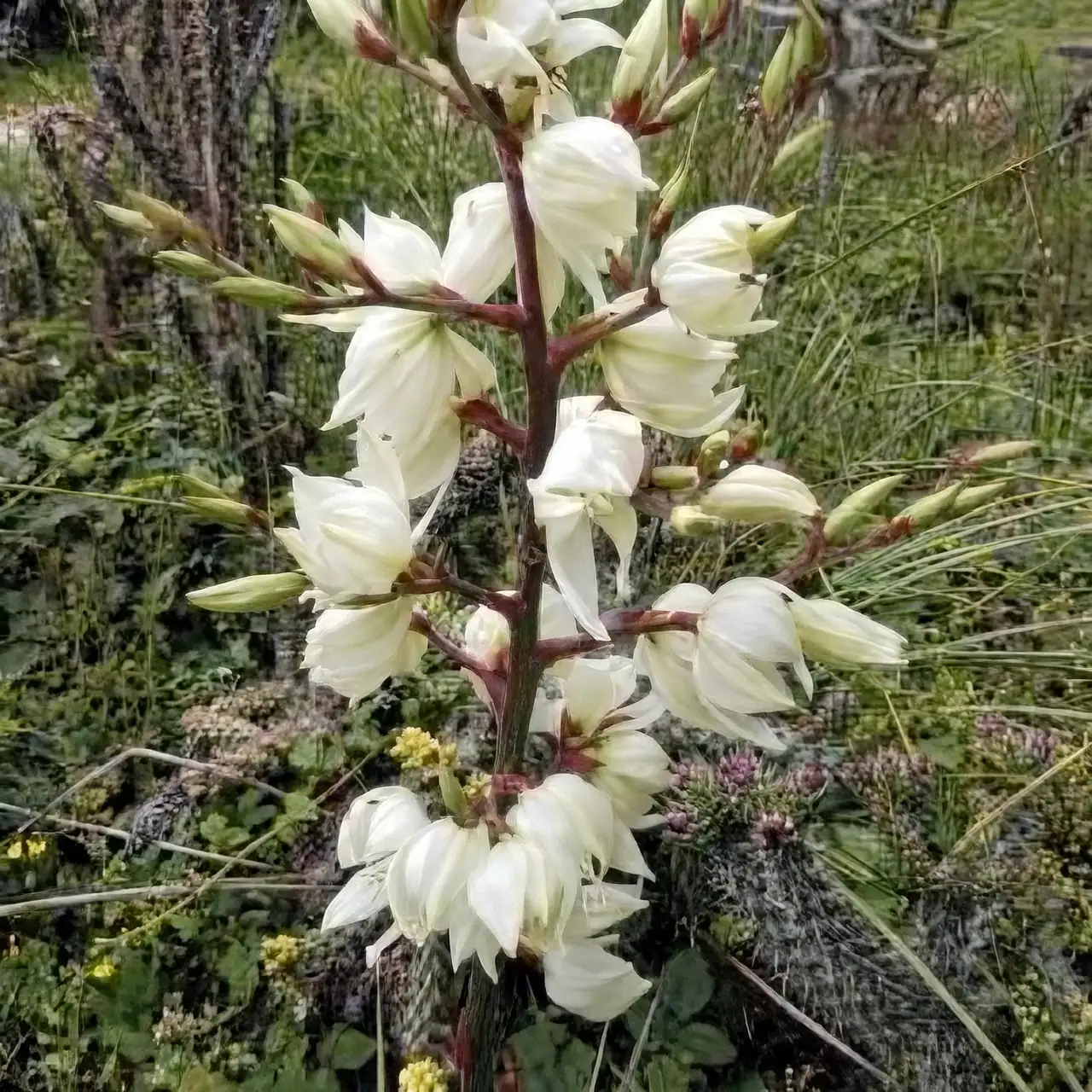
Come summer, Yucca filamentosa shifts the spotlight to its breathtaking floral display. Picture this: a tall, slender stalk soaring to heights of 3 to 5 feet, crowned with a cascade of creamy-white, bell-shaped flowers. These blooms don’t just make a visual impact—they’re also sweetly fragrant, especially at night. This is no accident; the nocturnal scent aims to attract the plant’s specialized pollinator, the yucca moth. It’s a classic co-evolution tale: while the moth ensures pollination, its larvae enjoy a meal of some developing seeds. This mutualistic relationship is a testament to nature’s delicate balance, beautifully showcased in your garden.
Resilience in Every Fiber
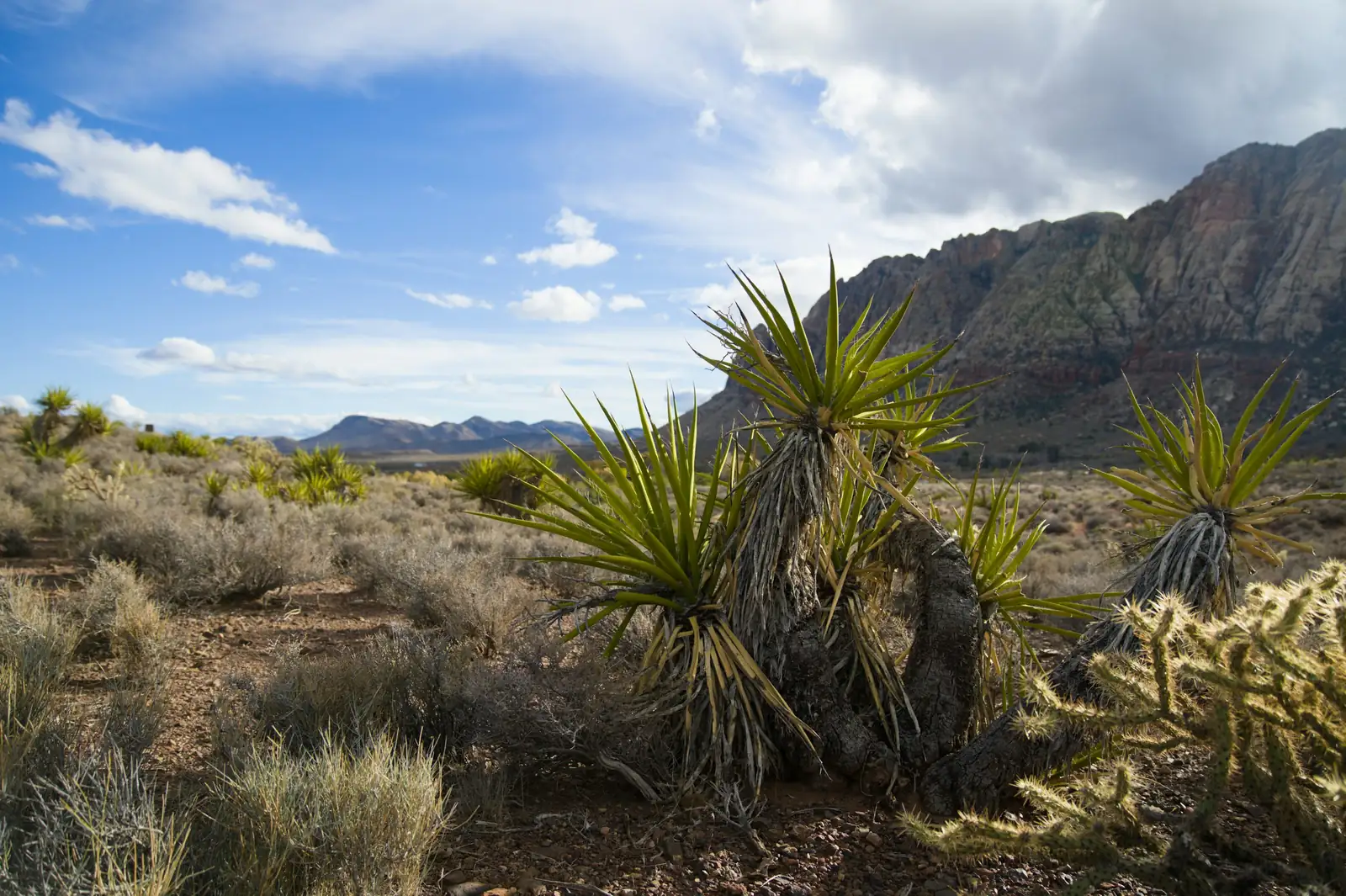
Adam’s Needle isn’t just a pretty face; it’s a powerhouse of resilience. Native to North America, from the sandy beaches of Florida to the rocky slopes of Tennessee, Yucca filamentosa is a survivor. It thrives in full sun and well-drained soils, making it a perfect candidate for xeriscapes, rock gardens, or any spot where water is scarce. Its drought tolerance and ability to withstand poor soils are legendary, earning it a reputation as one of the hardiest yuccas around.
Carefree Companion
If you’re seeking a low-maintenance plant that won’t demand constant attention, Yucca filamentosa is your green thumb partner. Once established, it’s incredibly forgiving, only needing infrequent watering and minimal feeding. Just remember: overwatering is its kryptonite. Keep it dry, and this plant will repay you with lush foliage and spectacular blooms.
Quick Care Tips:
- Sunlight: Loves basking in full sun.
- Soil: Prefers well-draining, sandy or gritty mixes.
- Watering: Deep, infrequent watering—let the top 2 inches of soil dry out before the next soak.
- Pruning: Trim spent flower stalks and remove yellowing lower leaves.
A Word of Caution
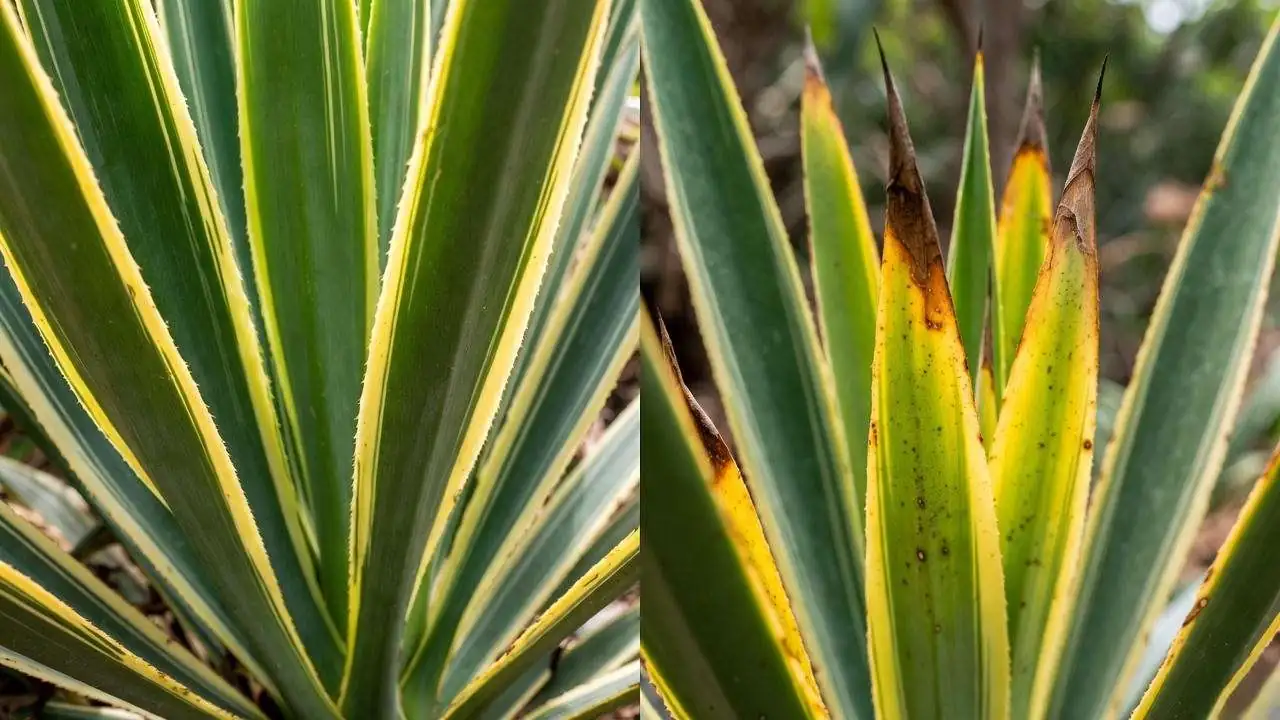
While Yucca filamentosa is a delight for the eyes and nose, it’s important to handle this plant with care. The sharp leaf tips can poke, and it’s toxic if ingested, particularly to pets. So, gloves are your friend when pruning or handling, and consider its placement thoughtfully to avoid any accidental pokes.
A Symbol of Endurance
In the language of flowers, Yucca filamentosa symbolizes resilience and endurance—apt for a plant that stands tall in harsh conditions where others may falter. It represents protection and fresh starts, echoing its ability to thrive and rejuvenate even in the toughest environments. Throughout history, indigenous peoples have valued yucca for its strong fibers and saponin-rich roots, demonstrating that usefulness and beauty can indeed go hand in hand.
Whether you’re a seasoned gardener or a budding plant enthusiast, Yucca filamentosa offers both intrigue and elegance. With its distinctive appearance and fascinating behaviors, it’s more than just a plant—it’s a conversation starter, a testament to nature’s ingenuity, and a resilient companion in your botanical adventures.