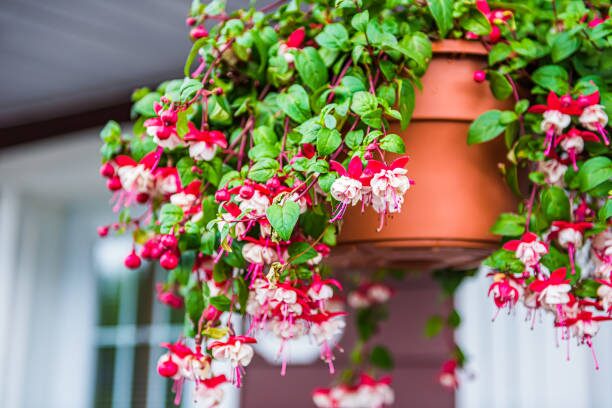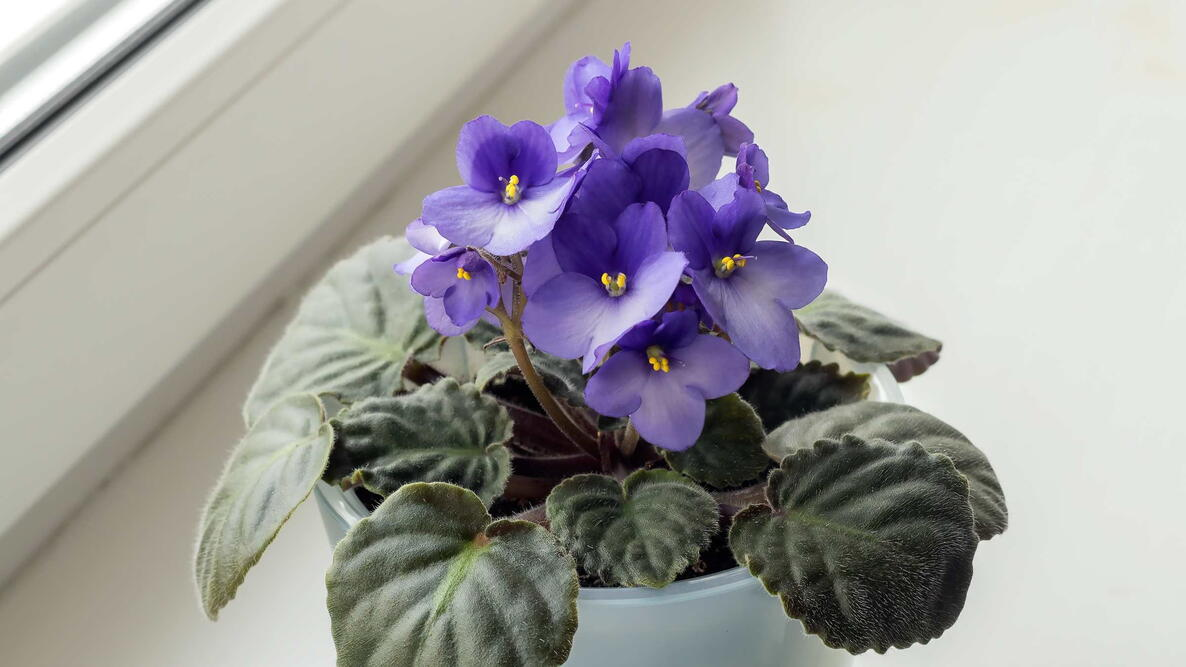
Tucked away on a windowsill or bright corner, the African Violet (Streptocarpus ionanthus) is a beacon of color and joy. With their velvety leaves and charming blooms, these compact plants have captured the hearts of many indoor gardeners. But as any seasoned plant enthusiast knows, the true magic of an indoor garden lies not only in individual plants but in the harmonious ensemble they create together. So, let’s explore the best companion plants for African Violets and how they can transform your indoor space into a lush, thriving oasis.
The Art of Plant Companionship
Companion planting is more than just pairing plants together. It’s about creating a community that supports each member’s growth and beauty. African Violets, with their delicate needs, require companions that share similar care requirements but bring their own unique benefits to the table.
Key Considerations for Companions
- Similar Light and Humidity Needs: African Violets thrive in bright, indirect light and moderate to high humidity. Choosing plants with similar preferences ensures a balanced environment.
- Non-competitive Growth: Opt for plants that complement rather than overshadow the African Violet’s compact form.
- Pest Management: Some plants naturally deter pests, protecting your African Violets without the need for chemical interventions.
Perfect Plant Partners
Peace Lily (Spathiphyllum spp.)
Peace Lilies are not just visually striking with their glossy leaves and white blooms; they are also stellar air purifiers. Like African Violets, they prefer indirect light and a humid environment, making them a match made in botanical heaven. Together, they create a serene and clean atmosphere, perfect for a tranquil indoor garden.
Spider Plant (Chlorophytum comosum)
Known for their cascading green and white-striped leaves, Spider Plants are hardy and low-maintenance. They thrive under similar light conditions to African Violets and have the added benefit of being natural pest deterrents. Their ability to filter indoor air adds another layer of health benefits to your indoor space.
Pothos (Epipremnum aureum)
Pothos, with their trailing vines, add a dynamic visual element that beautifully complements the upright growth of African Violets. They are forgiving plants that can tolerate less-than-ideal conditions while still thriving alongside the slightly more sensitive African Violets. Together, they create a lush, layered look that is both vibrant and easy to maintain.
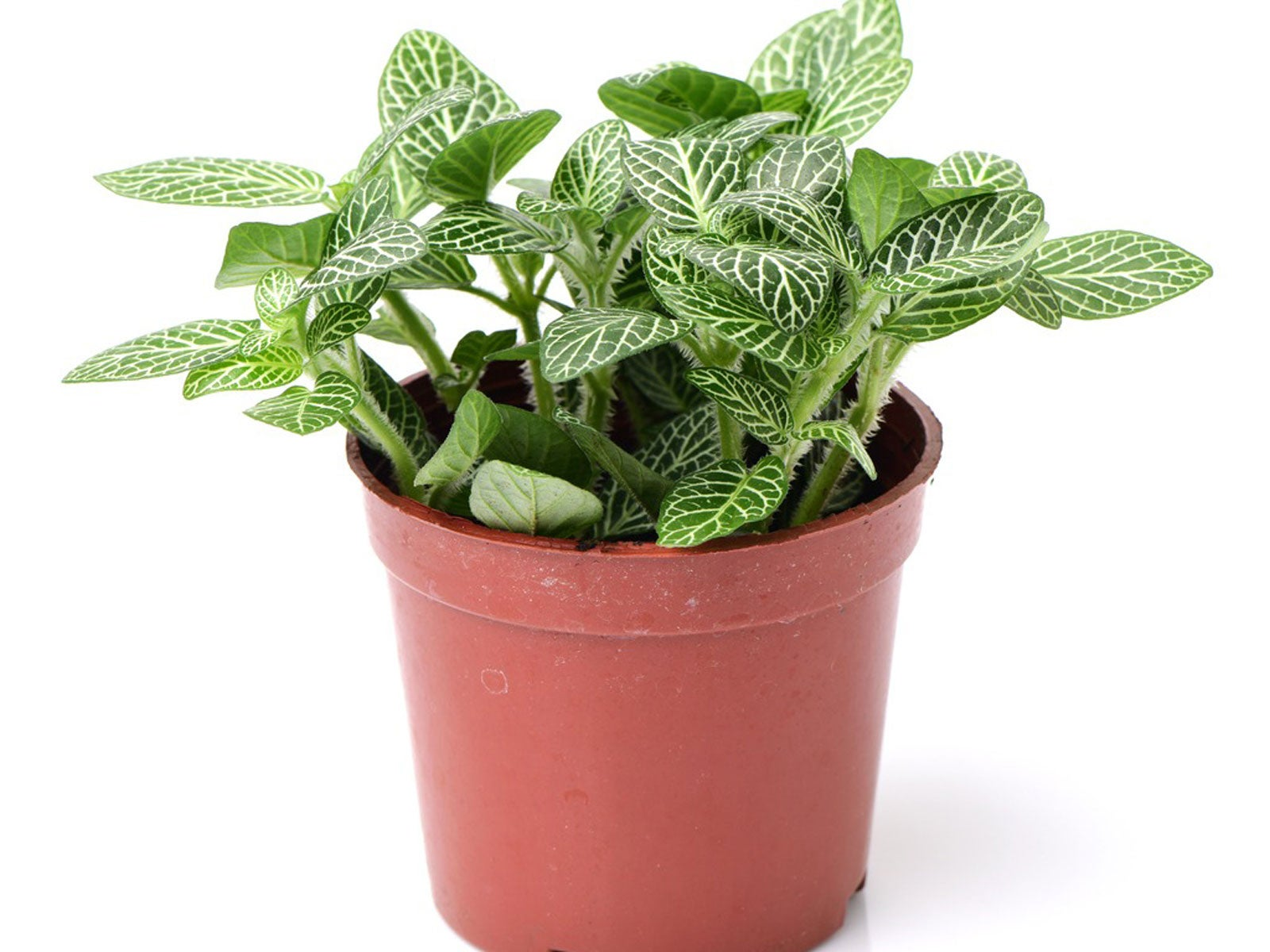
Nerve Plant (Fittonia spp.)
For a splash of color and texture, consider the Nerve Plant. Known for its vivid, intricately veined leaves, this plant thrives in similar humidity levels as African Violets. It adds a pop of color and a touch of whimsy to your plant ensemble, making your indoor garden a true feast for the eyes.
Bromeliads (Bromeliaceae)
Offering a splash of exotic flair, Bromeliads come in a variety of colors and sizes. While some varieties require more light, many can adapt to the same conditions as African Violets. Their unique foliage and striking blooms can add a tropical twist to your indoor garden.
Crafting a Diverse and Thriving Indoor Garden
Creating a diverse indoor garden not only enhances visual appeal but also promotes a healthier plant environment. The varied forms and colors can act as a barrier against pests and diseases, while the shared microclimate benefits each plant.
Creating Microclimates
Grouping plants with similar needs can create a microclimate that maintains higher humidity levels and consistent temperatures, benefiting all. This is particularly important for African Violets, which thrive in stable conditions.
Visual Symphony
Consider the textures and colors of each plant. The soft, velvety leaves of the African Violet contrast beautifully with the glossy Peace Lily or the trailing Pothos. The key is balance—ensuring each plant has space to shine without competing for light or resources.
Conclusion
Pairing African Violets with the right companions not only elevates the beauty of your indoor garden but also enhances its health and vitality. By choosing plants with complementary needs and characteristics, you create a symbiotic environment where each plant supports the other. So, gather your gardening tools and start crafting your indoor paradise—one that’s as harmonious as it is beautiful. Your African Violets, and their new companions, will thank you with a vibrant display that keeps the spirit of gardening alive all year round.