Unveiling the Secrets of Holly: More Than Just a Pretty Christmas Plant
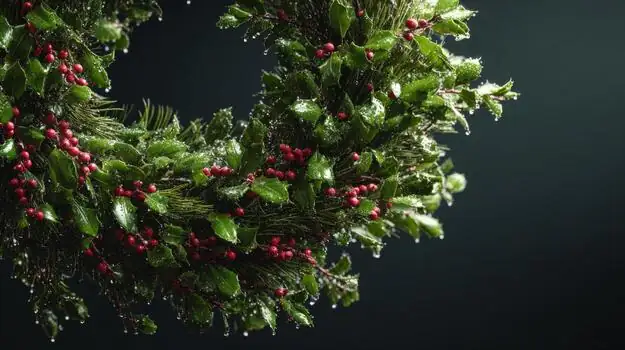
When we think of holly, with its glossy green leaves and vibrant red berries, it’s hard not to conjure images of festive wreaths and winter cheer. Yet, beneath its decorative appeal lies a world of fascinating traits and age-old stories that make holly (Ilex spp.) far more intriguing than its holiday fame suggests.
Holly’s Hidden Adaptations
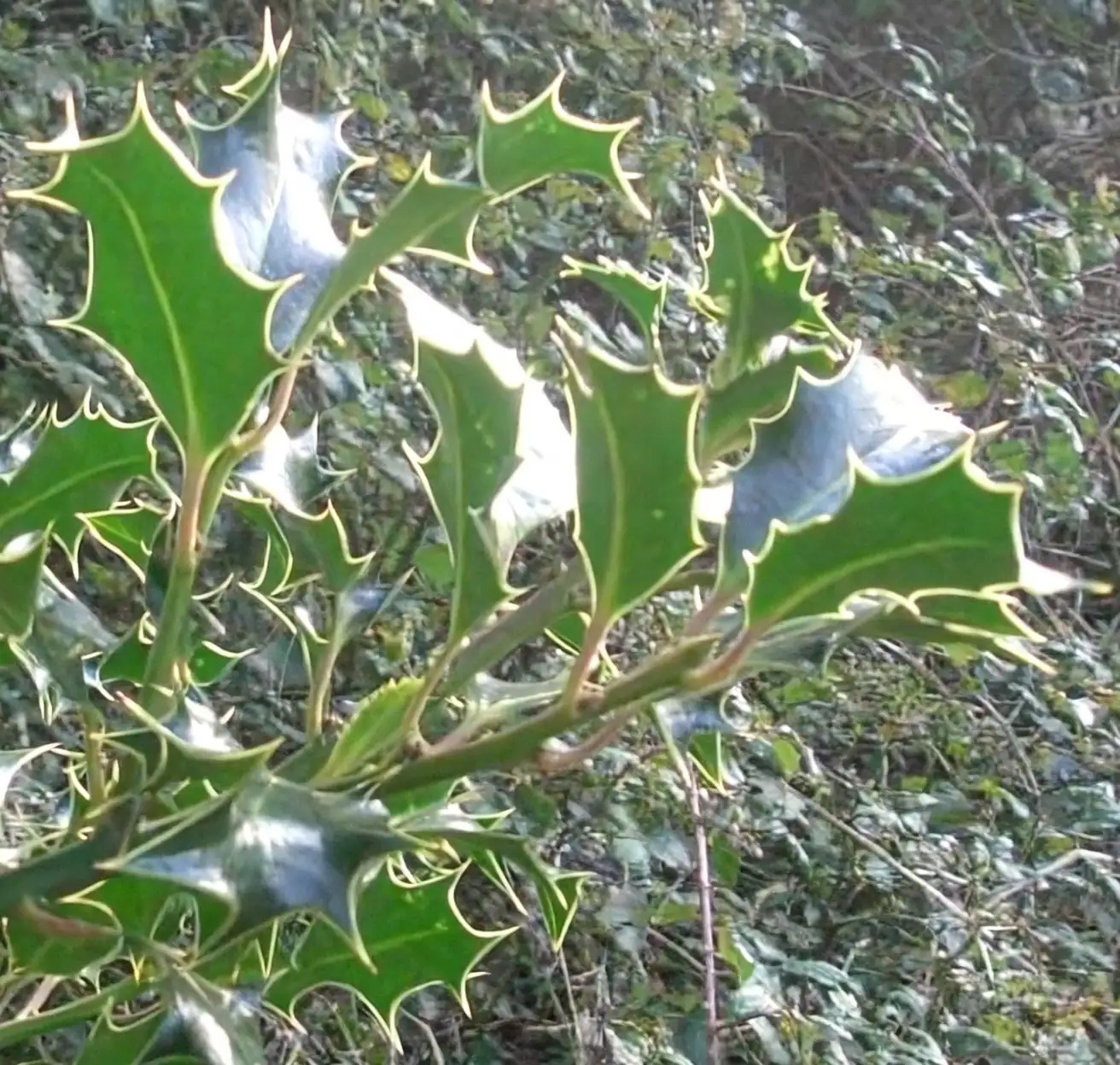
One of the most remarkable aspects of holly is its clever leaf adaptation. Have you ever noticed how the lower branches of a holly bush are laden with spiny, tough leaves, while those higher up are smoother? This isn’t just a quirky design choice by nature. The spines serve as a defense mechanism against herbivores such as deer and livestock, discouraging them from munching on these glossy green delicacies. It’s as if holly has its own built-in armor, protecting its vital parts from ground-level threats. Fortunately, for the holly trees, there are no giraffes to contend with, so only the lower leaves need protection!
A Longevity Legend
Holly isn’t just a survivor of the animal kingdom; it’s also a testament to time. Some individuals live well over a century, with one particularly venerable specimen in Spain reputed to be over 600 years old. Imagine the stories such an ancient tree could tell, standing as a silent witness to the passage of centuries, changing landscapes, and evolving civilizations.

The Berry’s Secret Strategy
The bright red berries of holly are not just eye-catching; they play a strategic role in the plant’s life cycle. Initially, these berries are bitter and tough, containing compounds like saponins and cyanogenic glycosides, making them less appealing to birds. As winter progresses and frosts soften the berries, they become more palatable, encouraging birds to feast on them. This timing ensures that the seeds are spread later in the season when other food sources are scarce, maximizing the chances of seed dispersal and germination come spring.
A Tale of Two Sexes
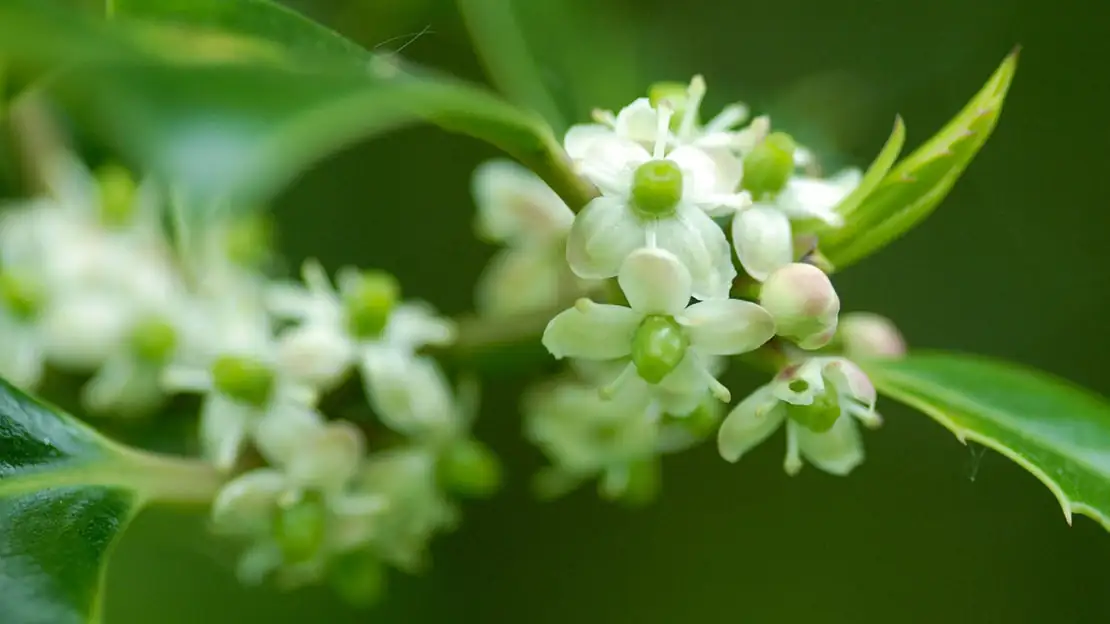
Holly is the ultimate example of partnership in nature. Most holly species are dioecious, meaning that individual plants are either male or female. For those cheerful red berries to appear, a female plant requires a male counterpart nearby for pollination. It’s truly a botanical dance between the sexes, ensuring the continuation of the species and the beauty of berries during the bleak winter months.
Magic, Myths, and Mysteries
Holly’s association with magic and lore stretches across cultures and centuries. In ancient Druid traditions, holly was revered as a sacred tree, and its wood was used to craft magical wands. Folklore suggests that holly can protect homes from lightning and witchcraft, linking it to gods of thunder such as Thor in Norse mythology. The belief that holly brings good luck if brought indoors resonates with the magical aura that surrounds this plant.
Bringing Holly Home
In addition to its enchanting history, holly is a versatile player in modern landscapes. Whether used as a hedge, privacy screen, or ornamental specimen, it offers year-round interest and wildlife support. Birds rely on its berries during the winter, and its dense foliage provides shelter. Despite its toxicity to humans and pets, holly is a crucial part of the winter ecosystem.
The Holly King’s Eternal Battle
One of the most enduring Celtic myths involves the Holly King and the Oak King, who battle for supremacy as the seasons turn. The Holly King rules from the summer to the winter solstice, embodying the strength and vitality of winter. This mythological narrative not only highlights holly’s symbolic significance but also illustrates its role as a marker of seasonal change.
Cultivating Your Own Piece of History
If you’re considering adding holly to your garden, remember that this plant thrives in well-drained, acidic soils and prefers full sun to partial shade. While initial care is key, once established, holly is relatively low-maintenance, rewarding you with its evergreen beauty and vibrant berries year after year.
In the world of plants, holly stands out not just for its beauty but for its resilience, adaptability, and rich tapestry of cultural significance. Whether you’re drawn to its role in folklore, its ecological importance, or its aesthetic appeal, holly offers a timeless connection to nature’s wonders. So next time you pass by a holly bush, take a moment to appreciate the stories it carries and the secrets it holds.