Unraveling the Timeless Journey of Cypress Trees
Imagine standing in the shade of a tree that has witnessed centuries of history, its roots entwining tales from ancient civilizations to modern urban jungles. The cypress tree, a majestic beacon of endurance and tranquility, invites us to explore its rich tapestry of history and horticulture.
Ancient Origins: From Myth to Mesozoic
The journey of cypress trees begins in the cradle of time, during the era of Pangaea—a supercontinent that housed these ancient conifers long before continents drifted apart. This lineage of the Cupressaceae family has roots that dig deep into Earth’s history, surviving the tumultuous break-up of Pangaea and adapting to new climates and geographies.
Fast forward to the Mesozoic era, where cypress trees continued their saga, evolving into diverse forms across the globe. Their ancient presence has been immortalized in mythology, with the Greek tale of Cyparissus, who was transformed into a cypress tree as a symbol of mourning and eternal life—a nod to the tree’s association with death and the underworld.

Cultural Significance: Guardians of Memory
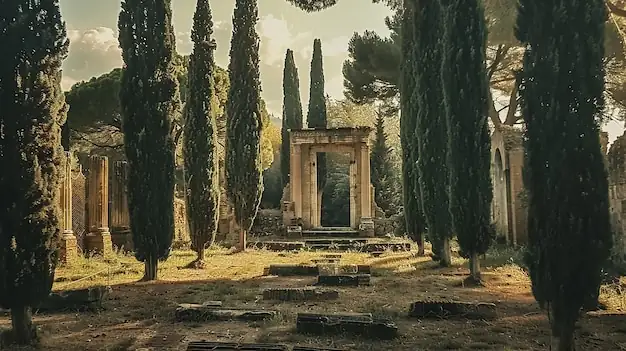
Throughout history, cypress trees have been more than mere flora; they are cultural icons. In the Mediterranean, the slender, towering form of the Italian or Mediterranean cypress (Cupressus sempervirens) stands sentinel in cemeteries and sacred sites, embodying mourning and remembrance. The Etruscans, adept seafarers of ancient Italy, were among the first to introduce these trees to Tuscan landscapes, where they became emblematic of the region.

In China, cypress trees, known as 柏树, are symbols of vitality and longevity. Planted near temples and memorials, they serve as guardians of memory, their evergreen nature representing the endurance of life even in the face of adversity.
Botanical Marvels: From Foliage to Function
Cypress trees are not just historical and cultural relics; they are botanical marvels. Their dense, aromatic foliage, often a deep green or blue-green, provides year-round color and shelter. The architecture of a cypress is a study in elegance—whether columnar like the Italian cypress or conical as seen in other varieties, their silhouettes are unmistakable.

Their resilience is equally impressive. Cypress trees thrive in diverse climates, from the dry slopes of North America to the humid subtropics of Asia. They are cold-hardy and drought-tolerant once established, making them low-maintenance staples in gardens and landscapes.
Modern Horticulture: Cypress in the Contemporary Landscape
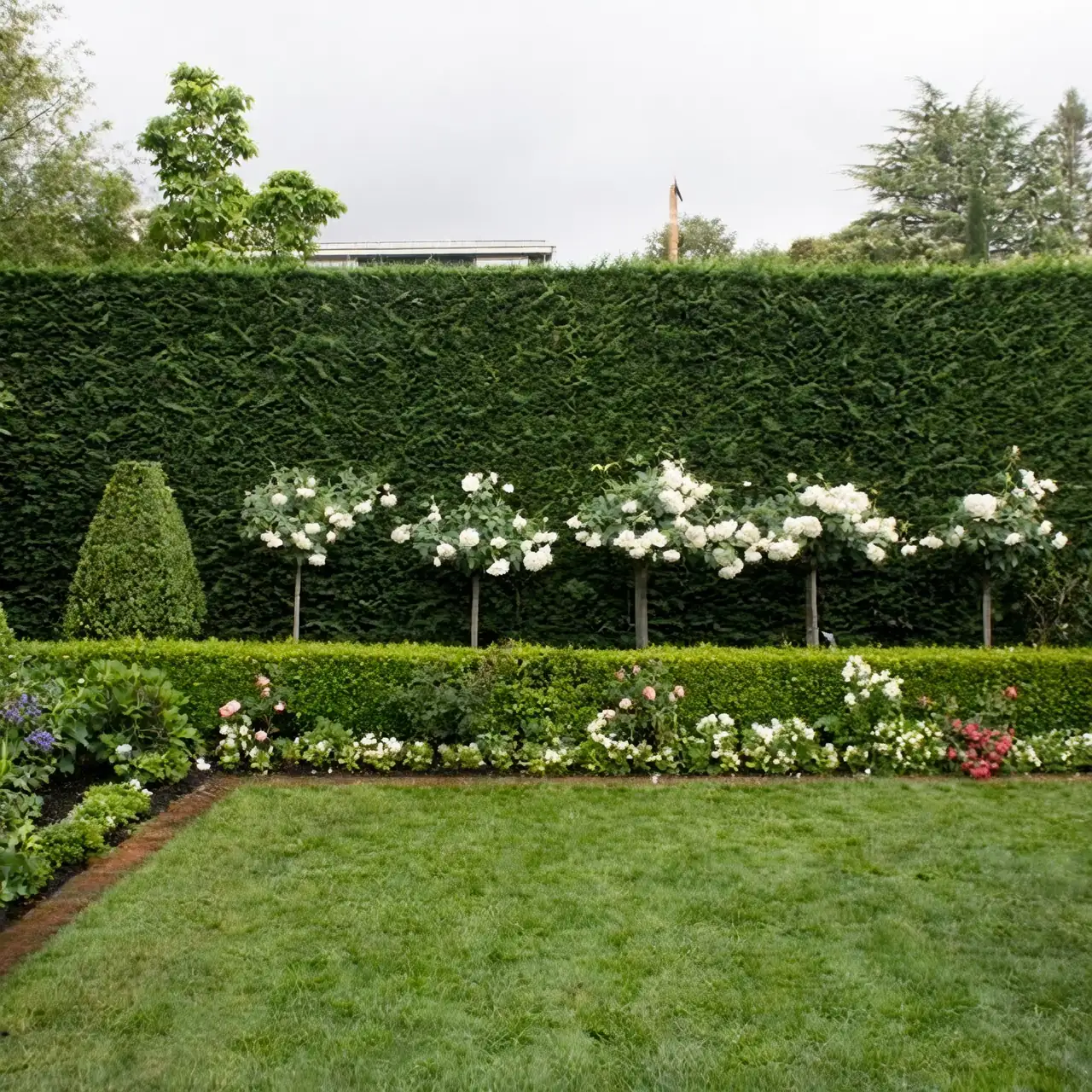
Today, cypress trees continue to be beloved in horticulture for their utility and beauty. They are used as windbreaks, hedges, and specimen trees in both public and private spaces. The Leyland cypress, a hybrid favorite, is celebrated for its rapid growth and adaptability, creating lush green barriers that can transform landscapes quickly.
Cypress wood, known for its decay resistance, is valued in construction and furniture, demonstrating that every part of this tree is a testament to its enduring utility.
The Living Legacy of Cypress
As we admire a cypress tree, whether in a bustling city park or a serene countryside, we are reminded of its profound legacy. These trees are living links to our past, symbols of resilience and continuity. The next time you find yourself under the shade of a cypress, take a moment to reflect on the journey it has undertaken—a journey that is as much about the future as it is about the past. In their quiet strength, cypress trees offer a timeless lesson in enduring beauty and grace.