If you’re diving into the world of indoor gardening, you’ll quickly discover that understanding the light your plants need can make a big difference in their growth and health. Grow lights are essential for simulating sunlight, especially if you’re growing plants indoors or in environments with limited natural light. But not all light is created equal. Let’s break down what you need to know about grow light spectrums and how they affect your green friends.
What is Light Spectrum and Why Does it Matter?
Light spectrum refers to the different colors of light that are visible to the human eye, as well as some that aren’t. Each color has a specific wavelength, and plants react to these wavelengths in different ways. Understanding this can help you choose the right grow lights for your plants.
Key Light Spectrums for Plant Growth:
- Blue Light (400–500 nm): Essential for the early stages, blue light encourages strong root growth and compact foliage. It’s perfect for seedlings and young plants, helping them become sturdy and robust.
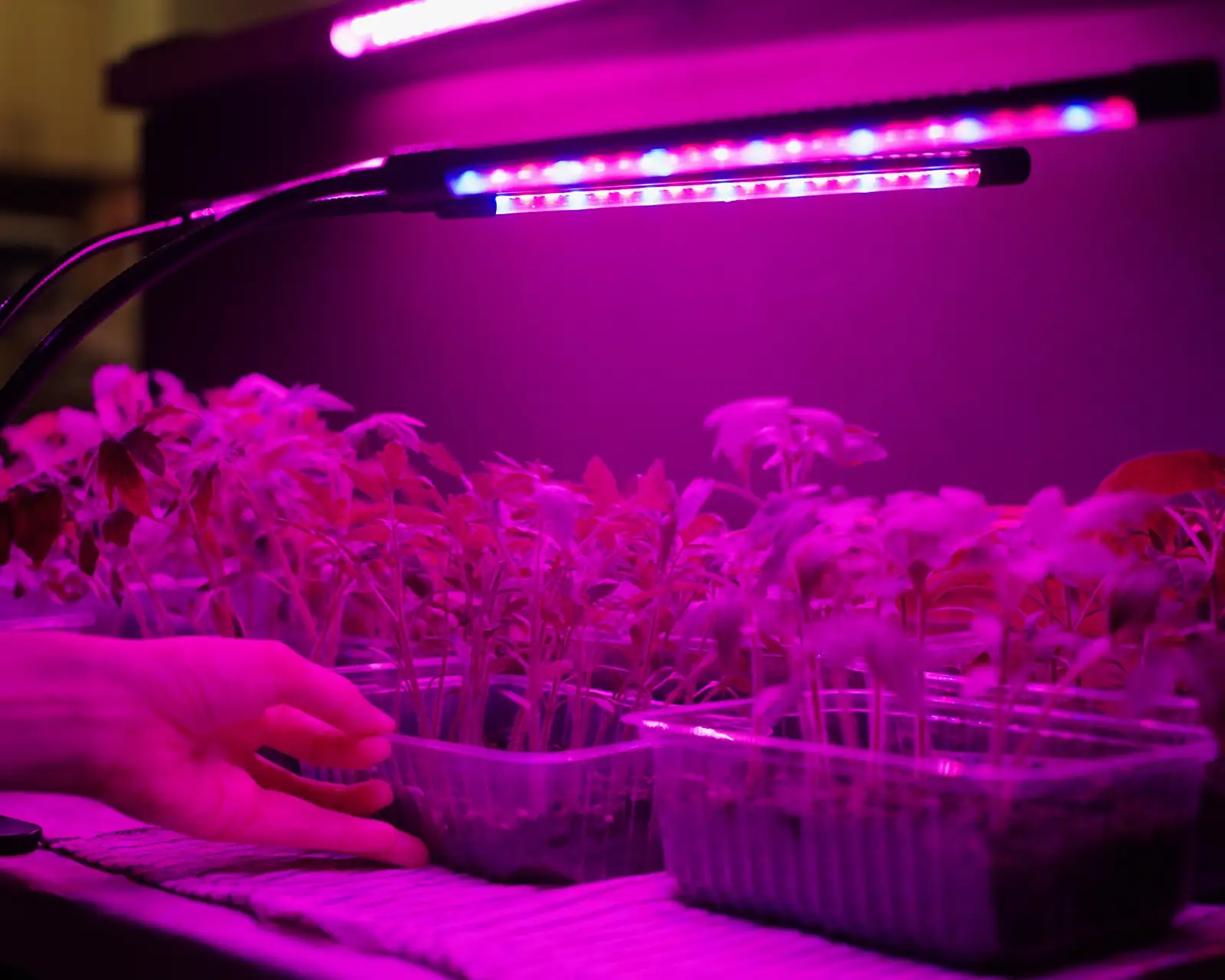
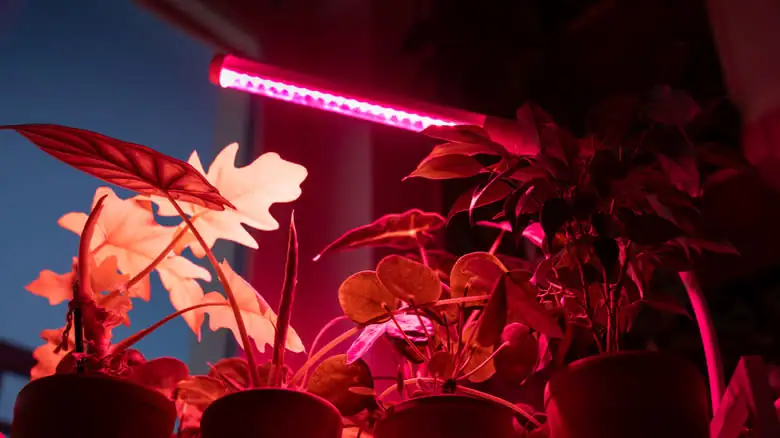
- Red Light (600–700 nm): Vital for the flowering and fruiting stages, red light helps plants bloom and produce fruit. It stimulates growth and can increase the size of your plants, but on its own, it might cause them to stretch too much.
- Green Light (500–600 nm): Although less effective for photosynthesis, green light penetrates deeper into the canopy and supports the lower leaves. It’s often used to create a balanced spectrum.
- Far-Red Light (700–750 nm and beyond): Extending the range of red light, far-red can influence flowering and enhance photosynthetic efficiency when mixed with red light.
- UV Light (below 400 nm): While excessive UV can be harmful, controlled amounts can boost certain plant defenses and enhance flavors or colors in some crops.
How to Choose the Right Grow Lights
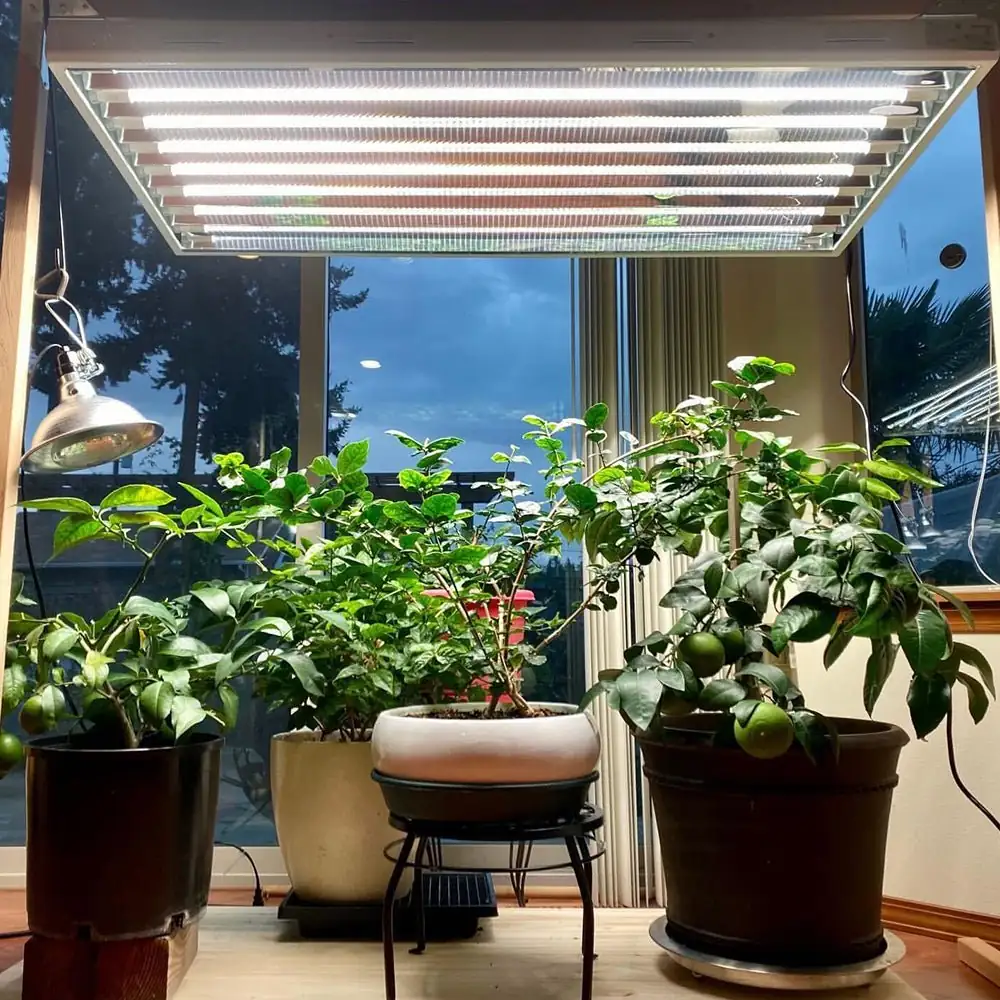
When selecting grow lights, look for those labeled as “full-spectrum,” as these mimic natural sunlight and cover a broad range of wavelengths. Here are a few tips to help guide your choice:
- Consider the Plant Stage: Use grow lights with more blue light during the vegetative stage to promote healthy, compact growth. As your plants move into flowering, increase the red light to boost blooms and fruits.
- Check the Light’s PPF: Photosynthetic Photon Flux (PPF) tells you how much usable light the fixture emits. A higher PPF means more light for your plants to use, promoting better growth.
- Adjust for Your Environment: If you’re supplementing natural sunlight, you might need less intense grow lights. In a fully artificial setup, ensure your lights are powerful enough to support your specific plant types.

Common Mistakes to Avoid
- Ignoring Plant Needs: Not all plants require the same light intensity or spectrum. Research your specific plants to tailor your lighting setup.
- Overexposure: More light isn’t always better. Too much can stress plants, leading to poor growth and even damage.
- Uniform Light Distribution: Ensure your lights cover the entire plant canopy evenly to avoid shaded areas that can stunt growth.
By understanding and adjusting the light spectrum for your plants, you can create a thriving indoor garden that flourishes all year round. With the right grow light setup, you’ll be well on your way to becoming a plant whisperer!