
Welcome to the wonderful world of plant care! Whether you’re a seasoned green thumb or just starting your indoor garden, understanding the role of temperature and humidity is key to keeping your plants happy and healthy. Let’s dive into why these factors matter and how you can create the perfect environment for your leafy companions.
Why Temperature and Humidity Matter
Plants aren’t just pretty to look at; they’re living organisms that thrive under specific conditions. Temperature and humidity are two critical elements that can make or break your plant’s growth.
Temperature Tips
- Optimal Ranges: Most foliage plants enjoy temperatures between 70° and 80°F during the day and cooler nights around 60° to 68°F. This drop in temperature helps them recover from moisture loss and enhances flower color.
- Flowering Plants: For flowering varieties, night temperatures of 55° to 60°F are ideal.
- Avoid Extremes: Sudden changes, like drafts or heat from vents, can stress plants. Keep them away from direct heat or cold sources to prevent damage.
The Humidity Factor
Indoor environments, especially in winter, often lack the humidity that most plants need. Here’s how you can help your plants:
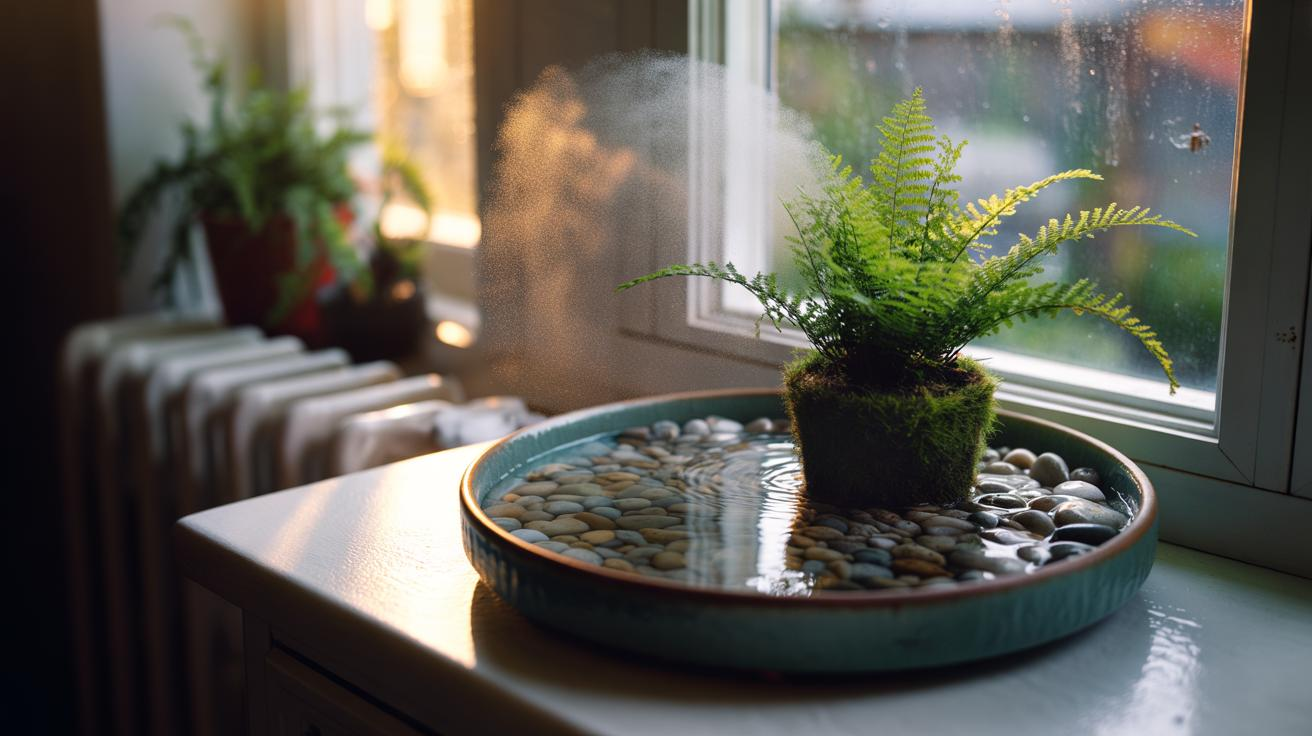
- Pebble Trays: Place your pots on trays filled with water and pebbles. This simple trick increases humidity as the water evaporates, creating a mini greenhouse effect.
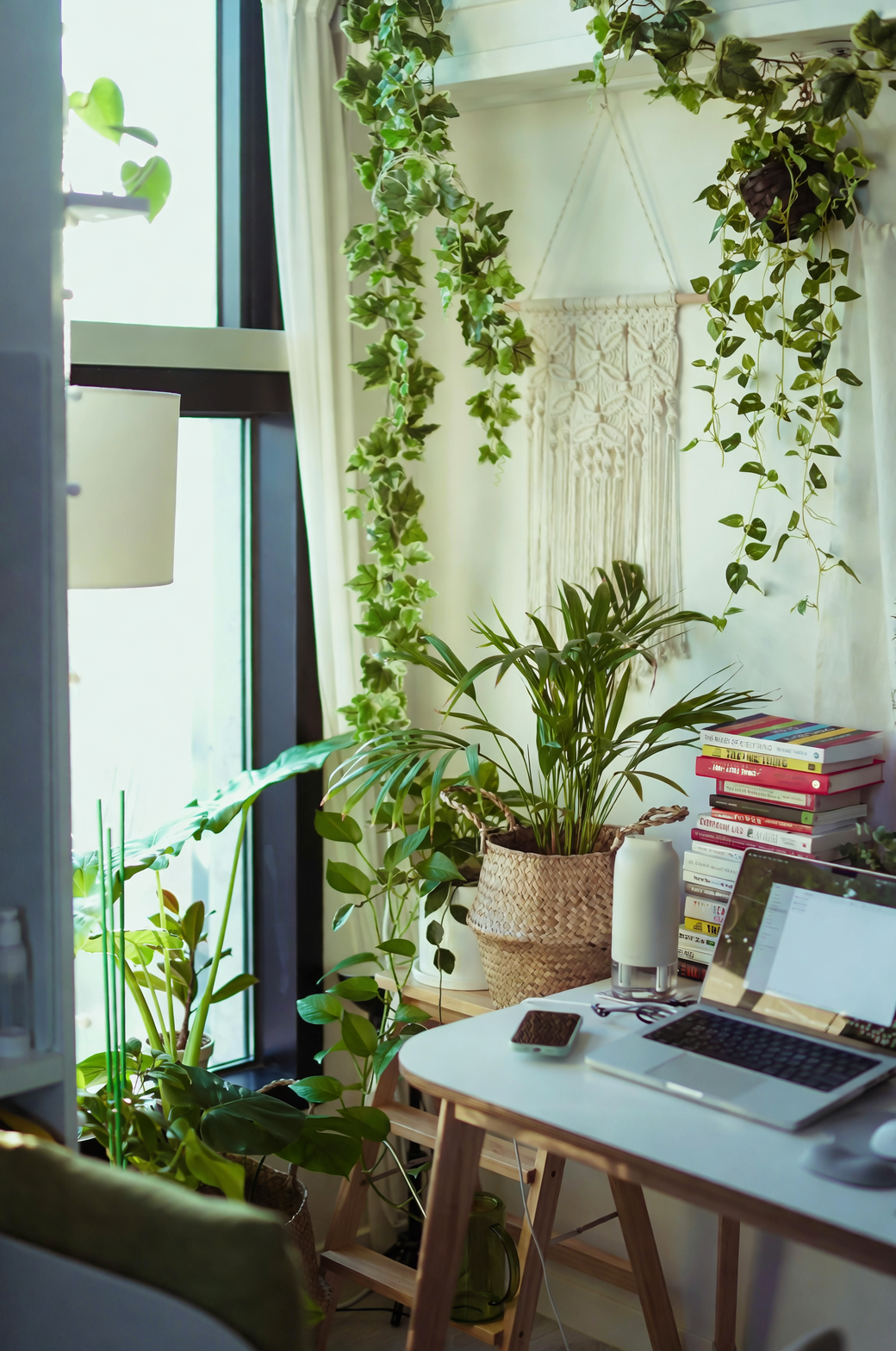
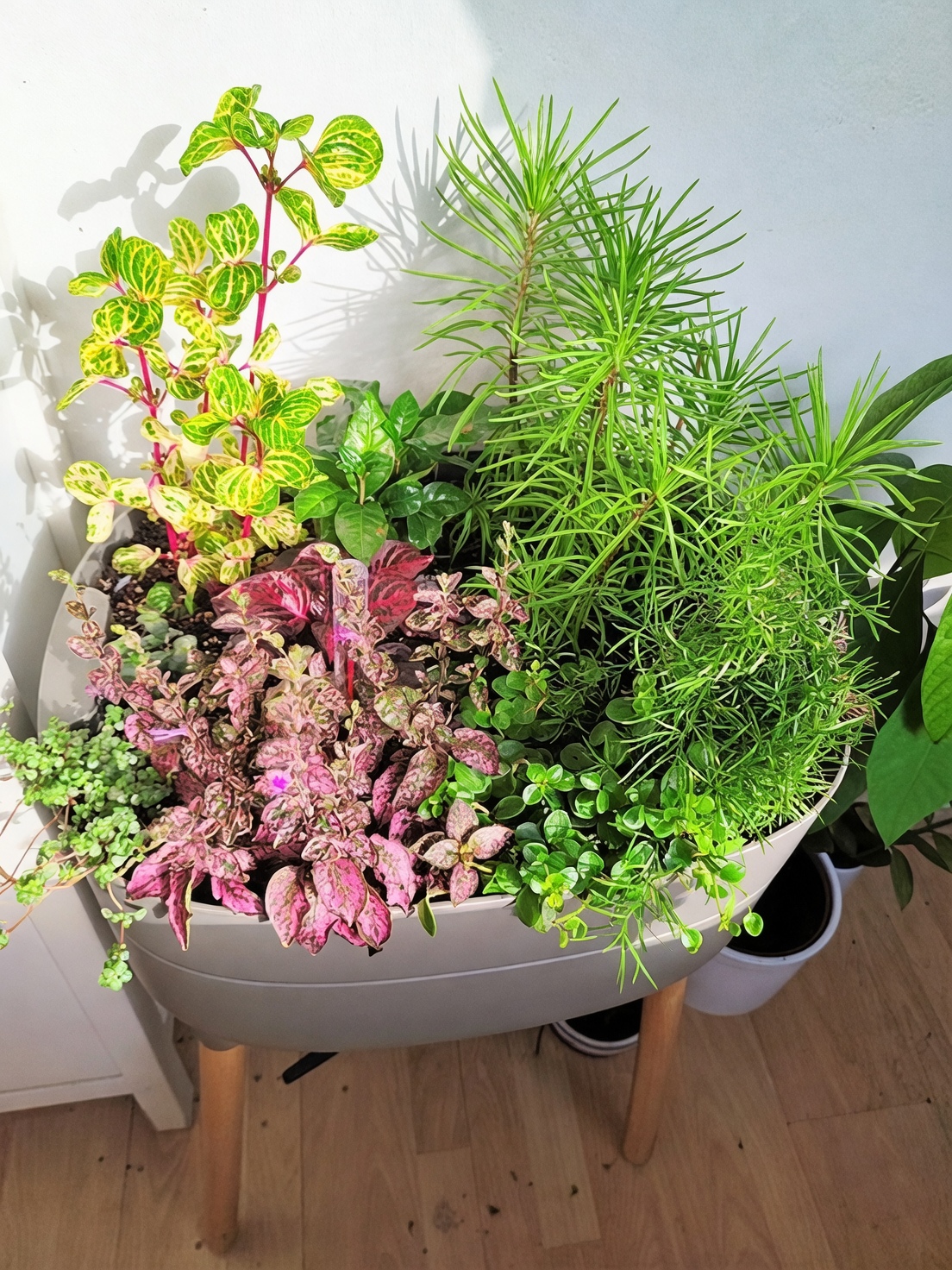
- Plant Grouping: Grouping plants together can raise the humidity in their local environment, as they naturally release moisture into the air.
- Humidifiers: Consider using an automatic humidifier for consistent moisture levels, benefiting both plants and people.
Common Mistakes to Avoid
- Over-Misting: While misting can temporarily raise humidity, it’s not always effective. Use tepid water and avoid misting plants with fuzzy leaves, like African violets, to prevent leaf damage.
- Ignoring Light: Remember, light intensity affects temperature. Southern windows provide the most light and warmth, while northern exposures are cooler and less intense. Adjust your plant placement accordingly.
Practical Steps for Plant Enthusiasts
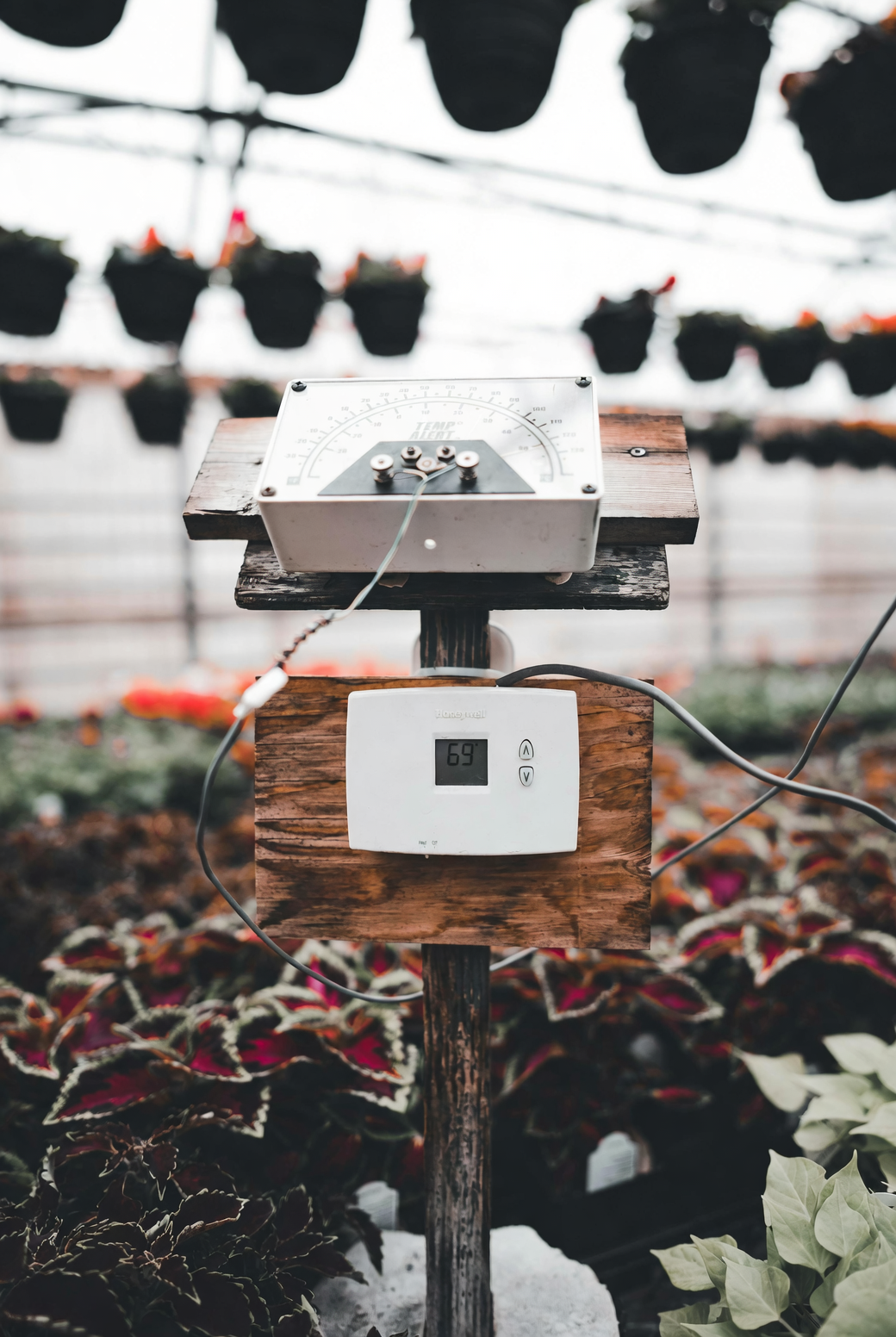
- Monitor Regularly: Invest in a simple thermometer and hygrometer to keep track of your indoor environment. Consistent monitoring helps you make timely adjustments.
- Seasonal Adjustments: As seasons change, so do indoor conditions. Be proactive in adjusting your plant’s location and care routine as needed.
- Experiment and Observe: Each plant is unique. Observe how your plants respond to different conditions and tailor your approach to ensure they thrive.
By understanding and controlling temperature and humidity, you’re setting your plants up for success. Remember, healthy plants are happy plants, and with these tips, you’ll have a flourishing indoor garden in no time! Happy gardening! 🌿